
Fort Patiko
About Fort Patiko
Description
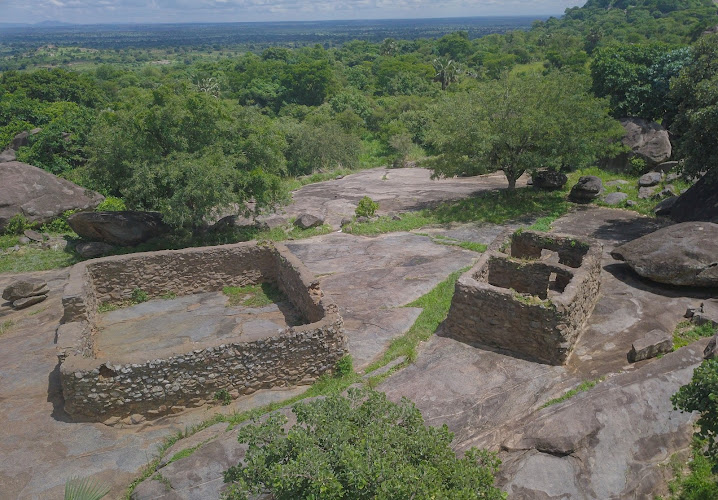
I gotta tell ya, Fort Patiko is one of those hidden gems in Uganda that'll totally transport you back in time. As someone who's explored countless historical sites across Africa, this 19th-century fort left me absolutely speechless. Built by Sir Samuel Baker during the colonial period, it stands as a haunting reminder of both the slave trade era and European exploration in East Africa. The fort's weathered stone walls tell stories that'll make your skin crawl - and trust me, that's not just me being dramatic. Walking through the same corridors where countless enslaved people were held before their tragic journeys genuinely hits you right in the gut. But it's exactly this raw, unfiltered history that makes Fort Patiko such an important place to visit.Key Features
• Original stone architecture from 1872 that's somehow survived all these years • Massive stone walls rising dramatically from the landscape • Ancient inscriptions and markings still visible on the walls • Several chambers and holding cells that visitors can explore • Strategic hilltop location offering sweeping views of the surrounding countryside • Educational displays explaining the fort's role in ending the slave trade • Preserved colonial-era administrative buildings • Historical artifacts from both African and European origins • Well-maintained grounds perfect for walking and photography • Traditional African medicinal garden showcasing local healing plantsBest Time to Visit
From my experience, December through February is absolutely perfect for checking out Fort Patiko. The weather's dry, making it ideal for exploring the outdoor sections without getting caught in those notorious afternoon showers. Plus, the light during these months is fantastic for photography - trust me, you'll want plenty of pics of those imposing walls against that brilliant African sky. I'd suggest avoiding March through May when the heavy rains can make the paths pretty slippery and muddy. If you're anything like me and hate crowds, try visiting early morning on weekdays. That's when you'll have the most peaceful experience and can really soak in the historical atmosphere without too many other tourists around.How to Get There
Y'know what? Getting to Fort Patiko isn't as tricky as you might think. From Gulu town (the nearest major city), you can take a 30-minute drive eastward. The roads are decent enough these days - way better than when I first visited back in the day! You can either hire a local driver (which I totally recommend for first-timers), grab a taxi, or rent your own vehicle if you're feeling adventurous. For the budget travelers out there, local buses and matatus run from Gulu to the nearby trading center, though you'll need to walk a bit or hop on a boda boda (motorcycle taxi) for the final stretch. Just make sure to arrange your return trip beforehand - the area's not exactly buzzing with regular transport options.Tips for Visiting
Listen up, 'cause these tips come from someone who learned them the hard way! First off, bring plenty of water - the fort doesn't have any shops nearby and exploring those stone structures under the African sun is thirstier work than you'd expect. And comfortable walking shoes are an absolute must - those stone floors ain't exactly designed for flip-flops! I always tell people to set aside at least 2-3 hours for their visit. Sure, you could rush through in an hour, but why would ya? The stories this place holds deserve your time. Consider hiring a local guide - their knowledge adds layers of meaning to what might otherwise just look like old walls to you. Some of the stories they share aren't in any guidebook, I can tell you that! Don't forget your camera (or make sure your phone's fully charged), but remember this is also a place of profound historical significance. Show respect, especially in areas that were used to hold enslaved people. And here's a pro tip: bring a hat and sunscreen - there's limited shade once you're exploring the main structures. If you're interested in the medicinal garden (and you should be!), try to visit during morning hours when the local expert who tends to it is usually around. They can explain traditional uses of various plants, which is absolutely fascinating. Oh, and one last thing - keep some cash handy for the entrance fee and guide tips. They don't take cards here, and you don't wanna be that person who has to turn around at the gate! I've seen visitors get the most out of their experience by reading up a bit about Sir Samuel Baker and the fort's history beforehand. But even if you don't, the site has a way of pulling you in and making you want to learn more. Just remember to wear clothes that cover your knees and shoulders - it's both respectful and practical for protection from the sun.Key Features
- Key Features
- Best Time to Visit
- How to Get There
- Tips for Visiting
More Details
Updated May 28, 2025
Table of Contents
Description
I gotta tell ya, Fort Patiko is one of those hidden gems in Uganda that’ll totally transport you back in time. As someone who’s explored countless historical sites across Africa, this 19th-century fort left me absolutely speechless. Built by Sir Samuel Baker during the colonial period, it stands as a haunting reminder of both the slave trade era and European exploration in East Africa.
The fort’s weathered stone walls tell stories that’ll make your skin crawl – and trust me, that’s not just me being dramatic. Walking through the same corridors where countless enslaved people were held before their tragic journeys genuinely hits you right in the gut. But it’s exactly this raw, unfiltered history that makes Fort Patiko such an important place to visit.
Key Features
• Original stone architecture from 1872 that’s somehow survived all these years
• Massive stone walls rising dramatically from the landscape
• Ancient inscriptions and markings still visible on the walls
• Several chambers and holding cells that visitors can explore
• Strategic hilltop location offering sweeping views of the surrounding countryside
• Educational displays explaining the fort’s role in ending the slave trade
• Preserved colonial-era administrative buildings
• Historical artifacts from both African and European origins
• Well-maintained grounds perfect for walking and photography
• Traditional African medicinal garden showcasing local healing plants
Best Time to Visit
From my experience, December through February is absolutely perfect for checking out Fort Patiko. The weather’s dry, making it ideal for exploring the outdoor sections without getting caught in those notorious afternoon showers. Plus, the light during these months is fantastic for photography – trust me, you’ll want plenty of pics of those imposing walls against that brilliant African sky.
I’d suggest avoiding March through May when the heavy rains can make the paths pretty slippery and muddy. If you’re anything like me and hate crowds, try visiting early morning on weekdays. That’s when you’ll have the most peaceful experience and can really soak in the historical atmosphere without too many other tourists around.
How to Get There
Y’know what? Getting to Fort Patiko isn’t as tricky as you might think. From Gulu town (the nearest major city), you can take a 30-minute drive eastward. The roads are decent enough these days – way better than when I first visited back in the day! You can either hire a local driver (which I totally recommend for first-timers), grab a taxi, or rent your own vehicle if you’re feeling adventurous.
For the budget travelers out there, local buses and matatus run from Gulu to the nearby trading center, though you’ll need to walk a bit or hop on a boda boda (motorcycle taxi) for the final stretch. Just make sure to arrange your return trip beforehand – the area’s not exactly buzzing with regular transport options.
Tips for Visiting
Listen up, ’cause these tips come from someone who learned them the hard way! First off, bring plenty of water – the fort doesn’t have any shops nearby and exploring those stone structures under the African sun is thirstier work than you’d expect. And comfortable walking shoes are an absolute must – those stone floors ain’t exactly designed for flip-flops!
I always tell people to set aside at least 2-3 hours for their visit. Sure, you could rush through in an hour, but why would ya? The stories this place holds deserve your time. Consider hiring a local guide – their knowledge adds layers of meaning to what might otherwise just look like old walls to you. Some of the stories they share aren’t in any guidebook, I can tell you that!
Don’t forget your camera (or make sure your phone’s fully charged), but remember this is also a place of profound historical significance. Show respect, especially in areas that were used to hold enslaved people. And here’s a pro tip: bring a hat and sunscreen – there’s limited shade once you’re exploring the main structures.
If you’re interested in the medicinal garden (and you should be!), try to visit during morning hours when the local expert who tends to it is usually around. They can explain traditional uses of various plants, which is absolutely fascinating. Oh, and one last thing – keep some cash handy for the entrance fee and guide tips. They don’t take cards here, and you don’t wanna be that person who has to turn around at the gate!
I’ve seen visitors get the most out of their experience by reading up a bit about Sir Samuel Baker and the fort’s history beforehand. But even if you don’t, the site has a way of pulling you in and making you want to learn more. Just remember to wear clothes that cover your knees and shoulders – it’s both respectful and practical for protection from the sun.
Key Highlights
- Key Features
- Best Time to Visit
- How to Get There
- Tips for Visiting
Location
Places to Stay Near Fort Patiko
Find and Book a Tour
Explore More Travel Guides
No reviews found! Be the first to review!
Traveler Reviews for Fort Patiko
There are no reviews yet. Be the first one to write one.
Have you visited Fort Patiko? Help other travelers by sharing your review.
You Might Also Like

Kolonyi Rd
Kitgum High School

Mgahinga Gorilla National Park
Find Accommodations Nearby
Recommended Tours & Activities
Visitor Reviews
There are no reviews yet. Be the first one to write one.
Share Your Experience
Have you visited Fort Patiko? Help other travelers by leaving a review.