
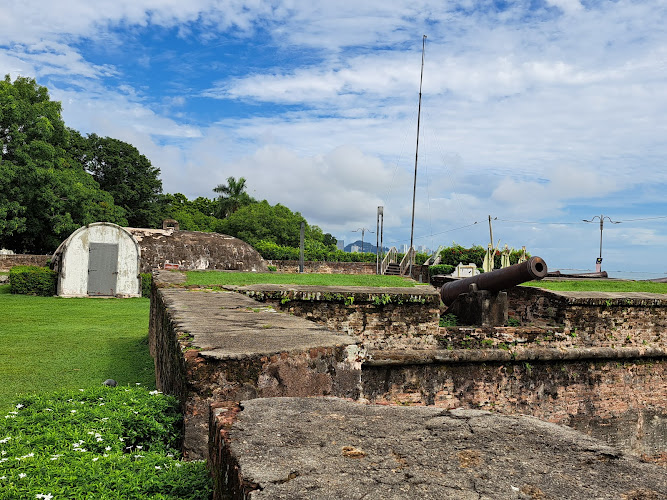
Fort Cornwallis
About Fort Cornwallis
Description
Fort Cornwallis is one of those places that quietly sneaks into your memory long after you’ve left George Town. Built in the late 18th century by the British East India Company, it was never really a battlefield, but it still carries this weight of history in its stone walls and bastions. The fort was originally meant to protect the island from naval attacks, yet it ended up being more of an administrative and symbolic stronghold than a war zone. And honestly, that’s part of its charm—you’re not walking into a place riddled with scars of battle, but rather into a living reminder of Penang’s colonial beginnings.
The fortress is well-preserved, with original structures like the chapel and some storerooms still standing. A lighthouse was added later, giving the fort a slightly quirky mix of military and maritime vibes. There’s even a moat surrounding parts of it, though it’s more decorative now than defensive. Today, the fort is less about cannons and more about curiosity. It’s a place where you can stroll slowly, grab a coffee at the onsite café, and let your imagination fill in the blanks of what life might have been like here centuries ago.
Visitors tend to have mixed feelings—some are blown away by the historical significance and the chance to walk inside Malaysia’s largest standing fort, while others find it a bit underwhelming compared to flashier attractions. Personally, I think that’s what makes it interesting. It’s not trying too hard; it simply exists as it is, a sturdy old fort with stories etched in its walls. If you’re the kind of traveler who enjoys history at a slow pace, this is a spot worth your time.
Key Features
- 18th-century bastion fort built by the British East India Company
- Original structures still intact, including a chapel and prison cells
- A later-added lighthouse that gives panoramic views of the waterfront
- Gunpowder magazine and storerooms offering a peek into colonial-era logistics
- Moat that once served as defense, now more of a historical curiosity
- Onsite café where you can relax after exploring
- Guided tours available for deeper insights into the fort’s history
- Wheelchair accessible entrance, making it easier for all travelers to visit
- Family-friendly environment, good for kids who enjoy exploring open spaces
Best Time to Visit
If you’re planning a trip, the cooler months between December and February are the most comfortable. Penang can get pretty hot and humid, and walking around a fort under the blazing sun isn’t exactly fun. Early mornings or late afternoons are also great times to go, not just because of the weather, but also because the lighting makes for gorgeous photos. I went once around sunset, and the golden glow on the old stone walls was just stunning—it felt like stepping into a painting. Avoid midday if you can, unless you’re prepared with lots of water and a hat.
How to Get There
Reaching Fort Cornwallis is pretty straightforward since it sits right in George Town. If you’re staying in the city center, you can easily walk there—George Town is wonderfully walkable, and exploring on foot lets you stumble across street art and food stalls along the way. For those coming from further out, taxis and ride-hailing apps are convenient and affordable. Public buses also stop nearby, though they can be a bit slow if traffic is heavy. Honestly, I’d say walking or grabbing a quick ride is the easiest way. And if you’re cycling around Penang (which is a fun way to see the city), the fort makes a perfect stop on your route.
Tips for Visiting
First off, bring water. The fort doesn’t have a ton of shaded areas, and Penang’s sun can be relentless. Comfortable shoes are a must too—you’ll be walking over uneven paths and exploring nooks and crannies. If you’re really into history, I’d recommend joining one of the guided tours. They add so much context, and you’ll hear stories you’d never pick up just by wandering on your own.
For families, the open spaces make it a nice spot to let kids run around safely, though don’t expect flashy entertainment—it’s more about quiet exploration. If you’re a photographer, bring your wide-angle lens; the fort’s angles and the nearby sea views are worth capturing. And here’s a little personal tip: grab a coffee at the café inside before you leave. Sitting there, sipping something cold, and looking out at the fort’s walls is a surprisingly peaceful way to wrap up your visit.
One last thing—manage your expectations. This isn’t a place with dramatic ruins or high-tech exhibits. It’s a steady, solid piece of Penang’s past. Go in with curiosity, take your time, and you’ll find yourself appreciating the fort for what it is: a gentle but firm reminder of how history still lingers in the present.
Key Features
- 18th-century bastion fort built by the British East India Company
- Original structures still intact, including a chapel and prison cells
- A later-added lighthouse that gives panoramic views of the waterfront
- Gunpowder magazine and storerooms offering a peek into colonial-era logistics
- Moat that once served as defense, now more of a historical curiosity
- Onsite café where you can relax after exploring
- Guided tours available for deeper insights into the fort’s history
- Wheelchair accessible entrance, making it easier for all travelers to visit
More Details
Updated September 23, 2025
Table of Contents
Description
Fort Cornwallis is one of those places that quietly sneaks into your memory long after you’ve left George Town. Built in the late 18th century by the British East India Company, it was never really a battlefield, but it still carries this weight of history in its stone walls and bastions. The fort was originally meant to protect the island from naval attacks, yet it ended up being more of an administrative and symbolic stronghold than a war zone. And honestly, that’s part of its charm—you’re not walking into a place riddled with scars of battle, but rather into a living reminder of Penang’s colonial beginnings.
The fortress is well-preserved, with original structures like the chapel and some storerooms still standing. A lighthouse was added later, giving the fort a slightly quirky mix of military and maritime vibes. There’s even a moat surrounding parts of it, though it’s more decorative now than defensive. Today, the fort is less about cannons and more about curiosity. It’s a place where you can stroll slowly, grab a coffee at the onsite café, and let your imagination fill in the blanks of what life might have been like here centuries ago.
Visitors tend to have mixed feelings—some are blown away by the historical significance and the chance to walk inside Malaysia’s largest standing fort, while others find it a bit underwhelming compared to flashier attractions. Personally, I think that’s what makes it interesting. It’s not trying too hard; it simply exists as it is, a sturdy old fort with stories etched in its walls. If you’re the kind of traveler who enjoys history at a slow pace, this is a spot worth your time.
Key Features
- 18th-century bastion fort built by the British East India Company
- Original structures still intact, including a chapel and prison cells
- A later-added lighthouse that gives panoramic views of the waterfront
- Gunpowder magazine and storerooms offering a peek into colonial-era logistics
- Moat that once served as defense, now more of a historical curiosity
- Onsite café where you can relax after exploring
- Guided tours available for deeper insights into the fort’s history
- Wheelchair accessible entrance, making it easier for all travelers to visit
- Family-friendly environment, good for kids who enjoy exploring open spaces
Best Time to Visit
If you’re planning a trip, the cooler months between December and February are the most comfortable. Penang can get pretty hot and humid, and walking around a fort under the blazing sun isn’t exactly fun. Early mornings or late afternoons are also great times to go, not just because of the weather, but also because the lighting makes for gorgeous photos. I went once around sunset, and the golden glow on the old stone walls was just stunning—it felt like stepping into a painting. Avoid midday if you can, unless you’re prepared with lots of water and a hat.
How to Get There
Reaching Fort Cornwallis is pretty straightforward since it sits right in George Town. If you’re staying in the city center, you can easily walk there—George Town is wonderfully walkable, and exploring on foot lets you stumble across street art and food stalls along the way. For those coming from further out, taxis and ride-hailing apps are convenient and affordable. Public buses also stop nearby, though they can be a bit slow if traffic is heavy. Honestly, I’d say walking or grabbing a quick ride is the easiest way. And if you’re cycling around Penang (which is a fun way to see the city), the fort makes a perfect stop on your route.
Tips for Visiting
First off, bring water. The fort doesn’t have a ton of shaded areas, and Penang’s sun can be relentless. Comfortable shoes are a must too—you’ll be walking over uneven paths and exploring nooks and crannies. If you’re really into history, I’d recommend joining one of the guided tours. They add so much context, and you’ll hear stories you’d never pick up just by wandering on your own.
For families, the open spaces make it a nice spot to let kids run around safely, though don’t expect flashy entertainment—it’s more about quiet exploration. If you’re a photographer, bring your wide-angle lens; the fort’s angles and the nearby sea views are worth capturing. And here’s a little personal tip: grab a coffee at the café inside before you leave. Sitting there, sipping something cold, and looking out at the fort’s walls is a surprisingly peaceful way to wrap up your visit.
One last thing—manage your expectations. This isn’t a place with dramatic ruins or high-tech exhibits. It’s a steady, solid piece of Penang’s past. Go in with curiosity, take your time, and you’ll find yourself appreciating the fort for what it is: a gentle but firm reminder of how history still lingers in the present.
Key Highlights
- 18th-century bastion fort built by the British East India Company
- Original structures still intact, including a chapel and prison cells
- A later-added lighthouse that gives panoramic views of the waterfront
- Gunpowder magazine and storerooms offering a peek into colonial-era logistics
- Moat that once served as defense, now more of a historical curiosity
- Onsite café where you can relax after exploring
- Guided tours available for deeper insights into the fort’s history
- Wheelchair accessible entrance, making it easier for all travelers to visit
Location
Places to Stay Near Fort Cornwallis
Find and Book a Tour
Explore More Travel Guides
No reviews found! Be the first to review!
Traveler Reviews for Fort Cornwallis
There are no reviews yet. Be the first one to write one.
Have you visited Fort Cornwallis? Help other travelers by sharing your review.
You Might Also Like

Rainbow Skywalk @The TOP Penang

Clan Jetties of Penang

Wonderfood Museum
Find Accommodations Nearby
Recommended Tours & Activities
Visitor Reviews
There are no reviews yet. Be the first one to write one.
Share Your Experience
Have you visited Fort Cornwallis? Help other travelers by leaving a review.