
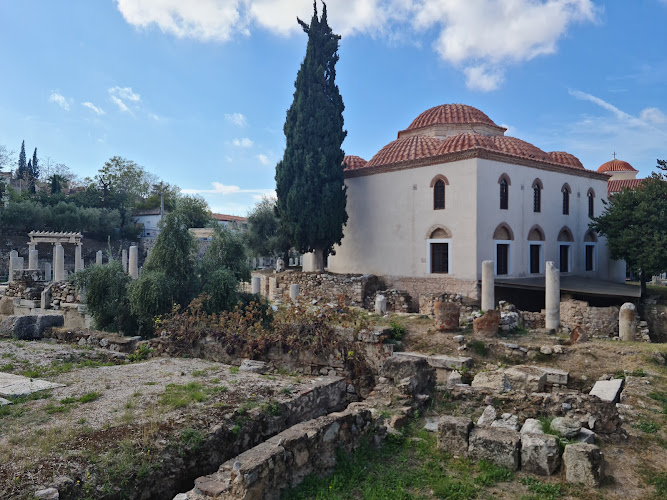
Fethiye Mosque Museum
About Fethiye Mosque Museum
Description
The Fethiye Mosque Museum, also known historically as the Pammakaristos Church, is one of those places in Istanbul that quietly steals your attention. It doesn’t shout with grandeur the way Hagia Sophia does, but instead whispers stories from centuries past. Originally built as a Byzantine church, later converted into a mosque, and now standing as a museum, it carries the layered identity of a city that has always been a crossroads of cultures. Walking inside, you’ll notice mosaics that sparkle with the same brilliance they must have had hundreds of years ago, even though time has left its marks. And honestly, that mix of wear and beauty is what makes it feel so authentic.
The museum isn’t massive, so you won’t feel overwhelmed, but what it lacks in size, it makes up for in detail. The mosaics in the parekklesion (side chapel) are breathtaking, with scenes from the life of Christ that feel almost alive when the light hits them just right. It’s the kind of place where you can slow down, stand in one spot for ten minutes, and still notice something new each time you glance up. For travelers who enjoy peeling back the layers of history, this museum is a gem. That said, it’s not the most polished attraction in Istanbul. Some areas feel a bit tired, and if you’ve been to larger museums, you might find yourself wishing for more context panels or exhibits. But for me, that rawness adds to its charm—it feels like you’re stepping into history rather than just looking at it behind glass.
Families often find it a good stop, especially since kids can explore without being overwhelmed by huge crowds. Accessibility is limited, though, so if you or someone in your group needs wheelchair access, it’s worth knowing that the facilities aren’t fully accommodating. Still, if you’re curious about the layers of Byzantine and Ottoman history, this place is worth carving out an hour or two of your trip.
Key Features
- Originally a Byzantine church (Pammakaristos), later converted into a mosque, now a museum.
- Famous for its dazzling Byzantine mosaics, especially in the parekklesion.
- Smaller and more intimate than other major Istanbul landmarks, offering a quieter experience.
- Rich blend of Christian and Islamic architectural details.
- Family-friendly atmosphere, though accessibility for wheelchairs is limited.
- Located in the historic Fatih district, surrounded by authentic local neighborhoods.
Best Time to Visit
The best time to visit the Fethiye Mosque Museum is during the shoulder seasons—spring and autumn. In April or May, the weather in Istanbul is pleasantly warm, and you can wander around without the sticky summer heat. September and October are also fantastic, with crisp air and fewer tourists crowding the city’s bigger attractions. If you go in the middle of summer, expect it to be hot and a little draining, especially if you’re combining it with other sightseeing in Fatih. Personally, I love visiting in the late afternoon when the light filters in softly—it makes the mosaics glow in a way that feels almost spiritual. Winters can be chilly and gray, but if you don’t mind bundling up, you’ll likely have the place nearly to yourself, which is kind of magical in its own right.
How to Get There
Reaching the museum isn’t complicated, but it does require a bit of planning. It’s tucked away in the Fatih district, which means you’ll probably need to combine public transport with a short walk. The tram and bus systems in Istanbul are reliable, and once you’re in the neighborhood, wandering the narrow streets can be part of the adventure. If you’re not in the mood to navigate, taxis are always an option, though traffic in Istanbul can test your patience. I once decided to walk from Balat after exploring the colorful houses there, and honestly, it was one of the best decisions—those winding streets tell their own stories, and stumbling upon the museum felt like uncovering a hidden treasure.
Tips for Visiting
Here are a few things I’ve learned (sometimes the hard way) that might make your visit smoother:
- Go early or late: While it’s not as crowded as the big-name attractions, arriving early in the day or close to closing time means you’ll have more space to soak it all in.
- Take your time: This isn’t a place to rush. Stand under the dome, tilt your head back, and let your eyes wander. The details reveal themselves slowly.
- Wear comfortable shoes: The surrounding neighborhood has cobblestone streets and uneven pavements, so good shoes are a must.
- Bring a guidebook or audio guide: Information inside is limited, and having context makes the mosaics and architecture even more meaningful.
- Combine with nearby sights: The neighborhood is full of history. Pair your visit with a stroll through Balat or a stop at the Chora Church (if open).
- Mind accessibility: If mobility is a concern, be prepared for some limitations. The museum isn’t fully wheelchair accessible.
- Photography: Bring a camera, but also take a few minutes to just stand still and absorb the atmosphere without a lens between you and the art.
And maybe the most important tip: don’t come expecting a grand, polished museum experience. Come with curiosity and an open mind, and you’ll leave with a deeper appreciation for the way Istanbul’s history weaves itself together. It’s one of those places where the imperfections are part of the beauty.
Key Features
- Originally a Byzantine church (Pammakaristos), later converted into a mosque, now a museum.
- Famous for its dazzling Byzantine mosaics, especially in the parekklesion.
- Smaller and more intimate than other major Istanbul landmarks, offering a quieter experience.
- Rich blend of Christian and Islamic architectural details.
- Family-friendly atmosphere, though accessibility for wheelchairs is limited.
- Located in the historic Fatih district, surrounded by authentic local neighborhoods.
More Details
Updated September 9, 2025
Table of Contents
Description
The Fethiye Mosque Museum, also known historically as the Pammakaristos Church, is one of those places in Istanbul that quietly steals your attention. It doesn’t shout with grandeur the way Hagia Sophia does, but instead whispers stories from centuries past. Originally built as a Byzantine church, later converted into a mosque, and now standing as a museum, it carries the layered identity of a city that has always been a crossroads of cultures. Walking inside, you’ll notice mosaics that sparkle with the same brilliance they must have had hundreds of years ago, even though time has left its marks. And honestly, that mix of wear and beauty is what makes it feel so authentic.
The museum isn’t massive, so you won’t feel overwhelmed, but what it lacks in size, it makes up for in detail. The mosaics in the parekklesion (side chapel) are breathtaking, with scenes from the life of Christ that feel almost alive when the light hits them just right. It’s the kind of place where you can slow down, stand in one spot for ten minutes, and still notice something new each time you glance up. For travelers who enjoy peeling back the layers of history, this museum is a gem. That said, it’s not the most polished attraction in Istanbul. Some areas feel a bit tired, and if you’ve been to larger museums, you might find yourself wishing for more context panels or exhibits. But for me, that rawness adds to its charm—it feels like you’re stepping into history rather than just looking at it behind glass.
Families often find it a good stop, especially since kids can explore without being overwhelmed by huge crowds. Accessibility is limited, though, so if you or someone in your group needs wheelchair access, it’s worth knowing that the facilities aren’t fully accommodating. Still, if you’re curious about the layers of Byzantine and Ottoman history, this place is worth carving out an hour or two of your trip.
Key Features
- Originally a Byzantine church (Pammakaristos), later converted into a mosque, now a museum.
- Famous for its dazzling Byzantine mosaics, especially in the parekklesion.
- Smaller and more intimate than other major Istanbul landmarks, offering a quieter experience.
- Rich blend of Christian and Islamic architectural details.
- Family-friendly atmosphere, though accessibility for wheelchairs is limited.
- Located in the historic Fatih district, surrounded by authentic local neighborhoods.
Best Time to Visit
The best time to visit the Fethiye Mosque Museum is during the shoulder seasons—spring and autumn. In April or May, the weather in Istanbul is pleasantly warm, and you can wander around without the sticky summer heat. September and October are also fantastic, with crisp air and fewer tourists crowding the city’s bigger attractions. If you go in the middle of summer, expect it to be hot and a little draining, especially if you’re combining it with other sightseeing in Fatih. Personally, I love visiting in the late afternoon when the light filters in softly—it makes the mosaics glow in a way that feels almost spiritual. Winters can be chilly and gray, but if you don’t mind bundling up, you’ll likely have the place nearly to yourself, which is kind of magical in its own right.
How to Get There
Reaching the museum isn’t complicated, but it does require a bit of planning. It’s tucked away in the Fatih district, which means you’ll probably need to combine public transport with a short walk. The tram and bus systems in Istanbul are reliable, and once you’re in the neighborhood, wandering the narrow streets can be part of the adventure. If you’re not in the mood to navigate, taxis are always an option, though traffic in Istanbul can test your patience. I once decided to walk from Balat after exploring the colorful houses there, and honestly, it was one of the best decisions—those winding streets tell their own stories, and stumbling upon the museum felt like uncovering a hidden treasure.
Tips for Visiting
Here are a few things I’ve learned (sometimes the hard way) that might make your visit smoother:
- Go early or late: While it’s not as crowded as the big-name attractions, arriving early in the day or close to closing time means you’ll have more space to soak it all in.
- Take your time: This isn’t a place to rush. Stand under the dome, tilt your head back, and let your eyes wander. The details reveal themselves slowly.
- Wear comfortable shoes: The surrounding neighborhood has cobblestone streets and uneven pavements, so good shoes are a must.
- Bring a guidebook or audio guide: Information inside is limited, and having context makes the mosaics and architecture even more meaningful.
- Combine with nearby sights: The neighborhood is full of history. Pair your visit with a stroll through Balat or a stop at the Chora Church (if open).
- Mind accessibility: If mobility is a concern, be prepared for some limitations. The museum isn’t fully wheelchair accessible.
- Photography: Bring a camera, but also take a few minutes to just stand still and absorb the atmosphere without a lens between you and the art.
And maybe the most important tip: don’t come expecting a grand, polished museum experience. Come with curiosity and an open mind, and you’ll leave with a deeper appreciation for the way Istanbul’s history weaves itself together. It’s one of those places where the imperfections are part of the beauty.
Key Highlights
- Originally a Byzantine church (Pammakaristos), later converted into a mosque, now a museum.
- Famous for its dazzling Byzantine mosaics, especially in the parekklesion.
- Smaller and more intimate than other major Istanbul landmarks, offering a quieter experience.
- Rich blend of Christian and Islamic architectural details.
- Family-friendly atmosphere, though accessibility for wheelchairs is limited.
- Located in the historic Fatih district, surrounded by authentic local neighborhoods.
Location
Places to Stay Near Fethiye Mosque Museum
Find and Book a Tour
Explore More Travel Guides
No reviews found! Be the first to review!
Traveler Reviews for Fethiye Mosque Museum
There are no reviews yet. Be the first one to write one.
Have you visited Fethiye Mosque Museum? Help other travelers by sharing your review.
You Might Also Like
Athens Walks

Herakleidon Museum

Benaki Museum
Find Accommodations Nearby
Recommended Tours & Activities
Visitor Reviews
There are no reviews yet. Be the first one to write one.
Share Your Experience
Have you visited Fethiye Mosque Museum? Help other travelers by leaving a review.