
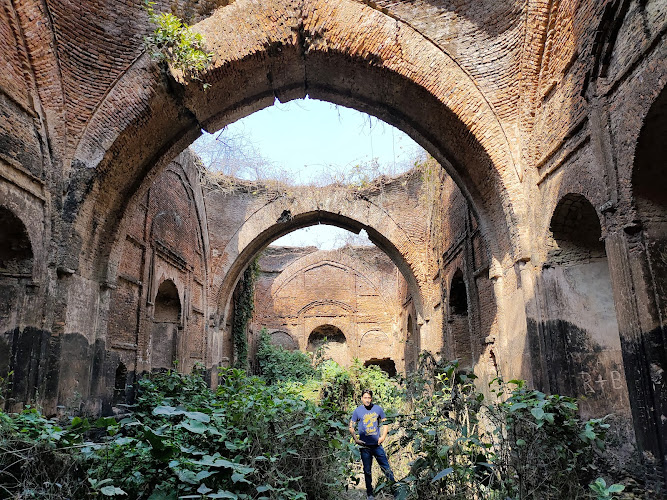
Fauti Masjid
About Fauti Masjid
Description
If you’re someone who loves to uncover stories whispered by old stones and crumbling walls, then the Fauti Masjid is likely to grab your attention. This mosque, also known as the Phuti Masjid, isn’t your typical polished tourist spot. It’s a bit rough around the edges—literally. Sitting quietly in Kumarpur, Murshidabad district, West Bengal, the mosque wears its history like a tattered cloak, its ruins telling tales of a hurried past.
Built in the 18th century during the reign of Nawab Sarfaraz Khan, legend has it that the mosque was constructed overnight. Imagine that! A grand structure, erected in such a rush that it was left incomplete, hence the name ‘Fauti’ or ‘Phuti’ which means broken or unfinished. It’s a haunting reminder of a time when ambition and urgency collided, leaving behind a monument that’s more mystery than masterpiece.
Now, don’t expect a pristine, well-maintained site with neat pathways and signboards. The mosque stands in a somewhat fragile state, surrounded by overgrown vegetation and a bit of jungle. It’s not wheelchair accessible, and the approach can be a little adventurous, to say the least. But if you’re up for a bit of exploration and don’t mind roughing it a little, this place offers a unique peek into the cultural and political vibes of 18th century Bengal.
Visiting Fauti Masjid feels like stepping back in time, where every chipped stone and cracked archway holds a secret. It’s not just a place of worship but a symbol of the past’s unfinished business, making it a compelling site for history buffs and curious travelers alike. Just be ready for a little wildness and a lot of wonder.
Key Features
- Built rapidly in a single night during Nawab Sarfaraz Khan’s rule around 1740 AD, reflecting a fascinating historical anecdote.
- Unfinished and partly ruined structure, offering a raw, untouched glimpse of Mughal-era architecture.
- Located about three-quarters of a mile from the grand Hazarduari Palace, making it a great add-on to a Murshidabad itinerary.
- Surrounded by dense vegetation and jungle, giving it an off-the-beaten-path vibe that adventurous travelers will love.
- Not wheelchair accessible and lacks proper entry points, so it’s best suited for those comfortable with some physical exertion and exploration.
- Rich in historical significance, representing the socio-political tensions and cultural dynamics of the 18th century Murshidabad.
- Offers a quiet, contemplative atmosphere away from crowded tourist spots, ideal for reflective visits and photography enthusiasts.
Best Time to Visit
Planning your visit to Fauti Masjid? You’ll want to pick a time when the weather isn’t going to make your trek through the jungle-like surroundings miserable. The best months are from October to March when West Bengal enjoys cooler, drier weather. During this period, the humidity drops, and the temperatures hover comfortably between 15°C to 25°C, making your exploration much more pleasant.
Avoid the monsoon season (June to September) unless you’re a fan of mud, slippery pathways, and mosquitoes galore. Trust me, the jungle around the mosque can get pretty wild and not in a fun way during heavy rains. Also, the summer months (April to June) can be brutally hot and sticky, which might drain your energy before you even get to the mosque.
Visiting early in the morning not only helps you beat the heat but also lets you enjoy the site in peaceful solitude, before the few other adventurous souls trickle in. Plus, the soft morning light is a dream for photographers looking to capture the mosque’s haunting beauty.
How to Get There
Getting to Fauti Masjid is a bit of an adventure in itself, so buckle up. The mosque is located near Kumarpur, in the Murshidabad district of West Bengal. The closest major town is Murshidabad, which is well connected by road and rail from Kolkata and other parts of West Bengal.
If you’re coming from Kolkata, you can take a train or a bus to Murshidabad town. From there, local transport options like auto-rickshaws or hired cabs can get you closer to Kumarpur. But here’s the catch—the final stretch to the mosque involves navigating through some rough terrain and dense vegetation, so be prepared for a bit of a trek. It’s not the kind of place you just stumble upon by accident.
Many travelers recommend hiring a local guide, not just for navigation but also to soak in the rich stories and history that only locals can share. Guides are usually informal and might ask for a small fee, but it’s worth it. Besides, wandering around on your own can be tricky and even a little unsafe given the mosque’s fragile condition and jungle surroundings.
Tips for Visiting
Alright, now that you’re pumped to check out Fauti Masjid, here are some down-to-earth tips to make your trip smoother and more enjoyable:
- Wear sturdy shoes. You’ll be walking through uneven ground, some thick underbrush, and possibly slippery stones. Flip-flops or sandals? Not your best bet here.
- Bring water and snacks. There aren’t any shops or cafes nearby, so pack light but smart. Staying hydrated is key, especially if you visit during warmer months.
- Go with a local guide if you can. They’ll not only help you find your way but also enrich your visit with fascinating historical tidbits and local legends.
- Respect the site. Remember, it’s a fragile, historical monument. Avoid climbing on the ruins or disturbing the surroundings. Leave only footprints behind.
- Prepare for limited facilities. There’s no wheelchair access, no restrooms on-site, and minimal signage. So, pack patience and a spirit of adventure.
- Visit early in the day. The morning light is beautiful, the air is cooler, and you’ll likely have the place mostly to yourself.
- Carry a camera. The mosque’s unfinished arches, intricate stonework, and encroaching greenery make for some stunning, moody shots.
- Be mindful of the weather. Avoid the monsoon season unless you’re ready to embrace a muddy challenge.
Visiting Fauti Masjid is less about ticking off a famous landmark and more about soaking in a slice of history that time almost forgot. It’s perfect for those who like their travel with a side of mystery and don’t mind a little dirt under their nails. So, if you’re looking for a spot that’s a bit raw, a bit wild, and packed with stories, this mosque might just be your next favorite discovery.
Key Features
- Built rapidly in a single night during Nawab Sarfaraz Khan’s rule around 1740 AD, reflecting a fascinating historical anecdote.
- Unfinished and partly ruined structure, offering a raw, untouched glimpse of Mughal-era architecture.
- Located about three-quarters of a mile from the grand Hazarduari Palace, making it a great add-on to a Murshidabad itinerary.
- Surrounded by dense vegetation and jungle, giving it an off-the-beaten-path vibe that adventurous travelers will love.
- Not wheelchair accessible and lacks proper entry points, so it’s best suited for those comfortable with some physical exertion and exploration.
- Rich in historical significance, representing the socio-political tensions and cultural dynamics of the 18th century Murshidabad.
- Offers a quiet, contemplative atmosphere away from crowded tourist spots, ideal for reflective visits and photography enthusiasts.
More Details
Updated July 17, 2025
Table of Contents
Description
If you’re someone who loves to uncover stories whispered by old stones and crumbling walls, then the Fauti Masjid is likely to grab your attention. This mosque, also known as the Phuti Masjid, isn’t your typical polished tourist spot. It’s a bit rough around the edges—literally. Sitting quietly in Kumarpur, Murshidabad district, West Bengal, the mosque wears its history like a tattered cloak, its ruins telling tales of a hurried past.
Built in the 18th century during the reign of Nawab Sarfaraz Khan, legend has it that the mosque was constructed overnight. Imagine that! A grand structure, erected in such a rush that it was left incomplete, hence the name ‘Fauti’ or ‘Phuti’ which means broken or unfinished. It’s a haunting reminder of a time when ambition and urgency collided, leaving behind a monument that’s more mystery than masterpiece.
Now, don’t expect a pristine, well-maintained site with neat pathways and signboards. The mosque stands in a somewhat fragile state, surrounded by overgrown vegetation and a bit of jungle. It’s not wheelchair accessible, and the approach can be a little adventurous, to say the least. But if you’re up for a bit of exploration and don’t mind roughing it a little, this place offers a unique peek into the cultural and political vibes of 18th century Bengal.
Visiting Fauti Masjid feels like stepping back in time, where every chipped stone and cracked archway holds a secret. It’s not just a place of worship but a symbol of the past’s unfinished business, making it a compelling site for history buffs and curious travelers alike. Just be ready for a little wildness and a lot of wonder.
Key Features
- Built rapidly in a single night during Nawab Sarfaraz Khan’s rule around 1740 AD, reflecting a fascinating historical anecdote.
- Unfinished and partly ruined structure, offering a raw, untouched glimpse of Mughal-era architecture.
- Located about three-quarters of a mile from the grand Hazarduari Palace, making it a great add-on to a Murshidabad itinerary.
- Surrounded by dense vegetation and jungle, giving it an off-the-beaten-path vibe that adventurous travelers will love.
- Not wheelchair accessible and lacks proper entry points, so it’s best suited for those comfortable with some physical exertion and exploration.
- Rich in historical significance, representing the socio-political tensions and cultural dynamics of the 18th century Murshidabad.
- Offers a quiet, contemplative atmosphere away from crowded tourist spots, ideal for reflective visits and photography enthusiasts.
Best Time to Visit
Planning your visit to Fauti Masjid? You’ll want to pick a time when the weather isn’t going to make your trek through the jungle-like surroundings miserable. The best months are from October to March when West Bengal enjoys cooler, drier weather. During this period, the humidity drops, and the temperatures hover comfortably between 15°C to 25°C, making your exploration much more pleasant.
Avoid the monsoon season (June to September) unless you’re a fan of mud, slippery pathways, and mosquitoes galore. Trust me, the jungle around the mosque can get pretty wild and not in a fun way during heavy rains. Also, the summer months (April to June) can be brutally hot and sticky, which might drain your energy before you even get to the mosque.
Visiting early in the morning not only helps you beat the heat but also lets you enjoy the site in peaceful solitude, before the few other adventurous souls trickle in. Plus, the soft morning light is a dream for photographers looking to capture the mosque’s haunting beauty.
How to Get There
Getting to Fauti Masjid is a bit of an adventure in itself, so buckle up. The mosque is located near Kumarpur, in the Murshidabad district of West Bengal. The closest major town is Murshidabad, which is well connected by road and rail from Kolkata and other parts of West Bengal.
If you’re coming from Kolkata, you can take a train or a bus to Murshidabad town. From there, local transport options like auto-rickshaws or hired cabs can get you closer to Kumarpur. But here’s the catch—the final stretch to the mosque involves navigating through some rough terrain and dense vegetation, so be prepared for a bit of a trek. It’s not the kind of place you just stumble upon by accident.
Many travelers recommend hiring a local guide, not just for navigation but also to soak in the rich stories and history that only locals can share. Guides are usually informal and might ask for a small fee, but it’s worth it. Besides, wandering around on your own can be tricky and even a little unsafe given the mosque’s fragile condition and jungle surroundings.
Tips for Visiting
Alright, now that you’re pumped to check out Fauti Masjid, here are some down-to-earth tips to make your trip smoother and more enjoyable:
- Wear sturdy shoes. You’ll be walking through uneven ground, some thick underbrush, and possibly slippery stones. Flip-flops or sandals? Not your best bet here.
- Bring water and snacks. There aren’t any shops or cafes nearby, so pack light but smart. Staying hydrated is key, especially if you visit during warmer months.
- Go with a local guide if you can. They’ll not only help you find your way but also enrich your visit with fascinating historical tidbits and local legends.
- Respect the site. Remember, it’s a fragile, historical monument. Avoid climbing on the ruins or disturbing the surroundings. Leave only footprints behind.
- Prepare for limited facilities. There’s no wheelchair access, no restrooms on-site, and minimal signage. So, pack patience and a spirit of adventure.
- Visit early in the day. The morning light is beautiful, the air is cooler, and you’ll likely have the place mostly to yourself.
- Carry a camera. The mosque’s unfinished arches, intricate stonework, and encroaching greenery make for some stunning, moody shots.
- Be mindful of the weather. Avoid the monsoon season unless you’re ready to embrace a muddy challenge.
Visiting Fauti Masjid is less about ticking off a famous landmark and more about soaking in a slice of history that time almost forgot. It’s perfect for those who like their travel with a side of mystery and don’t mind a little dirt under their nails. So, if you’re looking for a spot that’s a bit raw, a bit wild, and packed with stories, this mosque might just be your next favorite discovery.
Key Highlights
- Built rapidly in a single night during Nawab Sarfaraz Khan’s rule around 1740 AD, reflecting a fascinating historical anecdote.
- Unfinished and partly ruined structure, offering a raw, untouched glimpse of Mughal-era architecture.
- Located about three-quarters of a mile from the grand Hazarduari Palace, making it a great add-on to a Murshidabad itinerary.
- Surrounded by dense vegetation and jungle, giving it an off-the-beaten-path vibe that adventurous travelers will love.
- Not wheelchair accessible and lacks proper entry points, so it’s best suited for those comfortable with some physical exertion and exploration.
- Rich in historical significance, representing the socio-political tensions and cultural dynamics of the 18th century Murshidabad.
- Offers a quiet, contemplative atmosphere away from crowded tourist spots, ideal for reflective visits and photography enthusiasts.
Location
Places to Stay Near Fauti Masjid
Find and Book a Tour
Explore More Travel Guides
No reviews found! Be the first to review!
Traveler Reviews for Fauti Masjid
There are no reviews yet. Be the first one to write one.
Have you visited Fauti Masjid? Help other travelers by sharing your review.
You Might Also Like

Tripolia Gate
Palace Compound of King Murshid Quli Khan
Tomb Of Azimunnisa Begum
Find Accommodations Nearby
Recommended Tours & Activities
Visitor Reviews
There are no reviews yet. Be the first one to write one.
Share Your Experience
Have you visited Fauti Masjid? Help other travelers by leaving a review.