Park 3.8 Durban, South AfricaCommunity Guide

Farewell Square

1105 Church St, Durban Central, Durban, 4001, South Africa

Farewell Square
70 Photos

About & Overview

Description

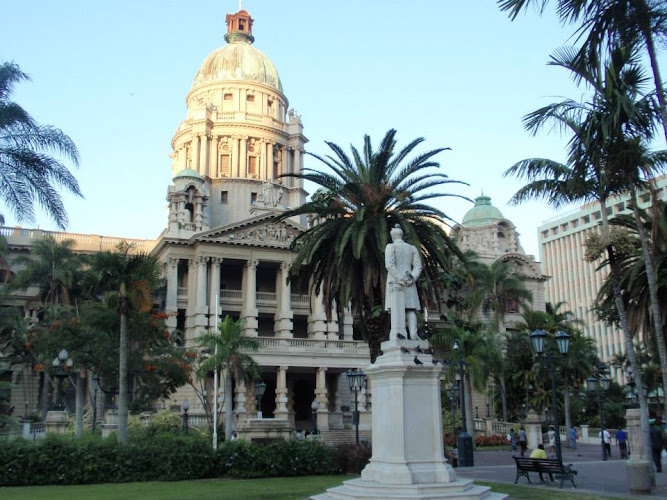
Tucked into the civic heart of Durban, Farewell Square (also known as Francis Farewell Square or Luthuli Square) is a small, tree-lined plaza that feels like a calm pocket of history amid the city’s bustle. Established on the site of the city’s earliest 19th-century settlement, the square sits opposite the stately Durban City Hall and the old Central Post Office, giving it an air of civic gravitas. Palm-lined walkways, planted beds and a handful of commemorative monuments invite slow exploration; an old clock on the post office façade and surrounding Victorian-era architecture make it especially photogenic for history-minded walkers. What makes Farewell Square special is its layered identity — part green refuge, part open-air museum — where Durban’s colonial origins meet modern urban life. It’s a convenient stop for visitors following a heritage route through the Central Business District, and a pleasant place to pause between museums, markets and the nearby beachfront precinct. Visit to soak up local atmosphere, photograph architectural details, and get a sense of the city’s origins in a compact, easily walkable setting.

Highlights & Key Features

  • Historic location marking Durban’s early 19th-century settlement
  • Tree-lined walkways and planted flower beds
  • Close proximity to Durban City Hall and Central Post Office
  • Victorian-era architecture and an antique clock feature
  • Monuments and plaques commemorating local figures and history

Visitor Guide & Information

Description

Farewell Square sits quietly in Durban as one of those places that travelers sometimes walk right past without realizing they’re standing on a significant piece of South African history. And that’s really a shame, because this tree-lined square holds the distinction of marking where European settlers first put down roots in Durban back in the early 19th century. The name itself tells a story – it’s where Lieutenant Francis Farewell, one of the founding fathers of Port Natal (as Durban was originally known), established the area’s first European trading post around 1824.

I’ve always found something compelling about these urban green spaces that refuse to disappear despite all the development happening around them. Farewell Square manages to hold onto its historical character while serving as a genuine park for locals and visitors alike. The monuments scattered throughout tell tales of a complex past, and honestly, you won’t find this kind of concentrated history lesson in many other parks of similar size.

The square functions as both a memorial space and a working park where people actually spend time, not just those tourist attractions where everyone takes photos and leaves. You’ll see office workers eating lunch under those mature trees, families letting their kids run around, and the occasional history enthusiast (guilty as charged) reading the various plaques and markers that explain what happened on this very ground nearly two centuries ago.

What struck me most during my visits was how the place doesn’t try to be anything other than what it is – a modest green space with genuine historical significance. There’s no flashy visitor center or gift shop, which some might see as a drawback but I find refreshing in an age where everything seems commercialized.

Key Features

Farewell Square offers travelers several distinctive elements that make it worth adding to your Durban itinerary:

• Historical monuments commemorating the site of Durban’s first European settlement, providing tangible connections to the city’s founding era

• Mature trees creating a canopy of shade perfect for escaping Durban’s subtropical heat during midday hours

• Accessible pathways and facilities designed to accommodate wheelchair users, with both entrance ramps and dedicated parking spots nearby

• Memorial plaques and interpretive signage explaining the complex history of early colonial settlement and interactions with the Zulu Kingdom

• Central location within Durban’s city center, making it an easy addition to walking tours of historic downtown areas

• Open green spaces suitable for families with children who need a break from more structured tourist activities

• Benches positioned throughout the square where visitors can sit and observe daily Durban life flowing past

• Photography opportunities combining historical monuments with urban backdrop, particularly appealing for those interested in architectural contrast

• Free admission allowing budget-conscious travelers to experience Durban history without spending a cent

• Relatively quiet atmosphere compared to busier tourist sites, offering moments of reflection amid city exploration

Best Time to Visit

Here’s where I’ll be straight with you – Durban’s weather patterns really dictate when Farewell Square shows its best side. The winter months from May through August offer the most comfortable visiting conditions. During this period, you’re looking at temperatures typically ranging from 15 to 25 degrees Celsius, which makes wandering around outdoor monuments actually pleasant rather than an endurance test.

Summer (December through February) brings intense heat and humidity that can make standing in the open sections of the square feel like you’re in a sauna. But the trees do provide considerable shade, so if summer’s your only option, aim for early morning visits before 9 AM or late afternoon after 4 PM when the sun isn’t quite so punishing.

The shoulder seasons – September through November and March through April – honestly give you the sweet spot. Weather’s generally cooperative, and you might catch some beautiful jacaranda blooms in the surrounding streets during October and November, adding visual interest to your visit.

Weekdays tend to be quieter than weekends, though that depends on what experience you’re after. I personally enjoyed visiting on a Wednesday morning when the square had that lived-in feel with locals using it as they would any day, which gave a more authentic sense of the place. Weekend visits bring more families and can feel livelier if you prefer that energy.

Time of day matters too. The square takes on different characters throughout the day – peaceful and almost meditative in early morning, bustling with lunch crowds around noon, and mellower again in late afternoon. For photographers, the golden hour before sunset provides lovely light filtering through those trees.

Don’t bother visiting during heavy rain, which Durban gets particularly during summer months. The monuments are outdoors and there’s limited covered areas, so you’d basically be standing in the wet trying to read historical plaques while rain drips off your nose. Not ideal.

How to Get There

Getting to Farewell Square isn’t complicated, though navigating Durban does require some awareness of your surroundings like any major city. The square sits in the heart of Durban’s city center, which works both for and against it depending on your transportation method.

If you’re driving, finding the square itself is straightforward – most GPS systems and mapping applications know exactly where it is. Parking presents the usual city center challenges though. There are metered parking spots on surrounding streets, but availability varies wildly depending on time and day. I’d suggest arriving earlier in the day for better parking luck. The designated wheelchair accessible parking makes things easier for those who need it.

For travelers using ride-sharing services like Uber or Bolt (which work well in Durban), simply punch in Farewell Square as your destination and the driver will drop you right there. This honestly might be your easiest option if you’re not familiar with downtown Durban’s one-way streets and parking situation.

Public transportation requires a bit more navigation savvy. Several bus routes service the city center area, though you’ll want to check current routes as they do change. The Mynah buses operated by Durban Transport specifically serve the downtown area. Ask locals or your accommodation for the most current route information.

Walking to Farewell Square works perfectly if you’re already exploring downtown Durban on foot. It’s within reasonable walking distance of other central attractions and the beachfront area, though I’d recommend walking during daylight hours and staying aware of your surroundings as you would in any urban environment.

From King Shaka International Airport, you’re looking at roughly 30 to 40 minutes driving depending on traffic. Many travelers opt for airport shuttle services or pre-arranged transfers rather than trying to navigate straight from the airport into the city center.

The accessibility features mean visitors using wheelchairs can actually access the square properly, which sadly isn’t always the case with historical sites. The entrance points accommodate wheelchairs and the pathways within are manageable, though some monument areas might present challenges depending on mobility levels.

Tips for Visiting

Based on personal experience and talking with other travelers who’ve spent time at Farewell Square, here are practical tips that’ll make your visit better.

Bring water with you. Even during cooler months, Durban’s humidity means you’ll want to stay hydrated. There aren’t vendors set up in the square itself, so come prepared.

Spend at least 30 to 45 minutes if you’re actually interested in the history. Yeah, you could walk through in ten minutes, but then you’re missing the point entirely. Read the plaques, sit on a bench, let the historical significance sink in a bit. That’s when places like this reveal their value.

Combine your visit with other downtown historical sites for a more complete picture of Durban’s development. The City Hall, Natural Science Museum, and Warrior’s Gate are all within walking distance if you’re doing a historical tour of sorts.

Safety awareness matters here like anywhere in a city center. Keep valuables secure, don’t display expensive camera equipment carelessly, and trust your instincts. Visit during daylight hours and you’ll generally be fine, but don’t wander into surrounding streets aimlessly without knowing where you’re going.

The lighting under those big trees can be tricky for photography. If you’re serious about getting good shots, visit when natural light is coming in at an angle – morning or late afternoon work better than harsh midday sun that creates weird shadows.

For families with kids, this square works as a quick stop rather than an all-day destination. The open spaces let children burn off some energy, but there’s no playground equipment or structured activities. Bring a ball or frisbee maybe, and use it as a picnic spot combined with a mini history lesson.

Don’t expect tour guides or organized information sessions. This is a self-guided experience, so doing a bit of reading about Durban’s founding before you arrive will make the monuments more meaningful. Otherwise you’re just looking at stone markers without context.

Wear comfortable walking shoes even though the square isn’t massive. The pathways are decent but you’ll be on your feet, and if you’re combining it with broader downtown exploration, your feet will thank you for proper footwear.

The accessibility features are genuine – if you or someone in your group uses a wheelchair, this is one of the more accommodating historical sites in Durban. But maybe call ahead or check current conditions because maintenance on public spaces can vary.

Consider bringing a small guidebook about Durban history or downloading information to your phone beforehand. The on-site plaques provide basic information, but deeper context makes the experience richer. And honestly, that’s what separates a meaningful visit from just ticking something off a list.

Community & Insider Notes

Last modified March 30, 2026

Description

Farewell Square sits quietly in Durban as one of those places that travelers sometimes walk right past without realizing they’re standing on a significant piece of South African history. And that’s really a shame, because this tree-lined square holds the distinction of marking where European settlers first put down roots in Durban back in the early 19th century. The name itself tells a story – it’s where Lieutenant Francis Farewell, one of the founding fathers of Port Natal (as Durban was originally known), established the area’s first European trading post around 1824.

I’ve always found something compelling about these urban green spaces that refuse to disappear despite all the development happening around them. Farewell Square manages to hold onto its historical character while serving as a genuine park for locals and visitors alike. The monuments scattered throughout tell tales of a complex past, and honestly, you won’t find this kind of concentrated history lesson in many other parks of similar size.

The square functions as both a memorial space and a working park where people actually spend time, not just those tourist attractions where everyone takes photos and leaves. You’ll see office workers eating lunch under those mature trees, families letting their kids run around, and the occasional history enthusiast (guilty as charged) reading the various plaques and markers that explain what happened on this very ground nearly two centuries ago.

What struck me most during my visits was how the place doesn’t try to be anything other than what it is – a modest green space with genuine historical significance. There’s no flashy visitor center or gift shop, which some might see as a drawback but I find refreshing in an age where everything seems commercialized.

Key Features

Farewell Square offers travelers several distinctive elements that make it worth adding to your Durban itinerary:

• Historical monuments commemorating the site of Durban’s first European settlement, providing tangible connections to the city’s founding era

• Mature trees creating a canopy of shade perfect for escaping Durban’s subtropical heat during midday hours

• Accessible pathways and facilities designed to accommodate wheelchair users, with both entrance ramps and dedicated parking spots nearby

• Memorial plaques and interpretive signage explaining the complex history of early colonial settlement and interactions with the Zulu Kingdom

• Central location within Durban’s city center, making it an easy addition to walking tours of historic downtown areas

• Open green spaces suitable for families with children who need a break from more structured tourist activities

• Benches positioned throughout the square where visitors can sit and observe daily Durban life flowing past

• Photography opportunities combining historical monuments with urban backdrop, particularly appealing for those interested in architectural contrast

• Free admission allowing budget-conscious travelers to experience Durban history without spending a cent

• Relatively quiet atmosphere compared to busier tourist sites, offering moments of reflection amid city exploration

Best Time to Visit

Here’s where I’ll be straight with you – Durban’s weather patterns really dictate when Farewell Square shows its best side. The winter months from May through August offer the most comfortable visiting conditions. During this period, you’re looking at temperatures typically ranging from 15 to 25 degrees Celsius, which makes wandering around outdoor monuments actually pleasant rather than an endurance test.

Summer (December through February) brings intense heat and humidity that can make standing in the open sections of the square feel like you’re in a sauna. But the trees do provide considerable shade, so if summer’s your only option, aim for early morning visits before 9 AM or late afternoon after 4 PM when the sun isn’t quite so punishing.

The shoulder seasons – September through November and March through April – honestly give you the sweet spot. Weather’s generally cooperative, and you might catch some beautiful jacaranda blooms in the surrounding streets during October and November, adding visual interest to your visit.

Weekdays tend to be quieter than weekends, though that depends on what experience you’re after. I personally enjoyed visiting on a Wednesday morning when the square had that lived-in feel with locals using it as they would any day, which gave a more authentic sense of the place. Weekend visits bring more families and can feel livelier if you prefer that energy.

Time of day matters too. The square takes on different characters throughout the day – peaceful and almost meditative in early morning, bustling with lunch crowds around noon, and mellower again in late afternoon. For photographers, the golden hour before sunset provides lovely light filtering through those trees.

Don’t bother visiting during heavy rain, which Durban gets particularly during summer months. The monuments are outdoors and there’s limited covered areas, so you’d basically be standing in the wet trying to read historical plaques while rain drips off your nose. Not ideal.

How to Get There

Getting to Farewell Square isn’t complicated, though navigating Durban does require some awareness of your surroundings like any major city. The square sits in the heart of Durban’s city center, which works both for and against it depending on your transportation method.

If you’re driving, finding the square itself is straightforward – most GPS systems and mapping applications know exactly where it is. Parking presents the usual city center challenges though. There are metered parking spots on surrounding streets, but availability varies wildly depending on time and day. I’d suggest arriving earlier in the day for better parking luck. The designated wheelchair accessible parking makes things easier for those who need it.

For travelers using ride-sharing services like Uber or Bolt (which work well in Durban), simply punch in Farewell Square as your destination and the driver will drop you right there. This honestly might be your easiest option if you’re not familiar with downtown Durban’s one-way streets and parking situation.

Public transportation requires a bit more navigation savvy. Several bus routes service the city center area, though you’ll want to check current routes as they do change. The Mynah buses operated by Durban Transport specifically serve the downtown area. Ask locals or your accommodation for the most current route information.

Walking to Farewell Square works perfectly if you’re already exploring downtown Durban on foot. It’s within reasonable walking distance of other central attractions and the beachfront area, though I’d recommend walking during daylight hours and staying aware of your surroundings as you would in any urban environment.

From King Shaka International Airport, you’re looking at roughly 30 to 40 minutes driving depending on traffic. Many travelers opt for airport shuttle services or pre-arranged transfers rather than trying to navigate straight from the airport into the city center.

The accessibility features mean visitors using wheelchairs can actually access the square properly, which sadly isn’t always the case with historical sites. The entrance points accommodate wheelchairs and the pathways within are manageable, though some monument areas might present challenges depending on mobility levels.

Tips for Visiting

Based on personal experience and talking with other travelers who’ve spent time at Farewell Square, here are practical tips that’ll make your visit better.

Bring water with you. Even during cooler months, Durban’s humidity means you’ll want to stay hydrated. There aren’t vendors set up in the square itself, so come prepared.

Spend at least 30 to 45 minutes if you’re actually interested in the history. Yeah, you could walk through in ten minutes, but then you’re missing the point entirely. Read the plaques, sit on a bench, let the historical significance sink in a bit. That’s when places like this reveal their value.

Combine your visit with other downtown historical sites for a more complete picture of Durban’s development. The City Hall, Natural Science Museum, and Warrior’s Gate are all within walking distance if you’re doing a historical tour of sorts.

Safety awareness matters here like anywhere in a city center. Keep valuables secure, don’t display expensive camera equipment carelessly, and trust your instincts. Visit during daylight hours and you’ll generally be fine, but don’t wander into surrounding streets aimlessly without knowing where you’re going.

The lighting under those big trees can be tricky for photography. If you’re serious about getting good shots, visit when natural light is coming in at an angle – morning or late afternoon work better than harsh midday sun that creates weird shadows.

For families with kids, this square works as a quick stop rather than an all-day destination. The open spaces let children burn off some energy, but there’s no playground equipment or structured activities. Bring a ball or frisbee maybe, and use it as a picnic spot combined with a mini history lesson.

Don’t expect tour guides or organized information sessions. This is a self-guided experience, so doing a bit of reading about Durban’s founding before you arrive will make the monuments more meaningful. Otherwise you’re just looking at stone markers without context.

Wear comfortable walking shoes even though the square isn’t massive. The pathways are decent but you’ll be on your feet, and if you’re combining it with broader downtown exploration, your feet will thank you for proper footwear.

The accessibility features are genuine – if you or someone in your group uses a wheelchair, this is one of the more accommodating historical sites in Durban. But maybe call ahead or check current conditions because maintenance on public spaces can vary.

Consider bringing a small guidebook about Durban history or downloading information to your phone beforehand. The on-site plaques provide basic information, but deeper context makes the experience richer. And honestly, that’s what separates a meaningful visit from just ticking something off a list.

Key Highlights

  • Historic location marking Durban’s early 19th-century settlement
  • Tree-lined walkways and planted flower beds
  • Close proximity to Durban City Hall and Central Post Office
  • Victorian-era architecture and an antique clock feature
  • Monuments and plaques commemorating local figures and history

Location

Places to Stay Near Farewell Square

Find and Book a Tour

Explore More Travel Guides

No reviews found! Be the first to review!

Select a Rating5 Stars4 Stars3 Stars2 Stars1 Star

Farewell Square is a prominent attractions located in Durban.

Visit us at: 1105 Church St, Durban Central, Durban, 4001, South Africa.

Nearby Attractions (Within 5 km)

Explore verified points of interest within walking or short transit distance.

No neighboring places mapped within 5 km yet.

Find Places to Stay Nearby

Stay22 provides this accommodation search. We may earn a commission if you book through it; verify current prices and terms with the provider.

Recommended Experiences & Activities

GetYourGuide provides this tour inventory. We may earn a commission if you book through it; verify current availability, prices, and terms with the provider.

Top Viator Experiences & Guided Tours in Durban

We may earn a commission if you book through links on this page at no extra cost to you. All tours feature verified customer reviews and flexible cancellation options.

Traveler Reviews & Community Q&A

No traveler reviews yet. Share your experience below!

No traveler questions yet. Be the first to ask a local!

Real Journey Travels Community