

Ex Convento de San José de Gracia
About Ex Convento de San José de Gracia
Description
The Ex Convento de San José de Gracia is one of those places that sneaks up on you. You might walk in expecting a quick look, a couple of photos, and then lunch. And then, somehow, an hour disappears. Maybe two. That’s been my experience, anyway. This former convent-turned-museum has a quiet gravity to it, the kind that makes you lower your voice without realizing why. It’s an important tourist attraction for travelers who like history served without too much sugar on top.
Architecturally, the building reflects the sober, practical style of religious complexes built during the colonial period. Thick walls, enclosed courtyards, and stone surfaces that have clearly seen a lot of human drama. It’s not flashy, and that’s part of the appeal. You feel like you’re stepping into a real working space from another era, not a polished theme park version of the past.
Today, the Ex Convento de San José de Gracia functions as a museum and cultural space. Exhibits shift from religious art to local history and temporary cultural shows, depending on when you visit. Some displays are deeply informative, others a bit more modest. And yes, not every room will blow your mind. But that unevenness actually makes it feel more authentic, less curated for Instagram and more rooted in real educational goals.
Travelers tend to appreciate the calm atmosphere here. It’s rarely chaotic. You won’t be elbowing through crowds, which is refreshing if you’ve just come from a busy plaza or market. And if you’re the kind of traveler who likes to pause, read the wall texts, and actually think about what you’re seeing, this place gives you that space. Literally and mentally.
One thing I personally like is how the convent’s original purpose still feels present. Even as a museum, the layout encourages reflection. Long corridors, inner patios, and simple rooms create a rhythm. And sometimes, if you’re lucky, sunlight hits the stone just right and you get one of those moments that makes travel worth the effort.
Key Features
- Historic convent architecture with preserved stonework and courtyards
- Museum galleries focused on regional history, religious art, and culture
- Quiet, contemplative atmosphere ideal for slow travelers
- Wheelchair accessible entrance, making it more inclusive than many historic sites
- On-site restrooms, which honestly matters more than people admit
- Temporary exhibitions that change throughout the year
- Informational signage in clear, accessible language
Best Time to Visit
Timing your visit to the Ex Convento de San José de Gracia can really shape your experience. Mornings are usually best if you want the place mostly to yourself. I once arrived shortly after opening and had an entire courtyard to sit in alone, just listening to my own footsteps echo. That kind of quiet is rare, especially when traveling.
If you’re visiting during a holiday season or local festival, expect a few more people. Still, it never reaches the point of feeling overwhelming. Weekdays are calmer than weekends, no surprise there. And if you’re sensitive to heat, earlier hours are more comfortable, as some areas rely on natural airflow rather than aggressive air conditioning.
Seasonally, the convent is a solid year-round attraction. Rainy months add a certain mood, with darker skies and damp stone giving the place a slightly dramatic edge. Dry seasons make it brighter and easier to linger outdoors in the courtyards. Personally, I lean toward shoulder seasons when the weather is mild and tourism is steady but not frantic.
Allow at least an hour for your visit, more if you enjoy reading exhibits carefully. And don’t rush. This isn’t the kind of museum that rewards speed-walking.
How to Get There
Getting to the Ex Convento de San José de Gracia is generally straightforward, especially if you’re already staying near the historic center of town. Public transportation options usually stop within walking distance, and taxis or rideshares know the site well enough that you won’t need to explain it three times. That’s always a relief.
If you’re walking, wear comfortable shoes. Historic areas often mean uneven sidewalks or stone paving, and your feet will thank you later. Driving is possible too, though parking nearby can be limited depending on the time of day. I’ve had better luck parking a little farther away and walking in, which also gives you a feel for the surrounding neighborhood.
For travelers with mobility needs, the wheelchair accessible entrance is a big plus. Not every historic attraction can claim that, and it makes this convent more approachable for a wider range of visitors.
Tips for Visiting
First tip: slow down. This sounds obvious, but I see people breeze through places like this all the time. The Ex Convento de San José de Gracia rewards patience. Read the plaques. Sit on a bench for a few minutes. Let the space do its thing.
Second, bring a little curiosity with you. Some exhibits are straightforward, others might raise questions. Don’t be shy about asking staff if they’re around. I once learned a small historical detail from a guard that wasn’t mentioned anywhere else, and it completely changed how I understood one of the rooms.
Photography policies can vary, so check before snapping away. Even when photos are allowed, be respectful. This place still holds spiritual significance for many locals, and acting accordingly goes a long way.
If you’re traveling with kids, set expectations. This is a calm, educational site, not an interactive play space. That said, older kids and teens interested in history or architecture often get more out of it than you’d expect.
Use the restroom before you leave. Again, practical advice, but useful. And consider pairing your visit with a nearby café or plaza afterward. The convent experience often leaves you thoughtful, and having a place to sit and process it all over coffee feels right.
Finally, don’t worry if it’s not love at first sight. Some travelers walk out thinking it was just okay. Others, like me, find themselves thinking about it days later. That range of reactions is part of what makes the Ex Convento de San José de Gracia an honest, worthwhile stop on your travel itinerary.
Key Features
- Historic convent architecture with preserved stonework and courtyards
- Museum galleries focused on regional history, religious art, and culture
- Quiet, contemplative atmosphere ideal for slow travelers
- Wheelchair accessible entrance, making it more inclusive than many historic sites
- On-site restrooms, which honestly matters more than people admit
- Temporary exhibitions that change throughout the year
- Informational signage in clear, accessible language
More Details
Updated December 31, 2025
Table of Contents
Description
The Ex Convento de San José de Gracia is one of those places that sneaks up on you. You might walk in expecting a quick look, a couple of photos, and then lunch. And then, somehow, an hour disappears. Maybe two. That’s been my experience, anyway. This former convent-turned-museum has a quiet gravity to it, the kind that makes you lower your voice without realizing why. It’s an important tourist attraction for travelers who like history served without too much sugar on top.
Architecturally, the building reflects the sober, practical style of religious complexes built during the colonial period. Thick walls, enclosed courtyards, and stone surfaces that have clearly seen a lot of human drama. It’s not flashy, and that’s part of the appeal. You feel like you’re stepping into a real working space from another era, not a polished theme park version of the past.
Today, the Ex Convento de San José de Gracia functions as a museum and cultural space. Exhibits shift from religious art to local history and temporary cultural shows, depending on when you visit. Some displays are deeply informative, others a bit more modest. And yes, not every room will blow your mind. But that unevenness actually makes it feel more authentic, less curated for Instagram and more rooted in real educational goals.
Travelers tend to appreciate the calm atmosphere here. It’s rarely chaotic. You won’t be elbowing through crowds, which is refreshing if you’ve just come from a busy plaza or market. And if you’re the kind of traveler who likes to pause, read the wall texts, and actually think about what you’re seeing, this place gives you that space. Literally and mentally.
One thing I personally like is how the convent’s original purpose still feels present. Even as a museum, the layout encourages reflection. Long corridors, inner patios, and simple rooms create a rhythm. And sometimes, if you’re lucky, sunlight hits the stone just right and you get one of those moments that makes travel worth the effort.
Key Features
- Historic convent architecture with preserved stonework and courtyards
- Museum galleries focused on regional history, religious art, and culture
- Quiet, contemplative atmosphere ideal for slow travelers
- Wheelchair accessible entrance, making it more inclusive than many historic sites
- On-site restrooms, which honestly matters more than people admit
- Temporary exhibitions that change throughout the year
- Informational signage in clear, accessible language
Best Time to Visit
Timing your visit to the Ex Convento de San José de Gracia can really shape your experience. Mornings are usually best if you want the place mostly to yourself. I once arrived shortly after opening and had an entire courtyard to sit in alone, just listening to my own footsteps echo. That kind of quiet is rare, especially when traveling.
If you’re visiting during a holiday season or local festival, expect a few more people. Still, it never reaches the point of feeling overwhelming. Weekdays are calmer than weekends, no surprise there. And if you’re sensitive to heat, earlier hours are more comfortable, as some areas rely on natural airflow rather than aggressive air conditioning.
Seasonally, the convent is a solid year-round attraction. Rainy months add a certain mood, with darker skies and damp stone giving the place a slightly dramatic edge. Dry seasons make it brighter and easier to linger outdoors in the courtyards. Personally, I lean toward shoulder seasons when the weather is mild and tourism is steady but not frantic.
Allow at least an hour for your visit, more if you enjoy reading exhibits carefully. And don’t rush. This isn’t the kind of museum that rewards speed-walking.
How to Get There
Getting to the Ex Convento de San José de Gracia is generally straightforward, especially if you’re already staying near the historic center of town. Public transportation options usually stop within walking distance, and taxis or rideshares know the site well enough that you won’t need to explain it three times. That’s always a relief.
If you’re walking, wear comfortable shoes. Historic areas often mean uneven sidewalks or stone paving, and your feet will thank you later. Driving is possible too, though parking nearby can be limited depending on the time of day. I’ve had better luck parking a little farther away and walking in, which also gives you a feel for the surrounding neighborhood.
For travelers with mobility needs, the wheelchair accessible entrance is a big plus. Not every historic attraction can claim that, and it makes this convent more approachable for a wider range of visitors.
Tips for Visiting
First tip: slow down. This sounds obvious, but I see people breeze through places like this all the time. The Ex Convento de San José de Gracia rewards patience. Read the plaques. Sit on a bench for a few minutes. Let the space do its thing.
Second, bring a little curiosity with you. Some exhibits are straightforward, others might raise questions. Don’t be shy about asking staff if they’re around. I once learned a small historical detail from a guard that wasn’t mentioned anywhere else, and it completely changed how I understood one of the rooms.
Photography policies can vary, so check before snapping away. Even when photos are allowed, be respectful. This place still holds spiritual significance for many locals, and acting accordingly goes a long way.
If you’re traveling with kids, set expectations. This is a calm, educational site, not an interactive play space. That said, older kids and teens interested in history or architecture often get more out of it than you’d expect.
Use the restroom before you leave. Again, practical advice, but useful. And consider pairing your visit with a nearby café or plaza afterward. The convent experience often leaves you thoughtful, and having a place to sit and process it all over coffee feels right.
Finally, don’t worry if it’s not love at first sight. Some travelers walk out thinking it was just okay. Others, like me, find themselves thinking about it days later. That range of reactions is part of what makes the Ex Convento de San José de Gracia an honest, worthwhile stop on your travel itinerary.
Key Highlights
- Historic convent architecture with preserved stonework and courtyards
- Museum galleries focused on regional history, religious art, and culture
- Quiet, contemplative atmosphere ideal for slow travelers
- Wheelchair accessible entrance, making it more inclusive than many historic sites
- On-site restrooms, which honestly matters more than people admit
- Temporary exhibitions that change throughout the year
- Informational signage in clear, accessible language
Location
Places to Stay Near Ex Convento de San José de Gracia
Find and Book a Tour
Explore More Travel Guides
No reviews found! Be the first to review!
Traveler Reviews for Ex Convento de San José de Gracia
There are no reviews yet. Be the first one to write one.
Have you visited Ex Convento de San José de Gracia? Help other travelers by sharing your review.
You Might Also Like

Casa de las Leyendas Orizaba
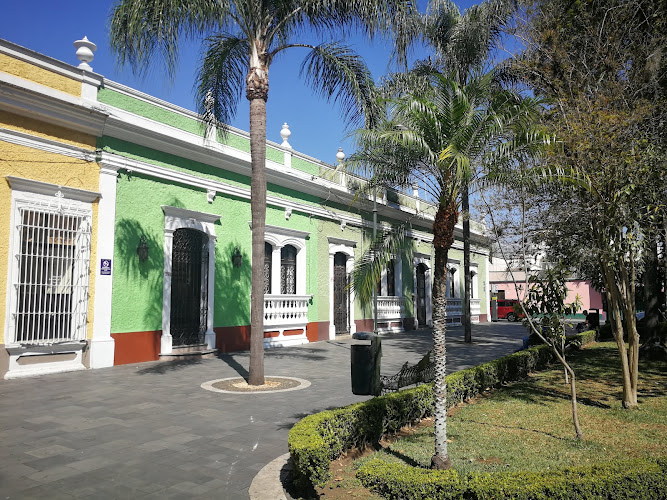
López Park

Museo Francisco Gabilondo Soler
Find Accommodations Nearby
Recommended Tours & Activities
Visitor Reviews
There are no reviews yet. Be the first one to write one.
Share Your Experience
Have you visited Ex Convento de San José de Gracia? Help other travelers by leaving a review.