
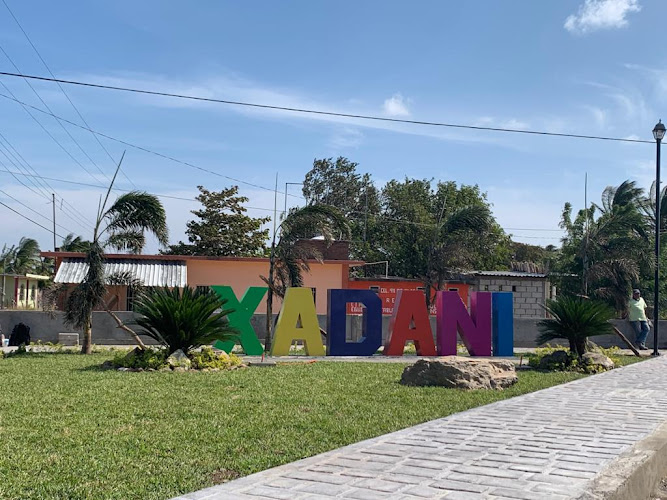
Estación Cultural Xadani
About Estación Cultural Xadani
Description
Let’s talk about a place that doesn’t show up on every travel blogger’s must-see list, but honestly, should. Estación Cultural Xadani is a museum that feels like your neighborhood’s best, most authentic corner—one where the air sort of buzzes with that slightly magical, can’t-quite-put-your-finger-on-it energy. If you’ve ever craved a true taste of Oaxacan community life and culture, you’ll find it here in vivid, living color. It’s the kind of spot that feels deeply personal, maybe even humble, but pulsing with stories you’d never stumble upon scrolling Instagram or reading another glossy guidebook.
I’ll admit, when I first meandered through the doors, I didn’t expect to be so drawn in. But instead of stiff, silent halls, it’s more like wandering into a community living room—artifacts, photos, crafts, each one humming with local pride and collective memory. There’s a real sense of warmth here, and not in that generic “museum” way; it’s a genuinely inviting space. You can tell, by the way families chat and giggle as they stroll the exhibits, that kids are not only tolerated but celebrated. I’ve seen toddlers tugging at the hand of abuelas, wide-eyed at the displays. It just feels good for families, laid-back and easy, and honestly, why should museums be intimidating anyway?
And, just a heads-up to those who travel with their stomachs leading the way: there’s no in-house café or restaurant. I actually think that’s a plus—you can wander the area and discover taquerías, juguerías, or little panaderías locals actually frequent. Talk about a more genuine experience, right?
There’s a comforting blend of old and new here, by the way. It doesn’t drown you in techy displays, but it also isn’t some musty relic. As someone who’s visited more than their fair share of museums (ask me about the time my sneakers squeaked so loud they practically echoed through the Louvre), I found the atmosphere here refreshingly unpretentious. You feel close to the heart of Xadani, learning through art, relics, and—if you’re lucky, maybe during an event—even lively performances or workshops.
Here’s the secret sauce: every inch of the Estación Cultural Xadani is about community and shared heritage. It isn’t about awing you with grandeur, but about making you part of the conversation, if only for an afternoon. Whether you’re a culture geek, history buff, traveling with restless little ones, or someone who just likes to find those rare corners that are fiercely proud of their roots, this spot deserves your curiosity. It’s a slice of Oaxaca most visitors miss. And that, in itself, makes it feel a bit exclusive and deeply special.
Key Features
- Authentic Community-Focused Exhibits: More than just artifacts behind glass, exhibits tell the living story of Santa María Xadani through photos, crafts, and folk art—many curated with local involvement.
- Family-Friendly Atmosphere: Kids have space to ask questions, roam under watchful eyes, and get inspired by local stories. You won’t feel shushed or out of place with a curious child in tow.
- Interactive Events & Workshops: Periodic workshops and cultural happenings add a layer of engagement. If your timing’s right, you might catch a hands-on craft session or live storytelling—seriously cool for deeper cultural dives.
- No Tourist Gimmicks: Nothing pandering or showy here; this is about genuine community spirit and tradition. You’ll see what locals value, not just what’s marketed to visitors.
- Welcoming, Easygoing Vibe: The staff (and sometimes other visitors!) are happy to chat, answer questions, and share recommendations about the region. There’s a lingering friendliness that most museums, frankly, could take lessons from.
- Accessible For All Ages: Whether you’re a lone wanderer, a tagging-along grandparent, or part of a big family troop, access and activities are welcoming and inclusive.
- Focus on Local History and Traditions: The rotating/cyclic exhibits are grounded in the rich local Zapotec culture, adding new perspectives even for repeat visitors.
- Supports the Local Community: Entry fees and participation circulate back into supporting local initiatives, artists, and preservation efforts—a visit here literally helps keep culture alive.
Best Time to Visit
Now, here’s where it gets personal. If you’re all about peace and quiet (maybe you hate the idea of bumping elbows every two seconds), swing by on a weekday morning—there’s a sweet spot just after doors open when you can almost feel like you’ve got the whole place to yourself. Think empty benches and the soft echo of your footsteps, a dream scenario for photographers or introverts, trust me.
But if bustling energy is your thing (or you’re hoping your kiddos make some local friends), mark your calendar for the town’s festival periods, especially in late spring or early summer. Around these times, cultural centers like Estación Cultural Xadani come alive with workshops, live music, and traditional celebrations. I’ve stumbled on music rehearsals that spilled into impromptu dancing more than once—sometimes, unpredictability is the real highlight.
Weather-wise, Oaxaca is pretty kind, but the dry season (roughly November through April) means more sunshine and fewer soggy shoes. Avoiding the heaviest rains is always good advice unless you actually like being caught in tropical downpours. Hey, no judgment if you do. Just don’t expect a lot of outdoor activity options during the summer rain bursts.
Quick tip from experience: If you’re someone who wants to blend in a bit, plan your visit for a weekday just before lunch. You’ll savvy local rhythms, wrap up your museum experience, and have time to explore nearby markets before they close for siesta. More than once, that’s landed me a plate of piping hot tlayudas with all the best toppings—pure serendipity.
How to Get There
Alright, let’s talk logistics—the part travelers sometimes overlook until they find themselves squinting at faded street signs with no cell signal. Getting to Estación Cultural Xadani isn’t rocket science, but it helps to be prepared.
First off, if you’re coming from one of the larger Oaxacan hubs, you’ve got two main choices: local buses or hiring a taxi colectivo (shared taxi). I’ve tried both, and—pro tip—unless you love bouncing along on winding roads with thirty stops, a colectivo is usually faster and honestly not much more expensive. It’s also a great way to eavesdrop on local chatter if your Spanish is passable; I once learned about a hidden waterfall just from overhearing a driver’s conversation.
Driving yourself? The roads are generally smooth, and parking near the museum is usually doable. No massive parking lots or crabby attendants, just friendly townsfolk and enough space to feel safe leaving your rental for a bit. Google Maps will get you quite close; just double-check coordinates if your phone loses service in rural spots (been there, bought the wrong ice cream at the wrong crossroads).
Walking from the town center is definitely possible and actually, my favorite method. Besides, you’ll pass through real neighborhoods and catch those subtle scents of masa and café drifting out of open windows. Plus, peeking into tiny shops or street market stalls along the way makes the journey half the fun—a reminder that sometimes, distraction is the best guide.
Accessibility-wise, the museum’s paths are manageable for travelers with pushchairs or limited mobility. Just keep an eye on the occasional step or slightly uneven pavement (which, let’s be honest, is the case around almost every Mexican pueblo).
Tips for Visiting
- Brush Up on Your Spanish: Not everything in the museum is translated, and you’ll get way more out of chatting with staff or reading displays if you can puzzle out a bit of the local language. Even “gracias” unlocks a smile.
- Carry Cash (Pesos): Small towns and attractions often don’t accept cards or have unreliable Wi-Fi for payments. Have some cash for tickets, snacks from nearby vendors, or that irresistible handicraft you spot on your way out.
- Respect the Pace: Life here doesn’t rush. People move at their own clip. Take your time and savor the slower moments—soak in details, chat with other visitors, maybe even sit on the bench for a while just people-watching.
- Skip Lunch In Advance: Since there’s no restaurant inside, come slightly hungry so you’re ready to explore the local food scene nearby. You’ll find handmade tortillas, fresh cheese, and street food that’s just out of this world.
- Ask About Events: If you adore festivals or workshops, inquire with staff about upcoming happenings. Sometimes you catch a gem, like a weaving class taught by a local master or live music during holiday weeks.
- Photography Etiquette:</strong
Key Features
- Key Features
- Best Time to Visit
- How to Get There
- Tips for Visiting
More Details
Updated July 4, 2025
Table of Contents
Description
Let’s talk about a place that doesn’t show up on every travel blogger’s must-see list, but honestly, should. Estación Cultural Xadani is a museum that feels like your neighborhood’s best, most authentic corner—one where the air sort of buzzes with that slightly magical, can’t-quite-put-your-finger-on-it energy. If you’ve ever craved a true taste of Oaxacan community life and culture, you’ll find it here in vivid, living color. It’s the kind of spot that feels deeply personal, maybe even humble, but pulsing with stories you’d never stumble upon scrolling Instagram or reading another glossy guidebook.
I’ll admit, when I first meandered through the doors, I didn’t expect to be so drawn in. But instead of stiff, silent halls, it’s more like wandering into a community living room—artifacts, photos, crafts, each one humming with local pride and collective memory. There’s a real sense of warmth here, and not in that generic “museum” way; it’s a genuinely inviting space. You can tell, by the way families chat and giggle as they stroll the exhibits, that kids are not only tolerated but celebrated. I’ve seen toddlers tugging at the hand of abuelas, wide-eyed at the displays. It just feels good for families, laid-back and easy, and honestly, why should museums be intimidating anyway?
And, just a heads-up to those who travel with their stomachs leading the way: there’s no in-house café or restaurant. I actually think that’s a plus—you can wander the area and discover taquerías, juguerías, or little panaderías locals actually frequent. Talk about a more genuine experience, right?
There’s a comforting blend of old and new here, by the way. It doesn’t drown you in techy displays, but it also isn’t some musty relic. As someone who’s visited more than their fair share of museums (ask me about the time my sneakers squeaked so loud they practically echoed through the Louvre), I found the atmosphere here refreshingly unpretentious. You feel close to the heart of Xadani, learning through art, relics, and—if you’re lucky, maybe during an event—even lively performances or workshops.
Here’s the secret sauce: every inch of the Estación Cultural Xadani is about community and shared heritage. It isn’t about awing you with grandeur, but about making you part of the conversation, if only for an afternoon. Whether you’re a culture geek, history buff, traveling with restless little ones, or someone who just likes to find those rare corners that are fiercely proud of their roots, this spot deserves your curiosity. It’s a slice of Oaxaca most visitors miss. And that, in itself, makes it feel a bit exclusive and deeply special.
Key Features
- Authentic Community-Focused Exhibits: More than just artifacts behind glass, exhibits tell the living story of Santa María Xadani through photos, crafts, and folk art—many curated with local involvement.
- Family-Friendly Atmosphere: Kids have space to ask questions, roam under watchful eyes, and get inspired by local stories. You won’t feel shushed or out of place with a curious child in tow.
- Interactive Events & Workshops: Periodic workshops and cultural happenings add a layer of engagement. If your timing’s right, you might catch a hands-on craft session or live storytelling—seriously cool for deeper cultural dives.
- No Tourist Gimmicks: Nothing pandering or showy here; this is about genuine community spirit and tradition. You’ll see what locals value, not just what’s marketed to visitors.
- Welcoming, Easygoing Vibe: The staff (and sometimes other visitors!) are happy to chat, answer questions, and share recommendations about the region. There’s a lingering friendliness that most museums, frankly, could take lessons from.
- Accessible For All Ages: Whether you’re a lone wanderer, a tagging-along grandparent, or part of a big family troop, access and activities are welcoming and inclusive.
- Focus on Local History and Traditions: The rotating/cyclic exhibits are grounded in the rich local Zapotec culture, adding new perspectives even for repeat visitors.
- Supports the Local Community: Entry fees and participation circulate back into supporting local initiatives, artists, and preservation efforts—a visit here literally helps keep culture alive.
Best Time to Visit
Now, here’s where it gets personal. If you’re all about peace and quiet (maybe you hate the idea of bumping elbows every two seconds), swing by on a weekday morning—there’s a sweet spot just after doors open when you can almost feel like you’ve got the whole place to yourself. Think empty benches and the soft echo of your footsteps, a dream scenario for photographers or introverts, trust me.
But if bustling energy is your thing (or you’re hoping your kiddos make some local friends), mark your calendar for the town’s festival periods, especially in late spring or early summer. Around these times, cultural centers like Estación Cultural Xadani come alive with workshops, live music, and traditional celebrations. I’ve stumbled on music rehearsals that spilled into impromptu dancing more than once—sometimes, unpredictability is the real highlight.
Weather-wise, Oaxaca is pretty kind, but the dry season (roughly November through April) means more sunshine and fewer soggy shoes. Avoiding the heaviest rains is always good advice unless you actually like being caught in tropical downpours. Hey, no judgment if you do. Just don’t expect a lot of outdoor activity options during the summer rain bursts.
Quick tip from experience: If you’re someone who wants to blend in a bit, plan your visit for a weekday just before lunch. You’ll savvy local rhythms, wrap up your museum experience, and have time to explore nearby markets before they close for siesta. More than once, that’s landed me a plate of piping hot tlayudas with all the best toppings—pure serendipity.
How to Get There
Alright, let’s talk logistics—the part travelers sometimes overlook until they find themselves squinting at faded street signs with no cell signal. Getting to Estación Cultural Xadani isn’t rocket science, but it helps to be prepared.
First off, if you’re coming from one of the larger Oaxacan hubs, you’ve got two main choices: local buses or hiring a taxi colectivo (shared taxi). I’ve tried both, and—pro tip—unless you love bouncing along on winding roads with thirty stops, a colectivo is usually faster and honestly not much more expensive. It’s also a great way to eavesdrop on local chatter if your Spanish is passable; I once learned about a hidden waterfall just from overhearing a driver’s conversation.
Driving yourself? The roads are generally smooth, and parking near the museum is usually doable. No massive parking lots or crabby attendants, just friendly townsfolk and enough space to feel safe leaving your rental for a bit. Google Maps will get you quite close; just double-check coordinates if your phone loses service in rural spots (been there, bought the wrong ice cream at the wrong crossroads).
Walking from the town center is definitely possible and actually, my favorite method. Besides, you’ll pass through real neighborhoods and catch those subtle scents of masa and café drifting out of open windows. Plus, peeking into tiny shops or street market stalls along the way makes the journey half the fun—a reminder that sometimes, distraction is the best guide.
Accessibility-wise, the museum’s paths are manageable for travelers with pushchairs or limited mobility. Just keep an eye on the occasional step or slightly uneven pavement (which, let’s be honest, is the case around almost every Mexican pueblo).
Tips for Visiting
- Brush Up on Your Spanish: Not everything in the museum is translated, and you’ll get way more out of chatting with staff or reading displays if you can puzzle out a bit of the local language. Even “gracias” unlocks a smile.
- Carry Cash (Pesos): Small towns and attractions often don’t accept cards or have unreliable Wi-Fi for payments. Have some cash for tickets, snacks from nearby vendors, or that irresistible handicraft you spot on your way out.
- Respect the Pace: Life here doesn’t rush. People move at their own clip. Take your time and savor the slower moments—soak in details, chat with other visitors, maybe even sit on the bench for a while just people-watching.
- Skip Lunch In Advance: Since there’s no restaurant inside, come slightly hungry so you’re ready to explore the local food scene nearby. You’ll find handmade tortillas, fresh cheese, and street food that’s just out of this world.
- Ask About Events: If you adore festivals or workshops, inquire with staff about upcoming happenings. Sometimes you catch a gem, like a weaving class taught by a local master or live music during holiday weeks.
- Photography Etiquette:
Key Highlights
- Key Features
- Best Time to Visit
- How to Get There
- Tips for Visiting
Location
Places to Stay Near Estación Cultural Xadani
Find and Book a Tour
Explore More Travel Guides
No reviews found! Be the first to review!
Traveler Reviews for Estación Cultural Xadani
There are no reviews yet. Be the first one to write one.
Have you visited Estación Cultural Xadani? Help other travelers by sharing your review.
You Might Also Like
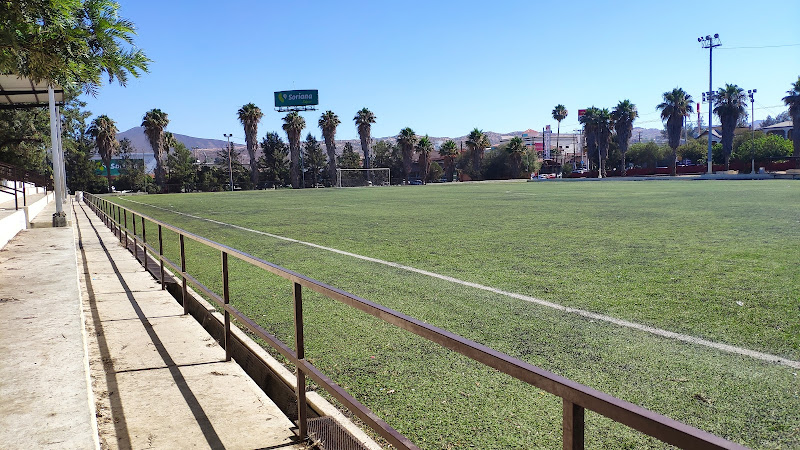
Parque los Encinos
Cto Néstor 65

La Gruta Del Duende.
Find Accommodations Nearby
Recommended Tours & Activities
Visitor Reviews
There are no reviews yet. Be the first one to write one.
Share Your Experience
Have you visited Estación Cultural Xadani? Help other travelers by leaving a review.