
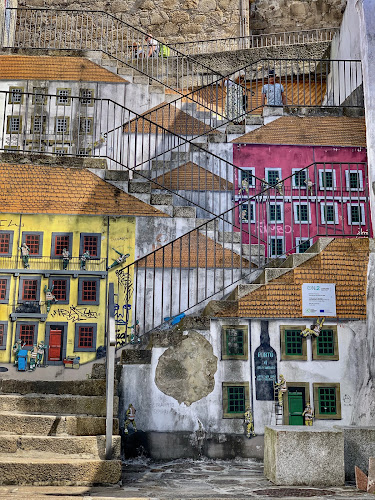
Escadaria da Tv. de Cândido dos Reis
About Escadaria da Tv. de Cândido dos Reis
Description
Escadaria da Tv. de Cândido dos Reis is one of those places that you stumble upon almost by accident and then can’t stop thinking about afterward. Tucked away in the quieter corners of Vila Nova de Gaia, this staircase isn’t flashy or grand in the traditional sense, but it has something far better—character. It’s the kind of spot where the city’s personality seeps through the cracks of old stone steps and into your shoes as you climb. You can feel the rhythm of daily life here—locals chatting on balconies, the faint hum of the Douro River somewhere below, and the occasional burst of laughter echoing off the walls.
The staircase winds its way through a charming slice of the city that feels authentic and unpolished, a refreshing contrast to the more tourist-packed areas across the river in Porto. Some of the walls are decorated with colorful street art—pieces that change over time as local artists leave their mark. It’s like a living gallery, constantly evolving, telling stories of the neighborhood through paint and imagination. And honestly, that’s what makes it so special. You’re not just walking up steps; you’re walking through layers of local culture.
Sure, the steps are steep, and the cobblestones can be uneven (wear good shoes, trust me), but that’s part of the charm. It’s not polished perfection—it’s real. And that authenticity is what draws both travelers and locals who crave a glimpse of the city beyond the postcards. Some visitors come here for photos, others for quiet reflection, but most leave feeling they’ve discovered something that’s still a little under the radar.
Key Features
- Historic stone staircase connecting different levels of Vila Nova de Gaia
- Vibrant street art created by local and visiting artists
- Peaceful atmosphere away from the main tourist crowds
- Picturesque views of old houses and narrow alleyways
- Popular spot for photography and urban exploration
- Authentic glimpse into local life and architecture
What really stands out here is the sense of discovery. You might find a cat lounging on a sunny step, or an elderly resident tending to potted plants that spill over the stairway railings. These small, human details make the place feel alive. It’s not just a staircase—it’s a slice of everyday Gaia life, frozen in time yet always changing.
Best Time to Visit
If you’re anything like me, you’ll want to avoid the midday heat, which can make climbing those steps feel like a workout you didn’t sign up for. Early morning or late afternoon are the sweet spots. The light at those times is soft, golden, and perfect for photos. During spring and autumn, the weather is mild, and the colors of the surrounding buildings seem to pop just a little more. In summer, it’s busier, but still manageable if you go before 10 a.m.
Evenings can be magical too, especially when the city lights start to flicker on. There’s something about standing halfway up the staircase, watching the warm glow spread across the rooftops, that feels quietly cinematic. And if you’re into photography, you’ll want to bring your camera or at least your phone—this place rewards anyone who pays attention to the details.
How to Get There
Reaching Escadaria da Tv. de Cândido dos Reis is surprisingly easy once you know where to look, though it’s not the kind of place that jumps out on a map. The staircase sits on the Gaia side of the Douro River, just a short walk from the waterfront area where the famous Port wine cellars are located. You can cross the Dom Luís I Bridge from Porto on foot—a must-do in itself—and then wander through the narrow backstreets until you find the stairs.
If you’re coming by public transport, several buses stop nearby, and the Jardim do Morro metro station is within walking distance. From there, it’s a short stroll through the quieter residential streets. The route is slightly uphill, but the views along the way more than make up for the effort. Just remember, this is an old part of town—expect cobblestones, uneven surfaces, and the occasional surprise turn. That’s part of the adventure.
For those driving, parking can be tricky. The streets are narrow and not particularly car-friendly, so it’s better to park near the main roads and explore on foot. Besides, walking gives you the chance to really soak in the atmosphere and stumble upon other hidden gems nearby.
Tips for Visiting
First things first—comfortable shoes are non-negotiable. The steps are old and uneven, and while that adds to the charm, it can be tough on your feet if you’re not prepared. Bring water, especially in summer, because there’s little shade along the way. And if you’re visiting in winter, the stone can get slippery, so take it slow.
Another tip: take your time. Don’t rush up or down just to check it off your list. Pause, look around, and notice the small things—the chipped paint on a door, the sound of a distant tram, the smell of freshly baked bread from a nearby café. These moments are what make travel memorable.
If you’re into street photography, this is your playground. The light changes beautifully throughout the day, and the textures—the stone, the paint, the plants—create endless opportunities for interesting shots. Early morning tends to be quiet, with fewer people around, while late afternoon brings a warm, golden glow that makes everything look cinematic.
Accessibility-wise, it’s important to note that the staircase isn’t suitable for wheelchairs or strollers due to its steepness and uneven steps. If mobility is a concern, it’s better to enjoy the area from nearby viewpoints or the lower streets of Gaia.
And one last personal note: don’t be afraid to get a little lost. Some of my favorite travel memories come from wandering aimlessly, and this area rewards curiosity. You might find a tiny café tucked behind a corner or a mural you wouldn’t have seen otherwise. Escadaria da Tv. de Cândido dos Reis is the kind of place that reminds you travel isn’t always about grand monuments—it’s about those quiet, unexpected discoveries that stick with you long after you’ve gone home.
So, go slow, look up, and let the city reveal itself one step at a time. You’ll leave with a few photos, sure, but more importantly, you’ll carry a little piece of Gaia’s soul with you—and that’s something no guidebook can prepare you for.
Key Features
- Historic stone staircase connecting different levels of Vila Nova de Gaia
- Vibrant street art created by local and visiting artists
- Peaceful atmosphere away from the main tourist crowds
- Picturesque views of old houses and narrow alleyways
- Popular spot for photography and urban exploration
- Authentic glimpse into local life and architecture
More Details
Updated November 9, 2025
Table of Contents Escadaria da Tv. de Cândido dos Reis is one of those places that you stumble upon almost by accident and then can’t stop thinking about afterward. Tucked away in the quieter corners of Vila Nova de Gaia, this staircase isn’t flashy or grand in the traditional sense, but it has something far better—character. It’s the kind of spot where the city’s personality seeps through the cracks of old stone steps and into your shoes as you climb. You can feel the rhythm of daily life here—locals chatting on balconies, the faint hum of the Douro River somewhere below, and the occasional burst of laughter echoing off the walls. The staircase winds its way through a charming slice of the city that feels authentic and unpolished, a refreshing contrast to the more tourist-packed areas across the river in Porto. Some of the walls are decorated with colorful street art—pieces that change over time as local artists leave their mark. It’s like a living gallery, constantly evolving, telling stories of the neighborhood through paint and imagination. And honestly, that’s what makes it so special. You’re not just walking up steps; you’re walking through layers of local culture. Sure, the steps are steep, and the cobblestones can be uneven (wear good shoes, trust me), but that’s part of the charm. It’s not polished perfection—it’s real. And that authenticity is what draws both travelers and locals who crave a glimpse of the city beyond the postcards. Some visitors come here for photos, others for quiet reflection, but most leave feeling they’ve discovered something that’s still a little under the radar. What really stands out here is the sense of discovery. You might find a cat lounging on a sunny step, or an elderly resident tending to potted plants that spill over the stairway railings. These small, human details make the place feel alive. It’s not just a staircase—it’s a slice of everyday Gaia life, frozen in time yet always changing. If you’re anything like me, you’ll want to avoid the midday heat, which can make climbing those steps feel like a workout you didn’t sign up for. Early morning or late afternoon are the sweet spots. The light at those times is soft, golden, and perfect for photos. During spring and autumn, the weather is mild, and the colors of the surrounding buildings seem to pop just a little more. In summer, it’s busier, but still manageable if you go before 10 a.m. Evenings can be magical too, especially when the city lights start to flicker on. There’s something about standing halfway up the staircase, watching the warm glow spread across the rooftops, that feels quietly cinematic. And if you’re into photography, you’ll want to bring your camera or at least your phone—this place rewards anyone who pays attention to the details. Reaching Escadaria da Tv. de Cândido dos Reis is surprisingly easy once you know where to look, though it’s not the kind of place that jumps out on a map. The staircase sits on the Gaia side of the Douro River, just a short walk from the waterfront area where the famous Port wine cellars are located. You can cross the Dom Luís I Bridge from Porto on foot—a must-do in itself—and then wander through the narrow backstreets until you find the stairs. If you’re coming by public transport, several buses stop nearby, and the Jardim do Morro metro station is within walking distance. From there, it’s a short stroll through the quieter residential streets. The route is slightly uphill, but the views along the way more than make up for the effort. Just remember, this is an old part of town—expect cobblestones, uneven surfaces, and the occasional surprise turn. That’s part of the adventure. For those driving, parking can be tricky. The streets are narrow and not particularly car-friendly, so it’s better to park near the main roads and explore on foot. Besides, walking gives you the chance to really soak in the atmosphere and stumble upon other hidden gems nearby. First things first—comfortable shoes are non-negotiable. The steps are old and uneven, and while that adds to the charm, it can be tough on your feet if you’re not prepared. Bring water, especially in summer, because there’s little shade along the way. And if you’re visiting in winter, the stone can get slippery, so take it slow. Another tip: take your time. Don’t rush up or down just to check it off your list. Pause, look around, and notice the small things—the chipped paint on a door, the sound of a distant tram, the smell of freshly baked bread from a nearby café. These moments are what make travel memorable. If you’re into street photography, this is your playground. The light changes beautifully throughout the day, and the textures—the stone, the paint, the plants—create endless opportunities for interesting shots. Early morning tends to be quiet, with fewer people around, while late afternoon brings a warm, golden glow that makes everything look cinematic. Accessibility-wise, it’s important to note that the staircase isn’t suitable for wheelchairs or strollers due to its steepness and uneven steps. If mobility is a concern, it’s better to enjoy the area from nearby viewpoints or the lower streets of Gaia. And one last personal note: don’t be afraid to get a little lost. Some of my favorite travel memories come from wandering aimlessly, and this area rewards curiosity. You might find a tiny café tucked behind a corner or a mural you wouldn’t have seen otherwise. Escadaria da Tv. de Cândido dos Reis is the kind of place that reminds you travel isn’t always about grand monuments—it’s about those quiet, unexpected discoveries that stick with you long after you’ve gone home. So, go slow, look up, and let the city reveal itself one step at a time. You’ll leave with a few photos, sure, but more importantly, you’ll carry a little piece of Gaia’s soul with you—and that’s something no guidebook can prepare you for. Description
Key Features
Best Time to Visit
How to Get There
Tips for Visiting
Key Highlights
- Historic stone staircase connecting different levels of Vila Nova de Gaia
- Vibrant street art created by local and visiting artists
- Peaceful atmosphere away from the main tourist crowds
- Picturesque views of old houses and narrow alleyways
- Popular spot for photography and urban exploration
- Authentic glimpse into local life and architecture
Location
Places to Stay Near Escadaria da Tv. de Cândido dos Reis
Find and Book a Tour
Explore More Travel Guides
No reviews found! Be the first to review!
Traveler Reviews for Escadaria da Tv. de Cândido dos Reis
There are no reviews yet. Be the first one to write one.
Have you visited Escadaria da Tv. de Cândido dos Reis? Help other travelers by sharing your review.
You Might Also Like

Soares dos Reis Garden
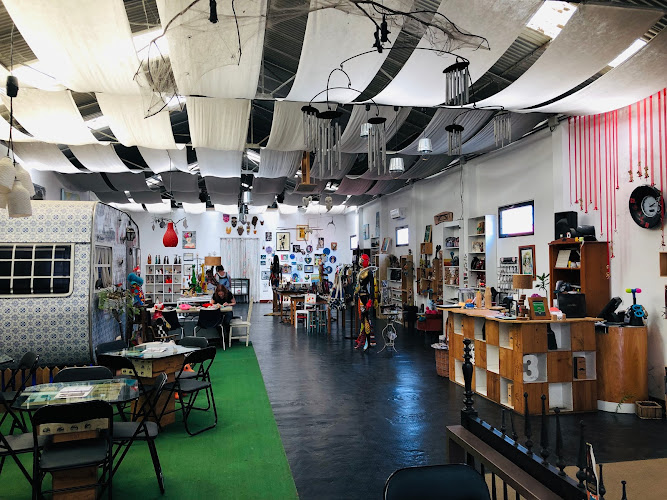
3+ ARTE

Caves Cálem
Find Accommodations Nearby
Recommended Tours & Activities
Visitor Reviews
There are no reviews yet. Be the first one to write one.
Share Your Experience
Have you visited Escadaria da Tv. de Cândido dos Reis? Help other travelers by leaving a review.