

Esbjerg Havn
About Esbjerg Havn
Description
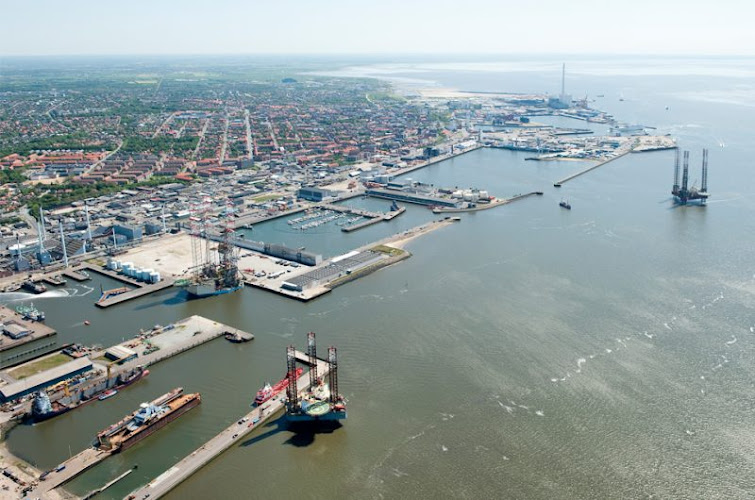
Esbjerg Havn is a place that, truth be told, surprised me the first time I went. You know, you have those expectations that ports are just for shipping containers and workers in neon vests shouting over cranes—but this is not your average, cookie-cutter harbor. It’s Denmark’s largest port on the North Sea, and honestly, it *feels* big in more ways than just surface area. There’s this constant hum of energy, sea air that smells like freedom and adventure, and a sort of low-key friendliness in the people walking about.
I remember standing near the Doggerkaj quay, watching tugboats weave in and out between gigantic supply vessels and ferries, with seagulls hollering overhead. It’s a working port for sure, but travelers will discover that it’s awesome for sightseeing—especially if you’re a fan of ships or anything maritime. There’s an intriguing blend of modern industry and old-school seaworthy charm. And it’s shockingly easy to wander about even if you're not a salty old sea dog. Wheelchair access? Yep, it’s there. Bringing the kids? They're going to be into the sheer scale of the ships—and probably the ice cream stalls nearby, if my nephew is any indicator.
Now, some folks come for the iconic “Man Meets the Sea” sculptures, which, don’t get me wrong, are impressive (they look like they’re thinking deep thoughts about the ocean). But what really gets me is the life of the harbor itself—the quirks, the people who nod hello as you pass by, and the chance to spot ships with far-flung home ports. And if you’re feeling snacky, there are some seafood spots that’ll ruin supermarket fish forever for you.
Sure, it can be busy and yes, there’s the odd gust of North Sea wind that’ll make you re-tie your scarf, but there’s a grounded, real-world feeling about Esbjerg Havn. You leave with your shoes dusted by sea salt and your head full of stories—if you keep your eyes and ears open.
Key Features
- Ship Watching Galore: From hulking offshore wind vessels to sprightly fishing boats, the sheer variety of ships is staggering—great for amateur photographers and curious minds alike.
- Man Meets the Sea Sculptures: Four nine-meter-tall white statues gaze over the sea—a perfect backdrop for those “proof I was here” photos and a nice spot for a mid-walk sit.
- Family-Friendly Atmosphere: There’s plenty of room for kids to run around and, let’s be honest, no one gets bored watching the cargo get loaded and unloaded with giant cranes. It’s like a real-life LEGO city (but with seagulls).
- Accessible for All: Wheelchair-friendly pathways and parking spots mean everyone gets in on the fun, something I notice not all European harbors can claim with confidence.
- Local Eats & Fresh Seafood: Try smoked fish or a loaded shrimp sandwich at one of the harborside kiosks or restaurants. Few things are better than eating sea-caught food while literally staring at the sea.
- Maritime Museum Nearby: Just a short stroll away, you can dig deep into Esbjerg’s seafaring heritage (cracking exhibits on fishing, offshore, and rescue history—plus, interactive stuff for little ones).
- Events and Festivals: Keep an ear out for maritime festivals and local events—nothing like a Danish harbor party, honestly, with music, ships open for visits, and all sorts of fun street food.
- Exceptional Views: On clear days, you can see all the way to Fanø island. And sunsets? Unforgettable, with colors splashed across water and steel.
Best Time to Visit
If you want my honest opinion, Esbjerg Havn is good to visit almost any month (though, hey, pack a jacket whatever the season). Summer—think June through August—is easily the most popular. You get long, lazy Northern evenings, plenty of harbor activity, open-air events, and a higher chance of grabbing gelato without freezing your fingers off. Local families soak up the sun here, and there’s a low-level festive spirit in the air.
But, and here’s a little secret, autumn is my personal favorite. From September into October, the crowds thin, the skies turn dramatic, and you get spectacular stormy light for ship-spotting photos. There’s something poetic about watching mighty vessels braving the North Sea as the winds begin to kick up—a real reminder of nature’s force.
Winter? Not gonna lie, it’s bracing. But if you love that raw, blustery North Sea energy and fewer people in your photos, you’ll find peace in the big open spaces and maybe strike up a conversation with a hardy local walking their dog. Spring, meanwhile, brings in new ships and the town’s energy starts buzzing again.
In short: best time depends on what you love—bustling summer life, moody autumn skies, bracing winter walks, or the fresh buzz of spring. Just dress for the weather; Danish wind does not mess around.
How to Get There
Okay, I’ll keep it practical, because no one wants to start an adventure by getting lost or missing their ferry.
Esbjerg, being a major West Jutland spot, is highly accessible. If you’re coming in by train, the main Esbjerg Station sits just under two kilometers from the harbor—an easy walk or a quick taxi ride, even if you’ve got heavy bags in tow. Buses run regularly from the city center down to the waterfront, and—if you’re able-bodied and the Danish weather isn’t in a bad mood—the walk itself is honestly pleasant. You tend to spot more details on foot, like murals, sculptures, and those funny little seafaring shops with knickknacks for sale.
Drivers, you’re in luck: parking’s generally easy to find, with both short-term and all-day spots available. There’s wheelchair accessible parking too—no more circling endlessly like a lost gull. Cycling in Denmark is basically a national pastime, and there are good, safe bike lanes right up to the quay side.
If you’re arriving from abroad—say, on the ferry from Fanø—just step off the boat and you’re essentially there. International travelers often fly into Billund Airport, which is about an hour’s drive away. Take it from me: the drive’s gorgeous, and the route’s well-marked.
And, hot tip, if you get confused along the way, don’t hesitate to ask a local for directions. Danes are friendly, and they tend to speak English better than my Danish will ever be (believe me, I’ve tried).
Tips for Visiting
Let’s talk nitty-gritty—because the travel gods favor those who come prepared!
- Layer Up: The wind is a legend here. Even on “summer” days, a light jacket or windbreaker will save your trip (and your ears).
- Bring Binoculars: Especially if you like ship-spotting or bird-watching. There’s always something moving out on the water, often ships you won’t see anywhere else because of Esbjerg’s offshore wind industry.
- Cash Is (Sometimes) King: Although cards are widely accepted, some kiosks still prefer coins for quick bites or ice cream.
- Watch for Events: Check ahead for local festivals or open-harbor days—getting to climb aboard a real supply ship is worth timing your trip, trust me. The atmosphere’s very infectious, even if you’re not usually a “crowd” person.
- Comfortable Shoes: The harbor is spread out, and there’s a lot to see. I learned the hard way—don’t turn up in flip-flops unless you enjoy hobbling back to your car with blisters.
- Bring the Kids: Let them burn off steam while you take in the salty views. Some local guides even run little scavenger hunts or storytelling hours for children on weekends.
- Photography Buffs: Early morning or late evening is best for catching golden light on white sculptures and rusty ships. Hey, even your phone cam will make you look talented out here.
- Look For Local Art: Esbjerg Havn sneaks in murals, installations, and quirky statues in unexpected places. Keep your eyes open for creative touches woven into the working landscape.
- Embrace the Pace: Don’t rush. Part of the magic is pausing to watch tugs at work, seals popping up in the bay, or simply the interplay between ocean and industry.
- Respect the Space: Some areas are restricted for safety, so stick to public paths and marked viewpoints. Safety vests
Key Features
- Key Features
- Best Time to Visit
- How to Get There
- Tips for Visiting
More Details
Updated June 25, 2025
Table of Contents
Description
Esbjerg Havn is a place that, truth be told, surprised me the first time I went. You know, you have those expectations that ports are just for shipping containers and workers in neon vests shouting over cranes—but this is not your average, cookie-cutter harbor. It’s Denmark’s largest port on the North Sea, and honestly, it *feels* big in more ways than just surface area. There’s this constant hum of energy, sea air that smells like freedom and adventure, and a sort of low-key friendliness in the people walking about.
I remember standing near the Doggerkaj quay, watching tugboats weave in and out between gigantic supply vessels and ferries, with seagulls hollering overhead. It’s a working port for sure, but travelers will discover that it’s awesome for sightseeing—especially if you’re a fan of ships or anything maritime. There’s an intriguing blend of modern industry and old-school seaworthy charm. And it’s shockingly easy to wander about even if you’re not a salty old sea dog. Wheelchair access? Yep, it’s there. Bringing the kids? They’re going to be into the sheer scale of the ships—and probably the ice cream stalls nearby, if my nephew is any indicator.
Now, some folks come for the iconic “Man Meets the Sea” sculptures, which, don’t get me wrong, are impressive (they look like they’re thinking deep thoughts about the ocean). But what really gets me is the life of the harbor itself—the quirks, the people who nod hello as you pass by, and the chance to spot ships with far-flung home ports. And if you’re feeling snacky, there are some seafood spots that’ll ruin supermarket fish forever for you.
Sure, it can be busy and yes, there’s the odd gust of North Sea wind that’ll make you re-tie your scarf, but there’s a grounded, real-world feeling about Esbjerg Havn. You leave with your shoes dusted by sea salt and your head full of stories—if you keep your eyes and ears open.
Key Features
- Ship Watching Galore: From hulking offshore wind vessels to sprightly fishing boats, the sheer variety of ships is staggering—great for amateur photographers and curious minds alike.
- Man Meets the Sea Sculptures: Four nine-meter-tall white statues gaze over the sea—a perfect backdrop for those “proof I was here” photos and a nice spot for a mid-walk sit.
- Family-Friendly Atmosphere: There’s plenty of room for kids to run around and, let’s be honest, no one gets bored watching the cargo get loaded and unloaded with giant cranes. It’s like a real-life LEGO city (but with seagulls).
- Accessible for All: Wheelchair-friendly pathways and parking spots mean everyone gets in on the fun, something I notice not all European harbors can claim with confidence.
- Local Eats & Fresh Seafood: Try smoked fish or a loaded shrimp sandwich at one of the harborside kiosks or restaurants. Few things are better than eating sea-caught food while literally staring at the sea.
- Maritime Museum Nearby: Just a short stroll away, you can dig deep into Esbjerg’s seafaring heritage (cracking exhibits on fishing, offshore, and rescue history—plus, interactive stuff for little ones).
- Events and Festivals: Keep an ear out for maritime festivals and local events—nothing like a Danish harbor party, honestly, with music, ships open for visits, and all sorts of fun street food.
- Exceptional Views: On clear days, you can see all the way to Fanø island. And sunsets? Unforgettable, with colors splashed across water and steel.
Best Time to Visit
If you want my honest opinion, Esbjerg Havn is good to visit almost any month (though, hey, pack a jacket whatever the season). Summer—think June through August—is easily the most popular. You get long, lazy Northern evenings, plenty of harbor activity, open-air events, and a higher chance of grabbing gelato without freezing your fingers off. Local families soak up the sun here, and there’s a low-level festive spirit in the air.
But, and here’s a little secret, autumn is my personal favorite. From September into October, the crowds thin, the skies turn dramatic, and you get spectacular stormy light for ship-spotting photos. There’s something poetic about watching mighty vessels braving the North Sea as the winds begin to kick up—a real reminder of nature’s force.
Winter? Not gonna lie, it’s bracing. But if you love that raw, blustery North Sea energy and fewer people in your photos, you’ll find peace in the big open spaces and maybe strike up a conversation with a hardy local walking their dog. Spring, meanwhile, brings in new ships and the town’s energy starts buzzing again.
In short: best time depends on what you love—bustling summer life, moody autumn skies, bracing winter walks, or the fresh buzz of spring. Just dress for the weather; Danish wind does not mess around.
How to Get There
Okay, I’ll keep it practical, because no one wants to start an adventure by getting lost or missing their ferry.
Esbjerg, being a major West Jutland spot, is highly accessible. If you’re coming in by train, the main Esbjerg Station sits just under two kilometers from the harbor—an easy walk or a quick taxi ride, even if you’ve got heavy bags in tow. Buses run regularly from the city center down to the waterfront, and—if you’re able-bodied and the Danish weather isn’t in a bad mood—the walk itself is honestly pleasant. You tend to spot more details on foot, like murals, sculptures, and those funny little seafaring shops with knickknacks for sale.
Drivers, you’re in luck: parking’s generally easy to find, with both short-term and all-day spots available. There’s wheelchair accessible parking too—no more circling endlessly like a lost gull. Cycling in Denmark is basically a national pastime, and there are good, safe bike lanes right up to the quay side.
If you’re arriving from abroad—say, on the ferry from Fanø—just step off the boat and you’re essentially there. International travelers often fly into Billund Airport, which is about an hour’s drive away. Take it from me: the drive’s gorgeous, and the route’s well-marked.
And, hot tip, if you get confused along the way, don’t hesitate to ask a local for directions. Danes are friendly, and they tend to speak English better than my Danish will ever be (believe me, I’ve tried).
Tips for Visiting
Let’s talk nitty-gritty—because the travel gods favor those who come prepared!
- Layer Up: The wind is a legend here. Even on “summer” days, a light jacket or windbreaker will save your trip (and your ears).
- Bring Binoculars: Especially if you like ship-spotting or bird-watching. There’s always something moving out on the water, often ships you won’t see anywhere else because of Esbjerg’s offshore wind industry.
- Cash Is (Sometimes) King: Although cards are widely accepted, some kiosks still prefer coins for quick bites or ice cream.
- Watch for Events: Check ahead for local festivals or open-harbor days—getting to climb aboard a real supply ship is worth timing your trip, trust me. The atmosphere’s very infectious, even if you’re not usually a “crowd” person.
- Comfortable Shoes: The harbor is spread out, and there’s a lot to see. I learned the hard way—don’t turn up in flip-flops unless you enjoy hobbling back to your car with blisters.
- Bring the Kids: Let them burn off steam while you take in the salty views. Some local guides even run little scavenger hunts or storytelling hours for children on weekends.
- Photography Buffs: Early morning or late evening is best for catching golden light on white sculptures and rusty ships. Hey, even your phone cam will make you look talented out here.
- Look For Local Art: Esbjerg Havn sneaks in murals, installations, and quirky statues in unexpected places. Keep your eyes open for creative touches woven into the working landscape.
- Embrace the Pace: Don’t rush. Part of the magic is pausing to watch tugs at work, seals popping up in the bay, or simply the interplay between ocean and industry.
- Respect the Space: Some areas are restricted for safety, so stick to public paths and marked viewpoints. Safety vests
Key Highlights
- Key Features
- Best Time to Visit
- How to Get There
- Tips for Visiting
Location
Places to Stay Near Esbjerg Havn
Find and Book a Tour
Explore More Travel Guides
No reviews found! Be the first to review!
Traveler Reviews for Esbjerg Havn
There are no reviews yet. Be the first one to write one.
Have you visited Esbjerg Havn? Help other travelers by sharing your review.
You Might Also Like

Esbjerg Vandtårn
Esbjerg
Esbjerg Art Museum
Find Accommodations Nearby
Recommended Tours & Activities
Visitor Reviews
There are no reviews yet. Be the first one to write one.
Share Your Experience
Have you visited Esbjerg Havn? Help other travelers by leaving a review.