

Erie Art Museum
About Erie Art Museum
Description
The Erie Art Museum sits as a cultural anchor in Erie, Pennsylvania, offering an approachable mix of rotating exhibitions, film screenings, hands-on classes, and a frame shop that many visitors swear by. The museum balances contemporary work with historical pieces, so a quick stop can turn into a three-hour deep dive if curiosity bites. It is an art museum that tries to be useful as well as inspiring: there are programs for kids, occasional live performances, and an on-site theater for screenings that bring a different texture to the typical gallery experience.
Visiting the museum feels less like stepping into a quiet relic and more like entering a practiced community studio. There are classrooms where local artists teach printmaking and figure drawing. There is a frame shop, yes, where staff will patiently explain mat choices and why acid-free backing matters — boring to some, gold to others. The museum also hosts film nights and performance art; those events often attract a younger, engaged crowd from the city and the college nearby. Accessibility is clearly a priority: there are wheelchair-accessible entrances, restrooms, and parking, plus the kind of staff that will help someone navigate the layout without sounding rehearsed.
One thing that surprises many first-time visitors is how family-friendly the place is. Parents who expect hushed voices find interactive corners for kids and reasonably paced exhibits. LGBTQ+ friendliness is noticeable in the programming and the staff attitude; it’s a place where inclusivity is more than a poster on the wall. Practical amenities like Wi-Fi and gender-neutral restrooms make stays comfortable. There is an admission fee, but frequent visitors can find membership or season-pass options that save money and build a relationship with the museum over time.
That said, like any institution, it has its moments of friction. Some exhibits are bold and provoke conversation; some visitors wish for more clarity in labeling or better signage. But those debates are part of the charm. The museum’s personality comes through in small things: the way volunteers greet regulars by name; the aroma of coffee wafting from a popup table during opening nights; the local artist chalking a sidewalk sketch just outside the entrance. Those little, human touches are why many people return.
Key Features
- Multiple rotating art exhibits spanning contemporary and historical works
- Regular film screenings in a dedicated theater space
- Frame shop offering professional framing and conservation advice
- Ongoing classes and workshops for adults and children, including printmaking and life drawing
- Live performances and community events that activate galleries at night
- Onsite gift shop with locally made items and affordable prints
- Wheelchair-accessible entrance, parking, and restrooms; wheelchair rental available
- Gender-neutral restroom and family-friendly facilities
- Active military discounts and community-oriented pricing
- Guided tours available to help visitors make the most of each visit
- Free Wi-Fi for visitors who like to share images and notes instantly
Best Time to Visit
Timing a visit can change the whole experience. For quieter exploration, weekday afternoons are ideal. Galleries are less crowded, the docents have time to answer questions, and parking is typically easier. But if someone wants to feel the museum hum with energy, time the visit around an opening reception, a film screening, or a live performance — usually scheduled on weekend evenings. Those nights have a different vibe: more conversation, more local artists, and occasionally food trucks or pop-up vendors outside.
Seasonally, exhibitions tend to rotate in blocks of several months, which means there is always something new to see every couple of visits. Spring and early fall often bring the most community programming, like family days and educational series, because the weather makes it easier for people to combine gallery time with a stroll around the neighborhood. Winter can be quieter, but that’s when one can linger in front of a favorite piece without competing for space. So it depends on mood: solitude or social energy. Either way, the museum rewards both.
How to Get There
Visitors arrive at the museum by car, public transit, bike, or on foot. The building is reachable from downtown Erie, and it’s convenient enough for a spontaneous stop during an afternoon of city wandering. For drivers, there is accessible parking nearby; signage generally points toward main entrances. Public transportation routes serve the area, and using the local bus can be a stress-free option for those unfamiliar with city parking. Cyclists will find bike racks in the vicinity, and during warmer weather, a lot of locals opt to pedal over and lock up quickly before heading inside.
If arriving from out of town, the museum is a short ride from major commuter routes and well-connected to the city’s pedestrian grid. Taxi and rideshare services are readily available in Erie and drop-off points are close to the entrance. For those traveling with family gear or mobility devices, staff are typically helpful with directions and quick assistance at the door. Pro tip: park a little farther away on the street if the lot is full; a ten-minute walk often reveals charming side streets with murals and coffee shops worth a detour.
Tips for Visiting
Plan ahead but leave room for surprises. Checking the museum’s current exhibit lineup before arriving helps if someone is chasing a particular show. Yet, the best discoveries often come unplanned: a small gallery tucked around a corner, an artist talk happening that afternoon, or a class with only a handful of participants that turns into a memorable creative moment. Snap a few photos where allowed; many people enjoy documenting special encounters and sharing them with friends. But do respect gallery rules — flash and tripods usually aren’t welcome.
Bring comfortable shoes. Gallery floors can be deceptively big, and once a visitor starts exploring, they tend to keep going. And bring a notebook or phone to jot down an artist name or a website — it’s easy to forget. Families should ask about kids’ activity sheets or family days; several programs specifically engage younger visitors with tactile projects and guided tours designed for short attention spans. Speaking of which, the museum often runs workshops that sell out, so advance booking is a wise move for classes and special screenings.
For visitors who like context, guided tours are a real plus. Docents and educators add layers of meaning that aren’t always obvious from labels. They often share stories about acquisitions, highlight connections among works, and point out technical details that casual observers can miss. And if a visitor is considering framing work back home, a stop at the frame shop can be unexpectedly helpful. Even if someone doesn’t buy a frame, learning a bit about archival materials is useful for preserving artwork collected on trips.
Accessibility matters here. The museum has ramps, accessible restrooms, and staff trained to assist. If a visitor has specific mobility needs, it’s worth calling ahead to confirm services on the day of arrival. There are also gender-neutral restrooms and spaces that feel safe and welcoming to LGBTQ+ visitors; the museum has cultivated that atmosphere intentionally. Military families should remember to ask about discounts; they are real and appreciated by those who serve.
Budget-conscious travelers can look for discounted admission times and community days. Many cultural institutions offer free or reduced admission at specific times each month, and the Erie Art Museum participates in programs that make art more accessible. Memberships are also a good deal for repeated visitors and collectors — often they include perks like early access to new exhibits, member-only events, and discounts at the gift shop and frame shop.
Finally, allow time after the visit to linger nearby. The surrounding neighborhood has cafes and small eateries where conversations about favorite works can continue over coffee or a light meal. That little pause — stretching legs, swapping impressions — often makes the visit feel complete. A museum visit is rarely just a set of images seen and remembered; it becomes a short-lived community where ideas get kicked around, opinions are formed, and plans for future visits are plotted. In short, come curious, leave satisfied, and maybe bring a friend who will argue with you about which piece should hang over the couch.
Key Features
- Multiple rotating art exhibits spanning contemporary and historical works
- Regular film screenings in a dedicated theater space
- Frame shop offering professional framing and conservation advice
- Ongoing classes and workshops for adults and children, including printmaking and life drawing
- Live performances and community events that activate galleries at night
- Onsite gift shop with locally made items and affordable prints
- Wheelchair-accessible entrance, parking, and restrooms; wheelchair rental available
- Gender-neutral restroom and family-friendly facilities
More Details
Updated August 30, 2025
Table of Contents
Description
The Erie Art Museum sits as a cultural anchor in Erie, Pennsylvania, offering an approachable mix of rotating exhibitions, film screenings, hands-on classes, and a frame shop that many visitors swear by. The museum balances contemporary work with historical pieces, so a quick stop can turn into a three-hour deep dive if curiosity bites. It is an art museum that tries to be useful as well as inspiring: there are programs for kids, occasional live performances, and an on-site theater for screenings that bring a different texture to the typical gallery experience.
Visiting the museum feels less like stepping into a quiet relic and more like entering a practiced community studio. There are classrooms where local artists teach printmaking and figure drawing. There is a frame shop, yes, where staff will patiently explain mat choices and why acid-free backing matters — boring to some, gold to others. The museum also hosts film nights and performance art; those events often attract a younger, engaged crowd from the city and the college nearby. Accessibility is clearly a priority: there are wheelchair-accessible entrances, restrooms, and parking, plus the kind of staff that will help someone navigate the layout without sounding rehearsed.
One thing that surprises many first-time visitors is how family-friendly the place is. Parents who expect hushed voices find interactive corners for kids and reasonably paced exhibits. LGBTQ+ friendliness is noticeable in the programming and the staff attitude; it’s a place where inclusivity is more than a poster on the wall. Practical amenities like Wi-Fi and gender-neutral restrooms make stays comfortable. There is an admission fee, but frequent visitors can find membership or season-pass options that save money and build a relationship with the museum over time.
That said, like any institution, it has its moments of friction. Some exhibits are bold and provoke conversation; some visitors wish for more clarity in labeling or better signage. But those debates are part of the charm. The museum’s personality comes through in small things: the way volunteers greet regulars by name; the aroma of coffee wafting from a popup table during opening nights; the local artist chalking a sidewalk sketch just outside the entrance. Those little, human touches are why many people return.
Key Features
- Multiple rotating art exhibits spanning contemporary and historical works
- Regular film screenings in a dedicated theater space
- Frame shop offering professional framing and conservation advice
- Ongoing classes and workshops for adults and children, including printmaking and life drawing
- Live performances and community events that activate galleries at night
- Onsite gift shop with locally made items and affordable prints
- Wheelchair-accessible entrance, parking, and restrooms; wheelchair rental available
- Gender-neutral restroom and family-friendly facilities
- Active military discounts and community-oriented pricing
- Guided tours available to help visitors make the most of each visit
- Free Wi-Fi for visitors who like to share images and notes instantly
Best Time to Visit
Timing a visit can change the whole experience. For quieter exploration, weekday afternoons are ideal. Galleries are less crowded, the docents have time to answer questions, and parking is typically easier. But if someone wants to feel the museum hum with energy, time the visit around an opening reception, a film screening, or a live performance — usually scheduled on weekend evenings. Those nights have a different vibe: more conversation, more local artists, and occasionally food trucks or pop-up vendors outside.
Seasonally, exhibitions tend to rotate in blocks of several months, which means there is always something new to see every couple of visits. Spring and early fall often bring the most community programming, like family days and educational series, because the weather makes it easier for people to combine gallery time with a stroll around the neighborhood. Winter can be quieter, but that’s when one can linger in front of a favorite piece without competing for space. So it depends on mood: solitude or social energy. Either way, the museum rewards both.
How to Get There
Visitors arrive at the museum by car, public transit, bike, or on foot. The building is reachable from downtown Erie, and it’s convenient enough for a spontaneous stop during an afternoon of city wandering. For drivers, there is accessible parking nearby; signage generally points toward main entrances. Public transportation routes serve the area, and using the local bus can be a stress-free option for those unfamiliar with city parking. Cyclists will find bike racks in the vicinity, and during warmer weather, a lot of locals opt to pedal over and lock up quickly before heading inside.
If arriving from out of town, the museum is a short ride from major commuter routes and well-connected to the city’s pedestrian grid. Taxi and rideshare services are readily available in Erie and drop-off points are close to the entrance. For those traveling with family gear or mobility devices, staff are typically helpful with directions and quick assistance at the door. Pro tip: park a little farther away on the street if the lot is full; a ten-minute walk often reveals charming side streets with murals and coffee shops worth a detour.
Tips for Visiting
Plan ahead but leave room for surprises. Checking the museum’s current exhibit lineup before arriving helps if someone is chasing a particular show. Yet, the best discoveries often come unplanned: a small gallery tucked around a corner, an artist talk happening that afternoon, or a class with only a handful of participants that turns into a memorable creative moment. Snap a few photos where allowed; many people enjoy documenting special encounters and sharing them with friends. But do respect gallery rules — flash and tripods usually aren’t welcome.
Bring comfortable shoes. Gallery floors can be deceptively big, and once a visitor starts exploring, they tend to keep going. And bring a notebook or phone to jot down an artist name or a website — it’s easy to forget. Families should ask about kids’ activity sheets or family days; several programs specifically engage younger visitors with tactile projects and guided tours designed for short attention spans. Speaking of which, the museum often runs workshops that sell out, so advance booking is a wise move for classes and special screenings.
For visitors who like context, guided tours are a real plus. Docents and educators add layers of meaning that aren’t always obvious from labels. They often share stories about acquisitions, highlight connections among works, and point out technical details that casual observers can miss. And if a visitor is considering framing work back home, a stop at the frame shop can be unexpectedly helpful. Even if someone doesn’t buy a frame, learning a bit about archival materials is useful for preserving artwork collected on trips.
Accessibility matters here. The museum has ramps, accessible restrooms, and staff trained to assist. If a visitor has specific mobility needs, it’s worth calling ahead to confirm services on the day of arrival. There are also gender-neutral restrooms and spaces that feel safe and welcoming to LGBTQ+ visitors; the museum has cultivated that atmosphere intentionally. Military families should remember to ask about discounts; they are real and appreciated by those who serve.
Budget-conscious travelers can look for discounted admission times and community days. Many cultural institutions offer free or reduced admission at specific times each month, and the Erie Art Museum participates in programs that make art more accessible. Memberships are also a good deal for repeated visitors and collectors — often they include perks like early access to new exhibits, member-only events, and discounts at the gift shop and frame shop.
Finally, allow time after the visit to linger nearby. The surrounding neighborhood has cafes and small eateries where conversations about favorite works can continue over coffee or a light meal. That little pause — stretching legs, swapping impressions — often makes the visit feel complete. A museum visit is rarely just a set of images seen and remembered; it becomes a short-lived community where ideas get kicked around, opinions are formed, and plans for future visits are plotted. In short, come curious, leave satisfied, and maybe bring a friend who will argue with you about which piece should hang over the couch.
Key Highlights
- Multiple rotating art exhibits spanning contemporary and historical works
- Regular film screenings in a dedicated theater space
- Frame shop offering professional framing and conservation advice
- Ongoing classes and workshops for adults and children, including printmaking and life drawing
- Live performances and community events that activate galleries at night
- Onsite gift shop with locally made items and affordable prints
- Wheelchair-accessible entrance, parking, and restrooms; wheelchair rental available
- Gender-neutral restroom and family-friendly facilities
Location
Places to Stay Near Erie Art Museum
Find and Book a Tour
Explore More Travel Guides
No reviews found! Be the first to review!
Traveler Reviews for Erie Art Museum
There are no reviews yet. Be the first one to write one.
Have you visited Erie Art Museum? Help other travelers by sharing your review.
You Might Also Like
Frontier Park
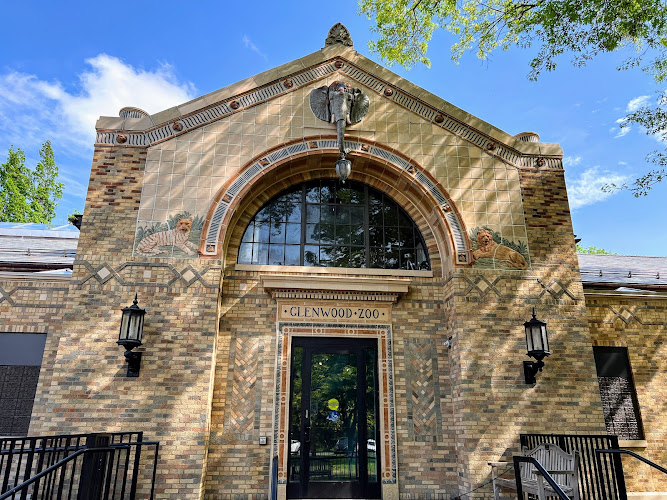
Erie Zoo
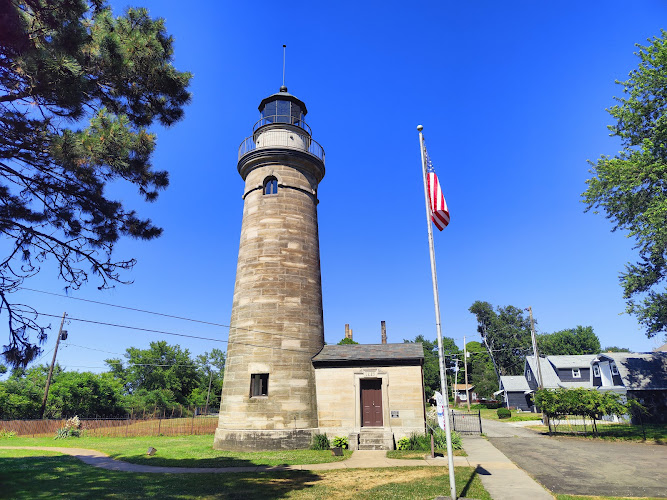
Erie Land Lighthouse
Find Accommodations Nearby
Recommended Tours & Activities
Visitor Reviews
There are no reviews yet. Be the first one to write one.
Share Your Experience
Have you visited Erie Art Museum? Help other travelers by leaving a review.