About Emir of Ilorin’s Palace

Description

The Emir of Ilorin’s Palace is more than just a royal residence; it’s a living museum that breathes the culture, history, and traditions of Ilorin. For travelers curious about Nigeria’s deep-rooted heritage, this palace offers one of the most authentic glimpses into the city’s past. Walking through its gates, you immediately feel the weight of centuries—stories of kingship, resilience, and community pride are etched into every corner. I remember the first time I stepped onto its grounds; it wasn’t just the grandeur that struck me, but the sense of calm and respect that seemed to hang in the air.

The palace is known for its unique architecture, blending Islamic influences with local Yoruba and Fulani styles. It’s not overly polished like some modern attractions, and that’s honestly what makes it special. You’ll notice details that feel raw and real—traditional carvings, symbolic motifs, and even the famous four ancient pillars that locals often speak about with reverence. Some visitors rave about its historical significance, while others might say the upkeep could be better. And that’s fair. But if you’re the kind of traveler who values authenticity over perfection, this palace will leave a lasting impression.

Accessibility is thoughtfully considered here, with wheelchair-friendly entrances and parking, which makes it more welcoming than many other historic sites in Nigeria. There’s also a quiet effort toward sustainability, like clothing recycling initiatives, showing that the palace is not just about preserving the past but also thinking about the future. It’s a place where tradition and modern responsibility meet in subtle ways.

Key Features

  • Rich historical artifacts that tell the story of Ilorin’s rulers and people
  • Distinctive architecture combining Islamic, Yoruba, and Fulani influences
  • The iconic four ancient pillars, considered symbols of tradition and continuity
  • Spacious royal courtyard often used for cultural gatherings and ceremonies
  • Accessibility features including wheelchair-friendly entrances and parking
  • Community-focused initiatives like clothing recycling
  • A serene atmosphere that contrasts with the bustle of Ilorin city life

Best Time to Visit

If you’re planning a trip, timing matters. The palace is open year-round, but the experience can vary depending on when you go. Personally, I’d recommend visiting during the dry season, between November and March. The weather is more forgiving, and you won’t have to worry about sudden downpours disrupting your tour. During Ramadan or Eid celebrations, the palace and its surroundings come alive with cultural energy and traditional displays—you’ll get a richer sense of community life, though it can be more crowded. On quieter weekdays, you might find yourself exploring in relative peace, which gives you more time to soak in the details without distraction.

How to Get There

Reaching the Emir of Ilorin’s Palace is fairly straightforward if you’re already in Ilorin. Most locals know the palace well, so asking for directions is never an issue. Taxis and ride-hailing services are reliable options, and if you’re the adventurous type, hopping on a local motorcycle taxi (okada) can be both fun and fast. For those coming from outside Kwara State, Ilorin has a domestic airport with connections to major Nigerian cities, and from there it’s a short drive into town. Roads are generally accessible, though traffic can be unpredictable, especially during market days. My advice? Head out early in the morning to beat the rush and enjoy a calmer arrival.

Tips for Visiting

A few practical tips can make your visit smoother and more rewarding. First, dress modestly and respectfully—this is not just a tourist attraction but a functioning royal residence with deep cultural and religious significance. Bringing a local guide is a smart move; they’ll help you understand the symbolism behind what you’re seeing, and you’ll probably hear stories you won’t find in any guidebook.

Photography is usually allowed in the outer areas, but always ask before snapping pictures inside or during ceremonies. It’s a matter of respect. Carry some cash too—while entry is often free, small donations or tips are appreciated and go a long way in supporting the upkeep of the palace. And don’t rush your visit. Spend time observing the details: the carvings, the layout of the courtyard, even the way locals interact with the space. It’s in those quiet moments that the palace feels most alive.

One last thing: go with an open mind. Some travelers expect a polished, museum-like experience and leave underwhelmed. But the real charm of the Emir of Ilorin’s Palace lies in its imperfections, its living traditions, and the fact that it’s still very much a part of everyday life in Ilorin. If you approach it with curiosity and respect, you’ll walk away with more than just photos—you’ll carry a piece of Ilorin’s story with you.
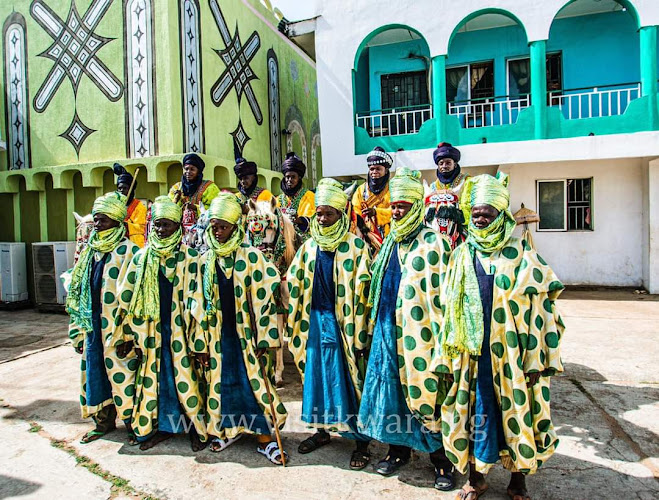

Key Features

  • Rich historical artifacts that tell the story of Ilorin’s rulers and people
  • Distinctive architecture combining Islamic, Yoruba, and Fulani influences
  • The iconic four ancient pillars, considered symbols of tradition and continuity
  • Spacious royal courtyard often used for cultural gatherings and ceremonies
  • Accessibility features including wheelchair-friendly entrances and parking
  • Community-focused initiatives like clothing recycling
  • A serene atmosphere that contrasts with the bustle of Ilorin city life

More Details

Updated September 23, 2025


Description

The Emir of Ilorin’s Palace is more than just a royal residence; it’s a living museum that breathes the culture, history, and traditions of Ilorin. For travelers curious about Nigeria’s deep-rooted heritage, this palace offers one of the most authentic glimpses into the city’s past. Walking through its gates, you immediately feel the weight of centuries—stories of kingship, resilience, and community pride are etched into every corner. I remember the first time I stepped onto its grounds; it wasn’t just the grandeur that struck me, but the sense of calm and respect that seemed to hang in the air.

The palace is known for its unique architecture, blending Islamic influences with local Yoruba and Fulani styles. It’s not overly polished like some modern attractions, and that’s honestly what makes it special. You’ll notice details that feel raw and real—traditional carvings, symbolic motifs, and even the famous four ancient pillars that locals often speak about with reverence. Some visitors rave about its historical significance, while others might say the upkeep could be better. And that’s fair. But if you’re the kind of traveler who values authenticity over perfection, this palace will leave a lasting impression.

Accessibility is thoughtfully considered here, with wheelchair-friendly entrances and parking, which makes it more welcoming than many other historic sites in Nigeria. There’s also a quiet effort toward sustainability, like clothing recycling initiatives, showing that the palace is not just about preserving the past but also thinking about the future. It’s a place where tradition and modern responsibility meet in subtle ways.

Key Features

  • Rich historical artifacts that tell the story of Ilorin’s rulers and people
  • Distinctive architecture combining Islamic, Yoruba, and Fulani influences
  • The iconic four ancient pillars, considered symbols of tradition and continuity
  • Spacious royal courtyard often used for cultural gatherings and ceremonies
  • Accessibility features including wheelchair-friendly entrances and parking
  • Community-focused initiatives like clothing recycling
  • A serene atmosphere that contrasts with the bustle of Ilorin city life

Best Time to Visit

If you’re planning a trip, timing matters. The palace is open year-round, but the experience can vary depending on when you go. Personally, I’d recommend visiting during the dry season, between November and March. The weather is more forgiving, and you won’t have to worry about sudden downpours disrupting your tour. During Ramadan or Eid celebrations, the palace and its surroundings come alive with cultural energy and traditional displays—you’ll get a richer sense of community life, though it can be more crowded. On quieter weekdays, you might find yourself exploring in relative peace, which gives you more time to soak in the details without distraction.

How to Get There

Reaching the Emir of Ilorin’s Palace is fairly straightforward if you’re already in Ilorin. Most locals know the palace well, so asking for directions is never an issue. Taxis and ride-hailing services are reliable options, and if you’re the adventurous type, hopping on a local motorcycle taxi (okada) can be both fun and fast. For those coming from outside Kwara State, Ilorin has a domestic airport with connections to major Nigerian cities, and from there it’s a short drive into town. Roads are generally accessible, though traffic can be unpredictable, especially during market days. My advice? Head out early in the morning to beat the rush and enjoy a calmer arrival.

Tips for Visiting

A few practical tips can make your visit smoother and more rewarding. First, dress modestly and respectfully—this is not just a tourist attraction but a functioning royal residence with deep cultural and religious significance. Bringing a local guide is a smart move; they’ll help you understand the symbolism behind what you’re seeing, and you’ll probably hear stories you won’t find in any guidebook.

Photography is usually allowed in the outer areas, but always ask before snapping pictures inside or during ceremonies. It’s a matter of respect. Carry some cash too—while entry is often free, small donations or tips are appreciated and go a long way in supporting the upkeep of the palace. And don’t rush your visit. Spend time observing the details: the carvings, the layout of the courtyard, even the way locals interact with the space. It’s in those quiet moments that the palace feels most alive.

One last thing: go with an open mind. Some travelers expect a polished, museum-like experience and leave underwhelmed. But the real charm of the Emir of Ilorin’s Palace lies in its imperfections, its living traditions, and the fact that it’s still very much a part of everyday life in Ilorin. If you approach it with curiosity and respect, you’ll walk away with more than just photos—you’ll carry a piece of Ilorin’s story with you.

Key Highlights

  • Rich historical artifacts that tell the story of Ilorin’s rulers and people
  • Distinctive architecture combining Islamic, Yoruba, and Fulani influences
  • The iconic four ancient pillars, considered symbols of tradition and continuity
  • Spacious royal courtyard often used for cultural gatherings and ceremonies
  • Accessibility features including wheelchair-friendly entrances and parking
  • Community-focused initiatives like clothing recycling
  • A serene atmosphere that contrasts with the bustle of Ilorin city life

Location

Places to Stay Near Emir of Ilorin’s Palace

Find and Book a Tour

Explore More Travel Guides

No reviews found! Be the first to review!

Traveler Reviews for Emir of Ilorin’s Palace

There are no reviews yet. Be the first one to write one.

Share Your Experience

Have you visited Emir of Ilorin’s Palace? Help other travelers by sharing your review.

Find Accommodations Nearby

Recommended Tours & Activities

Visitor Reviews

There are no reviews yet. Be the first one to write one.

Share Your Experience

Have you visited Emir of Ilorin’s Palace? Help other travelers by leaving a review.