
Embekka Dewalaya
About Embekka Dewalaya
Key Features
More Details
Updated June 11, 2025
## Embekka Dewalaya (Embekke Devalaya): What to Know Before You Go
Embekka Dewalaya—often spelled Embekke Devalaya—is a historic shrine complex in Sri Lanka’s Kandy District, in the Udunuwara area. It’s widely known for its wooden pillars and carved structural details, especially in the Drummers’ Hall, which draws most visitors for close-up viewing of the craftsmanship.
If you’re building a Kandy-area itinerary that goes beyond the headline stops, Embekka is one of the strongest “small-site, high-impact” cultural visits—particularly if you care about material culture: joinery, roof engineering, iconography, and the storytelling hidden in carved panels.
—
## Quick facts (from the details you provided + corroborated references)
– Name: Embekka Dewalaya / Embekke Devalaya
– Region: Udunuwara (Kandy District), Sri Lanka
– Type: Devalaya / shrine complex (often described as Buddhist + Hindu-adjacent worship in local practice)
– Associated deities: Kataragama Deviyo and Devatha Bandara
– Commonly cited origin: Built in the Gampola era and associated with King Vikramabahu III
– Rating (your dataset): 4.6
– Coordinates (your dataset): 7.2179444, 80.5677111
—
## Why Embekka stands out: the site’s “signal” is the woodwork
Many Sri Lankan religious sites impress through scale, gilding, or relic status. Embekka’s power is different: it’s a masterclass in wood carving as architecture, not “decoration.”
### The three named sections you’ll hear about on-site
References commonly describe the shrine as consisting of three parts:
– Sanctum of Garagha
– Digge (often glossed as a dancing hall)
– Hevisi Mandapaya (commonly called the Drummers’ Hall)
The Drummers’ Hall is the magnet. Visitors focus on the pillars and their carved elements—both the panels at eye level and the carved components near the tops of pillars.
### A specific engineering detail worth looking up at the roofline
One notable feature described in references is a roof-joining element called a “Madol Kurupawa”—a kind of central catch-pin that secures multiple beams/rafters. Even if you’re not an architecture nerd, it’s the sort of detail that makes you slow down and actually look up.
—
## How to visit with intention (and actually “read” what you’re seeing)
### 1) Treat the carvings like a gallery—start at eye level
The most rewarding pass is slow and close:
– Start with the square/rectangular panels on pillars at about chest-to-eye level.
– Then move upward to carved sections near the top of pillars (often highlighted in descriptions of the site’s woodwork).
You don’t need to decode every motif to enjoy it. The value is in noticing variation—repeated structural forms that still avoid repetition in carved detail.
### 2) Then zoom out: carvings as “structure,” not “ornament”
What’s easy to miss on a quick walk-through is that much of what you’re admiring is integral to the building—posts, beams, roof members—meaning the artistry is literally part of how the place stands.
### 3) Bring the right mindset: this is a living worship space
Because Embekka is associated with revered figures in local religious practice (including Kataragama Deviyo), behave as you would in any active sacred site:
– Dress respectfully (cover shoulders/knees if you can).
– Keep voices down.
– Don’t block paths or entrances for photos.
– If someone is praying or making an offering, give them space and time.
That approach is inclusive by default: it respects practitioners across traditions without assuming what anyone believes.
—
## Practical planning notes (with an honesty check on what’s changeable)
### Opening hours + entrance fees: expect variability
You’ll see conflicting information online about hours and fees. For example, one travel site lists 8:00 AM–5:00 PM and “free,” while another source claims different hours and a paid ticket. Vacation
What’s safe to say:
– Verify same-day locally (or with your driver/host) because policies can change and online listings often drift out of date.
### Time on-site
Many visitors treat Embekka as a short cultural stop focused on the carved hall(s). If you’re into craft, give it longer than the “quick photo” crowd—there’s real payoff in revisiting a row of pillars twice, noticing patterns you missed.
### Accessibility considerations
Older shrine complexes commonly involve uneven surfaces and steps. If anyone in your group uses mobility aids, plan conservatively and expect limited step-free access in some areas. (This is a general site-type reality; confirm specifics on arrival.)
—
## Historical notes you can repeat without guessing
– Embekka Devalaya is commonly described as built in the Gampola era and linked to King Vikramabahu III.
– The site is dedicated to Kataragama Deviyo (a form often linked with Kartikeya) and also venerates Devatha Bandara.
– Some references note that while the site is tied to the 14th century, elements of the carved pillars are associated with later periods (repairs/modifications over time are also discussed). Treat fine-grained dating claims as interpretive unless you’re consulting an on-site or academic source.
—
## Suggested internal links for RealJourneyTravels.com (contextual, non-spammy)
If these pages exist (or you plan to create them), they fit naturally in this article:
– Kandy travel guide: /destinations/sri-lanka/kandy/
– Temple of the Tooth (Sri Dalada Maligawa) guide: /destinations/sri-lanka/kandy/temple-of-the-tooth/
—
## Outdated-data flags (so your post stays accurate)
– Hours/fees are inconsistent across sources—state clearly that travelers should confirm locally. Vacation
– Be cautious with broad claims like “UNESCO confirmed…” unless you’re citing a primary UNESCO listing or official document. Several secondary pages make sweeping statements; I did not rely on those as facts.
—
If you want, paste the two internal-link URLs you actually use on RealJourneyTravels.com (your exact slugs), and I’ll swap the placeholders and tighten the anchor text so it reads fully native to your site architecture.
Table of Contents
Key Highlights
Embekka Dewalaya
Location
Places to Stay Near Embekka Dewalaya"Things to learn and remember"
Find and Book a Tour
Explore More Travel Guides
No reviews found! Be the first to review!
Traveler Reviews for Embekka Dewalaya
There are no reviews yet. Be the first one to write one.
Have you visited Embekka Dewalaya? Help other travelers by sharing your review.
You Might Also Like
Kandy Unesco Signage
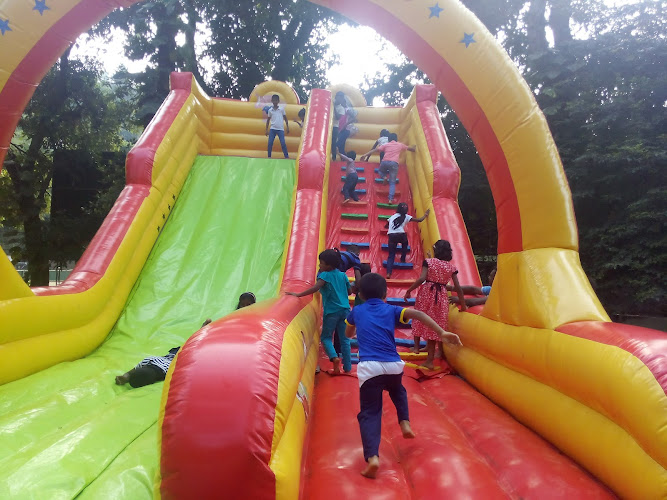
E.L Senanayake Children's Park
Kataragama Devalaya
Find Accommodations Nearby
Recommended Tours & Activities
Visitor Reviews
There are no reviews yet. Be the first one to write one.
Share Your Experience
Have you visited Embekka Dewalaya? Help other travelers by leaving a review.