
Eastgate Clock
About Eastgate Clock
Description
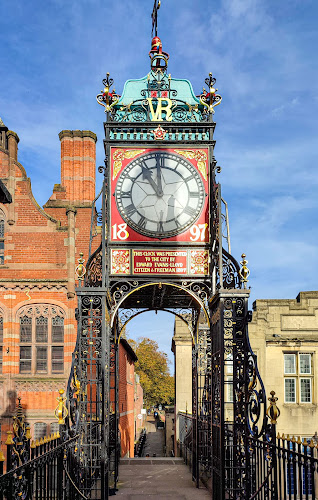
The Eastgate Clock is one of those quirky little gems that manages to capture your attention the moment you spot it, and honestly, it’s hard not to. Sitting proudly above a Georgian archway, this turret clock is a Victorian-era marvel that’s been ticking away since the late 19th century. It’s not just any clock; it’s a piece of history perched right in the heart of the city, and it’s often hailed as one of the most photographed clocks in England after Big Ben. I remember the first time I stumbled upon it—it was one of those unexpected moments where history and everyday life collide perfectly. The intricate ironwork, the golden details catching the sunlight, and the way the clock seems to watch over the bustling streets below—it’s like a silent storyteller from another era.
Now, this isn’t just a pretty face. The Eastgate Clock was built to commemorate Queen Victoria’s Diamond Jubilee, which adds a layer of royal significance to its already rich history. It stands on the site of the original Roman entrance to the city, so you’re literally looking at a spot where ancient and Victorian times meet. That blend of eras gives the place a sort of timeless charm that’s hard to find anywhere else. But, fair warning, if you’re expecting a giant clock tower with bells ringing every hour, this isn’t quite that. It’s more subtle, more elegant, and honestly, that’s part of its appeal.
For families, it’s a surprisingly kid-friendly spot. The clock itself might not fascinate the tiny tots for hours, but the surrounding area has enough hustle and bustle to keep them entertained. Plus, the history buffs in your group will appreciate the layers of stories embedded in the very bricks and ironwork of the Eastgate. Just a heads up, though—the entrance to the clock area isn’t wheelchair accessible, which can be a bit of a downer for visitors with mobility challenges. Something to keep in mind when planning your visit.
Overall, the Eastgate Clock offers a unique slice of history wrapped in Victorian elegance and city life. It’s not just a landmark; it’s a conversation starter, a photo op, and a reminder of the city’s rich past that still ticks on today.
Key Features
- Victorian turret clock built in 1897 to celebrate Queen Victoria’s Diamond Jubilee
- Positioned atop a Georgian arch marking the original Roman entrance to the city
- Striking ironwork with gold leaf accents that gleam in sunlight
- One of the most photographed clocks in England after Big Ben
- Rich historical significance blending Roman, Georgian, and Victorian eras
- Located in a lively city center area with plenty of nearby cafes and shops
- Kid-friendly environment with interesting historical context for all ages
- Not wheelchair accessible, so plan accordingly if mobility is a concern
- Operates as a fully functioning clock, adding charm and character to the cityscape
Best Time to Visit
Honestly, the Eastgate Clock is a year-round kind of spot, but if you want to catch it at its absolute best, I’d say late spring through early autumn is your sweet spot. Around this time, the weather’s usually pleasant enough for a relaxed stroll, and the golden sunlight does wonders for those photo ops. I’ve been there on chilly winter afternoons too, and while the clock still looks majestic, the cold tends to rush you along, which isn’t ideal if you want to soak in the details.
Another cool tip: try to visit during the early morning or late afternoon hours. The light hits the clock differently then, casting beautiful shadows and highlighting the delicate ironwork. Plus, you’ll avoid the midday crowds, which can get a bit overwhelming, especially on weekends or during local events. If you’re a bit of a history geek like me, visiting during one of the city’s heritage festivals can add an extra layer of context and excitement to your trip.
Oh, and if you’re into photography, keep an eye out for overcast days. The diffused light softens the clock’s details and can give your shots a moody, atmospheric vibe that’s quite unique. So, while sunny days are great, don’t discount the charm of a cloudy sky!
How to Get There
Getting to the Eastgate Clock is pretty straightforward, but depending on how you like to travel, there are a few options to consider. If you’re rolling into town by train, the city’s main station is just a short walk away. Honestly, I love walking from the station—it gives you a chance to soak in the city’s vibe, pop into a cafe for a quick coffee, and then arrive at the clock feeling like you’ve earned it.
If you’re driving, be prepared for limited parking options nearby, and the city center can get quite busy during peak hours. There are some parking lots a little further out where you can leave your car and then enjoy a leisurely walk to the clock. Trust me, the walk is worth it—there’s so much to see along the way.
Public transport options like buses are plentiful and drop you off within a stone’s throw of the clock. If you’re the adventurous type, cycling is also a great way to get there, especially during the warmer months. Just be mindful that the immediate area around the clock is pedestrian-heavy, so you’ll want to park your bike nearby and explore on foot.
Tips for Visiting
Alright, here’s where I get to share a few nuggets of wisdom from my own visits and those of fellow travelers. First off, don’t just snap a quick photo and dash off. Take your time to really look at the clock and the arch beneath it. The craftsmanship is something else, and if you’re into history, it’s like peeling back layers of time.
Bring a camera, obviously, but also consider a little notebook or your phone to jot down interesting facts you pick up from nearby plaques or guides. It’s a neat way to remember the stories and impress your friends later. And speaking of friends, this spot is perfect for a casual meet-up or a quick coffee break at one of the nearby cafes. I once met a local artist there who shared some fascinating tales about the clock’s restoration—talk about a bonus!
Keep in mind, the area isn’t wheelchair accessible, so if that’s a concern, plan your visit around that. Also, if you’re visiting with kids, try to weave in a quick history lesson or a scavenger hunt to keep them engaged. It worked wonders for my niece, who was more interested in spotting the golden details than the actual time.
Lastly, don’t miss the chance to explore the surrounding streets. The clock is kind of like the cherry on top of a very interesting historical sundae. There are plenty of hidden gems nearby, from quirky shops to little eateries that serve up local flavors. So, make a day of it, and let the Eastgate Clock be your starting point for a memorable city adventure.
Key Features
- Victorian turret clock built in 1897 to celebrate Queen Victoria’s Diamond Jubilee
- Positioned atop a Georgian arch marking the original Roman entrance to the city
- Striking ironwork with gold leaf accents that gleam in sunlight
- One of the most photographed clocks in England after Big Ben
- Rich historical significance blending Roman, Georgian, and Victorian eras
- Located in a lively city center area with plenty of nearby cafes and shops
- Kid-friendly environment with interesting historical context for all ages
- Not wheelchair accessible, so plan accordingly if mobility is a concern
More Details
Updated July 15, 2025
Table of Contents
Description
The Eastgate Clock is one of those quirky little gems that manages to capture your attention the moment you spot it, and honestly, it’s hard not to. Sitting proudly above a Georgian archway, this turret clock is a Victorian-era marvel that’s been ticking away since the late 19th century. It’s not just any clock; it’s a piece of history perched right in the heart of the city, and it’s often hailed as one of the most photographed clocks in England after Big Ben. I remember the first time I stumbled upon it—it was one of those unexpected moments where history and everyday life collide perfectly. The intricate ironwork, the golden details catching the sunlight, and the way the clock seems to watch over the bustling streets below—it’s like a silent storyteller from another era.
Now, this isn’t just a pretty face. The Eastgate Clock was built to commemorate Queen Victoria’s Diamond Jubilee, which adds a layer of royal significance to its already rich history. It stands on the site of the original Roman entrance to the city, so you’re literally looking at a spot where ancient and Victorian times meet. That blend of eras gives the place a sort of timeless charm that’s hard to find anywhere else. But, fair warning, if you’re expecting a giant clock tower with bells ringing every hour, this isn’t quite that. It’s more subtle, more elegant, and honestly, that’s part of its appeal.
For families, it’s a surprisingly kid-friendly spot. The clock itself might not fascinate the tiny tots for hours, but the surrounding area has enough hustle and bustle to keep them entertained. Plus, the history buffs in your group will appreciate the layers of stories embedded in the very bricks and ironwork of the Eastgate. Just a heads up, though—the entrance to the clock area isn’t wheelchair accessible, which can be a bit of a downer for visitors with mobility challenges. Something to keep in mind when planning your visit.
Overall, the Eastgate Clock offers a unique slice of history wrapped in Victorian elegance and city life. It’s not just a landmark; it’s a conversation starter, a photo op, and a reminder of the city’s rich past that still ticks on today.
Key Features
- Victorian turret clock built in 1897 to celebrate Queen Victoria’s Diamond Jubilee
- Positioned atop a Georgian arch marking the original Roman entrance to the city
- Striking ironwork with gold leaf accents that gleam in sunlight
- One of the most photographed clocks in England after Big Ben
- Rich historical significance blending Roman, Georgian, and Victorian eras
- Located in a lively city center area with plenty of nearby cafes and shops
- Kid-friendly environment with interesting historical context for all ages
- Not wheelchair accessible, so plan accordingly if mobility is a concern
- Operates as a fully functioning clock, adding charm and character to the cityscape
Best Time to Visit
Honestly, the Eastgate Clock is a year-round kind of spot, but if you want to catch it at its absolute best, I’d say late spring through early autumn is your sweet spot. Around this time, the weather’s usually pleasant enough for a relaxed stroll, and the golden sunlight does wonders for those photo ops. I’ve been there on chilly winter afternoons too, and while the clock still looks majestic, the cold tends to rush you along, which isn’t ideal if you want to soak in the details.
Another cool tip: try to visit during the early morning or late afternoon hours. The light hits the clock differently then, casting beautiful shadows and highlighting the delicate ironwork. Plus, you’ll avoid the midday crowds, which can get a bit overwhelming, especially on weekends or during local events. If you’re a bit of a history geek like me, visiting during one of the city’s heritage festivals can add an extra layer of context and excitement to your trip.
Oh, and if you’re into photography, keep an eye out for overcast days. The diffused light softens the clock’s details and can give your shots a moody, atmospheric vibe that’s quite unique. So, while sunny days are great, don’t discount the charm of a cloudy sky!
How to Get There
Getting to the Eastgate Clock is pretty straightforward, but depending on how you like to travel, there are a few options to consider. If you’re rolling into town by train, the city’s main station is just a short walk away. Honestly, I love walking from the station—it gives you a chance to soak in the city’s vibe, pop into a cafe for a quick coffee, and then arrive at the clock feeling like you’ve earned it.
If you’re driving, be prepared for limited parking options nearby, and the city center can get quite busy during peak hours. There are some parking lots a little further out where you can leave your car and then enjoy a leisurely walk to the clock. Trust me, the walk is worth it—there’s so much to see along the way.
Public transport options like buses are plentiful and drop you off within a stone’s throw of the clock. If you’re the adventurous type, cycling is also a great way to get there, especially during the warmer months. Just be mindful that the immediate area around the clock is pedestrian-heavy, so you’ll want to park your bike nearby and explore on foot.
Tips for Visiting
Alright, here’s where I get to share a few nuggets of wisdom from my own visits and those of fellow travelers. First off, don’t just snap a quick photo and dash off. Take your time to really look at the clock and the arch beneath it. The craftsmanship is something else, and if you’re into history, it’s like peeling back layers of time.
Bring a camera, obviously, but also consider a little notebook or your phone to jot down interesting facts you pick up from nearby plaques or guides. It’s a neat way to remember the stories and impress your friends later. And speaking of friends, this spot is perfect for a casual meet-up or a quick coffee break at one of the nearby cafes. I once met a local artist there who shared some fascinating tales about the clock’s restoration—talk about a bonus!
Keep in mind, the area isn’t wheelchair accessible, so if that’s a concern, plan your visit around that. Also, if you’re visiting with kids, try to weave in a quick history lesson or a scavenger hunt to keep them engaged. It worked wonders for my niece, who was more interested in spotting the golden details than the actual time.
Lastly, don’t miss the chance to explore the surrounding streets. The clock is kind of like the cherry on top of a very interesting historical sundae. There are plenty of hidden gems nearby, from quirky shops to little eateries that serve up local flavors. So, make a day of it, and let the Eastgate Clock be your starting point for a memorable city adventure.
Key Highlights
- Victorian turret clock built in 1897 to celebrate Queen Victoria’s Diamond Jubilee
- Positioned atop a Georgian arch marking the original Roman entrance to the city
- Striking ironwork with gold leaf accents that gleam in sunlight
- One of the most photographed clocks in England after Big Ben
- Rich historical significance blending Roman, Georgian, and Victorian eras
- Located in a lively city center area with plenty of nearby cafes and shops
- Kid-friendly environment with interesting historical context for all ages
- Not wheelchair accessible, so plan accordingly if mobility is a concern
Location
Places to Stay Near Eastgate Clock
Find and Book a Tour
Explore More Travel Guides
No reviews found! Be the first to review!
Traveler Reviews for Eastgate Clock
There are no reviews yet. Be the first one to write one.
Have you visited Eastgate Clock? Help other travelers by sharing your review.
You Might Also Like
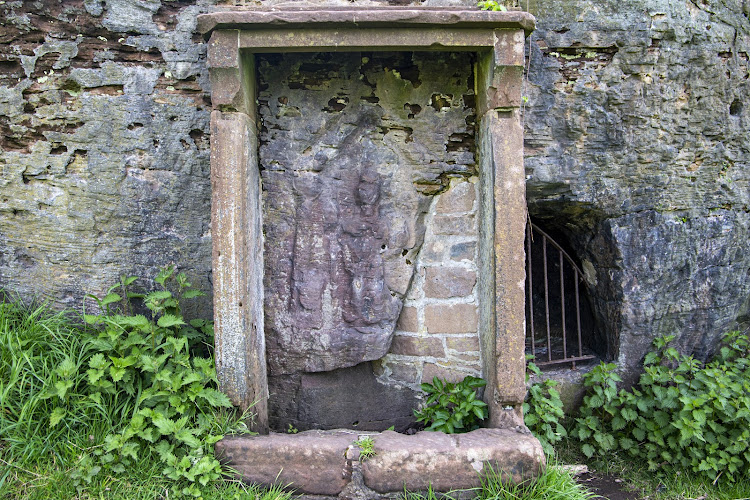
Goddess Minerva's Shrine
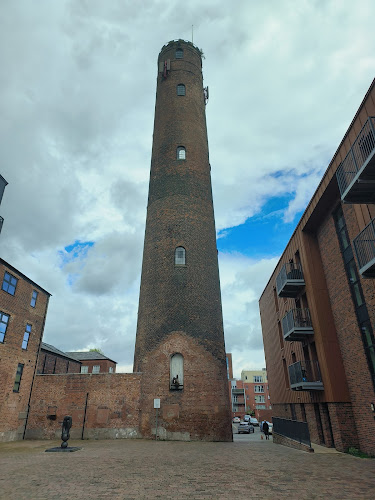
Chester Shot Tower

Sandy Lane Park
Find Accommodations Nearby
Recommended Tours & Activities
Visitor Reviews
There are no reviews yet. Be the first one to write one.
Share Your Experience
Have you visited Eastgate Clock? Help other travelers by leaving a review.