
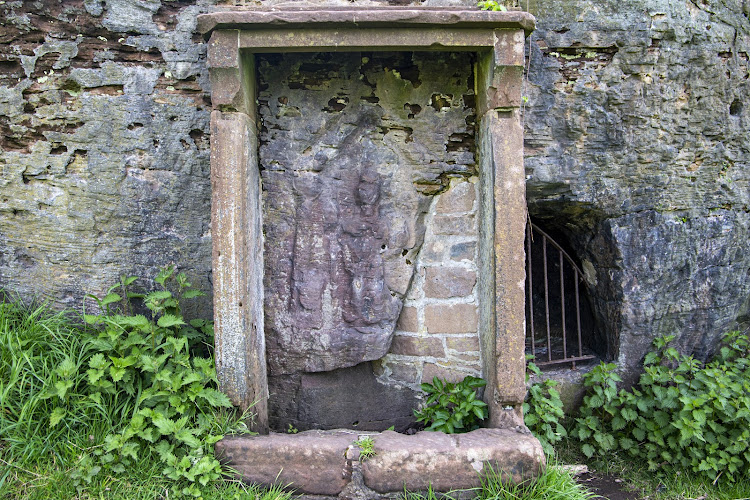
Goddess Minerva’s Shrine
About Goddess Minerva’s Shrine
Description
Goddess Minerva's Shrine in Chester is one of those hidden gems that quietly whispers stories from nearly two millennia ago. Carved directly into the face of a sandstone quarry, this ancient Roman shrine stands as a testament to a time when the goddess Minerva—protector of war, wisdom, and craftsmanship—was revered by those who passed through the area. Now, it’s tucked away in Edgar’s Field, just south of Chester’s old Roman fortress, offering visitors a rare glimpse into the spiritual life of Roman Britain.
What strikes you first is the sheer resilience of the shrine. Despite centuries of weathering, neglect, and the march of modern life, the carving remains remarkably clear. Minerva is depicted with her classic helmet, shield, and spear—symbols that speak volumes about her protective and strategic nature. It’s a quiet but powerful reminder of the blend of Roman and local Celtic beliefs, a fascinating example of ancient religious syncretism.
Visiting the shrine feels like stepping back in time. Unlike grand, polished museums or reconstructed ruins, this site retains an authentic, almost raw atmosphere. The sandstone’s warm hues and the rough-hewn edges make you imagine the hands that carved it, the travelers who stopped to offer prayers for safe passage, and the bandits they hoped to keep at bay. For history buffs and casual wanderers alike, it’s a spot that invites contemplation and curiosity.
Key Features
- Carved sandstone shrine dating back to the early 2nd century AD
- Depicts Minerva with traditional Roman iconography: helmet, shield, spear
- Located beside the ancient Roman road leading into the fortress of Deva (modern Chester)
- Evidence of religious syncretism between Roman and Celtic traditions
- Grade I listed building status, ensuring its protection and recognition
- Accessible outdoor site with no entrance fee, perfect for spontaneous visits
- Quiet, atmospheric setting away from the usual tourist hustle
Best Time to Visit
If you ask me, the best time to visit Minerva's Shrine is during the shoulder seasons—late spring (May to early June) or early autumn (September to October). The weather is generally mild, and you won’t have to jostle with crowds like you might in the summer. Plus, the natural light during these times casts some pretty magical shadows on the sandstone, bringing out the details of the carving in a way that’s almost cinematic.
Winter visits can be a bit bleak and chilly, though the shrine’s outdoor setting means you can still appreciate its quiet dignity. But if you’re not a fan of cold, damp days, best to avoid the heart of winter. Summer is obviously popular, but I’ve found that the heat can sometimes make the walk to Edgar’s Field less pleasant, and the site itself doesn’t offer much shade.
How to Get There
Getting to Minerva’s Shrine is pretty straightforward, especially if you’re already in Chester. It’s located just south of the city center, in Edgar’s Field, Handbridge area. If you’re driving, there are several parking options nearby, but be prepared for a short walk—nothing too strenuous, just enough to get you into that explorer mindset.
For those relying on public transport, local buses from Chester city center head towards Handbridge regularly. From the bus stop, it’s a pleasant stroll through some charming residential streets and green spaces. I personally love walking this route because it feels like peeling back layers of history with every step.
If you’re feeling adventurous, Chester is a very walkable city, and the shrine is reachable on foot from the city walls and riverfront. This way, you can soak up a bit more of Chester’s Roman heritage before arriving at the shrine itself.
Tips for Visiting
First off, don’t expect a flashy tourist site with gift shops and guided tours. This is a quiet, contemplative place where you’re mostly on your own with the history. That’s part of its charm, but it means you should come prepared. Bring a good pair of walking shoes, especially if the weather’s been wet—the path can get a bit slippery.
Also, take your time. Stand close to the carving and really look at the details—the helmet’s crest, the folds of Minerva’s attire, the spear’s tip. It’s easy to rush through, but the shrine rewards patience. If you’re into photography, early morning or late afternoon light is your best friend here.
And hey, don’t just read about Minerva—try to imagine what it was like to be a traveler back then, crossing rivers, wary of bandits, hoping for protection. It adds a layer of human connection to the stone that’s hard to get anywhere else.
One last thing: the shrine is outdoors and exposed, so dress for the weather. Rain can make the sandstone slippery, and there’s not much shelter. But if you catch it on a clear day, the peacefulness is worth every bit of effort.
Key Features
- Carved sandstone shrine dating back to the early 2nd century AD
- Depicts Minerva with traditional Roman iconography: helmet, shield, spear
- Located beside the ancient Roman road leading into the fortress of Deva (modern Chester)
- Evidence of religious syncretism between Roman and Celtic traditions
- Grade I listed building status, ensuring its protection and recognition
- Accessible outdoor site with no entrance fee, perfect for spontaneous visits
- Quiet, atmospheric setting away from the usual tourist hustle
More Details
Updated July 15, 2025
Table of Contents
Description
Goddess Minerva’s Shrine in Chester is one of those hidden gems that quietly whispers stories from nearly two millennia ago. Carved directly into the face of a sandstone quarry, this ancient Roman shrine stands as a testament to a time when the goddess Minerva—protector of war, wisdom, and craftsmanship—was revered by those who passed through the area. Now, it’s tucked away in Edgar’s Field, just south of Chester’s old Roman fortress, offering visitors a rare glimpse into the spiritual life of Roman Britain.
What strikes you first is the sheer resilience of the shrine. Despite centuries of weathering, neglect, and the march of modern life, the carving remains remarkably clear. Minerva is depicted with her classic helmet, shield, and spear—symbols that speak volumes about her protective and strategic nature. It’s a quiet but powerful reminder of the blend of Roman and local Celtic beliefs, a fascinating example of ancient religious syncretism.
Visiting the shrine feels like stepping back in time. Unlike grand, polished museums or reconstructed ruins, this site retains an authentic, almost raw atmosphere. The sandstone’s warm hues and the rough-hewn edges make you imagine the hands that carved it, the travelers who stopped to offer prayers for safe passage, and the bandits they hoped to keep at bay. For history buffs and casual wanderers alike, it’s a spot that invites contemplation and curiosity.
Key Features
- Carved sandstone shrine dating back to the early 2nd century AD
- Depicts Minerva with traditional Roman iconography: helmet, shield, spear
- Located beside the ancient Roman road leading into the fortress of Deva (modern Chester)
- Evidence of religious syncretism between Roman and Celtic traditions
- Grade I listed building status, ensuring its protection and recognition
- Accessible outdoor site with no entrance fee, perfect for spontaneous visits
- Quiet, atmospheric setting away from the usual tourist hustle
Best Time to Visit
If you ask me, the best time to visit Minerva’s Shrine is during the shoulder seasons—late spring (May to early June) or early autumn (September to October). The weather is generally mild, and you won’t have to jostle with crowds like you might in the summer. Plus, the natural light during these times casts some pretty magical shadows on the sandstone, bringing out the details of the carving in a way that’s almost cinematic.
Winter visits can be a bit bleak and chilly, though the shrine’s outdoor setting means you can still appreciate its quiet dignity. But if you’re not a fan of cold, damp days, best to avoid the heart of winter. Summer is obviously popular, but I’ve found that the heat can sometimes make the walk to Edgar’s Field less pleasant, and the site itself doesn’t offer much shade.
How to Get There
Getting to Minerva’s Shrine is pretty straightforward, especially if you’re already in Chester. It’s located just south of the city center, in Edgar’s Field, Handbridge area. If you’re driving, there are several parking options nearby, but be prepared for a short walk—nothing too strenuous, just enough to get you into that explorer mindset.
For those relying on public transport, local buses from Chester city center head towards Handbridge regularly. From the bus stop, it’s a pleasant stroll through some charming residential streets and green spaces. I personally love walking this route because it feels like peeling back layers of history with every step.
If you’re feeling adventurous, Chester is a very walkable city, and the shrine is reachable on foot from the city walls and riverfront. This way, you can soak up a bit more of Chester’s Roman heritage before arriving at the shrine itself.
Tips for Visiting
First off, don’t expect a flashy tourist site with gift shops and guided tours. This is a quiet, contemplative place where you’re mostly on your own with the history. That’s part of its charm, but it means you should come prepared. Bring a good pair of walking shoes, especially if the weather’s been wet—the path can get a bit slippery.
Also, take your time. Stand close to the carving and really look at the details—the helmet’s crest, the folds of Minerva’s attire, the spear’s tip. It’s easy to rush through, but the shrine rewards patience. If you’re into photography, early morning or late afternoon light is your best friend here.
And hey, don’t just read about Minerva—try to imagine what it was like to be a traveler back then, crossing rivers, wary of bandits, hoping for protection. It adds a layer of human connection to the stone that’s hard to get anywhere else.
One last thing: the shrine is outdoors and exposed, so dress for the weather. Rain can make the sandstone slippery, and there’s not much shelter. But if you catch it on a clear day, the peacefulness is worth every bit of effort.
Key Highlights
- Carved sandstone shrine dating back to the early 2nd century AD
- Depicts Minerva with traditional Roman iconography: helmet, shield, spear
- Located beside the ancient Roman road leading into the fortress of Deva (modern Chester)
- Evidence of religious syncretism between Roman and Celtic traditions
- Grade I listed building status, ensuring its protection and recognition
- Accessible outdoor site with no entrance fee, perfect for spontaneous visits
- Quiet, atmospheric setting away from the usual tourist hustle
Location
Places to Stay Near Goddess Minerva's Shrine
Find and Book a Tour
Explore More Travel Guides
No reviews found! Be the first to review!
Traveler Reviews for Goddess Minerva’s Shrine
There are no reviews yet. Be the first one to write one.
Have you visited Goddess Minerva’s Shrine? Help other travelers by sharing your review.
You Might Also Like
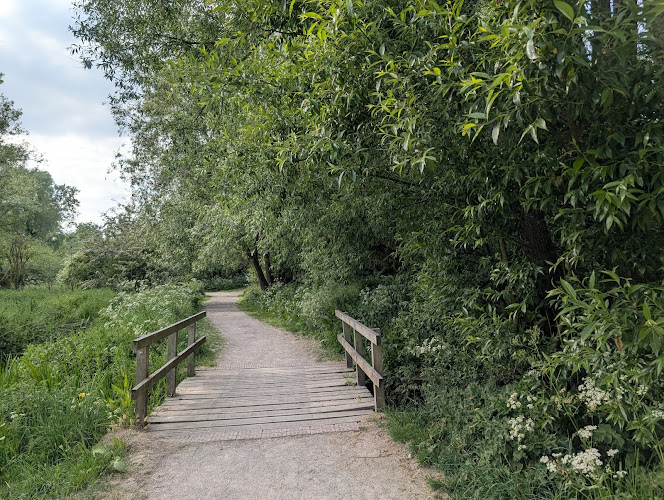
Caldy Nature Park
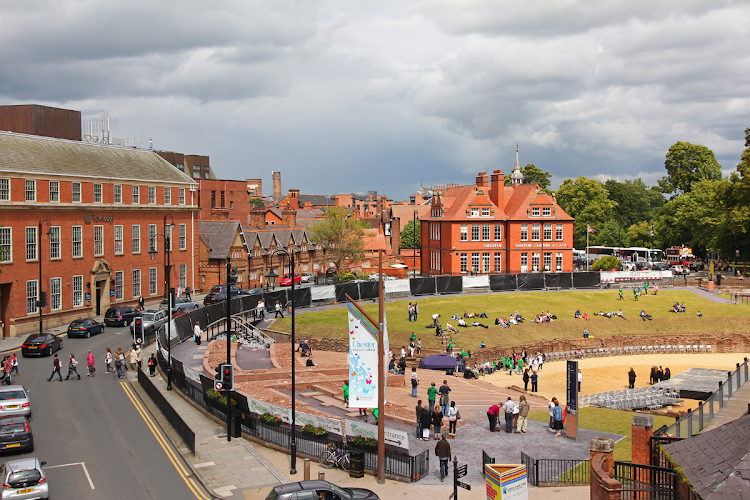
Chester Roman Amphitheatre
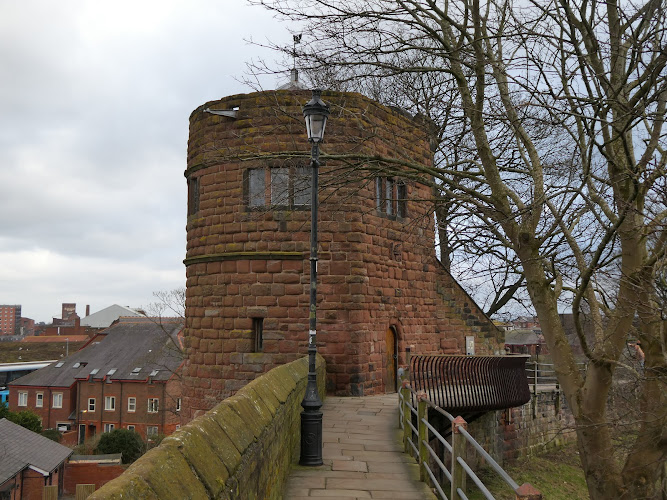
King Charles Tower
Find Accommodations Nearby
Recommended Tours & Activities
Visitor Reviews
There are no reviews yet. Be the first one to write one.
Share Your Experience
Have you visited Goddess Minerva’s Shrine? Help other travelers by leaving a review.