
Durrockstock Park – Local Nature Reserve
About Durrockstock Park – Local Nature Reserve
Description
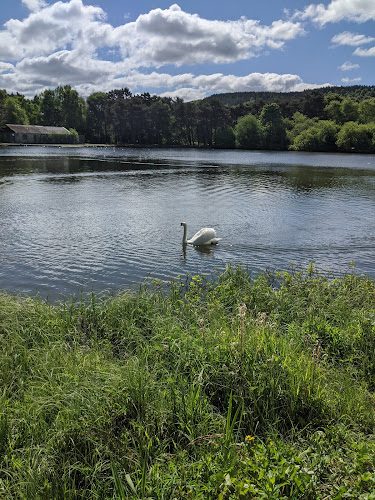
Durrockstock Park – now here’s a slice of local wild in the midst of Paisley that’s often overlooked on those top 10 lists, yet it’s absolutely got its own quiet charm. I remember stumbling across this place on a drizzly Scottish afternoon, trainers caked in mud, wondering if it would just be another patch of grass with a rusty swing – spoiler: way more than that. It’s officially a designated Local Nature Reserve, meaning it’s a protected area where plants and wildlife take centre stage. And even if the odd sweet wrapper floats along the footpaths, there’s something homey and real about it all. Nobody’s here in a rush, and that slow pace is infectious, honestly.
The first thing that hits you? It’s the open feeling, the relief of stretching your legs in a spot where nature is actually trusted to do its thing. Mature trees (I’m talking real old giants here), clusters of wildflowers in spring, and muddy tracks that have been worn in by years of boots and paws. Weather willing, it’s a peaceful spot for families or dog walkers – or even those solo folks (like yours truly) who want some headspace. Seeing grandparents teach their grandkids about the birds or young mates practising skateboard tricks right near the paths just gives it a proper community vibe.
Is it perfectly manicured? Not at all. That’s kind of the point. You’re getting honest nature: hedgerows a bit wild, ducks on the ponds, and if you’re lucky, the odd rabbit scurrying from a bush when you least expect it. What you won’t find: crowds, heavy traffic, or anything that feels forced. It’s not pretending to be a polished tourist destination with scheduled shows; it’s just itself – accessible, friendly, and a little bit rough round the edges (in a good way).
Key Features
- Accessible pathways: Wheelchair-friendly entrances and parking lots, which I really appreciate (having pushed my granddad’s chair up plenty of hills before, trust me – this matters).
- Child-friendly design: Play areas and open fields good for picnics, impromptu football games, or nature hunts. Been there, got the grass stains.
- Dog-friendly policy: Leash up your buddy and go – plenty of locals walk their dogs here, so expect a few hellos from four-legged residents.
- Varied habitats: Mature woodlands, wildflower patches, and a duck pond or two (the birds don’t pose for photos, but hey, can you blame them?).
- Peaceful walking trails: Not epic mountain hikes, but shaded paths that are gentle enough for any age and fitness level. Even when your knees are grumbling, you’ll love it.
- Benches and rest spots: For those days you just want to watch the world drift by – or attack an ice cream from the local van.
- Pockets of local wildlife: Keep your eyes peeled for robins, squirrels, and – if you’re really sharp – maybe a fox at dusk.
- Hands-on nature education: The signage isn’t exactly the Natural History Museum, but you might pick up a fun fact or two as you wander.
Best Time to Visit
Honestly, Durrockstock Park is one of those places that shifts with each season and has different moods. If you want carpets of bluebells and the air filled with birdsong, late April into May is your pick – I swear the whole park feels like one big waking-up yawn after winter. Summer, meanwhile, when the Scottish sun deigns to appear, is ideal for picnics, but bring your sunscreen (and probably an umbrella anyway, you never know).
I’m a sucker for early autumn walks, too – nothing beats those golden leaves rustling underfoot, the air crisp but not yet freezing your nose. There’s just something about it; the park feels hushed, and you can settle on one of the benches with a hot coffee and just watch the world slow down. Winter gets quieter, sure, but snowy days (rare but magical) turn the place into a scene right out of a postcard. If birds are your thing, bring binoculars; migration seasons can surprise even the casual observer.
How to Get There
Getting here isn’t a logistical headache – hallelujah for that. If you’re driving, there’s a proper car park. No need to park three blocks away and schlep your picnic basket like you’re on a polar trek. Public transport from Paisley town centre is straightforward, too, which is handy if you don’t fancy wrangling with traffic. Local buses swing by pretty regularly, so you’re not stranded if you miss one.
Walking or cycling? Both doable (and honestly, cycling through here early morning is my secret for starting the day on a high note). The paths are flat, mostly tarmac or well-packed dirt, so you won’t be cursing at loose gravel or sudden steep climbs. If you’re new to the area, just follow the locals – most folks are happy to point you in the right direction, especially if you end up at the wrong duck pond (it happens; don’t ask).
Tips for Visiting
Let me be honest: this park isn’t Narnia, but that’s not what you came here for anyway, right? Here’s the lowdown – some hard-won advice from personal blunders and a bit of local wisdom:
- Bring a bag for your rubbish: Sure, there are bins, but the odd wrapper still slips through (go figure, it’s a park, not a palace). Leave it better than you found it.
- Wellies or sturdy shoes (especially after rain!): I once wore my favourite trainers – now they’re “dog park” shoes. Some patches stay muddy for days.
- Keep dogs on a lead near ponds and play areas: Some kids aren’t dog lovers (shocking, I know) and over-excited Labradors and ducklings are never a good combo.
- Arrive early for peace and space: Weekend afternoons can get busier, especially if the weather’s decent. Early birds get the quiet paths.
- Pack snacks or a flask: There isn’t a cafe inside the reserve (yet!), though an ice cream van does make cameo appearances when the sun’s out.
- Don’t expect toilets on every turn: Plan your pre-park pit stops. This isn’t a city centre park equipped with everything – it’s a genuine nature reserve.
- Engage your curiosity: Stop and read the signs, watch the insects, listen for woodpeckers – or just lie in the grass and do nothing (highly underrated, by the way).
One last thing – talk to the regulars. It’s not always flashy tourist attractions that hold the best stories. Ask a local about the best hidden spots or favourite tree (everyone’s got one), and you’ll see the park with new eyes. In a world where everything races along, it’s refreshing to find a place like Durrockstock Park. Fair warning: you might end up making it part of your own weekly routine, just like I did.
Key Features
- Accessible pathways: Wheelchair-friendly entrances and parking lots, which I really appreciate (having pushed my granddad’s chair up plenty of hills before, trust me – this matters).
- Child-friendly design: Play areas and open fields good for picnics, impromptu football games, or nature hunts. Been there, got the grass stains.
- Dog-friendly policy: Leash up your buddy and go – plenty of locals walk their dogs here, so expect a few hellos from four-legged residents.
- Varied habitats: Mature woodlands, wildflower patches, and a duck pond or two (the birds don’t pose for photos, but hey, can you blame them?).
- Peaceful walking trails: Not epic mountain hikes, but shaded paths that are gentle enough for any age and fitness level. Even when your knees are grumbling, you’ll love it.
- Benches and rest spots: For those days you just want to watch the world drift by – or attack an ice cream from the local van.
- Pockets of local wildlife: Keep your eyes peeled for robins, squirrels, and – if you’re really sharp – maybe a fox at dusk.
- Hands-on nature education: The signage isn’t exactly the Natural History Museum, but you might pick up a fun fact or two as you wander.
More Details
Updated July 4, 2025
Table of Contents
- Description
- Key Features
- Best Time to Visit
- How to Get There
- Tips for Visiting
- Key Highlights
- Location
- Places to Stay Near Durrockstock Park - Local Nature Reserve
- Find and Book a Tour
- Explore More Travel Guides
- Nearby Places You Might Like
- Traveler Reviews for Durrockstock Park – Local Nature Reserve
- Share Your Experience
Description
Durrockstock Park – now here’s a slice of local wild in the midst of Paisley that’s often overlooked on those top 10 lists, yet it’s absolutely got its own quiet charm. I remember stumbling across this place on a drizzly Scottish afternoon, trainers caked in mud, wondering if it would just be another patch of grass with a rusty swing – spoiler: way more than that. It’s officially a designated Local Nature Reserve, meaning it’s a protected area where plants and wildlife take centre stage. And even if the odd sweet wrapper floats along the footpaths, there’s something homey and real about it all. Nobody’s here in a rush, and that slow pace is infectious, honestly.
The first thing that hits you? It’s the open feeling, the relief of stretching your legs in a spot where nature is actually trusted to do its thing. Mature trees (I’m talking real old giants here), clusters of wildflowers in spring, and muddy tracks that have been worn in by years of boots and paws. Weather willing, it’s a peaceful spot for families or dog walkers – or even those solo folks (like yours truly) who want some headspace. Seeing grandparents teach their grandkids about the birds or young mates practising skateboard tricks right near the paths just gives it a proper community vibe.
Is it perfectly manicured? Not at all. That’s kind of the point. You’re getting honest nature: hedgerows a bit wild, ducks on the ponds, and if you’re lucky, the odd rabbit scurrying from a bush when you least expect it. What you won’t find: crowds, heavy traffic, or anything that feels forced. It’s not pretending to be a polished tourist destination with scheduled shows; it’s just itself – accessible, friendly, and a little bit rough round the edges (in a good way).
Key Features
- Accessible pathways: Wheelchair-friendly entrances and parking lots, which I really appreciate (having pushed my granddad’s chair up plenty of hills before, trust me – this matters).
- Child-friendly design: Play areas and open fields good for picnics, impromptu football games, or nature hunts. Been there, got the grass stains.
- Dog-friendly policy: Leash up your buddy and go – plenty of locals walk their dogs here, so expect a few hellos from four-legged residents.
- Varied habitats: Mature woodlands, wildflower patches, and a duck pond or two (the birds don’t pose for photos, but hey, can you blame them?).
- Peaceful walking trails: Not epic mountain hikes, but shaded paths that are gentle enough for any age and fitness level. Even when your knees are grumbling, you’ll love it.
- Benches and rest spots: For those days you just want to watch the world drift by – or attack an ice cream from the local van.
- Pockets of local wildlife: Keep your eyes peeled for robins, squirrels, and – if you’re really sharp – maybe a fox at dusk.
- Hands-on nature education: The signage isn’t exactly the Natural History Museum, but you might pick up a fun fact or two as you wander.
Best Time to Visit
Honestly, Durrockstock Park is one of those places that shifts with each season and has different moods. If you want carpets of bluebells and the air filled with birdsong, late April into May is your pick – I swear the whole park feels like one big waking-up yawn after winter. Summer, meanwhile,
when the Scottish sun deigns to appear, is ideal for picnics, but bring your sunscreen (and probably an umbrella anyway, you never know).
I’m a sucker for early autumn walks, too – nothing beats those golden leaves rustling underfoot, the air crisp but not yet freezing your nose. There’s just something about it; the park feels hushed, and you can settle on one of the benches with a hot coffee and just watch the world slow down. Winter gets quieter, sure, but snowy days (rare but magical) turn the place into a scene right out of a postcard. If birds are your thing, bring binoculars; migration seasons can surprise even the casual observer.
How to Get There
Getting here isn’t a logistical headache – hallelujah for that. If you’re driving, there’s a proper car park. No need to park three blocks away and schlep your picnic basket like you’re on a polar trek. Public transport from Paisley town centre is straightforward, too, which is handy if you don’t fancy wrangling with traffic. Local buses swing by pretty regularly, so you’re not stranded if you miss one.
Walking or cycling? Both doable (and honestly, cycling through here early morning is my secret for starting the day on a high note). The paths are flat, mostly tarmac or well-packed dirt, so you won’t be cursing at loose gravel or sudden steep climbs. If you’re new to the area, just follow the locals – most folks are happy to point you in the right direction, especially if you end up at the wrong duck pond (it happens; don’t ask).
Tips for Visiting
Let me be honest: this park isn’t Narnia, but that’s not what you came here for anyway, right? Here’s the lowdown – some hard-won advice from personal blunders and a bit of local wisdom:
- Bring a bag for your rubbish: Sure, there are bins, but the odd wrapper still slips through (go figure, it’s a park, not a palace). Leave it better than you found it.
- Wellies or sturdy shoes (especially after rain!): I once wore my favourite trainers – now they’re “dog park” shoes. Some patches stay muddy for days.
- Keep dogs on a lead near ponds and play areas: Some kids aren’t dog lovers (shocking, I know) and over-excited Labradors and ducklings are never a good combo.
- Arrive early for peace and space: Weekend afternoons can get busier, especially if the weather’s decent. Early birds get the quiet paths.
- Pack snacks or a flask: There isn’t a cafe inside the reserve (yet!), though an ice cream van does make cameo appearances when the sun’s out.
- Don’t expect toilets on every turn: Plan your pre-park pit stops. This isn’t a city centre park equipped with everything – it’s a genuine nature reserve.
- Engage your curiosity: Stop and read the signs, watch the insects, listen for woodpeckers – or just lie in the grass and do nothing (highly underrated, by the way).
One last thing – talk to the regulars. It’s not always flashy tourist attractions that hold the best stories. Ask a local about the best hidden spots or favourite tree (everyone’s got one), and you’ll see the park with new eyes. In a world where everything races along, it’s refreshing to find a place like Durrockstock Park. Fair warning: you might end up making it part of your own weekly routine, just like I did.
Key Highlights
- Accessible pathways: Wheelchair-friendly entrances and parking lots, which I really appreciate (having pushed my granddad’s chair up plenty of hills before, trust me – this matters).
- Child-friendly design: Play areas and open fields good for picnics, impromptu football games, or nature hunts. Been there, got the grass stains.
- Dog-friendly policy: Leash up your buddy and go – plenty of locals walk their dogs here, so expect a few hellos from four-legged residents.
- Varied habitats: Mature woodlands, wildflower patches, and a duck pond or two (the birds don’t pose for photos, but hey, can you blame them?).
- Peaceful walking trails: Not epic mountain hikes, but shaded paths that are gentle enough for any age and fitness level. Even when your knees are grumbling, you’ll love it.
- Benches and rest spots: For those days you just want to watch the world drift by – or attack an ice cream from the local van.
- Pockets of local wildlife: Keep your eyes peeled for robins, squirrels, and – if you’re really sharp – maybe a fox at dusk.
- Hands-on nature education: The signage isn’t exactly the Natural History Museum, but you might pick up a fun fact or two as you wander.
Location
Places to Stay Near Durrockstock Park - Local Nature Reserve
Find and Book a Tour
Explore More Travel Guides
No reviews found! Be the first to review!
Traveler Reviews for Durrockstock Park – Local Nature Reserve
There are no reviews yet. Be the first one to write one.
Have you visited Durrockstock Park – Local Nature Reserve? Help other travelers by sharing your review.
You Might Also Like
Ferguslie Gardens

Sir Peter Coats Statue

Paisley Museum & Art Gallery
Find Accommodations Nearby
Recommended Tours & Activities
Visitor Reviews
There are no reviews yet. Be the first one to write one.
Share Your Experience
Have you visited Durrockstock Park – Local Nature Reserve? Help other travelers by leaving a review.