

Durgapur
About Durgapur
Description
Durgapur represents something quite different from the usual tourist trail in West Bengal. Instead of ancient temples or colonial architecture, this city offers travelers a fascinating glimpse into modern India's industrial backbone. Positioned along the northern bank of the Damodar River in Paschim Bardhaman district, Durgapur emerged as one of India's first planned industrial cities during the 1950s. The city earned its reputation as the "Ruhr of India" – a comparison to Germany's famous industrial region – and honestly, when you see the massive steel plants dotting the landscape, you'll understand why. But don't let the industrial tag fool you into thinking this place is all smokestacks and factories. I've found that Durgapur has developed into a surprisingly livable urban space with wide roads, organized sectors, and green belts that were thoughtfully incorporated during its planning phase. The steel production facilities here are among the largest in the country, and the city has become a cornerstone for manufacturing train wheels that keep India's extensive railway network moving. Walking through Durgapur, you get this sense of purposeful energy that's quite different from the chaotic charm of Kolkata or the touristy vibe of Darjeeling. The city has carved out its own identity as a working metropolis that showcases India's post-independence industrial ambitions. And here's what many travelers miss – Durgapur isn't just about heavy industry. The Damodar River adds a natural element to the cityscape, and the planned layout means you'll find parks, cultural centers, and recreational spaces that make exploration genuinely enjoyable. The city has evolved over seven decades into a place where industrial workers, professionals, students, and families have created a unique urban culture that's worth experiencing.Key Features
Durgapur offers several distinctive attractions and characteristics that make it worth adding to your West Bengal itinerary:
- Durgapur Barrage: This impressive dam across the Damodar River serves both functional and recreational purposes, creating a scenic spot where locals gather during evenings. The view during sunset is particularly memorable.
- Troika Park: A well-maintained urban park that features musical fountains and landscaped gardens, providing a peaceful retreat within the industrial city.
- Nehru Park: One of the city's oldest recreational spaces with boating facilities and green areas perfect for morning walks.
- Anand Amusement Park: A family-friendly destination with rides and entertainment options that particularly appeal to younger visitors.
- Bhabani Pathak's Tilla: A historical site that predates the modern city, offering cultural significance and a connection to the region's past.
- Ram Mandir: An architecturally interesting temple that serves as a spiritual center for the local community.
- Science Centre: An educational attraction that engages visitors with interactive exhibits about technology and innovation.
- Shopping at Benachity and City Centre: Modern retail spaces where you can experience local shopping culture and find everything from traditional items to contemporary goods.
- Steel Plant Tours: Though requiring advance arrangements, witnessing steel production processes provides an unforgettable industrial tourism experience.
- Wide, Planned Roads: The city's systematic layout makes navigation remarkably easy compared to many Indian cities, and the broad avenues lined with trees create pleasant driving and walking conditions.
Best Time to Visit
Timing your visit to Durgapur matters more than you might think. The city experiences typical West Bengal weather patterns, but its industrial character and urban heat island effect can intensify temperatures during certain months. The sweet spot for visiting runs from October through March. During these months, temperatures range from a comfortable 15 to 28 degrees Celsius, making it actually pleasant to explore the city on foot. I'd particularly recommend November and December when the weather hits that perfect balance – not too cold in the mornings, brilliantly sunny during the day, and cool enough in the evenings that you'll enjoy sitting by the barrage watching the water flow. Winter months also coincide with several local festivals and cultural events. Durga Puja, typically falling in September or October, transforms the city despite its industrial character. The steel township areas organize elaborate pandals, and there's something quite special about seeing traditional Bengali celebrations against a backdrop of modern urban planning. January brings pleasant weather that's ideal for outdoor activities. If you're planning to visit parks or take longer walks around the city, this month offers clear skies and crisp air. February starts warming up slightly but remains comfortable. Now, I'd strongly suggest avoiding April through June unless you have specific business reasons for being there. Temperatures regularly climb above 40 degrees Celsius, and the combination of industrial heat and summer sun creates conditions that aren't conducive to tourism. The monsoon season from July to September brings relief from heat but can be unpredictable – heavy rains might disrupt travel plans, though the Damodar River becomes particularly impressive during this period. But here's an insider perspective – if you're specifically interested in the industrial aspects of Durgapur, shoulder seasons like late September or early April might work despite the weather, as you'll spend most time in climate-controlled facilities anyway.How to Get There
Reaching Durgapur is surprisingly straightforward given its importance as an industrial center. The city's connectivity has improved significantly over the years, with multiple transportation options available. By air, the nearest major airport is Kazi Nazrul Islam Airport in Andal, located approximately 25 kilometers from Durgapur. This airport has expanded its operations recently and now connects to major Indian cities including Delhi, Mumbai, and Bangalore. The drive from the airport to the city center takes about 40 minutes depending on traffic. Alternatively, Netaji Subhash Chandra Bose International Airport in Kolkata sits roughly 170 kilometers away and offers more extensive domestic and international connections – though the journey by road takes around three to four hours. Train travel provides excellent access to Durgapur. The Durgapur Railway Station connects to major cities across India including Kolkata, Delhi, Mumbai, Chennai, and Bangalore. Several express and mail trains stop here daily. The station sits conveniently within the city, making onward local transport easy. From Kolkata, trains take approximately three to four hours depending on the service you choose. Road connectivity is perhaps the most flexible option. Durgapur lies on National Highway 19 (the old Grand Trunk Road), one of India's most historic and well-maintained highways. Buses operate regularly from Kolkata's Esplanade and Karunamoyee bus terminals, taking around four hours for the journey. Private taxi services and app-based cabs also cover this route if you prefer more comfort and flexibility in timing. If you're driving yourself, the route from Kolkata via NH19 is straightforward – head out through Dankuni, continue through Bardhaman, and you'll reach Durgapur. The roads are generally good, though traffic near Bardhaman can slow you down during peak hours. Within the city, auto-rickshaws, cycle-rickshaws, and app-based ride services operate extensively. The planned layout makes navigation simple, and drivers generally know landmarks well since the sector-based organization provides clear reference points.Tips for Visiting
Making the most of your Durgapur experience requires some practical knowledge that guidebooks don't always cover. First off, accommodation here caters primarily to business travelers, which works in your favor. Hotels are reasonably priced compared to tourist destinations, and they're used to providing efficient service. Book in advance if you're visiting during Durga Puja or other major festivals when the Bengali diaspora returns home and fills up available rooms. Language can be interesting here – while Bengali dominates local conversation, Hindi is widely understood due to the city's cosmopolitan industrial workforce. English works in hotels, restaurants, and commercial establishments. Learning a few basic Bengali phrases will earn you smiles and better interactions with locals. The food scene reflects the city's dual character. You'll find excellent Bengali cuisine in local restaurants, but there's also a strong North Indian and Chinese food culture that developed alongside the diverse workforce. Don't miss trying the local sweet shops – Bengali sweets are legendary, and Durgapur has some excellent options. The City Centre area has numerous restaurants if you want variety under one roof. Safety is generally not a concern. The city's industrial nature means it operates on a fairly predictable schedule, and crime rates against tourists are low. That said, exercise normal precautions – don't flash expensive items unnecessarily, and stick to well-lit areas after dark. Photography enthusiasts should note that steel plants and industrial facilities are sensitive areas. Always seek permission before photographing these sites. The barrage, parks, and public spaces pose no restrictions and offer interesting subjects, especially during golden hour. Shopping is best done at City Centre or Benachity market. These areas stock everything from traditional Bengali handicrafts to modern consumer goods. Prices are reasonable, and bargaining is expected in local markets though not in malls. Transportation apps work well here, making getting around hassle-free. Auto-rickshaws should run on meters, but confirming the fare before starting your journey prevents confusion later. If you're interested in industrial tourism, contact the steel plant authorities well in advance – at least two to three weeks before your visit. These tours require security clearances and aren't available on a walk-in basis, but they provide fascinating insights into steel manufacturing processes. The Damodar barrage area gets crowded during weekends and evenings. Visit during weekday mornings for a quieter, more contemplative experience. Early morning visits to parks also let you observe local life – morning walkers, yoga practitioners, and the general rhythm of the city waking up. Carry cash alongside cards. While digital payments have penetrated well, smaller establishments and auto-rickshaws still prefer cash transactions. ATMs are readily available throughout the city. And finally, approach Durgapur with the right mindset. This isn't a destination for monument-hopping or beach lounging. It's a working city that offers an authentic look at industrial India, complete with its achievements, challenges, and unique urban culture. Travelers who appreciate modern history, urban planning, and the human stories behind India's industrial development will find Durgapur genuinely rewarding.Key Features
- Major planned industrial city centered on steel and heavy engineering
- Wide avenues, modernist civic architecture and planned neighbourhoods
- Green spaces and lakes such as the Durgapur Barrage area
- Vibrant local markets, Bengali and regional cuisine
- Proximity to regional cultural sites and day-trip destinations in Bardhaman
More Details
Updated March 30, 2026
Table of Contents
Description
Durgapur represents something quite different from the usual tourist trail in West Bengal. Instead of ancient temples or colonial architecture, this city offers travelers a fascinating glimpse into modern India’s industrial backbone. Positioned along the northern bank of the Damodar River in Paschim Bardhaman district, Durgapur emerged as one of India’s first planned industrial cities during the 1950s.
The city earned its reputation as the “Ruhr of India” – a comparison to Germany’s famous industrial region – and honestly, when you see the massive steel plants dotting the landscape, you’ll understand why. But don’t let the industrial tag fool you into thinking this place is all smokestacks and factories. I’ve found that Durgapur has developed into a surprisingly livable urban space with wide roads, organized sectors, and green belts that were thoughtfully incorporated during its planning phase.
The steel production facilities here are among the largest in the country, and the city has become a cornerstone for manufacturing train wheels that keep India’s extensive railway network moving. Walking through Durgapur, you get this sense of purposeful energy that’s quite different from the chaotic charm of Kolkata or the touristy vibe of Darjeeling. The city has carved out its own identity as a working metropolis that showcases India’s post-independence industrial ambitions.
And here’s what many travelers miss – Durgapur isn’t just about heavy industry. The Damodar River adds a natural element to the cityscape, and the planned layout means you’ll find parks, cultural centers, and recreational spaces that make exploration genuinely enjoyable. The city has evolved over seven decades into a place where industrial workers, professionals, students, and families have created a unique urban culture that’s worth experiencing.
Key Features
Durgapur offers several distinctive attractions and characteristics that make it worth adding to your West Bengal itinerary:
- Durgapur Barrage: This impressive dam across the Damodar River serves both functional and recreational purposes, creating a scenic spot where locals gather during evenings. The view during sunset is particularly memorable.
- Troika Park: A well-maintained urban park that features musical fountains and landscaped gardens, providing a peaceful retreat within the industrial city.
- Nehru Park: One of the city’s oldest recreational spaces with boating facilities and green areas perfect for morning walks.
- Anand Amusement Park: A family-friendly destination with rides and entertainment options that particularly appeal to younger visitors.
- Bhabani Pathak’s Tilla: A historical site that predates the modern city, offering cultural significance and a connection to the region’s past.
- Ram Mandir: An architecturally interesting temple that serves as a spiritual center for the local community.
- Science Centre: An educational attraction that engages visitors with interactive exhibits about technology and innovation.
- Shopping at Benachity and City Centre: Modern retail spaces where you can experience local shopping culture and find everything from traditional items to contemporary goods.
- Steel Plant Tours: Though requiring advance arrangements, witnessing steel production processes provides an unforgettable industrial tourism experience.
- Wide, Planned Roads: The city’s systematic layout makes navigation remarkably easy compared to many Indian cities, and the broad avenues lined with trees create pleasant driving and walking conditions.
Best Time to Visit
Timing your visit to Durgapur matters more than you might think. The city experiences typical West Bengal weather patterns, but its industrial character and urban heat island effect can intensify temperatures during certain months.
The sweet spot for visiting runs from October through March. During these months, temperatures range from a comfortable 15 to 28 degrees Celsius, making it actually pleasant to explore the city on foot. I’d particularly recommend November and December when the weather hits that perfect balance – not too cold in the mornings, brilliantly sunny during the day, and cool enough in the evenings that you’ll enjoy sitting by the barrage watching the water flow.
Winter months also coincide with several local festivals and cultural events. Durga Puja, typically falling in September or October, transforms the city despite its industrial character. The steel township areas organize elaborate pandals, and there’s something quite special about seeing traditional Bengali celebrations against a backdrop of modern urban planning.
January brings pleasant weather that’s ideal for outdoor activities. If you’re planning to visit parks or take longer walks around the city, this month offers clear skies and crisp air. February starts warming up slightly but remains comfortable.
Now, I’d strongly suggest avoiding April through June unless you have specific business reasons for being there. Temperatures regularly climb above 40 degrees Celsius, and the combination of industrial heat and summer sun creates conditions that aren’t conducive to tourism. The monsoon season from July to September brings relief from heat but can be unpredictable – heavy rains might disrupt travel plans, though the Damodar River becomes particularly impressive during this period.
But here’s an insider perspective – if you’re specifically interested in the industrial aspects of Durgapur, shoulder seasons like late September or early April might work despite the weather, as you’ll spend most time in climate-controlled facilities anyway.
How to Get There
Reaching Durgapur is surprisingly straightforward given its importance as an industrial center. The city’s connectivity has improved significantly over the years, with multiple transportation options available.
By air, the nearest major airport is Kazi Nazrul Islam Airport in Andal, located approximately 25 kilometers from Durgapur. This airport has expanded its operations recently and now connects to major Indian cities including Delhi, Mumbai, and Bangalore. The drive from the airport to the city center takes about 40 minutes depending on traffic. Alternatively, Netaji Subhash Chandra Bose International Airport in Kolkata sits roughly 170 kilometers away and offers more extensive domestic and international connections – though the journey by road takes around three to four hours.
Train travel provides excellent access to Durgapur. The Durgapur Railway Station connects to major cities across India including Kolkata, Delhi, Mumbai, Chennai, and Bangalore. Several express and mail trains stop here daily. The station sits conveniently within the city, making onward local transport easy. From Kolkata, trains take approximately three to four hours depending on the service you choose.
Road connectivity is perhaps the most flexible option. Durgapur lies on National Highway 19 (the old Grand Trunk Road), one of India’s most historic and well-maintained highways. Buses operate regularly from Kolkata’s Esplanade and Karunamoyee bus terminals, taking around four hours for the journey. Private taxi services and app-based cabs also cover this route if you prefer more comfort and flexibility in timing.
If you’re driving yourself, the route from Kolkata via NH19 is straightforward – head out through Dankuni, continue through Bardhaman, and you’ll reach Durgapur. The roads are generally good, though traffic near Bardhaman can slow you down during peak hours.
Within the city, auto-rickshaws, cycle-rickshaws, and app-based ride services operate extensively. The planned layout makes navigation simple, and drivers generally know landmarks well since the sector-based organization provides clear reference points.
Tips for Visiting
Making the most of your Durgapur experience requires some practical knowledge that guidebooks don’t always cover.
First off, accommodation here caters primarily to business travelers, which works in your favor. Hotels are reasonably priced compared to tourist destinations, and they’re used to providing efficient service. Book in advance if you’re visiting during Durga Puja or other major festivals when the Bengali diaspora returns home and fills up available rooms.
Language can be interesting here – while Bengali dominates local conversation, Hindi is widely understood due to the city’s cosmopolitan industrial workforce. English works in hotels, restaurants, and commercial establishments. Learning a few basic Bengali phrases will earn you smiles and better interactions with locals.
The food scene reflects the city’s dual character. You’ll find excellent Bengali cuisine in local restaurants, but there’s also a strong North Indian and Chinese food culture that developed alongside the diverse workforce. Don’t miss trying the local sweet shops – Bengali sweets are legendary, and Durgapur has some excellent options. The City Centre area has numerous restaurants if you want variety under one roof.
Safety is generally not a concern. The city’s industrial nature means it operates on a fairly predictable schedule, and crime rates against tourists are low. That said, exercise normal precautions – don’t flash expensive items unnecessarily, and stick to well-lit areas after dark.
Photography enthusiasts should note that steel plants and industrial facilities are sensitive areas. Always seek permission before photographing these sites. The barrage, parks, and public spaces pose no restrictions and offer interesting subjects, especially during golden hour.
Shopping is best done at City Centre or Benachity market. These areas stock everything from traditional Bengali handicrafts to modern consumer goods. Prices are reasonable, and bargaining is expected in local markets though not in malls.
Transportation apps work well here, making getting around hassle-free. Auto-rickshaws should run on meters, but confirming the fare before starting your journey prevents confusion later.
If you’re interested in industrial tourism, contact the steel plant authorities well in advance – at least two to three weeks before your visit. These tours require security clearances and aren’t available on a walk-in basis, but they provide fascinating insights into steel manufacturing processes.
The Damodar barrage area gets crowded during weekends and evenings. Visit during weekday mornings for a quieter, more contemplative experience. Early morning visits to parks also let you observe local life – morning walkers, yoga practitioners, and the general rhythm of the city waking up.
Carry cash alongside cards. While digital payments have penetrated well, smaller establishments and auto-rickshaws still prefer cash transactions. ATMs are readily available throughout the city.
And finally, approach Durgapur with the right mindset. This isn’t a destination for monument-hopping or beach lounging. It’s a working city that offers an authentic look at industrial India, complete with its achievements, challenges, and unique urban culture. Travelers who appreciate modern history, urban planning, and the human stories behind India’s industrial development will find Durgapur genuinely rewarding.
Key Highlights
- Major planned industrial city centered on steel and heavy engineering
- Wide avenues, modernist civic architecture and planned neighbourhoods
- Green spaces and lakes such as the Durgapur Barrage area
- Vibrant local markets, Bengali and regional cuisine
- Proximity to regional cultural sites and day-trip destinations in Bardhaman
Location
Places to Stay Near Durgapur
Find and Book a Tour
Explore More Travel Guides
No reviews found! Be the first to review!
Durgapur is a prominent Attractions located in Durgapur.
Traveler Reviews for Durgapur
There are no reviews yet. Be the first one to write one.
Have you visited Durgapur? Help other travelers by sharing your review.
Nearby Attractions
You Might Also Like

Historical Tunnel
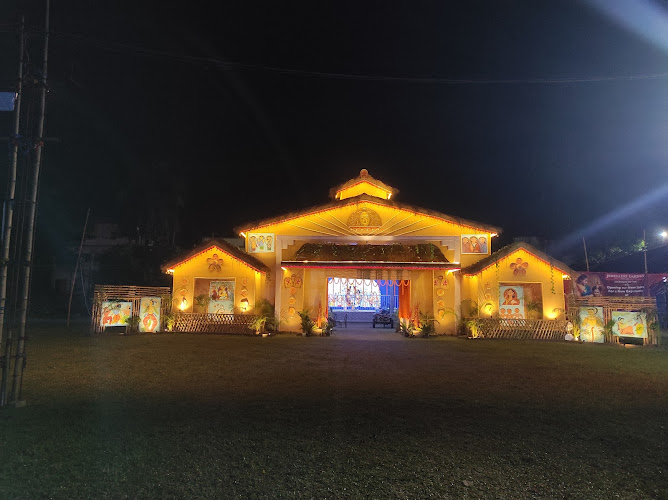
Uttarpally Play Ground (Park)

Bidhannagar Ram Temple
Find Accommodations Nearby
Recommended Tours & Activities
Visitor Reviews
There are no reviews yet. Be the first one to write one.
Share Your Experience
Have you visited Durgapur? Help other travelers by leaving a review.