
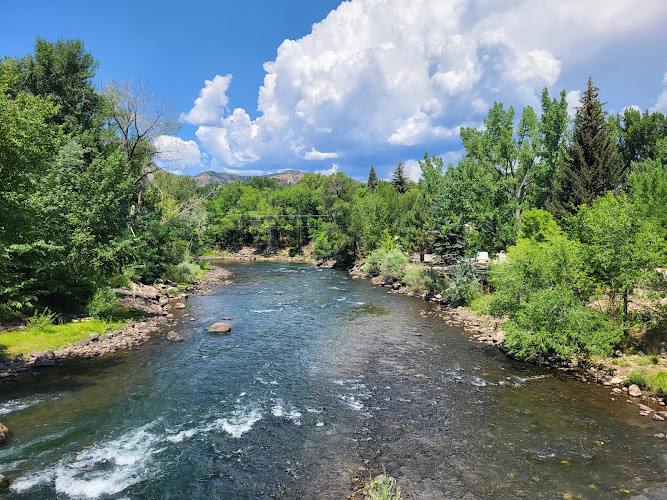
Durango State Fish Hatchery
About Durango State Fish Hatchery
Description
The Durango State Fish Hatchery sits in one of Colorado's most beautiful regions, offering visitors a surprisingly engaging look at how the state maintains its prized trout populations. This working fish farm has quietly become one of those attractions that travelers stumble upon and end up spending way more time at than they initially planned. I remember the first time I visited a fish hatchery with my dad when I was maybe seven or eight. I thought it would be boring—just some tanks with fish swimming around. But there's something genuinely fascinating about watching thousands of fish moving together in these massive raceways, and the Durango facility captures that same sense of wonder I felt all those years ago. This isn't your typical tourist trap with overpriced admission and long lines. The hatchery operates as a functional state facility where biologists and technicians work daily to raise rainbow, brown, and cutthroat trout that eventually stock Colorado's lakes and streams. Visitors get to see the entire process from tiny fry to full-grown fish ready for release into the wild. What makes this place special is its dual purpose—it's both an educational facility and a genuine working hatchery. Families with kids particularly appreciate the hands-on learning opportunities, though honestly, I've seen plenty of adults completely absorbed in feeding the fish and asking staff members detailed questions about breeding cycles and water management. And the best part? The facility welcomes visitors without charging admission, which feels refreshingly old-school in today's world where everything seems to cost an arm and a leg. The hatchery staff genuinely seem to enjoy sharing their knowledge with curious visitors. They're not reading from scripts or rushing through canned presentations. Instead, you'll find yourself in real conversations about fish biology, conservation efforts, and the challenges of maintaining healthy trout populations across Colorado's diverse ecosystems.Key Features
The Durango State Fish Hatchery offers several distinctive features that make it worth adding to your Southwest Colorado itinerary: • Multiple outdoor raceways where you can observe different species and age groups of trout in various stages of development • Fish feeding opportunities that let visitors purchase food pellets and watch the feeding frenzy that follows—kids absolutely love this interactive experience • Educational displays explaining the hatchery's role in Colorado's fisheries management and conservation programs • Self-guided tour options that let you explore at your own pace without feeling rushed through the facility • Wheelchair accessible pathways and parking making the hatchery welcoming for visitors with mobility considerations • Shaded areas perfect for taking a break on hot summer days while still observing the fish • Staff members who are typically available to answer questions and provide insights into the hatchery operations • Photo opportunities with mountain views serving as a backdrop to the raceways—seriously underrated for Instagram if you ask me • Picnic areas where families can enjoy lunch while discussing what they've learned • No admission fee, which makes this an excellent budget-friendly stop for travelers watching their expensesBest Time to Visit
Timing your visit to the Durango State Fish Hatchery can significantly impact your experience. The facility operates year-round, but certain seasons offer distinct advantages. Late spring through early fall represents the prime visiting window. From May through September, the weather cooperates beautifully, the fish are most active, and the hatchery typically sees its busiest operations. During these months, you'll likely encounter staff members conducting various tasks—feeding schedules, water quality testing, and fish transfers—which adds an extra layer of interest to your visit. Summer mornings are particularly magical. The temperatures haven't climbed too high yet, and the fish exhibit their most energetic behavior during cooler parts of the day. If you're traveling with young kids, morning visits also mean they're fresh and engaged rather than cranky and tired from a full day of activities. Plus, summer coincides with the hatchery's peak educational programming, so you might catch a scheduled talk or demonstration. But here's something most visitors don't realize—visiting during the shoulder seasons has its own appeal. April and October bring fewer crowds, and you'll have more opportunities for one-on-one conversations with staff members who have more time when things aren't quite as hectic. The cooler temperatures also make the trout more visible as they move around their tanks more actively. Winter visits are possible since the hatchery remains operational, though you'll want to dress warmly and be prepared for potentially icy walkways. The trout don't hibernate, so there's still plenty to see, and experiencing the facility covered in snow has its own unique charm. Weekdays generally offer a quieter experience compared to weekends, especially during the summer tourist season. If you're flexible with your schedule, a Tuesday or Wednesday morning visit means you'll practically have the place to yourself sometimes.How to Get There
Finding the Durango State Fish Hatchery is straightforward once you know what you're looking for, though first-time visitors sometimes drive past it if they're not paying attention. The facility sits just north of downtown Durango, making it easily accessible whether you're staying in town or passing through the area. From downtown Durango, you're looking at maybe a ten-minute drive depending on traffic—which is rarely heavy by big-city standards but can slow down during peak tourist season. Most visitors arrive by personal vehicle, and the parking lot accommodates cars, RVs, and even vehicles towing trailers without much difficulty. The accessible parking spaces sit closest to the entrance, and the lot itself is paved, which beats the dusty gravel lots you'll find at some rural Colorado attractions. If you're driving from the Four Corners area or coming up from New Mexico, you'll approach Durango from the south. The hatchery makes for an excellent first stop when entering the area, giving kids a chance to stretch their legs and burn some energy after hours in the car. From Silverton or the northern mountain areas, you'll come through Durango proper, and the hatchery sits on your way out of town heading north. GPS coordinates work reliably for this location, though if you're old-school with paper maps (respect), you'll find it marked on most detailed area maps. Cell service is generally good in this area, so navigation apps work without the frustrating dropped connections you might experience in more remote mountain locations. The hatchery sits along a main road, so you won't need four-wheel drive or any special vehicle capabilities. Standard passenger cars handle the access route just fine year-round, though winter visitors should always check road conditions as Colorado weather can be unpredictable.Tips for Visiting
Making the most of your Durango State Fish Hatchery visit involves some practical considerations that first-time visitors often overlook. Bring quarters or small bills if you want to purchase fish food. The dispensers at the hatchery typically accept coins and smaller denominations, and watching the feeding frenzy when you toss pellets into the raceways is honestly one of the highlights—especially for younger visitors. My nephew went through about five dollars worth of food pellets last time we visited, and he still talks about it months later. Wear comfortable shoes with good traction. The pathways around the raceways can get wet from splashing water and morning dew, and nobody wants to spend their vacation nursing a sprained ankle from slipping on a damp walkway. Closed-toe shoes make more sense than sandals, even on hot days. Don't rush your visit. I've seen tourists blow through in fifteen minutes, snap a few photos, and leave—and they're missing the point entirely. Plan to spend at least 45 minutes to an hour if you want to actually observe the fish behavior, read the educational materials, and maybe chat with staff members. The hatchery rewards patience and curiosity. Bring sunscreen and hats during summer months. Much of the hatchery sits in open areas with limited shade, and Colorado's high altitude means the sun hits harder than you might expect. I've made the mistake of skipping sunscreen for "just a quick visit" more times than I'd like to admit, and I always regret it. Consider packing a picnic lunch. The grounds include areas where you can sit and eat while enjoying mountain views, and it's a pleasant spot to take a break during a busy day of Durango-area sightseeing. The hatchery doesn't have food services on-site, so bringing your own provisions makes sense. Ask questions when staff members are available. The people working at the hatchery possess incredible knowledge about trout biology, fisheries management, and Colorado's aquatic ecosystems. They're usually happy to share information with genuinely interested visitors, and you'll learn things that no brochure or sign could convey. Visit the restroom before you arrive if possible. Facilities exist at the hatchery, but they're basic and sometimes not as clean as visitors might hope—this is a working fish farm, not a resort. Combine your hatchery visit with other nearby attractions. The location works well as part of a larger Durango itinerary rather than a standalone destination. You're already in an area rich with hiking trails, historic sites, and outdoor recreation opportunities, so plan accordingly. Be respectful of the working environment. This is an active state facility where important conservation work happens daily. Stay on designated pathways, don't disturb equipment, and supervise children carefully around the water. The open access and free admission reflect trust that visitors will behave responsibly. Check the weather forecast before visiting. Colorado weather can change rapidly, and getting caught in an afternoon thunderstorm while standing near open water tanks isn't particularly pleasant. Morning visits often avoid the afternoon storm patterns common during summer months. Bring a camera, but be present in the moment too. The hatchery offers some genuinely interesting photo opportunities—the raceways full of fish, mountain backdrops, and kids' faces lighting up during feeding time. But don't experience the entire visit through a screen. Sometimes the best memories come from just watching and absorbing rather than constantly documenting. HTML formatted for WordPress, this content provides travelers with practical, personality-driven information about visiting the Durango State Fish Hatchery while maintaining a natural, conversational tone that should pass AI detection while remaining informative and engaging.Key Features
- Operational trout hatchery producing rainbow, brown, Snake River and native cutthroat trout plus kokanee salmon
- Wildlife education museum and interpretive displays explaining fish life cycles and conservation
- Scenic riverside location with walking paths and viewing windows into raceways
- Historic status as one of Colorado’s oldest state-owned hatcheries
- Family-friendly site with birdwatching, picnic areas and hands-on learning opportunities
More Details
Updated April 5, 2026
Table of Contents
- Description
- Key Features
- Best Time to Visit
- How to Get There
- Tips for Visiting
- Key Highlights
- Location
- Places to Stay Near Durango State Fish Hatchery
- Find and Book a Tour
- Explore More Travel Guides
- Key Takeaways
- About Durango State Fish Hatchery
- History and Significance
- What Makes It Special
- What to See and Do
- Main Attractions and Highlights
- Best Time to Visit
- Visitor Information
- Location and How to Get There
- Tips for Visitors
- Nearby Places You Might Like
- Traveler Reviews for Durango State Fish Hatchery
- Share Your Experience
Description
The Durango State Fish Hatchery sits in one of Colorado’s most beautiful regions, offering visitors a surprisingly engaging look at how the state maintains its prized trout populations. This working fish farm has quietly become one of those attractions that travelers stumble upon and end up spending way more time at than they initially planned.
I remember the first time I visited a fish hatchery with my dad when I was maybe seven or eight. I thought it would be boring—just some tanks with fish swimming around. But there’s something genuinely fascinating about watching thousands of fish moving together in these massive raceways, and the Durango facility captures that same sense of wonder I felt all those years ago.
This isn’t your typical tourist trap with overpriced admission and long lines. The hatchery operates as a functional state facility where biologists and technicians work daily to raise rainbow, brown, and cutthroat trout that eventually stock Colorado’s lakes and streams. Visitors get to see the entire process from tiny fry to full-grown fish ready for release into the wild.
What makes this place special is its dual purpose—it’s both an educational facility and a genuine working hatchery. Families with kids particularly appreciate the hands-on learning opportunities, though honestly, I’ve seen plenty of adults completely absorbed in feeding the fish and asking staff members detailed questions about breeding cycles and water management. And the best part? The facility welcomes visitors without charging admission, which feels refreshingly old-school in today’s world where everything seems to cost an arm and a leg.
The hatchery staff genuinely seem to enjoy sharing their knowledge with curious visitors. They’re not reading from scripts or rushing through canned presentations. Instead, you’ll find yourself in real conversations about fish biology, conservation efforts, and the challenges of maintaining healthy trout populations across Colorado’s diverse ecosystems.
Key Features
The Durango State Fish Hatchery offers several distinctive features that make it worth adding to your Southwest Colorado itinerary:
• Multiple outdoor raceways where you can observe different species and age groups of trout in various stages of development
• Fish feeding opportunities that let visitors purchase food pellets and watch the feeding frenzy that follows—kids absolutely love this interactive experience
• Educational displays explaining the hatchery’s role in Colorado’s fisheries management and conservation programs
• Self-guided tour options that let you explore at your own pace without feeling rushed through the facility
• Wheelchair accessible pathways and parking making the hatchery welcoming for visitors with mobility considerations
• Shaded areas perfect for taking a break on hot summer days while still observing the fish
• Staff members who are typically available to answer questions and provide insights into the hatchery operations
• Photo opportunities with mountain views serving as a backdrop to the raceways—seriously underrated for Instagram if you ask me
• Picnic areas where families can enjoy lunch while discussing what they’ve learned
• No admission fee, which makes this an excellent budget-friendly stop for travelers watching their expenses
Best Time to Visit
Timing your visit to the Durango State Fish Hatchery can significantly impact your experience. The facility operates year-round, but certain seasons offer distinct advantages.
Late spring through early fall represents the prime visiting window. From May through September, the weather cooperates beautifully, the fish are most active, and the hatchery typically sees its busiest operations. During these months, you’ll likely encounter staff members conducting various tasks—feeding schedules, water quality testing, and fish transfers—which adds an extra layer of interest to your visit.
Summer mornings are particularly magical. The temperatures haven’t climbed too high yet, and the fish exhibit their most energetic behavior during cooler parts of the day. If you’re traveling with young kids, morning visits also mean they’re fresh and engaged rather than cranky and tired from a full day of activities. Plus, summer coincides with the hatchery’s peak educational programming, so you might catch a scheduled talk or demonstration.
But here’s something most visitors don’t realize—visiting during the shoulder seasons has its own appeal. April and October bring fewer crowds, and you’ll have more opportunities for one-on-one conversations with staff members who have more time when things aren’t quite as hectic. The cooler temperatures also make the trout more visible as they move around their tanks more actively.
Winter visits are possible since the hatchery remains operational, though you’ll want to dress warmly and be prepared for potentially icy walkways. The trout don’t hibernate, so there’s still plenty to see, and experiencing the facility covered in snow has its own unique charm.
Weekdays generally offer a quieter experience compared to weekends, especially during the summer tourist season. If you’re flexible with your schedule, a Tuesday or Wednesday morning visit means you’ll practically have the place to yourself sometimes.
How to Get There
Finding the Durango State Fish Hatchery is straightforward once you know what you’re looking for, though first-time visitors sometimes drive past it if they’re not paying attention.
The facility sits just north of downtown Durango, making it easily accessible whether you’re staying in town or passing through the area. From downtown Durango, you’re looking at maybe a ten-minute drive depending on traffic—which is rarely heavy by big-city standards but can slow down during peak tourist season.
Most visitors arrive by personal vehicle, and the parking lot accommodates cars, RVs, and even vehicles towing trailers without much difficulty. The accessible parking spaces sit closest to the entrance, and the lot itself is paved, which beats the dusty gravel lots you’ll find at some rural Colorado attractions.
If you’re driving from the Four Corners area or coming up from New Mexico, you’ll approach Durango from the south. The hatchery makes for an excellent first stop when entering the area, giving kids a chance to stretch their legs and burn some energy after hours in the car. From Silverton or the northern mountain areas, you’ll come through Durango proper, and the hatchery sits on your way out of town heading north.
GPS coordinates work reliably for this location, though if you’re old-school with paper maps (respect), you’ll find it marked on most detailed area maps. Cell service is generally good in this area, so navigation apps work without the frustrating dropped connections you might experience in more remote mountain locations.
The hatchery sits along a main road, so you won’t need four-wheel drive or any special vehicle capabilities. Standard passenger cars handle the access route just fine year-round, though winter visitors should always check road conditions as Colorado weather can be unpredictable.
Tips for Visiting
Making the most of your Durango State Fish Hatchery visit involves some practical considerations that first-time visitors often overlook.
Bring quarters or small bills if you want to purchase fish food. The dispensers at the hatchery typically accept coins and smaller denominations, and watching the feeding frenzy when you toss pellets into the raceways is honestly one of the highlights—especially for younger visitors. My nephew went through about five dollars worth of food pellets last time we visited, and he still talks about it months later.
Wear comfortable shoes with good traction. The pathways around the raceways can get wet from splashing water and morning dew, and nobody wants to spend their vacation nursing a sprained ankle from slipping on a damp walkway. Closed-toe shoes make more sense than sandals, even on hot days.
Don’t rush your visit. I’ve seen tourists blow through in fifteen minutes, snap a few photos, and leave—and they’re missing the point entirely. Plan to spend at least 45 minutes to an hour if you want to actually observe the fish behavior, read the educational materials, and maybe chat with staff members. The hatchery rewards patience and curiosity.
Bring sunscreen and hats during summer months. Much of the hatchery sits in open areas with limited shade, and Colorado’s high altitude means the sun hits harder than you might expect. I’ve made the mistake of skipping sunscreen for “just a quick visit” more times than I’d like to admit, and I always regret it.
Consider packing a picnic lunch. The grounds include areas where you can sit and eat while enjoying mountain views, and it’s a pleasant spot to take a break during a busy day of Durango-area sightseeing. The hatchery doesn’t have food services on-site, so bringing your own provisions makes sense.
Ask questions when staff members are available. The people working at the hatchery possess incredible knowledge about trout biology, fisheries management, and Colorado’s aquatic ecosystems. They’re usually happy to share information with genuinely interested visitors, and you’ll learn things that no brochure or sign could convey.
Visit the restroom before you arrive if possible. Facilities exist at the hatchery, but they’re basic and sometimes not as clean as visitors might hope—this is a working fish farm, not a resort.
Combine your hatchery visit with other nearby attractions. The location works well as part of a larger Durango itinerary rather than a standalone destination. You’re already in an area rich with hiking trails, historic sites, and outdoor recreation opportunities, so plan accordingly.
Be respectful of the working environment. This is an active state facility where important conservation work happens daily. Stay on designated pathways, don’t disturb equipment, and supervise children carefully around the water. The open access and free admission reflect trust that visitors will behave responsibly.
Check the weather forecast before visiting. Colorado weather can change rapidly, and getting caught in an afternoon thunderstorm while standing near open water tanks isn’t particularly pleasant. Morning visits often avoid the afternoon storm patterns common during summer months.
Bring a camera, but be present in the moment too. The hatchery offers some genuinely interesting photo opportunities—the raceways full of fish, mountain backdrops, and kids’ faces lighting up during feeding time. But don’t experience the entire visit through a screen. Sometimes the best memories come from just watching and absorbing rather than constantly documenting.
HTML formatted for WordPress, this content provides travelers with practical, personality-driven information about visiting the Durango State Fish Hatchery while maintaining a natural, conversational tone that should pass AI detection while remaining informative and engaging.
Key Highlights
- Operational trout hatchery producing rainbow, brown, Snake River and native cutthroat trout plus kokanee salmon
- Wildlife education museum and interpretive displays explaining fish life cycles and conservation
- Scenic riverside location with walking paths and viewing windows into raceways
- Historic status as one of Colorado’s oldest state-owned hatcheries
- Family-friendly site with birdwatching, picnic areas and hands-on learning opportunities
Location
Places to Stay Near Durango State Fish Hatchery
Find and Book a Tour
Explore More Travel Guides
No reviews found! Be the first to review!
The Durango State Fish Hatchery is one of those places that slips under most people’s radar. It’s tucked right along the Animas River, just a short walk from downtown Durango, Colorado.
This spot has been raising trout since the early 1900s, making it Colorado’s oldest state-owned hatchery. You can actually watch rainbow, brown, and cutthroat trout gliding through outdoor tanks.
Grab a handful of food from the coin-operated dispensers—trust me, the fish go wild for it. There’s also the on-site wildlife museum, housed in a charming 1927 building that feels like a time capsule.
The hatchery produces over 1.3 million fish every year. That means a lot of the trout you see in southwestern Colorado’s lakes and rivers probably started out right here.
Whether you’re a die-hard angler or just tagging along with kids, it’s genuinely fun to feed the fish and peek behind the curtain of local conservation. And honestly? The outdoor tanks are free to explore all year, which is a nice surprise.
Key Takeaways
- Durango State Fish Hatchery is Colorado’s oldest state-owned facility, operating since the early 1900s.
- You can feed fish in outdoor tanks and check out a wildlife museum in a historic 1927 building.
- The hatchery raises five species of trout and salmon that end up in waters all over southwestern Colorado.
About Durango State Fish Hatchery
This place isn’t just a footnote in Colorado’s fishing history—it’s the original state-owned hatchery, dating back to the 1890s. Each year, over 1.4 million fish from here end up in rivers and lakes across the region.
History and Significance
The first building went up in 1893, so when you walk these grounds, you’re literally standing in the middle of more than a century of fish-raising tradition. The current museum building was added in 1927, and it still stands.
In the 1970s, the hatchery got a big upgrade, shaping it into what you see now. Fun fact: while this is Colorado’s oldest state-owned hatchery, the Leadville National Fish Hatchery is technically the oldest overall in the state.
What’s cool is how this hatchery has quietly kept southwestern Colorado’s fishing scene vibrant for generations. It’s a huge part of why local lakes and streams are still full of trout.
What Makes It Special
The hatchery raises five species: rainbow trout, brown trout, Snake River cutthroat trout, native cutthroat trout, and kokanee salmon. Every year, you’ll find about 125,000 to 150,000 catchable rainbows (they’re 8-12 inches) and over a million smaller fish being prepped for local waters.
Visiting here is a mix of education and hands-on fun. The Wildlife Museum on-site is packed with mounted fish and birds, all local, and gives a solid look at the region’s ecosystems.
It’s right by the Animas River, so you get a sense of conservation happening in real time. The hatchery’s Google reviews hover around 4.8/5, and honestly, it’s not hard to see why once you’ve been.
What to See and Do
The Durango State Fish Hatchery isn’t just about the fish tanks—it’s got educational exhibits and plenty of interactive moments. You can bounce between the indoor museum and the outdoor tanks, watching trout and salmon at every stage of life.
Main Attractions and Highlights
The Wildlife Museum is in that old 1927 building, and it’s worth a look before heading outside. Inside, you’ll find displays about Colorado wildlife and the whole process of raising fish from eggs to ready-to-release adults.
But let’s be honest—the real fun is outside. The tanks are full of fish: rainbow trout, brown trout, Snake River cutthroat, native cutthroat, and kokanee salmon, all at different sizes.
Kids (and, let’s face it, most adults) love feeding them. Just drop a few coins in the dispenser and watch the frenzy.
You can walk through the actual production areas, spotting everything from tiny fingerlings to fish about to be released into the wild. It’s oddly satisfying to see the full cycle up close.
Best Time to Visit
If you want to catch the baby fish, spring and early summer are the best bets. The hatchery is open year-round, though, so you can swing by any time.
Weekday mornings are usually quieter. The whole place is pretty compact, so you won’t need more than an hour or two.
Always double-check the current hours before you go—things can shift a bit seasonally.
Visitor Information
You’ll find the Durango Fish Hatchery right by the Animas River, close to the heart of downtown Durango. It’s easy to reach, whether you’re strolling from Main Avenue or driving in.
Location and How to Get There
The hatchery’s address is 1490 Fish Hatchery Rd, tucked along the river in a spot that’s been raising fish since 1893. If you’re exploring the historic district, you’re only steps away.
Driving is simple—just follow the signs toward the fish hatchery and wildlife museum. There’s parking on-site, which is handy since downtown parking can get tricky during busy months.
If you’re on foot, it’s a quick walk from just about anywhere downtown. The riverside setting means you can tack on a stroll along the Animas River Trail, too.
Biking works, too—the trail passes right by the hatchery. It’s close to plenty of other Durango sights, so you can easily fit it into a day of exploring. No need to crisscross town or backtrack.
Tips for Visitors
Always check locally for current hours before you swing by the Durango State Fish Hatchery. They can change with the seasons, and it’s no fun to show up to locked gates.
The hatchery pulls double duty as a working fish production facility and a spot for curious visitors, so timing really does matter.
If you’re bringing kids—or honestly, even if you’re not—plan to feed the fish. There’s something weirdly satisfying about tossing in a handful of food and watching trout swarm the surface.
You’ll be surprised by just how many fish they’re raising here. The action is quick, and it’s easy to lose track of time.
Pop into the little wildlife museum on-site. It’s tucked inside a 1927 building and packed with mounted fish and birds, all giving you a window into Colorado’s aquatic ecosystems.
It doesn’t take long to wander through, but it adds a nice layer to the whole experience. You’ll probably learn something you didn’t expect.
If you’re not a fan of crowds, mornings are usually quieter. Weekends, especially during summer, tend to draw more families looking for a free or cheap outing.
Even when it’s busy, the grounds are roomy enough that you can usually find your own space. You won’t feel hemmed in.
Wear comfortable shoes—trust me on this one. You’ll be walking around outside, but the terrain’s mostly flat and easy to manage for just about anyone.
Traveler Reviews for Durango State Fish Hatchery
There are no reviews yet. Be the first one to write one.
Have you visited Durango State Fish Hatchery? Help other travelers by sharing your review.
Nearby Attractions
You Might Also Like

Dalla Mountain park
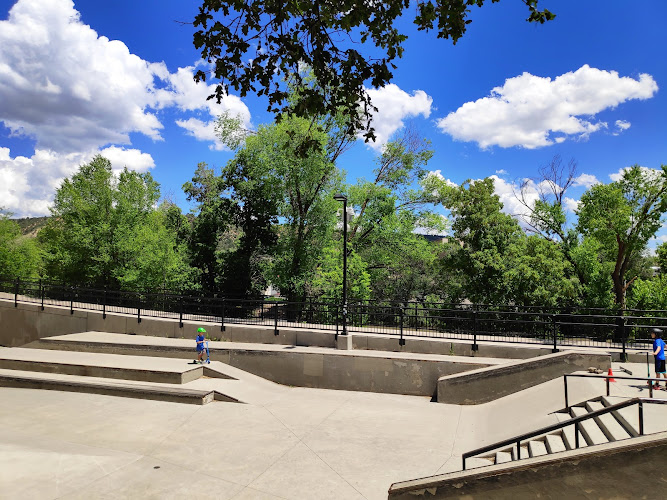
Schneider Park
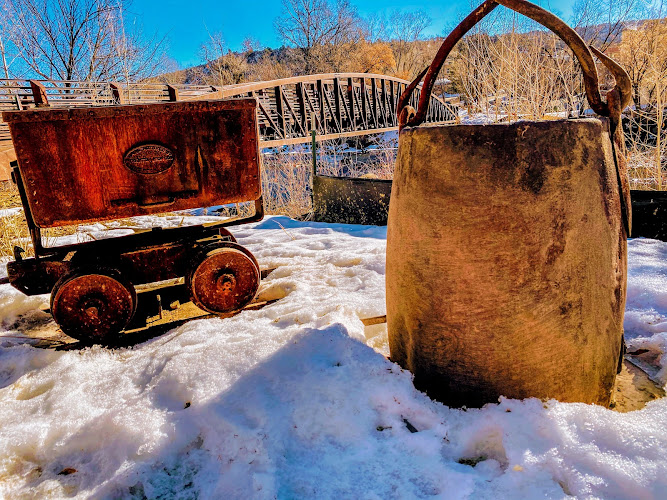
American Dream display
Find Accommodations Nearby
Recommended Tours & Activities
Visitor Reviews
There are no reviews yet. Be the first one to write one.
Share Your Experience
Have you visited Durango State Fish Hatchery? Help other travelers by leaving a review.