Dunbars Close
About Dunbars Close
Description
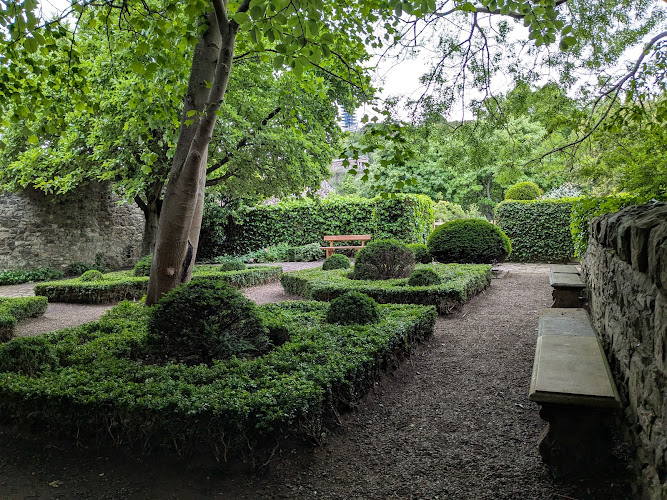
Tucked away behind the historic walls of Edinburgh's Old Town, Dunbars Close represents one of those rare urban discoveries that makes you feel like you've stumbled upon something truly special. This recreated 17th-century garden sits quietly against an ancient church wall, offering a genuine escape from the bustling Royal Mile just steps away. The space itself isn't massive—you won't be hiking through acres of greenery here—but that's precisely what makes it so charming and, honestly, so manageable for travelers who want a quick respite without losing half their day. The garden was actually restored in the 1970s based on historical designs from Scotland's gardening golden age, and they really nailed the atmosphere. When you step through that unassuming entrance, you're greeted by carefully arranged parterres that would make any period drama set designer jealous. The sheltered layout means you get protection from Edinburgh's notorious winds (and trust me, you'll appreciate this on most days), while the mature shrubbery and trees create these intimate pockets of green space that feel worlds away from the tourist crowds. What strikes most visitors first is the sense of calm. Yeah, I know that sounds a bit cliché, but there's something about the way the old stone walls trap the sunlight and muffle the city noise that genuinely changes the entire vibe. You're technically still in one of Europe's busiest historic districts, but your brain doesn't quite believe it. The garden maintains traditional Scottish gardening principles with ordered beds, gravel paths, and architectural plantings that wouldn't look out of place in a 1600s estate garden—except this one welcomes dogs, families, and anyone who needs a bench and twenty minutes of peace.Key Features
The beauty of Dunbars Close lies in its thoughtful details and accessibility, making it work for different types of visitors. Here's what makes this hidden garden worth seeking out:- Authentic 17th-century garden design recreated with historical accuracy, giving you a genuine sense of how Scottish gardens looked and felt during that period
- Sheltered parterres that provide protection from wind and weather, a practical blessing in Edinburgh's changeable climate
- Mature trees and established shrubbery creating shaded areas perfect for summer visits and adding to the secluded atmosphere
- Wheelchair accessible entrance ensuring the garden welcomes visitors with mobility needs, though navigating some gravel paths might require assistance
- Dog-friendly policy allowing you to bring four-legged travel companions (a rarity for many formal garden spaces)
- Excellent picnic spot with benches and quiet corners where you can actually enjoy a packed lunch without fighting for space
- Free admission meaning this experience won't dent your travel budget at all
- Prime location just off the Royal Mile, making it incredibly easy to incorporate into Old Town explorations
- Small size that allows for a meaningful visit in 20-30 minutes, perfect for travelers on tight schedules
- Historical connection to Edinburgh's architectural and horticultural heritage, adding educational value beyond just pretty plants
Best Time to Visit
Timing your visit to Dunbars Close can really affect your experience, though honestly, this place has something going for it year-round. Spring, particularly late April through May, brings the garden to life with blooming plants and that fresh green growth that makes everything feel renewed. The trees fill out, the beds burst with color, and the whole space just looks its absolute best. You'll also catch some of Edinburgh's better weather during this window—relatively speaking, of course. Summer months from June through August offer the longest daylight hours, which matters more than you'd think when you're trying to squeeze everything into your Edinburgh itinerary. The garden becomes a popular lunch spot for locals during this season, which adds some authentic Edinburgh atmosphere but also means you might have company. Early morning visits around 8 or 9 AM give you the best chance at having the space mostly to yourself, and the morning light hitting those old stone walls? Pretty spectacular, actually. Autumn shouldn't be overlooked either. September and early October bring changing foliage colors that complement the traditional garden design beautifully. The temperature drops make those sheltered spots even more appealing, and tourist numbers decrease significantly compared to summer peak season. I've found some of my most memorable garden visits happen in autumn when there's a bit of chill in the air and you can properly appreciate the protection those old walls provide. Winter visits work too, though you'll want to bundle up. The garden takes on a stark, architectural quality when the plants die back, and you can really appreciate the bones of the design. If you happen to catch a light snow, the whole place transforms into something out of a historical painting. Just be prepared for limited daylight hours and potentially icy paths—wear proper footwear. Weekday mornings remain your best bet regardless of season if you prefer solitude. Weekend afternoons, especially sunny ones, draw locals and tourists alike. But honestly? Even a "crowded" day at Dunbars Close means maybe a dozen people, not exactly overwhelming.How to Get There
Finding Dunbars Close requires a bit of detective work, which frankly adds to its charm as a hidden gem. The garden sits along the Canongate section of the Royal Mile, which forms the eastern stretch of Edinburgh's famous historic street running from Edinburgh Castle down to Holyrood Palace. You'll be looking for a small entrance between buildings—it's easy to walk right past if you're not paying attention. From Edinburgh Waverley Station, the city's main railway hub, you're about a 15-minute walk. Head up the Waverley Bridge towards the Royal Mile, then turn right and continue east along the Canongate. The garden entrance appears on your left side as you walk downhill toward Holyrood. Most visitors actually stumble upon it while walking between major attractions, which is precisely how it was meant to be discovered. If you're using Edinburgh's bus system, numerous routes serve the Royal Mile area. Look for stops along the Canongate or High Street sections. Routes 6, 35, and 36 all run along or near the Royal Mile, though walking remains the most straightforward option given Edinburgh's Old Town layout. The narrow medieval streets and pedestrianized sections make walking more efficient than trying to navigate bus routes for short distances. For those staying in the New Town area north of Princes Street, you'll cross the bridges connecting to the Old Town and head east along the Royal Mile. The entire walk takes maybe 20-25 minutes from most New Town locations and takes you through some of Edinburgh's most atmospheric streets anyway. Taxi or rideshare services can drop you along the Canongate, though be aware that traffic restrictions and narrow streets mean you might end up walking the last bit anyway. There isn't dedicated parking for the garden itself—this is medieval Edinburgh, parking wasn't really in the original city plans. Your best bet involves using one of the city center car parks and exploring on foot. The lack of obvious signage actually protects the garden's tranquil character. Keep your eyes open for the small entrance, and don't be shy about asking locals if you're having trouble—most Edinburgh residents love sharing their favorite hidden spots once you've proven yourself observant enough to be looking.Tips for Visiting
Making the most of Dunbars Close doesn't require extensive planning, but a few insider tips can definitely enhance your experience. First off, bring a light jacket or layer even on seemingly nice days. Those stone walls create microclimates, and what feels warm on the Royal Mile might feel surprisingly cool in the shaded sections of the garden. Edinburgh weather changes quickly too—I've experienced four seasons in a single afternoon more times than I can count. Pack a simple picnic if you're visiting during meal times. The benches scattered throughout the garden make ideal spots for eating, and you'll enjoy your sandwiches way more here than standing on a crowded street or paying cafe prices. Just remember to take all rubbish with you—there aren't tons of bins, and keeping the space pristine relies on visitor consideration. Photography enthusiasts should note that the garden's enclosed nature means lighting can be tricky. The high walls create strong shadows, especially during midday. Early morning or late afternoon (golden hour) provides softer, more even lighting that really brings out the textures of the old stone and the colors of the plantings. And please, be considerate of other visitors when taking photos—nobody wants to navigate around someone's extended photoshoot when they're trying to relax. The gravel paths, while charming and period-appropriate, can be challenging for some wheelchairs and definitely for narrow stroller wheels. The entrance is accessible, but once inside you might find maneuvering requires some effort. If you're visiting with mobility aids, coming during quieter times gives you more space to navigate comfortably. Dogs are welcome, which is fantastic, but keep them under control and clean up after them. The garden's small size means one badly-behaved dog can impact everyone's experience. Most Edinburgh dog owners are respectful, but it's worth mentioning since the space is shared. Don't rush your visit. Yeah, you can technically "see" the whole garden in five minutes, but that defeats the purpose. Grab a bench, sit for a while, and just exist in the space. This isn't an attraction you tick off a list—it's a place you experience. Some of the best travel moments happen when you stop trying to see everything and just absorb where you are. Consider combining your visit with nearby attractions along the Canongate. The Museum of Edinburgh, the Scottish Storytelling Centre, and eventually Holyrood Palace are all within easy walking distance. The garden makes a perfect mid-exploration break between bigger attractions. Finally, respect the space's residential context. Real people live in the surrounding buildings, and their windows overlook the garden. Keep noise levels reasonable, especially during early morning or evening visits. The garden exists as a community amenity as much as a tourist attraction, and maintaining that balance keeps it accessible for everyone. Weather will impact your experience significantly, so check forecasts and plan accordingly. But also know that even a rainy day has its charm here—the smell of wet stone and earth, the sound of raindrops on leaves, the excuse to have the place entirely to yourself. Sometimes the "worst" weather creates the most memorable experiences.Key Features
- Authentic 17th-century garden design recreated with historical accuracy, giving you a genuine sense of how Scottish gardens looked and felt during that period
- Sheltered parterres that provide protection from wind and weather, a practical blessing in Edinburgh's changeable climate
- Mature trees and established shrubbery creating shaded areas perfect for summer visits and adding to the secluded atmosphere
- Wheelchair accessible entrance ensuring the garden welcomes visitors with mobility needs, though navigating some gravel paths might require assistance
- Dog-friendly policy allowing you to bring four-legged travel companions (a rarity for many formal garden spaces)
- Excellent picnic spot with benches and quiet corners where you can actually enjoy a packed lunch without fighting for space
- Free admission meaning this experience won't dent your travel budget at all
- Prime location just off the Royal Mile, making it incredibly easy to incorporate into Old Town explorations
More Details
Updated March 30, 2026
Table of Contents
Description
Tucked away behind the historic walls of Edinburgh’s Old Town, Dunbars Close represents one of those rare urban discoveries that makes you feel like you’ve stumbled upon something truly special. This recreated 17th-century garden sits quietly against an ancient church wall, offering a genuine escape from the bustling Royal Mile just steps away. The space itself isn’t massive—you won’t be hiking through acres of greenery here—but that’s precisely what makes it so charming and, honestly, so manageable for travelers who want a quick respite without losing half their day.
The garden was actually restored in the 1970s based on historical designs from Scotland’s gardening golden age, and they really nailed the atmosphere. When you step through that unassuming entrance, you’re greeted by carefully arranged parterres that would make any period drama set designer jealous. The sheltered layout means you get protection from Edinburgh’s notorious winds (and trust me, you’ll appreciate this on most days), while the mature shrubbery and trees create these intimate pockets of green space that feel worlds away from the tourist crowds.
What strikes most visitors first is the sense of calm. Yeah, I know that sounds a bit cliché, but there’s something about the way the old stone walls trap the sunlight and muffle the city noise that genuinely changes the entire vibe. You’re technically still in one of Europe’s busiest historic districts, but your brain doesn’t quite believe it. The garden maintains traditional Scottish gardening principles with ordered beds, gravel paths, and architectural plantings that wouldn’t look out of place in a 1600s estate garden—except this one welcomes dogs, families, and anyone who needs a bench and twenty minutes of peace.
Key Features
The beauty of Dunbars Close lies in its thoughtful details and accessibility, making it work for different types of visitors. Here’s what makes this hidden garden worth seeking out:
- Authentic 17th-century garden design recreated with historical accuracy, giving you a genuine sense of how Scottish gardens looked and felt during that period
- Sheltered parterres that provide protection from wind and weather, a practical blessing in Edinburgh’s changeable climate
- Mature trees and established shrubbery creating shaded areas perfect for summer visits and adding to the secluded atmosphere
- Wheelchair accessible entrance ensuring the garden welcomes visitors with mobility needs, though navigating some gravel paths might require assistance
- Dog-friendly policy allowing you to bring four-legged travel companions (a rarity for many formal garden spaces)
- Excellent picnic spot with benches and quiet corners where you can actually enjoy a packed lunch without fighting for space
- Free admission meaning this experience won’t dent your travel budget at all
- Prime location just off the Royal Mile, making it incredibly easy to incorporate into Old Town explorations
- Small size that allows for a meaningful visit in 20-30 minutes, perfect for travelers on tight schedules
- Historical connection to Edinburgh’s architectural and horticultural heritage, adding educational value beyond just pretty plants
Best Time to Visit
Timing your visit to Dunbars Close can really affect your experience, though honestly, this place has something going for it year-round. Spring, particularly late April through May, brings the garden to life with blooming plants and that fresh green growth that makes everything feel renewed. The trees fill out, the beds burst with color, and the whole space just looks its absolute best. You’ll also catch some of Edinburgh’s better weather during this window—relatively speaking, of course.
Summer months from June through August offer the longest daylight hours, which matters more than you’d think when you’re trying to squeeze everything into your Edinburgh itinerary. The garden becomes a popular lunch spot for locals during this season, which adds some authentic Edinburgh atmosphere but also means you might have company. Early morning visits around 8 or 9 AM give you the best chance at having the space mostly to yourself, and the morning light hitting those old stone walls? Pretty spectacular, actually.
Autumn shouldn’t be overlooked either. September and early October bring changing foliage colors that complement the traditional garden design beautifully. The temperature drops make those sheltered spots even more appealing, and tourist numbers decrease significantly compared to summer peak season. I’ve found some of my most memorable garden visits happen in autumn when there’s a bit of chill in the air and you can properly appreciate the protection those old walls provide.
Winter visits work too, though you’ll want to bundle up. The garden takes on a stark, architectural quality when the plants die back, and you can really appreciate the bones of the design. If you happen to catch a light snow, the whole place transforms into something out of a historical painting. Just be prepared for limited daylight hours and potentially icy paths—wear proper footwear.
Weekday mornings remain your best bet regardless of season if you prefer solitude. Weekend afternoons, especially sunny ones, draw locals and tourists alike. But honestly? Even a “crowded” day at Dunbars Close means maybe a dozen people, not exactly overwhelming.
How to Get There
Finding Dunbars Close requires a bit of detective work, which frankly adds to its charm as a hidden gem. The garden sits along the Canongate section of the Royal Mile, which forms the eastern stretch of Edinburgh’s famous historic street running from Edinburgh Castle down to Holyrood Palace. You’ll be looking for a small entrance between buildings—it’s easy to walk right past if you’re not paying attention.
From Edinburgh Waverley Station, the city’s main railway hub, you’re about a 15-minute walk. Head up the Waverley Bridge towards the Royal Mile, then turn right and continue east along the Canongate. The garden entrance appears on your left side as you walk downhill toward Holyrood. Most visitors actually stumble upon it while walking between major attractions, which is precisely how it was meant to be discovered.
If you’re using Edinburgh’s bus system, numerous routes serve the Royal Mile area. Look for stops along the Canongate or High Street sections. Routes 6, 35, and 36 all run along or near the Royal Mile, though walking remains the most straightforward option given Edinburgh’s Old Town layout. The narrow medieval streets and pedestrianized sections make walking more efficient than trying to navigate bus routes for short distances.
For those staying in the New Town area north of Princes Street, you’ll cross the bridges connecting to the Old Town and head east along the Royal Mile. The entire walk takes maybe 20-25 minutes from most New Town locations and takes you through some of Edinburgh’s most atmospheric streets anyway.
Taxi or rideshare services can drop you along the Canongate, though be aware that traffic restrictions and narrow streets mean you might end up walking the last bit anyway. There isn’t dedicated parking for the garden itself—this is medieval Edinburgh, parking wasn’t really in the original city plans. Your best bet involves using one of the city center car parks and exploring on foot.
The lack of obvious signage actually protects the garden’s tranquil character. Keep your eyes open for the small entrance, and don’t be shy about asking locals if you’re having trouble—most Edinburgh residents love sharing their favorite hidden spots once you’ve proven yourself observant enough to be looking.
Tips for Visiting
Making the most of Dunbars Close doesn’t require extensive planning, but a few insider tips can definitely enhance your experience. First off, bring a light jacket or layer even on seemingly nice days. Those stone walls create microclimates, and what feels warm on the Royal Mile might feel surprisingly cool in the shaded sections of the garden. Edinburgh weather changes quickly too—I’ve experienced four seasons in a single afternoon more times than I can count.
Pack a simple picnic if you’re visiting during meal times. The benches scattered throughout the garden make ideal spots for eating, and you’ll enjoy your sandwiches way more here than standing on a crowded street or paying cafe prices. Just remember to take all rubbish with you—there aren’t tons of bins, and keeping the space pristine relies on visitor consideration.
Photography enthusiasts should note that the garden’s enclosed nature means lighting can be tricky. The high walls create strong shadows, especially during midday. Early morning or late afternoon (golden hour) provides softer, more even lighting that really brings out the textures of the old stone and the colors of the plantings. And please, be considerate of other visitors when taking photos—nobody wants to navigate around someone’s extended photoshoot when they’re trying to relax.
The gravel paths, while charming and period-appropriate, can be challenging for some wheelchairs and definitely for narrow stroller wheels. The entrance is accessible, but once inside you might find maneuvering requires some effort. If you’re visiting with mobility aids, coming during quieter times gives you more space to navigate comfortably.
Dogs are welcome, which is fantastic, but keep them under control and clean up after them. The garden’s small size means one badly-behaved dog can impact everyone’s experience. Most Edinburgh dog owners are respectful, but it’s worth mentioning since the space is shared.
Don’t rush your visit. Yeah, you can technically “see” the whole garden in five minutes, but that defeats the purpose. Grab a bench, sit for a while, and just exist in the space. This isn’t an attraction you tick off a list—it’s a place you experience. Some of the best travel moments happen when you stop trying to see everything and just absorb where you are.
Consider combining your visit with nearby attractions along the Canongate. The Museum of Edinburgh, the Scottish Storytelling Centre, and eventually Holyrood Palace are all within easy walking distance. The garden makes a perfect mid-exploration break between bigger attractions.
Finally, respect the space’s residential context. Real people live in the surrounding buildings, and their windows overlook the garden. Keep noise levels reasonable, especially during early morning or evening visits. The garden exists as a community amenity as much as a tourist attraction, and maintaining that balance keeps it accessible for everyone.
Weather will impact your experience significantly, so check forecasts and plan accordingly. But also know that even a rainy day has its charm here—the smell of wet stone and earth, the sound of raindrops on leaves, the excuse to have the place entirely to yourself. Sometimes the “worst” weather creates the most memorable experiences.
Key Highlights
- Authentic 17th-century garden design recreated with historical accuracy, giving you a genuine sense of how Scottish gardens looked and felt during that period
- Sheltered parterres that provide protection from wind and weather, a practical blessing in Edinburgh's changeable climate
- Mature trees and established shrubbery creating shaded areas perfect for summer visits and adding to the secluded atmosphere
- Wheelchair accessible entrance ensuring the garden welcomes visitors with mobility needs, though navigating some gravel paths might require assistance
- Dog-friendly policy allowing you to bring four-legged travel companions (a rarity for many formal garden spaces)
- Excellent picnic spot with benches and quiet corners where you can actually enjoy a packed lunch without fighting for space
- Free admission meaning this experience won't dent your travel budget at all
- Prime location just off the Royal Mile, making it incredibly easy to incorporate into Old Town explorations
Location
Places to Stay Near Dunbars Close
Find and Book a Tour
Explore More Travel Guides
No reviews found! Be the first to review!
Dunbars Close is a prominent attractions located in Edinburgh.
Visit us at: 137 Canongate, Edinburgh EH8 8BW 영국.
Traveler Reviews for Dunbars Close
There are no reviews yet. Be the first one to write one.
Have you visited Dunbars Close? Help other travelers by sharing your review.
Find Accommodations Nearby
Recommended Tours & Activities
Visitor Reviews
There are no reviews yet. Be the first one to write one.
Share Your Experience
Have you visited Dunbars Close? Help other travelers by leaving a review.
