
Duluth Children’s Museum
About Duluth Children’s Museum
Description
The Duluth Children’s Museum is one of those places that manages to blend fun with learning in a way that feels almost effortless. It’s not a sterile, “look but don’t touch” type of museum. Instead, kids are encouraged to climb, build, tinker, and imagine. Established way back in 1930, it holds the distinction of being one of the oldest children’s museums in the United States, which is kind of wild when you think about how forward-thinking it still feels today. The museum has grown into a community hub where families, educators, and curious little minds come together to explore science, culture, art, and history—all through hands-on play.
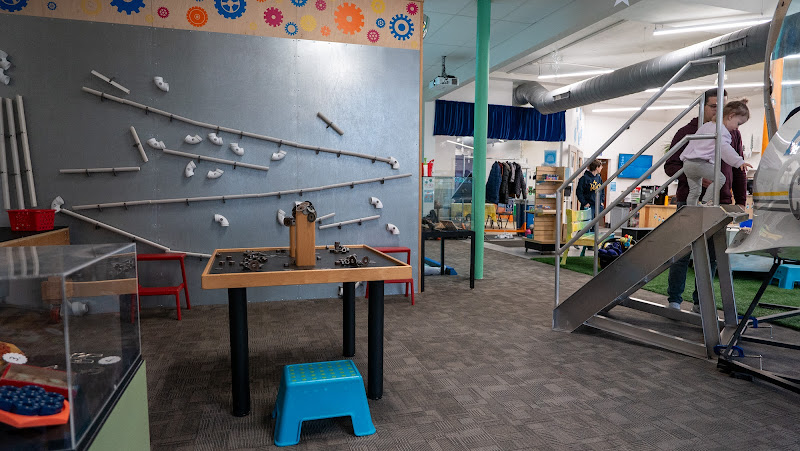
Walking inside, you get the sense that this place was designed with kids’ curiosity in mind. Exhibits range from a life-size pirate ship to interactive STEM stations where ramps, magnets, and balls become tools for discovery. There’s even a canoe exhibit that teaches about the Ojibwe wild rice harvest, which is something you don’t usually see in a children’s museum. It’s not perfect—sometimes exhibits show a little wear and tear from all the love they get—but that’s part of its charm. Families who come here often say their kids don’t want to leave, and honestly, that’s probably the best review a place like this can get.
The atmosphere is warm, welcoming, and refreshingly unpretentious. Parents appreciate that it’s accessible, with wheelchair-friendly entrances and restrooms, plus a gift shop for those inevitable “can we get something?” moments. It’s a spot that balances education and play in a way that feels meaningful, not forced. Sure, not every visitor walks away blown away, but the majority leave with smiles, tired kids, and a camera roll full of happy photos. And at the end of the day, that’s what really counts.
Key Features
- Interactive exhibits like a life-size pirate ship, animal hospital, and giant magnet wall
- STEM-focused play areas that encourage problem-solving and creativity
- Cultural exhibits including Ojibwe language and traditions tied to the St. Louis River Estuary
- Daily programs such as art classes, story times, and science demonstrations
- Two floors of hands-on activities designed for kids of all ages
- Wheelchair accessible entrances, restrooms, and parking
- On-site gift shop for souvenirs and educational toys
- Changing tables and a small play area for younger children
Best Time to Visit
Timing your visit can make a big difference here. Weekday mornings are usually the calmest, especially during the school year when most kids are in class. If you’ve got toddlers or preschoolers, that’s the sweet spot—you’ll find fewer crowds and more space to let your little ones roam. Weekends can get lively, especially on rainy days when families flock indoors. Personally, I think winter is an underrated time to go. Duluth winters are long and cold, and this museum is a lifesaver for parents looking to burn off kid energy without freezing outside. Summer is fun too, but expect more tourists. If you’re hoping for a quieter experience, aim for late afternoons when the crowds thin out and the museum starts to wind down.
How to Get There
The museum sits in Duluth, Minnesota, a city that’s already a popular stop along Lake Superior. If you’re driving in, it’s easy to access from the main highways, and there’s parking nearby that doesn’t usually cause too much of a headache. For those staying downtown, it’s just a short drive away, and you could even pair it with other family-friendly attractions in the area. Public transportation is an option, though most families find it easier to drive given all the gear kids tend to require. If you’re coming from farther out, Duluth International Airport is about a 15-minute drive away, making it a manageable day trip even if you’re flying in.
Tips for Visiting
A few things I’ve learned—sometimes the hard way—can help make your visit smoother. First off, wear comfortable shoes. You’ll be on your feet a lot, chasing kids from one exhibit to the next. Bring snacks and water, too. There isn’t a restaurant inside, but there are restrooms and changing tables, which is a relief for parents with younger kids. If your child has a favorite small toy or comfort item, it’s worth bringing along—it helps keep meltdowns at bay when it’s time to leave a favorite exhibit.
Budget a couple of hours at least. Some families stay all day, but younger kids usually hit their limit around the two-hour mark. If you can, try to catch one of the daily programs—they’re short, engaging, and a nice break from free play. And don’t skip the gift shop. It’s not just trinkets; you’ll find educational games, puzzles, and books that can extend the learning once you’re back home.
Lastly, go with the flow. Kids will gravitate toward what excites them, and that’s kind of the beauty of this museum. It’s less about following a strict plan and more about letting curiosity lead the way. If you keep your expectations flexible, you’ll likely walk out with happy kids and maybe even a little inspiration yourself.
Key Features
- Interactive exhibits like a life-size pirate ship, animal hospital, and giant magnet wall
- STEM-focused play areas that encourage problem-solving and creativity
- Cultural exhibits including Ojibwe language and traditions tied to the St. Louis River Estuary
- Daily programs such as art classes, story times, and science demonstrations
- Two floors of hands-on activities designed for kids of all ages
- Wheelchair accessible entrances, restrooms, and parking
- On-site gift shop for souvenirs and educational toys
- Changing tables and a small play area for younger children
More Details
Updated September 9, 2025
Table of Contents
Description
The Duluth Children’s Museum is one of those places that manages to blend fun with learning in a way that feels almost effortless. It’s not a sterile, “look but don’t touch” type of museum. Instead, kids are encouraged to climb, build, tinker, and imagine. Established way back in 1930, it holds the distinction of being one of the oldest children’s museums in the United States, which is kind of wild when you think about how forward-thinking it still feels today. The museum has grown into a community hub where families, educators, and curious little minds come together to explore science, culture, art, and history—all through hands-on play.
Walking inside, you get the sense that this place was designed with kids’ curiosity in mind. Exhibits range from a life-size pirate ship to interactive STEM stations where ramps, magnets, and balls become tools for discovery. There’s even a canoe exhibit that teaches about the Ojibwe wild rice harvest, which is something you don’t usually see in a children’s museum. It’s not perfect—sometimes exhibits show a little wear and tear from all the love they get—but that’s part of its charm. Families who come here often say their kids don’t want to leave, and honestly, that’s probably the best review a place like this can get.
The atmosphere is warm, welcoming, and refreshingly unpretentious. Parents appreciate that it’s accessible, with wheelchair-friendly entrances and restrooms, plus a gift shop for those inevitable “can we get something?” moments. It’s a spot that balances education and play in a way that feels meaningful, not forced. Sure, not every visitor walks away blown away, but the majority leave with smiles, tired kids, and a camera roll full of happy photos. And at the end of the day, that’s what really counts.
Key Features
- Interactive exhibits like a life-size pirate ship, animal hospital, and giant magnet wall
- STEM-focused play areas that encourage problem-solving and creativity
- Cultural exhibits including Ojibwe language and traditions tied to the St. Louis River Estuary
- Daily programs such as art classes, story times, and science demonstrations
- Two floors of hands-on activities designed for kids of all ages
- Wheelchair accessible entrances, restrooms, and parking
- On-site gift shop for souvenirs and educational toys
- Changing tables and a small play area for younger children
Best Time to Visit
Timing your visit can make a big difference here. Weekday mornings are usually the calmest, especially during the school year when most kids are in class. If you’ve got toddlers or preschoolers, that’s the sweet spot—you’ll find fewer crowds and more space to let your little ones roam. Weekends can get lively, especially on rainy days when families flock indoors. Personally, I think winter is an underrated time to go. Duluth winters are long and cold, and this museum is a lifesaver for parents looking to burn off kid energy without freezing outside. Summer is fun too, but expect more tourists. If you’re hoping for a quieter experience, aim for late afternoons when the crowds thin out and the museum starts to wind down.
How to Get There
The museum sits in Duluth, Minnesota, a city that’s already a popular stop along Lake Superior. If you’re driving in, it’s easy to access from the main highways, and there’s parking nearby that doesn’t usually cause too much of a headache. For those staying downtown, it’s just a short drive away, and you could even pair it with other family-friendly attractions in the area. Public transportation is an option, though most families find it easier to drive given all the gear kids tend to require. If you’re coming from farther out, Duluth International Airport is about a 15-minute drive away, making it a manageable day trip even if you’re flying in.
Tips for Visiting
A few things I’ve learned—sometimes the hard way—can help make your visit smoother. First off, wear comfortable shoes. You’ll be on your feet a lot, chasing kids from one exhibit to the next. Bring snacks and water, too. There isn’t a restaurant inside, but there are restrooms and changing tables, which is a relief for parents with younger kids. If your child has a favorite small toy or comfort item, it’s worth bringing along—it helps keep meltdowns at bay when it’s time to leave a favorite exhibit.
Budget a couple of hours at least. Some families stay all day, but younger kids usually hit their limit around the two-hour mark. If you can, try to catch one of the daily programs—they’re short, engaging, and a nice break from free play. And don’t skip the gift shop. It’s not just trinkets; you’ll find educational games, puzzles, and books that can extend the learning once you’re back home.
Lastly, go with the flow. Kids will gravitate toward what excites them, and that’s kind of the beauty of this museum. It’s less about following a strict plan and more about letting curiosity lead the way. If you keep your expectations flexible, you’ll likely walk out with happy kids and maybe even a little inspiration yourself.
Key Highlights
- Interactive exhibits like a life-size pirate ship, animal hospital, and giant magnet wall
- STEM-focused play areas that encourage problem-solving and creativity
- Cultural exhibits including Ojibwe language and traditions tied to the St. Louis River Estuary
- Daily programs such as art classes, story times, and science demonstrations
- Two floors of hands-on activities designed for kids of all ages
- Wheelchair accessible entrances, restrooms, and parking
- On-site gift shop for souvenirs and educational toys
- Changing tables and a small play area for younger children
Location
Places to Stay Near Duluth Children's Museum
Find and Book a Tour
Explore More Travel Guides
No reviews found! Be the first to review!
Traveler Reviews for Duluth Children’s Museum
There are no reviews yet. Be the first one to write one.
Have you visited Duluth Children’s Museum? Help other travelers by sharing your review.
You Might Also Like

Spirit Mountain Recreation Area
Glensheen Mansion
Enger Park
Find Accommodations Nearby
Recommended Tours & Activities
Visitor Reviews
There are no reviews yet. Be the first one to write one.
Share Your Experience
Have you visited Duluth Children’s Museum? Help other travelers by leaving a review.