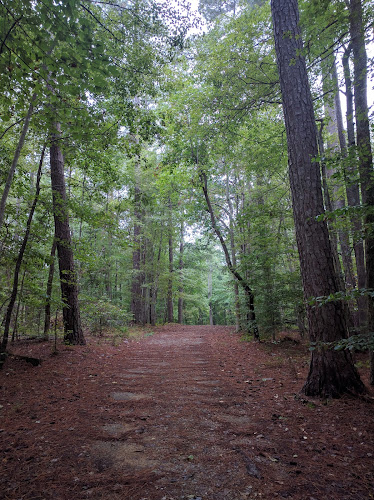
About Duke Forest

Description

Duke Forest represents one of those rare gems where academic purpose and public enjoyment intersect in the most wonderful way. Spanning over 7,000 acres across multiple divisions in North Carolina's piedmont region, this expansive research forest serves as Duke University's living laboratory while simultaneously offering travelers and outdoor enthusiasts a genuine escape into nature that feels surprisingly untouched despite its proximity to urban areas. The forest isn't your typical manicured park with paved pathways and visitor centers—and honestly, that's precisely what makes it special. Instead, visitors discover a working forest where ecological research happens alongside weekend hikes, where graduate students might be studying soil composition while families explore winding trails just a few hundred yards away. I've always found there's something humbling about walking through a landscape that serves such a dual purpose, where every tree and stream contributes to scientific understanding while still welcoming anyone who wants to lace up their boots and explore. The Duke Forest system actually consists of six separate divisions scattered around Durham and Orange Counties, each with its own character and trail systems. This means travelers have multiple entry points to choose from, depending on where they're staying or what kind of experience they're after. The Korstian Division and Gate 7 entrance tend to be the most popular with visitors, but seasoned explorers know that each division offers something slightly different in terms of terrain, vegetation, and solitude. What strikes most people upon their first visit is just how quiet and peaceful these woods can be. Even on busy weekends, the sheer size of the forest means you can find yourself completely alone on a trail, surrounded by towering oaks and pines, with only bird songs and rustling leaves for company. It's remarkable really, considering you're often just minutes away from major highways and suburban neighborhoods.

Key Features

Duke Forest delivers an impressive array of features that make it worth adding to any North Carolina travel itinerary:
  • Over 30 miles of trails ranging from easy walks to more challenging terrain that'll get your heart pumping
  • Six distinct forest divisions providing varied landscapes and ecosystems to explore
  • Well-maintained hiking trails that showcase the region's natural piedmont ecology
  • Dog-friendly policies that make it perfect for travelers with four-legged companions
  • Picnic facilities available at several access points for post-hike meals
  • Kid-friendly trail options that won't overwhelm younger hikers but still feel like real adventures
  • Exceptional bird watching opportunities with diverse species throughout different seasons
  • Educational signage and research installations that offer insight into ongoing ecological studies
  • Free access to the public, making it an budget-friendly attraction for travelers
  • Minimal crowds compared to more commercial tourist destinations in the region
  • Diverse tree species including mature hardwoods, pine forests, and regenerating areas
  • Stream crossings and small watersheds that add character to trail experiences
The trails themselves vary considerably in difficulty and length. Some paths are gentle enough for families with small children or visitors who just want a leisurely stroll without too much elevation change. But there are also more rugged routes where you'll navigate roots, rocks, and steeper inclines that provide a genuine workout. And because the forest primarily serves research and teaching functions, you might stumble upon experimental plots, monitoring equipment, or study sites that remind you this isn't just preserved land—it's actively managed and investigated.

Best Time to Visit

Here's the thing about Duke Forest: it genuinely offers rewarding experiences year-round, though each season brings its own personality to the trails. I've visited in every season, and each time felt distinctly different. Fall might be the obvious choice, and for good reason. From late October through mid-November, the hardwood forests transform into a spectacular display of reds, oranges, and yellows. The temperatures typically hover in that perfect 60-70 degree range that makes hiking comfortable without overheating. Plus, fallen leaves create that satisfying crunch underfoot that somehow makes every walk more enjoyable. The crisp air and lower humidity levels mean you can tackle longer trails without feeling completely drained. Spring runs a close second in my book. March through May brings wildflowers blooming across the forest floor, and the trees leafing out create this fresh, vibrant green canopy overhead. Temperatures are moderate, though you'll want to prepare for occasional rain showers that are common during this season. The bird activity peaks during spring migration, making it an exceptional time for travelers who enjoy wildlife watching. Just be aware that late spring can bring ticks and mosquitoes, so proper precautions are necessary. Summer visits require a bit more planning and realistic expectations. June through August can be hot and humid—we're talking temperatures in the 80s and 90s with humidity that feels like walking through soup. But early morning hikes before 9 AM can be absolutely magical, with morning light filtering through the canopy and cooler temperatures making the trails quite pleasant. Afternoon thunderstorms are common, so checking weather forecasts becomes essential. Winter shouldn't be dismissed either. While deciduous trees lose their leaves, this actually opens up views and sightlines that remain hidden during other seasons. The trails tend to be emptiest during winter months, offering solitude that's increasingly hard to find. Temperatures generally stay mild enough for comfortable hiking with appropriate layers, though occasional ice or snow can make trails slippery and more challenging. Weekday visits typically offer more solitude than weekends, particularly during morning hours. If you're traveling through the area and have flexibility in your schedule, a Tuesday or Wednesday morning visit might provide the most peaceful experience.

How to Get There

Getting to Duke Forest requires a bit more planning than arriving at a typical tourist attraction since there isn't a single main entrance or visitor center. Instead, travelers need to choose which division they want to explore and navigate to that specific access point. The Korstian Division represents the most popular and accessible entry point for most visitors. This division sits just off of Highway 751, making it straightforward to reach whether you're driving from Durham, Chapel Hill, or points beyond. Most GPS systems and mapping apps will get you there if you search for "Duke Forest Korstian Division" or "Duke Forest Gate 7," though having a backup map or directions proves helpful since cell service can be spotty. From Durham, the drive typically takes 15-20 minutes depending on traffic and your starting point. From Chapel Hill, expect about 20-25 minutes. Travelers coming from Raleigh will need about 35-40 minutes, primarily via Highway 40 and then connecting roads. Parking availability varies by division and access point. The main Korstian Division entrance offers a small gravel parking area that can accommodate maybe 15-20 vehicles. On popular weekend mornings, particularly during peak fall foliage season, this lot can fill up quickly. Arriving before 9 AM significantly improves your chances of snagging a spot. Other divisions have even more limited parking—sometimes just roadside pull-offs that fit 3-4 cars. Public transportation doesn't really serve Duke Forest well, unfortunately. While Durham and Chapel Hill have bus systems, none of the routes provide convenient access to forest entrances. Travelers without personal vehicles might consider ride-sharing services, though getting a return ride from some of the more remote access points could prove challenging since cell service isn't always reliable. The forest roads and access points aren't always clearly marked, which can frustrate first-time visitors. I'd recommend downloading offline maps or taking screenshots of directions before you head out, since you may not be able to look things up once you're navigating rural roads with limited connectivity.

Tips for Visiting

Duke Forest rewards prepared visitors while occasionally humbling those who show up unprepared, so here are some hard-earned insights for making the most of your visit. Bring your own water and snacks—there are no facilities, concessions, or water fountains anywhere in the forest. I learned this the hard way on a hot September afternoon when a planned two-hour hike stretched longer and I ran through my single water bottle way too quickly. Now I always pack more water than seems necessary. Trail markers and signage exist but aren't as comprehensive as you'd find in a commercial park. Some trails are well-blazed with color-coded markers, while others rely on your ability to follow worn paths and occasional cairns. Downloading trail maps beforehand or carrying a physical map proves invaluable. Several divisions have trail maps posted at entrances, and photographing these with your phone provides a helpful reference. The forest allows dogs, which delights traveling pet owners, but they must remain on leashes. You'll see plenty of other hikers with dogs, and the trails work well for most breeds, though extremely small dogs might struggle with some of the rougher terrain and stream crossings. Wear appropriate footwear—this can't be stressed enough. Sneakers might work on drier days for easier trails, but proper hiking boots or trail shoes with good traction make a significant difference on most routes. Some sections can be muddy even days after rain, and exposed roots and rocks create tripping hazards for anyone in inadequate footwear. Ticks are a real concern from spring through fall. I've pulled multiple ticks off myself and my hiking partners after Duke Forest visits. Wearing long pants, using insect repellent with DEET, and conducting thorough tick checks after your hike aren't optional precautions—they're necessities. Tucking pants into socks might look silly but really does help. Poison ivy grows abundantly throughout the forest. Learning to identify those distinctive three-leaved clusters and staying on established trails helps minimize exposure risk, but long pants provide an additional barrier even when you're being careful. Cell phone coverage is unreliable throughout much of the forest. Don't plan on using your phone for navigation or emergency communication once you're on the trails. Let someone know your plans before heading out, and carry a basic first aid kit. The forest gates close at dusk, and you really don't want to get locked in. Plan your hike to finish with plenty of daylight remaining, particularly during winter when sunset comes early. Rangers do lock the gates, and getting out after closing requires an awkward phone call and waiting for someone to come unlock things. Restroom facilities are essentially non-existent, so plan accordingly before arriving. There are no outhouses or portable toilets at most access points. For families with children, the trails near the Korstian Division entrance offer the best combination of manageable distances and interesting features like small streams and varied terrain. Kids generally enjoy the sense of exploration without trails being so challenging that they become frustrated or exhausted. Photography enthusiasts should know that the dense canopy creates challenging lighting conditions, particularly during midday. Early morning and late afternoon provide better light for capturing the forest's beauty. A polarizing filter helps with the variable lighting and reducing glare from foliage. Duke Forest operates primarily as a research and teaching facility, so occasionally you might encounter areas marked for research projects or temporarily closed sections. Respect these boundaries—the scientific work happening here contributes to broader ecological understanding and forest management practices. Finally, remember that this isn't a curated tourist experience with amenities and safety nets. That's precisely what makes it special, but it also means taking personal responsibility for your safety and preparedness. The rewards of exploring this remarkable forest are substantial for travelers willing to engage with it on its own terms rather than expecting it to cater to visitors.

Key Features

  • Over 7,000 acres of mixed forest across multiple tracts
  • Designated research and teaching areas with interpretive markers
  • Network of trails, forest roads and trailheads accessible for hiking, running and biking
  • Wildlife viewing, seasonal wildflowers and notable fall foliage
  • Multiple gated access points with posted maps and regulations

More Details

Updated January 5, 2026

Description

Duke Forest represents one of those rare gems where academic purpose and public enjoyment intersect in the most wonderful way. Spanning over 7,000 acres across multiple divisions in North Carolina’s piedmont region, this expansive research forest serves as Duke University’s living laboratory while simultaneously offering travelers and outdoor enthusiasts a genuine escape into nature that feels surprisingly untouched despite its proximity to urban areas.

The forest isn’t your typical manicured park with paved pathways and visitor centers—and honestly, that’s precisely what makes it special. Instead, visitors discover a working forest where ecological research happens alongside weekend hikes, where graduate students might be studying soil composition while families explore winding trails just a few hundred yards away. I’ve always found there’s something humbling about walking through a landscape that serves such a dual purpose, where every tree and stream contributes to scientific understanding while still welcoming anyone who wants to lace up their boots and explore.

The Duke Forest system actually consists of six separate divisions scattered around Durham and Orange Counties, each with its own character and trail systems. This means travelers have multiple entry points to choose from, depending on where they’re staying or what kind of experience they’re after. The Korstian Division and Gate 7 entrance tend to be the most popular with visitors, but seasoned explorers know that each division offers something slightly different in terms of terrain, vegetation, and solitude.

What strikes most people upon their first visit is just how quiet and peaceful these woods can be. Even on busy weekends, the sheer size of the forest means you can find yourself completely alone on a trail, surrounded by towering oaks and pines, with only bird songs and rustling leaves for company. It’s remarkable really, considering you’re often just minutes away from major highways and suburban neighborhoods.

Key Features

Duke Forest delivers an impressive array of features that make it worth adding to any North Carolina travel itinerary:

  • Over 30 miles of trails ranging from easy walks to more challenging terrain that’ll get your heart pumping
  • Six distinct forest divisions providing varied landscapes and ecosystems to explore
  • Well-maintained hiking trails that showcase the region’s natural piedmont ecology
  • Dog-friendly policies that make it perfect for travelers with four-legged companions
  • Picnic facilities available at several access points for post-hike meals
  • Kid-friendly trail options that won’t overwhelm younger hikers but still feel like real adventures
  • Exceptional bird watching opportunities with diverse species throughout different seasons
  • Educational signage and research installations that offer insight into ongoing ecological studies
  • Free access to the public, making it an budget-friendly attraction for travelers
  • Minimal crowds compared to more commercial tourist destinations in the region
  • Diverse tree species including mature hardwoods, pine forests, and regenerating areas
  • Stream crossings and small watersheds that add character to trail experiences

The trails themselves vary considerably in difficulty and length. Some paths are gentle enough for families with small children or visitors who just want a leisurely stroll without too much elevation change. But there are also more rugged routes where you’ll navigate roots, rocks, and steeper inclines that provide a genuine workout. And because the forest primarily serves research and teaching functions, you might stumble upon experimental plots, monitoring equipment, or study sites that remind you this isn’t just preserved land—it’s actively managed and investigated.

Best Time to Visit

Here’s the thing about Duke Forest: it genuinely offers rewarding experiences year-round, though each season brings its own personality to the trails. I’ve visited in every season, and each time felt distinctly different.

Fall might be the obvious choice, and for good reason. From late October through mid-November, the hardwood forests transform into a spectacular display of reds, oranges, and yellows. The temperatures typically hover in that perfect 60-70 degree range that makes hiking comfortable without overheating. Plus, fallen leaves create that satisfying crunch underfoot that somehow makes every walk more enjoyable. The crisp air and lower humidity levels mean you can tackle longer trails without feeling completely drained.

Spring runs a close second in my book. March through May brings wildflowers blooming across the forest floor, and the trees leafing out create this fresh, vibrant green canopy overhead. Temperatures are moderate, though you’ll want to prepare for occasional rain showers that are common during this season. The bird activity peaks during spring migration, making it an exceptional time for travelers who enjoy wildlife watching. Just be aware that late spring can bring ticks and mosquitoes, so proper precautions are necessary.

Summer visits require a bit more planning and realistic expectations. June through August can be hot and humid—we’re talking temperatures in the 80s and 90s with humidity that feels like walking through soup. But early morning hikes before 9 AM can be absolutely magical, with morning light filtering through the canopy and cooler temperatures making the trails quite pleasant. Afternoon thunderstorms are common, so checking weather forecasts becomes essential.

Winter shouldn’t be dismissed either. While deciduous trees lose their leaves, this actually opens up views and sightlines that remain hidden during other seasons. The trails tend to be emptiest during winter months, offering solitude that’s increasingly hard to find. Temperatures generally stay mild enough for comfortable hiking with appropriate layers, though occasional ice or snow can make trails slippery and more challenging.

Weekday visits typically offer more solitude than weekends, particularly during morning hours. If you’re traveling through the area and have flexibility in your schedule, a Tuesday or Wednesday morning visit might provide the most peaceful experience.

How to Get There

Getting to Duke Forest requires a bit more planning than arriving at a typical tourist attraction since there isn’t a single main entrance or visitor center. Instead, travelers need to choose which division they want to explore and navigate to that specific access point.

The Korstian Division represents the most popular and accessible entry point for most visitors. This division sits just off of Highway 751, making it straightforward to reach whether you’re driving from Durham, Chapel Hill, or points beyond. Most GPS systems and mapping apps will get you there if you search for “Duke Forest Korstian Division” or “Duke Forest Gate 7,” though having a backup map or directions proves helpful since cell service can be spotty.

From Durham, the drive typically takes 15-20 minutes depending on traffic and your starting point. From Chapel Hill, expect about 20-25 minutes. Travelers coming from Raleigh will need about 35-40 minutes, primarily via Highway 40 and then connecting roads.

Parking availability varies by division and access point. The main Korstian Division entrance offers a small gravel parking area that can accommodate maybe 15-20 vehicles. On popular weekend mornings, particularly during peak fall foliage season, this lot can fill up quickly. Arriving before 9 AM significantly improves your chances of snagging a spot. Other divisions have even more limited parking—sometimes just roadside pull-offs that fit 3-4 cars.

Public transportation doesn’t really serve Duke Forest well, unfortunately. While Durham and Chapel Hill have bus systems, none of the routes provide convenient access to forest entrances. Travelers without personal vehicles might consider ride-sharing services, though getting a return ride from some of the more remote access points could prove challenging since cell service isn’t always reliable.

The forest roads and access points aren’t always clearly marked, which can frustrate first-time visitors. I’d recommend downloading offline maps or taking screenshots of directions before you head out, since you may not be able to look things up once you’re navigating rural roads with limited connectivity.

Tips for Visiting

Duke Forest rewards prepared visitors while occasionally humbling those who show up unprepared, so here are some hard-earned insights for making the most of your visit.

Bring your own water and snacks—there are no facilities, concessions, or water fountains anywhere in the forest. I learned this the hard way on a hot September afternoon when a planned two-hour hike stretched longer and I ran through my single water bottle way too quickly. Now I always pack more water than seems necessary.

Trail markers and signage exist but aren’t as comprehensive as you’d find in a commercial park. Some trails are well-blazed with color-coded markers, while others rely on your ability to follow worn paths and occasional cairns. Downloading trail maps beforehand or carrying a physical map proves invaluable. Several divisions have trail maps posted at entrances, and photographing these with your phone provides a helpful reference.

The forest allows dogs, which delights traveling pet owners, but they must remain on leashes. You’ll see plenty of other hikers with dogs, and the trails work well for most breeds, though extremely small dogs might struggle with some of the rougher terrain and stream crossings.

Wear appropriate footwear—this can’t be stressed enough. Sneakers might work on drier days for easier trails, but proper hiking boots or trail shoes with good traction make a significant difference on most routes. Some sections can be muddy even days after rain, and exposed roots and rocks create tripping hazards for anyone in inadequate footwear.

Ticks are a real concern from spring through fall. I’ve pulled multiple ticks off myself and my hiking partners after Duke Forest visits. Wearing long pants, using insect repellent with DEET, and conducting thorough tick checks after your hike aren’t optional precautions—they’re necessities. Tucking pants into socks might look silly but really does help.

Poison ivy grows abundantly throughout the forest. Learning to identify those distinctive three-leaved clusters and staying on established trails helps minimize exposure risk, but long pants provide an additional barrier even when you’re being careful.

Cell phone coverage is unreliable throughout much of the forest. Don’t plan on using your phone for navigation or emergency communication once you’re on the trails. Let someone know your plans before heading out, and carry a basic first aid kit.

The forest gates close at dusk, and you really don’t want to get locked in. Plan your hike to finish with plenty of daylight remaining, particularly during winter when sunset comes early. Rangers do lock the gates, and getting out after closing requires an awkward phone call and waiting for someone to come unlock things.

Restroom facilities are essentially non-existent, so plan accordingly before arriving. There are no outhouses or portable toilets at most access points.

For families with children, the trails near the Korstian Division entrance offer the best combination of manageable distances and interesting features like small streams and varied terrain. Kids generally enjoy the sense of exploration without trails being so challenging that they become frustrated or exhausted.

Photography enthusiasts should know that the dense canopy creates challenging lighting conditions, particularly during midday. Early morning and late afternoon provide better light for capturing the forest’s beauty. A polarizing filter helps with the variable lighting and reducing glare from foliage.

Duke Forest operates primarily as a research and teaching facility, so occasionally you might encounter areas marked for research projects or temporarily closed sections. Respect these boundaries—the scientific work happening here contributes to broader ecological understanding and forest management practices.

Finally, remember that this isn’t a curated tourist experience with amenities and safety nets. That’s precisely what makes it special, but it also means taking personal responsibility for your safety and preparedness. The rewards of exploring this remarkable forest are substantial for travelers willing to engage with it on its own terms rather than expecting it to cater to visitors.

Key Highlights

  • Over 7,000 acres of mixed forest across multiple tracts
  • Designated research and teaching areas with interpretive markers
  • Network of trails, forest roads and trailheads accessible for hiking, running and biking
  • Wildlife viewing, seasonal wildflowers and notable fall foliage
  • Multiple gated access points with posted maps and regulations

Location

Places to Stay Near Duke Forest

Find and Book a Tour

Explore More Travel Guides

No reviews found! Be the first to review!

Traveler Reviews for Duke Forest

There are no reviews yet. Be the first one to write one.

Share Your Experience

Have you visited Duke Forest? Help other travelers by sharing your review.

Nearby Attractions

Duke University campus and Duke Gardens Durham Parks & Recreation trails and greenways Downtown Durham dining and cultural attractions

Find Accommodations Nearby

Recommended Tours & Activities

Visitor Reviews

There are no reviews yet. Be the first one to write one.

Share Your Experience

Have you visited Duke Forest? Help other travelers by leaving a review.