
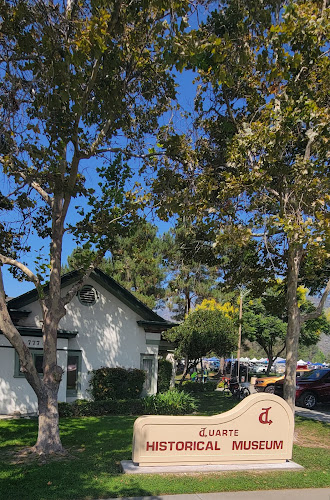
Duarte Historical Museum
About Duarte Historical Museum
Description
There’s something quietly charming about the Duarte Historical Museum — the kind of place that feels like a time capsule, but one that’s been lovingly polished by the hands of people who truly care about their city’s story. Tucked away in the San Gabriel Valley, this museum captures the essence of Duarte’s journey from a small agricultural settlement to a modern-day community with a strong sense of identity. It’s not a flashy place, and that’s exactly what makes it special. You walk in and immediately feel that mix of nostalgia and curiosity — the kind that makes you want to linger a little longer by each display case.
Inside, visitors find a fascinating blend of old photographs, documents, and artifacts that tell the story of Duarte’s early ranch days, its citrus-growing boom, and the people who shaped its evolution. There’s a warmth to the exhibits — you can tell many of the items were donated by local families, each piece carrying a personal connection. The museum also highlights the area’s connections to the legendary Route 66, which passes nearby, adding a layer of Americana that travelers often find irresistible. It’s not a massive museum, but it’s packed with heart and history — the kind of place that rewards those who take their time.
I remember my first visit there — I expected a quick 15-minute stop, but I ended up staying for over an hour, chatting with one of the volunteers about Duarte’s early settlers. She spoke about the ranchos and the early days of agriculture in the valley like she’d lived through it herself. That’s the thing about this museum: it’s run by people who don’t just know the history, they feel it. And that makes a world of difference.
Key Features
- Local History Exhibits: Displays covering Duarte’s early ranching era, citrus farming, and community growth through the 20th century.
- Interactive Displays: Some exhibits include digital elements and oral history recordings, giving visitors a chance to hear stories directly from longtime residents.
- Rotating Programs: Seasonal exhibits and collaborations, especially during Black History Month, when the museum partners with local organizations for special displays.
- Family-Friendly Environment: The museum is great for kids, with approachable exhibits and volunteers who love answering questions.
- Accessibility: Wheelchair-accessible entrances, restrooms, and parking make it easy for everyone to enjoy the experience.
- Guided Tours: Friendly docents offer tours that bring Duarte’s past to life with anecdotes and local legends.
- Peaceful Surroundings: Located in a quiet, tree-lined area that invites visitors to slow down and reflect after exploring the exhibits.
What I personally love most is how unpretentious it all feels. You won’t find velvet ropes or sterile glass boxes everywhere — instead, you get a sense of intimacy. You’re not just looking at history; you’re sort of walking through it. And if you’re lucky, one of the long-time volunteers might share a story or two that isn’t written on any of the display cards.
Best Time to Visit
Honestly, there’s no bad time to visit, but if you want to catch the museum at its most lively, plan your trip around community events or special exhibits. February is a standout month because of the Black History Month programs — they’re heartfelt, educational, and often include guest speakers and performances that bring the museum’s mission to life. Spring and fall are also great seasons weather-wise; the surrounding area is pleasant for a stroll before or after your visit.
Weekends tend to be a bit busier, but not overwhelmingly so. If you prefer a quieter experience, drop by on a weekday afternoon. You’ll have more space to explore and maybe even get some one-on-one time with a docent. And if you’re the kind of traveler who likes to mix history with a bit of local flavor, pair your visit with a stop at one of the nearby diners or coffee shops — there’s something about a slice of pie after a history lesson that just feels right.
How to Get There
Duarte sits comfortably along the foothills of the San Gabriel Mountains, making it easily accessible whether you’re coming from Los Angeles or neighboring cities like Monrovia or Azusa. If you’re driving, there’s convenient on-site parking available, and the area is well-marked, so you won’t have to circle endlessly to find the entrance. For those who prefer public transportation, the Metro Gold Line (now part of the A Line) stops nearby, and a short rideshare or local bus ride will get you to the museum in just a few minutes.
If you’re road-tripping along Route 66, this is a perfect detour. The museum sits just a stone’s throw from the historic highway, making it a natural stop for anyone exploring California’s legendary roadways. I’ve done that drive myself — windows down, old rock tunes playing — and stumbling upon places like this is what makes the journey memorable. Duarte’s museum might not be a grand landmark, but it’s the kind of place that adds depth to your trip, reminding you that every town has its own story worth hearing.
Tips for Visiting
Here’s the thing: the Duarte Historical Museum isn’t the kind of place you rush through. Give yourself time to soak it all in. Spend a few minutes really looking at the old photographs — the faces, the clothing, the handwritten captions. It’s those details that make the past feel real. And don’t skip the oral history exhibits if they’re available; hearing the voices of people who lived through Duarte’s changes adds an emotional layer that you won’t get from text alone.
- Check the schedule: The museum occasionally hosts special events and temporary exhibits, so check ahead to see what’s on during your visit.
- Bring the family: Kids often enjoy the storytelling aspect of the exhibits, and the staff are great at engaging young visitors.
- Talk to the volunteers: They’re local experts with a treasure trove of stories — some funny, some touching, all fascinating.
- Take your time: Even though it’s a small museum, it’s full of details that are easy to overlook if you’re in a hurry.
- Combine it with nearby attractions: Duarte is close to hiking trails, parks, and the foothills, so you can make a full day of it.
- Accessibility matters: The museum is wheelchair-friendly and has accessible restrooms and parking, which makes it comfortable for all visitors.
One small personal tip — if you’re someone who loves photography, bring your camera. The lighting inside is soft and warm, perfect for capturing the textures of old wood, weathered documents, and vintage artifacts. Just be respectful of any no-flash rules, of course. And when you’re done exploring, take a moment outside to breathe in the quiet. You’ll notice the faint hum of the nearby freeway, but mostly, it’s peaceful — the kind of calm that makes you appreciate how much history lives in small corners of California.
In a world where so many attractions compete for attention with flashy displays and over-the-top gimmicks, the Duarte Historical Museum stands out by doing the opposite. It invites you to slow down, listen, and connect. For travelers who crave authenticity — real stories, real people, real places — this little museum delivers that in spades. It’s not just about learning history; it’s about feeling it, one exhibit at a time.
Key Features
- Key Features
- Best Time to Visit
- How to Get There
- Tips for Visiting
Tours & Activities
GetYourGuide provides this tour inventory. We may earn a commission if you book through it; verify current availability, prices, and terms with the provider.
Visitor Reviews
There are no reviews yet. Be the first one to write one.
Share Your Experience
Have you visited Duarte Historical Museum? Help other travelers by leaving a review.