
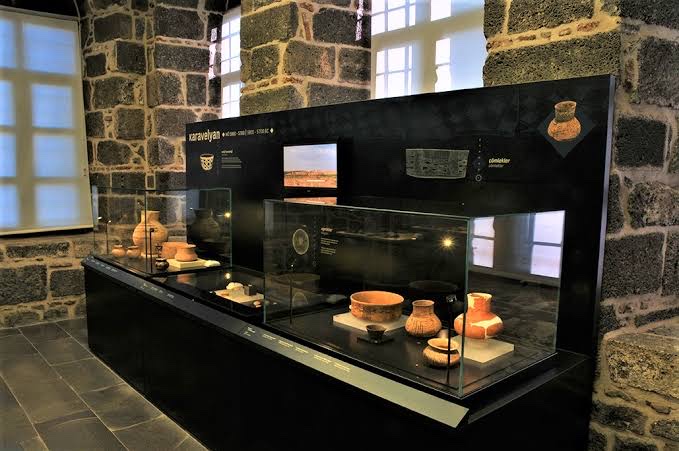
Diyarbakır Arkeoloji Müzesi
About Diyarbakır Arkeoloji Müzesi
Description
The Diyarbakır Archaeological Museum stands as one of Turkey's most fascinating repositories of ancient civilizations, housing an extraordinary collection that spans millennia of human history in this strategically important region. Originally established in 1934 within the historic Zinciriye (Senceriye) Medrese near the famous Ulu Mosque, the museum found its permanent home on Elazığ Street in 1985 and opened its doors to the public in 1993.
What makes this museum particularly compelling is its focus on the rich archaeological heritage of southeastern Turkey, a crossroads where countless civilizations have left their mark. The collection showcases artifacts from the Prehistoric era through the Old Bronze Age, Urartu, Assyrian periods and beyond - each piece telling a story of the people who once called this ancient land home. You'll find yourself transported through time as you explore displays featuring everything from delicate pottery and jewelry to imposing stone sculptures and ceremonial objects.
The museum's strength lies not just in the breadth of its collection, but in how it presents the unique cultural tapestry of Diyarbakır and its surroundings. Many of the artifacts were discovered during local archaeological excavations, while others were acquired through purchases and confiscations, ensuring that these precious pieces of history remain accessible to the public rather than disappearing into private collections.
Key Features
Visitors to the Diyarbakır Archaeological Museum will discover several standout features that make this institution truly special:
- Prehistoric Collection: Remarkable stone tools, pottery fragments, and early human artifacts that illuminate life in ancient Mesopotamia
- Urartu Artifacts: Impressive bronze works, ceremonial vessels, and inscriptions from this powerful ancient kingdom that once dominated the region
- Assyrian Exhibits: Cuneiform tablets, relief carvings, and royal artifacts showcasing the sophisticated culture of one of history's great empires
- Bronze Age Treasures: Weapons, tools, and decorative objects that demonstrate the technological advancement of early metalworking civilizations
- Islamic Period Displays: Later additions that bridge the gap between ancient times and the Islamic conquest of the region
- Archaeological Context: Each exhibit provides detailed information about excavation sites and historical significance
- Educational Programs: Regular workshops and guided tours that bring the ancient world to life for visitors of all ages
- Research Facilities: Active archaeological research continues to add new discoveries to the museum's collection
Best Time to Visit
Planning your visit to the Diyarbakır Archaeological Museum requires some consideration of both weather and practical factors. The museum operates year-round, but certain times offer distinct advantages for travelers.
Spring months from April to June present ideal conditions for exploring the museum and the surrounding historic district. The weather is pleasantly warm without being oppressive, and you'll have plenty of daylight hours to combine your museum visit with exploration of Diyarbakır's other attractions, including the famous city walls and Sur district.
Fall, particularly September through November, offers another excellent window for visiting. The intense summer heat has subsided, making it comfortable to walk between attractions, and the autumn light provides beautiful conditions for photography both inside and outside the museum.
While summer visits are certainly possible, keep in mind that July and August can be quite hot in southeastern Turkey. However, the museum's indoor environment provides welcome relief from the heat, making it an perfect midday activity during hotter months. And honestly, there's something almost poetic about escaping the blazing sun into the cool halls filled with artifacts from civilizations that once thrived under this same intense heat.
Winter visits have their own charm - fewer crowds mean more intimate encounters with the exhibits, though shorter daylight hours might limit your ability to explore the broader city. Tuesday through Sunday typically see moderate visitor levels, while weekends can get busier with local families and school groups.
How to Get There
Reaching the Diyarbakır Archaeological Museum is straightforward once you understand the city's layout. The museum sits on Elazığ Street, placing it within walking distance of many of Diyarbakır's central attractions and accommodations.
If you're flying in, Diyarbakır Airport connects to major Turkish cities including Istanbul, Ankara, and İzmir. From the airport, taxis provide the most direct route to the museum district, typically taking 20-30 minutes depending on traffic. Many visitors rent cars at the airport, which offers flexibility for exploring the broader region's archaeological sites.
The city's dolmuş (shared minibus) system serves the museum area well, with several routes passing near Elazığ Street. These colorful vehicles represent an authentic way to travel like locals, though they can be confusing for first-time visitors. Don't hesitate to ask fellow passengers for help - Turkish hospitality is genuine, and people often go out of their way to assist travelers.
For those arriving by long-distance bus, Diyarbakır's otogar (bus terminal) connects to the city center via local buses and taxis. The museum lies roughly in the heart of the city, making it accessible from most accommodation areas on foot or by short taxi ride.
Walking from the historic Sur district takes about 15-20 minutes, passing through interesting neighborhoods that provide glimpses into contemporary Diyarbakır life. The route is generally safe during daylight hours, though staying alert and following standard travel precautions is always wise.
Tips for Visiting
Making the most of your time at the Diyarbakır Archaeological Museum requires some insider knowledge that can transform a casual visit into a truly memorable experience.
First things first - the museum is fully wheelchair accessible with dedicated parking, entrances, and restroom facilities. Parents will appreciate that the museum welcomes children and provides family-friendly exhibits, though keeping younger ones engaged might require some creative storytelling about the ancient civilizations represented.
Photography policies can vary, so check current rules at the entrance. Some special exhibitions may restrict photos while others welcome them. When photography is allowed, the museum's lighting can be challenging - bringing a camera capable of handling low-light situations will serve you well.
Allow at least two hours for a thorough visit, though archaeology enthusiasts could easily spend half a day exploring the collections in detail. The museum isn't enormous, but the density of significant artifacts means you'll want time to read descriptions and truly absorb the historical context.
Consider timing your visit to coincide with guided tours, which often provide insights not available through static displays. Local guides frequently share stories passed down through generations, adding personal dimension to the ancient artifacts. Even if tours are in Turkish, many guides speak some English and welcome questions from international visitors.
The museum shop, while modest, offers interesting books about regional archaeology and history that make excellent souvenirs for history buffs. Publications in multiple languages help visitors continue learning about the civilizations they've encountered long after leaving Turkey.
Combining your museum visit with exploration of nearby attractions maximizes your time in Diyarbakır. The historic city walls, traditional bazaars, and religious sites all lie within reasonable walking distance, allowing you to trace the continuous thread of human habitation from prehistoric times to the present day.
And here's something I learned from experience - bring a small notebook. There's something about seeing artifacts up close that sparks questions and observations you'll want to remember later. Whether it's wondering about daily life in ancient Urartu or noting similarities between civilizations separated by centuries, having a place to jot down thoughts enhances the entire experience.
The museum staff generally speak Turkish and basic English, and they're genuinely passionate about sharing their region's history with visitors. Don't be shy about asking questions or seeking recommendations for other archaeological sites in the area - their enthusiasm for local history is infectious and often leads to discovering hidden gems you might otherwise miss.
Key Features
- Key Features
- Best Time to Visit
- How to Get There
- Tips for Visiting
More Details
Updated September 22, 2025
Table of Contents
Description
The Diyarbakır Archaeological Museum stands as one of Turkey’s most fascinating repositories of ancient civilizations, housing an extraordinary collection that spans millennia of human history in this strategically important region. Originally established in 1934 within the historic Zinciriye (Senceriye) Medrese near the famous Ulu Mosque, the museum found its permanent home on Elazığ Street in 1985 and opened its doors to the public in 1993.
What makes this museum particularly compelling is its focus on the rich archaeological heritage of southeastern Turkey, a crossroads where countless civilizations have left their mark. The collection showcases artifacts from the Prehistoric era through the Old Bronze Age, Urartu, Assyrian periods and beyond – each piece telling a story of the people who once called this ancient land home. You’ll find yourself transported through time as you explore displays featuring everything from delicate pottery and jewelry to imposing stone sculptures and ceremonial objects.
The museum’s strength lies not just in the breadth of its collection, but in how it presents the unique cultural tapestry of Diyarbakır and its surroundings. Many of the artifacts were discovered during local archaeological excavations, while others were acquired through purchases and confiscations, ensuring that these precious pieces of history remain accessible to the public rather than disappearing into private collections.
Key Features
Visitors to the Diyarbakır Archaeological Museum will discover several standout features that make this institution truly special:
- Prehistoric Collection: Remarkable stone tools, pottery fragments, and early human artifacts that illuminate life in ancient Mesopotamia
- Urartu Artifacts: Impressive bronze works, ceremonial vessels, and inscriptions from this powerful ancient kingdom that once dominated the region
- Assyrian Exhibits: Cuneiform tablets, relief carvings, and royal artifacts showcasing the sophisticated culture of one of history’s great empires
- Bronze Age Treasures: Weapons, tools, and decorative objects that demonstrate the technological advancement of early metalworking civilizations
- Islamic Period Displays: Later additions that bridge the gap between ancient times and the Islamic conquest of the region
- Archaeological Context: Each exhibit provides detailed information about excavation sites and historical significance
- Educational Programs: Regular workshops and guided tours that bring the ancient world to life for visitors of all ages
- Research Facilities: Active archaeological research continues to add new discoveries to the museum’s collection
Best Time to Visit
Planning your visit to the Diyarbakır Archaeological Museum requires some consideration of both weather and practical factors. The museum operates year-round, but certain times offer distinct advantages for travelers.
Spring months from April to June present ideal conditions for exploring the museum and the surrounding historic district. The weather is pleasantly warm without being oppressive, and you’ll have plenty of daylight hours to combine your museum visit with exploration of Diyarbakır’s other attractions, including the famous city walls and Sur district.
Fall, particularly September through November, offers another excellent window for visiting. The intense summer heat has subsided, making it comfortable to walk between attractions, and the autumn light provides beautiful conditions for photography both inside and outside the museum.
While summer visits are certainly possible, keep in mind that July and August can be quite hot in southeastern Turkey. However, the museum’s indoor environment provides welcome relief from the heat, making it an perfect midday activity during hotter months. And honestly, there’s something almost poetic about escaping the blazing sun into the cool halls filled with artifacts from civilizations that once thrived under this same intense heat.
Winter visits have their own charm – fewer crowds mean more intimate encounters with the exhibits, though shorter daylight hours might limit your ability to explore the broader city. Tuesday through Sunday typically see moderate visitor levels, while weekends can get busier with local families and school groups.
How to Get There
Reaching the Diyarbakır Archaeological Museum is straightforward once you understand the city’s layout. The museum sits on Elazığ Street, placing it within walking distance of many of Diyarbakır’s central attractions and accommodations.
If you’re flying in, Diyarbakır Airport connects to major Turkish cities including Istanbul, Ankara, and İzmir. From the airport, taxis provide the most direct route to the museum district, typically taking 20-30 minutes depending on traffic. Many visitors rent cars at the airport, which offers flexibility for exploring the broader region’s archaeological sites.
The city’s dolmuş (shared minibus) system serves the museum area well, with several routes passing near Elazığ Street. These colorful vehicles represent an authentic way to travel like locals, though they can be confusing for first-time visitors. Don’t hesitate to ask fellow passengers for help – Turkish hospitality is genuine, and people often go out of their way to assist travelers.
For those arriving by long-distance bus, Diyarbakır’s otogar (bus terminal) connects to the city center via local buses and taxis. The museum lies roughly in the heart of the city, making it accessible from most accommodation areas on foot or by short taxi ride.
Walking from the historic Sur district takes about 15-20 minutes, passing through interesting neighborhoods that provide glimpses into contemporary Diyarbakır life. The route is generally safe during daylight hours, though staying alert and following standard travel precautions is always wise.
Tips for Visiting
Making the most of your time at the Diyarbakır Archaeological Museum requires some insider knowledge that can transform a casual visit into a truly memorable experience.
First things first – the museum is fully wheelchair accessible with dedicated parking, entrances, and restroom facilities. Parents will appreciate that the museum welcomes children and provides family-friendly exhibits, though keeping younger ones engaged might require some creative storytelling about the ancient civilizations represented.
Photography policies can vary, so check current rules at the entrance. Some special exhibitions may restrict photos while others welcome them. When photography is allowed, the museum’s lighting can be challenging – bringing a camera capable of handling low-light situations will serve you well.
Allow at least two hours for a thorough visit, though archaeology enthusiasts could easily spend half a day exploring the collections in detail. The museum isn’t enormous, but the density of significant artifacts means you’ll want time to read descriptions and truly absorb the historical context.
Consider timing your visit to coincide with guided tours, which often provide insights not available through static displays. Local guides frequently share stories passed down through generations, adding personal dimension to the ancient artifacts. Even if tours are in Turkish, many guides speak some English and welcome questions from international visitors.
The museum shop, while modest, offers interesting books about regional archaeology and history that make excellent souvenirs for history buffs. Publications in multiple languages help visitors continue learning about the civilizations they’ve encountered long after leaving Turkey.
Combining your museum visit with exploration of nearby attractions maximizes your time in Diyarbakır. The historic city walls, traditional bazaars, and religious sites all lie within reasonable walking distance, allowing you to trace the continuous thread of human habitation from prehistoric times to the present day.
And here’s something I learned from experience – bring a small notebook. There’s something about seeing artifacts up close that sparks questions and observations you’ll want to remember later. Whether it’s wondering about daily life in ancient Urartu or noting similarities between civilizations separated by centuries, having a place to jot down thoughts enhances the entire experience.
The museum staff generally speak Turkish and basic English, and they’re genuinely passionate about sharing their region’s history with visitors. Don’t be shy about asking questions or seeking recommendations for other archaeological sites in the area – their enthusiasm for local history is infectious and often leads to discovering hidden gems you might otherwise miss.
Key Highlights
- Key Features
- Best Time to Visit
- How to Get There
- Tips for Visiting
Location
Places to Stay Near Diyarbakır Arkeoloji Müzesi
Find and Book a Tour
Explore More Travel Guides
No reviews found! Be the first to review!
Traveler Reviews for Diyarbakır Arkeoloji Müzesi
There are no reviews yet. Be the first one to write one.
Have you visited Diyarbakır Arkeoloji Müzesi? Help other travelers by sharing your review.
You Might Also Like
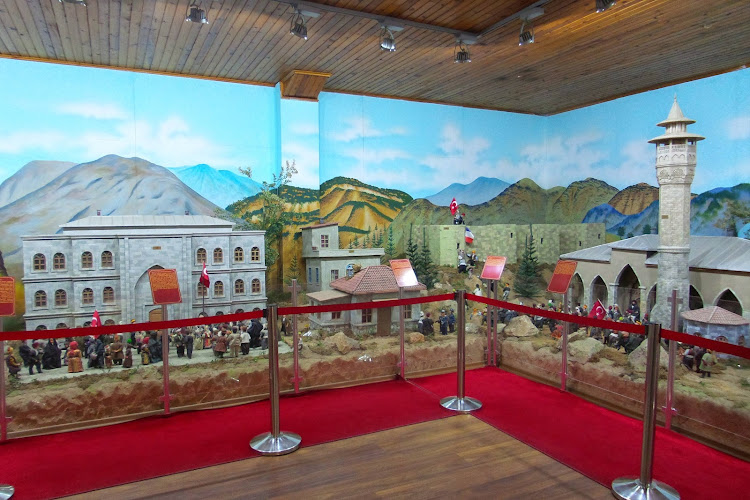
Minyatür Kahramanmaraş Kurtuluş Müzesi

Merdiven Park
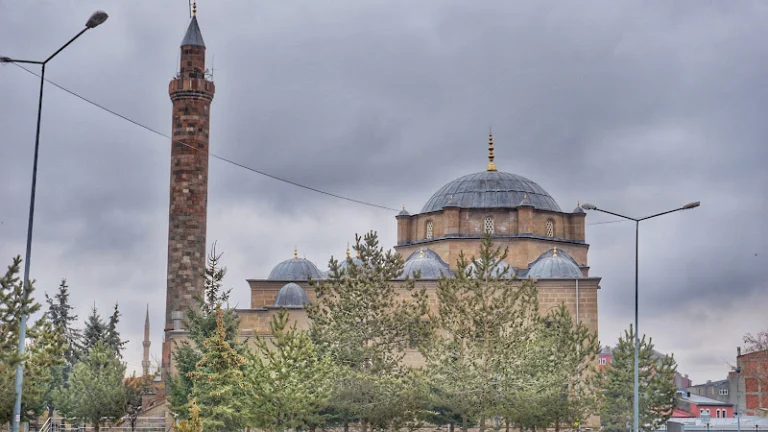
Evliya Cami
Find Accommodations Nearby
Recommended Tours & Activities
Visitor Reviews
There are no reviews yet. Be the first one to write one.
Share Your Experience
Have you visited Diyarbakır Arkeoloji Müzesi? Help other travelers by leaving a review.