
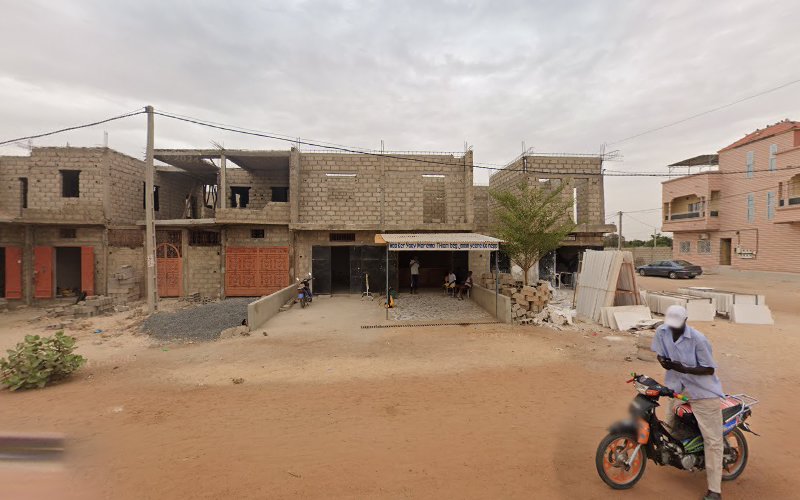
Diouf Staffeur
About Diouf Staffeur
Description
The Diouf Staffeur stands as one of Senegal's most intriguing cultural landmarks, though many travelers pass by without fully grasping its significance. This isn't your typical tourist attraction - it's a place where local history intersects with contemporary Senegalese life in ways that'll surprise you.
What makes this location particularly fascinating is how it operates as both a historical site and a living piece of the community. You won't find crowds of tour buses here, which honestly makes the experience so much more authentic. The Diouf Staffeur represents a slice of Senegal that many guidebooks gloss over, yet it offers insights into the country's social fabric that you simply can't get from more commercialized destinations.
The atmosphere here shifts throughout the day - mornings bring a quieter, more contemplative mood, while afternoons buzz with local activity. And here's something I found particularly striking during my research: the way this place seamlessly blends traditional Senegalese elements with more modern influences. It's not trying to be a museum piece frozen in time, but rather a dynamic space that continues to evolve.
Travelers who take time to explore the Diouf Staffeur often discover architectural details and cultural nuances that reveal deeper stories about Senegal's past and present. The craftsmanship evident in various elements showcases traditional building techniques that have been passed down through generations, yet adapted for contemporary use.
Key Features
The Diouf Staffeur offers several distinctive elements that set it apart from other destinations in the region:
- Architectural Heritage: Traditional Senegalese design principles are evident throughout, with specific attention to how spaces flow together naturally
- Cultural Significance: The site plays an important role in local community life, serving multiple functions beyond its historical importance
- Authentic Atmosphere: Unlike heavily touristed areas, this location maintains its genuine character and local connections
- Educational Value: Visitors gain insights into Senegalese social structures and cultural practices that aren't immediately obvious elsewhere
- Photographic Opportunities: The interplay of light, shadow, and architectural elements creates compelling visual compositions throughout different times of day
- Local Interaction: Opportunities to engage with community members who can share personal perspectives and stories
- Historical Context: Physical elements that tell the story of the area's development and cultural evolution
Best Time to Visit
Timing your visit to the Diouf Staffeur can really make or break your experience. The dry season, running from November through May, offers the most comfortable weather conditions for exploration. But here's where it gets interesting - different times of year reveal different aspects of the site's character.
Early mornings between 7 AM and 10 AM provide the most serene atmosphere. The light during these hours is absolutely gorgeous for photography, and you'll likely encounter fewer crowds. Plus, temperatures are more manageable before the day heats up.
Late afternoons, particularly between 4 PM and 6 PM, bring a different energy entirely. This is when local activity picks up, and you get a better sense of how the Diouf Staffeur functions as part of daily life in the community. The golden hour lighting doesn't hurt either.
Avoid midday visits between 11 AM and 3 PM if possible - not just because of the heat, but because the harsh overhead sun flattens out many of the architectural details that make this place visually compelling. During Ramadan, visiting patterns shift significantly as local schedules change, so factor that into your planning.
Rainy season (June through October) isn't necessarily off-limits, but be prepared for unpredictable weather and potentially muddy conditions. However, if you don't mind the occasional downpour, you might find the site even more atmospheric during these months.
How to Get There
Getting to the Diouf Staffeur requires a bit more planning than reaching major tourist sites, but that's part of what keeps it authentic. Your transportation options vary significantly depending on where you're starting from and your comfort level with local transit.
From Dakar, the most straightforward approach involves taking a taxi or hiring a private driver. Expect the journey to take anywhere from 45 minutes to over an hour, depending on traffic and your exact starting point. Negotiate prices beforehand - many drivers aren't familiar with this specific destination, so having clear directions or coordinates helps enormously.
Public transportation is definitely possible but requires patience and flexibility. You'll likely need to combine different modes - perhaps a taxi to a main transport hub, then local buses or shared taxis for the final stretch. This approach takes longer but offers genuine insights into how locals navigate their daily commutes.
Car rental gives you the most freedom, though Senegal's driving conditions can be challenging for visitors. Road quality varies, and local driving customs take some getting used to. But having your own vehicle means you can explore at your own pace and potentially discover other interesting spots along the way.
Walking is feasible for the final approach from nearby drop-off points, and actually recommended since it allows you to appreciate the surrounding neighborhood context. The area immediately around the Diouf Staffeur has its own character that you'd miss by arriving directly at the main entrance.
Tips for Visiting
Successful visits to the Diouf Staffeur depend heavily on preparation and the right mindset. This isn't a place where you can just show up and expect everything to be immediately obvious or accessible.
Language considerations matter more here than at tourist-focused sites. While French is widely understood, some Wolof phrases will open doors and create connections that enhance your experience tremendously. Even basic greetings show respect and genuine interest in local culture.
Dress appropriately - this means modest, respectful clothing that won't draw unwanted attention. Comfortable walking shoes are essential since you'll likely do more exploring on foot than initially planned. And bring layers, because temperatures can shift throughout the day more than you'd expect.
Photography etiquette requires sensitivity. While the architecture and general surroundings are fair game, always ask permission before photographing people. Many locals appreciate when visitors show interest in their community, but respect boundaries when someone declines.
Bring cash in small denominations. You might want to purchase refreshments from local vendors, and having exact change makes transactions smoother. Credit cards aren't typically accepted in this area, so plan accordingly.
Allow more time than you think you'll need. The Diouf Staffeur rewards patient exploration, and rushing through defeats the purpose entirely. Some of the most interesting discoveries happen when you have time to notice details and engage in spontaneous conversations.
Consider hiring a local guide, not necessarily for historical facts you could read elsewhere, but for personal perspectives and community stories that provide context you'd never gain otherwise. These informal guides often know fascinating details about how the site has changed over time and its current role in neighborhood life.
Stay hydrated and bring snacks, especially during longer visits. Local food options exist but might not align with your schedule or dietary preferences. Having backup provisions ensures you can focus on exploring rather than hunting for refreshments.
Finally, approach your visit with genuine curiosity rather than predetermined expectations. The Diouf Staffeur reveals its character gradually, and visitors who remain open to unexpected discoveries typically leave with much richer experiences than those checking items off a tourism checklist.
Key Features
- Key Features
- Best Time to Visit
- How to Get There
- Tips for Visiting
More Details
Updated September 12, 2025
Table of Contents
Description
The Diouf Staffeur stands as one of Senegal’s most intriguing cultural landmarks, though many travelers pass by without fully grasping its significance. This isn’t your typical tourist attraction – it’s a place where local history intersects with contemporary Senegalese life in ways that’ll surprise you.
What makes this location particularly fascinating is how it operates as both a historical site and a living piece of the community. You won’t find crowds of tour buses here, which honestly makes the experience so much more authentic. The Diouf Staffeur represents a slice of Senegal that many guidebooks gloss over, yet it offers insights into the country’s social fabric that you simply can’t get from more commercialized destinations.
The atmosphere here shifts throughout the day – mornings bring a quieter, more contemplative mood, while afternoons buzz with local activity. And here’s something I found particularly striking during my research: the way this place seamlessly blends traditional Senegalese elements with more modern influences. It’s not trying to be a museum piece frozen in time, but rather a dynamic space that continues to evolve.
Travelers who take time to explore the Diouf Staffeur often discover architectural details and cultural nuances that reveal deeper stories about Senegal’s past and present. The craftsmanship evident in various elements showcases traditional building techniques that have been passed down through generations, yet adapted for contemporary use.
Key Features
The Diouf Staffeur offers several distinctive elements that set it apart from other destinations in the region:
- Architectural Heritage: Traditional Senegalese design principles are evident throughout, with specific attention to how spaces flow together naturally
- Cultural Significance: The site plays an important role in local community life, serving multiple functions beyond its historical importance
- Authentic Atmosphere: Unlike heavily touristed areas, this location maintains its genuine character and local connections
- Educational Value: Visitors gain insights into Senegalese social structures and cultural practices that aren’t immediately obvious elsewhere
- Photographic Opportunities: The interplay of light, shadow, and architectural elements creates compelling visual compositions throughout different times of day
- Local Interaction: Opportunities to engage with community members who can share personal perspectives and stories
- Historical Context: Physical elements that tell the story of the area’s development and cultural evolution
Best Time to Visit
Timing your visit to the Diouf Staffeur can really make or break your experience. The dry season, running from November through May, offers the most comfortable weather conditions for exploration. But here’s where it gets interesting – different times of year reveal different aspects of the site’s character.
Early mornings between 7 AM and 10 AM provide the most serene atmosphere. The light during these hours is absolutely gorgeous for photography, and you’ll likely encounter fewer crowds. Plus, temperatures are more manageable before the day heats up.
Late afternoons, particularly between 4 PM and 6 PM, bring a different energy entirely. This is when local activity picks up, and you get a better sense of how the Diouf Staffeur functions as part of daily life in the community. The golden hour lighting doesn’t hurt either.
Avoid midday visits between 11 AM and 3 PM if possible – not just because of the heat, but because the harsh overhead sun flattens out many of the architectural details that make this place visually compelling. During Ramadan, visiting patterns shift significantly as local schedules change, so factor that into your planning.
Rainy season (June through October) isn’t necessarily off-limits, but be prepared for unpredictable weather and potentially muddy conditions. However, if you don’t mind the occasional downpour, you might find the site even more atmospheric during these months.
How to Get There
Getting to the Diouf Staffeur requires a bit more planning than reaching major tourist sites, but that’s part of what keeps it authentic. Your transportation options vary significantly depending on where you’re starting from and your comfort level with local transit.
From Dakar, the most straightforward approach involves taking a taxi or hiring a private driver. Expect the journey to take anywhere from 45 minutes to over an hour, depending on traffic and your exact starting point. Negotiate prices beforehand – many drivers aren’t familiar with this specific destination, so having clear directions or coordinates helps enormously.
Public transportation is definitely possible but requires patience and flexibility. You’ll likely need to combine different modes – perhaps a taxi to a main transport hub, then local buses or shared taxis for the final stretch. This approach takes longer but offers genuine insights into how locals navigate their daily commutes.
Car rental gives you the most freedom, though Senegal’s driving conditions can be challenging for visitors. Road quality varies, and local driving customs take some getting used to. But having your own vehicle means you can explore at your own pace and potentially discover other interesting spots along the way.
Walking is feasible for the final approach from nearby drop-off points, and actually recommended since it allows you to appreciate the surrounding neighborhood context. The area immediately around the Diouf Staffeur has its own character that you’d miss by arriving directly at the main entrance.
Tips for Visiting
Successful visits to the Diouf Staffeur depend heavily on preparation and the right mindset. This isn’t a place where you can just show up and expect everything to be immediately obvious or accessible.
Language considerations matter more here than at tourist-focused sites. While French is widely understood, some Wolof phrases will open doors and create connections that enhance your experience tremendously. Even basic greetings show respect and genuine interest in local culture.
Dress appropriately – this means modest, respectful clothing that won’t draw unwanted attention. Comfortable walking shoes are essential since you’ll likely do more exploring on foot than initially planned. And bring layers, because temperatures can shift throughout the day more than you’d expect.
Photography etiquette requires sensitivity. While the architecture and general surroundings are fair game, always ask permission before photographing people. Many locals appreciate when visitors show interest in their community, but respect boundaries when someone declines.
Bring cash in small denominations. You might want to purchase refreshments from local vendors, and having exact change makes transactions smoother. Credit cards aren’t typically accepted in this area, so plan accordingly.
Allow more time than you think you’ll need. The Diouf Staffeur rewards patient exploration, and rushing through defeats the purpose entirely. Some of the most interesting discoveries happen when you have time to notice details and engage in spontaneous conversations.
Consider hiring a local guide, not necessarily for historical facts you could read elsewhere, but for personal perspectives and community stories that provide context you’d never gain otherwise. These informal guides often know fascinating details about how the site has changed over time and its current role in neighborhood life.
Stay hydrated and bring snacks, especially during longer visits. Local food options exist but might not align with your schedule or dietary preferences. Having backup provisions ensures you can focus on exploring rather than hunting for refreshments.
Finally, approach your visit with genuine curiosity rather than predetermined expectations. The Diouf Staffeur reveals its character gradually, and visitors who remain open to unexpected discoveries typically leave with much richer experiences than those checking items off a tourism checklist.
Key Highlights
- Key Features
- Best Time to Visit
- How to Get There
- Tips for Visiting
Location
Places to Stay Near Diouf Staffeur
Find and Book a Tour
Explore More Travel Guides
No reviews found! Be the first to review!
Traveler Reviews for Diouf Staffeur
There are no reviews yet. Be the first one to write one.
Have you visited Diouf Staffeur? Help other travelers by sharing your review.
You Might Also Like

Great Mosque of Diourbel
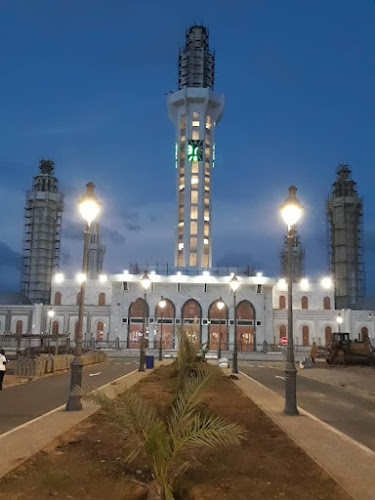
Diourbel
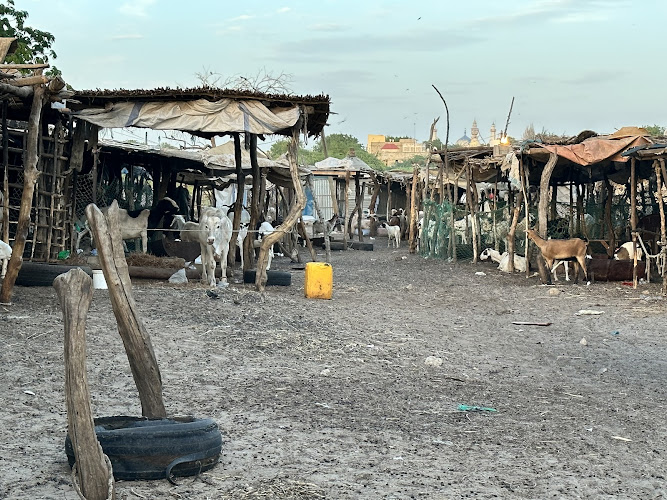
Daral (vente bétail)
Find Accommodations Nearby
Recommended Tours & Activities
Visitor Reviews
There are no reviews yet. Be the first one to write one.
Share Your Experience
Have you visited Diouf Staffeur? Help other travelers by leaving a review.