
Diocesan Shrine and Parish of St. Joseph (Bamboo Organ Church)
About Diocesan Shrine and Parish of St. Joseph (Bamboo Organ Church)
Key Features
More Details
Updated June 26, 2025
Manila – Las Piñas Bamboo Organ | Las Piñas Bamboo Organ, Ma… | Flickr
## Diocesan Shrine and Parish of St. Joseph (Bamboo Organ Church): what to know before you go (Las Piñas City)
The Diocesan Shrine and Parish of St. Joseph in Las Piñas City is best known as the home of the Las Piñas Bamboo Organ—a rare 19th-century pipe organ whose sound comes largely from bamboo pipes rather than the usual metal. The church is a working Catholic parish first and a visitor site second, so the best experience comes from timing your visit respectfully and knowing what you’re there to see.
Quick facts (from your listing + verified sources)
– Location: Las Piñas City, Metro Manila, Philippines
– Address: 1742 Quirino Ave, Las Piñas, Metro Manila (commonly listed for this site).
– Coordinates: 14.4811995, 120.981536
– Rating: 4.7
– Type: Tourist attraction / religious site
## Why this church matters (beyond the obvious photo stop)
### The Bamboo Organ is a serious heritage object—not a gimmick
The Las Piñas Bamboo Organ is widely described as a 19th-century church organ with 1,031 pipes, of which 902 are made of bamboo.
It’s closely associated with Fr. Diego Cera, credited as the organ’s builder, with completion commonly given as 1824 after several years of work.
If you like cultural sites where craftsmanship is the main attraction, this is one of Metro Manila’s easiest “high signal, low hassle” visits: you can understand the hook in minutes, then choose how deep you want to go—architecture, music, local history, or all three.
### Restoration is part of the story
The organ wasn’t continuously playable. One widely cited account says it was shipped to Germany for restoration in 1972, with an anticipated return in 1975.
The modern festival culture around the organ is tied to that restoration era: the Bamboo Organ Foundation’s official site notes the International Bamboo Organ Festival started in 1976, after the organ’s return from restoration in Bonn, Germany. Organ Foundation Inc.
## What to see when you arrive
### 1) The organ loft and the instrument itself
Even if you don’t catch a performance, the visual impact is immediate: the façade is distinct, and the bamboo pipes look different from standard organ arrays (and photograph differently—warmer, less reflective).
If your goal is “this is why I came,” prioritize:
– A clear view of the organ case and pipes
– A moment of quiet (between services) to listen if someone is practicing or if recorded audio is available onsite (policies vary; don’t assume)
### 2) The church interior as a lived-in space
Treat the building as a sacred site with an active local community. In practice that means:
– Dress comfortably but modestly (shoulders/hemlines covered is a safe default)
– Don’t cross barriers or walk into restricted areas for a photo
– Keep voices low; silence your phone before entering
## The best time to visit
### If you want the organ as music, not just an object: go during the festival window
Las Piñas City’s official site states the International Bamboo Organ Festival is celebrated every February, organized by the Bamboo Organ Foundation in cooperation with the local community.
The Bamboo Organ Foundation’s official site also publishes specific dates for upcoming editions (for example, it lists dates for the 51st festival). Organ Foundation Inc.
Practical take: Festival programming changes year to year. If you’re planning a trip around recitals, verify the latest schedule on the foundation’s site or official pages before you lock hotels and transport. Organ Foundation Inc.
### If you want a calm visit: avoid peak service times
Because this is a parish church, “best time” depends on Mass schedules and local events. Some map listings display hours, but these can change without notice.
Outdated-data flag: treat third-party opening hours as approximate; confirm with an official channel close to your visit.
## Getting there (and what surprises visitors)
### Address clarity: Quirino Ave vs “Diego Cera Ave”
You’ll see multiple address conventions online (Quirino Ave appears in major map listings for the parish; older references sometimes point to Padre Diego Cera Ave in the area). For navigation, use the pin drop and the parish name rather than relying on a single street label.
Outdated-data flag: blog posts and older travel writeups can preserve older road naming conventions; use live maps for the final approach.
### Transit and timing
Las Piñas sits in southern Metro Manila, where traffic patterns can be intense. If you’re building a day plan, leave buffer time and avoid stacking too many “must-dos” back-to-back.
## How to make the visit more meaningful (without needing a guide)
### Listen with intent
Pipe organs are physical instruments: air pressure, valves, room acoustics, and (here) bamboo’s material properties all shape the sound. If you catch a recital, sit in a spot where you can hear both:
– the direct sound from the loft, and
– the room response (reverb off stone and wood)
### Zoom out: this isn’t only “church history”
This site is also about:
– local engineering and material culture (bamboo as a serious acoustic material, not décor)
– continuity (a parish that remained active while carrying a world-known artifact)
– community-driven heritage stewardship (festival organization and ongoing attention)
## Accessibility and inclusivity notes
I can’t state specific accessibility features (ramps, step-free routes, wheelchair seating) without an official source. If step-free access is important for your group, contact the parish or festival organizers directly via their official pages before you go.
## Suggested internal links for RealJourneyTravels.com (contextual, non-spammy)
Because I don’t know your exact site URL structure, here are two safe, contextual placements you can link to existing RealJourneyTravels.com pages:
– Link phrase: “our Metro Manila travel guide” (place in the Getting there section)
– Link phrase: “more historic churches in the Philippines” (place in the What to see or When to visit section)
## In one line: should you go?
If you like places where the “one unique thing” is genuinely rare and historically grounded—and you’ll treat a functioning parish with respect—this is an easy yes, especially if you can align your visit with the February festival programming.
Table of Contents
Key Highlights
Diocesan Shrine and Parish of St. Joseph (Bamboo Organ Church)
Location
Places to Stay Near Diocesan Shrine and Parish of St. Joseph (Bamboo Organ Church)
Find and Book a Tour
Explore More Travel Guides
No reviews found! Be the first to review!
Traveler Reviews for Diocesan Shrine and Parish of St. Joseph (Bamboo Organ Church)
There are no reviews yet. Be the first one to write one.
Have you visited Diocesan Shrine and Parish of St. Joseph (Bamboo Organ Church)? Help other travelers by sharing your review.
You Might Also Like

Mt. Isarog National Park
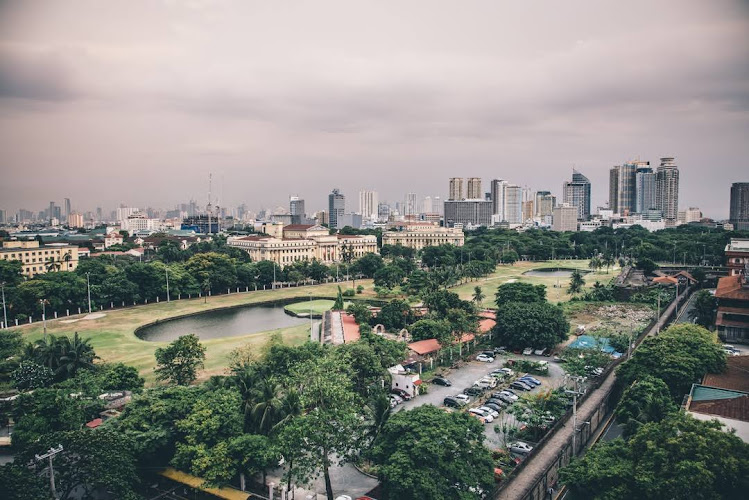
Ermita
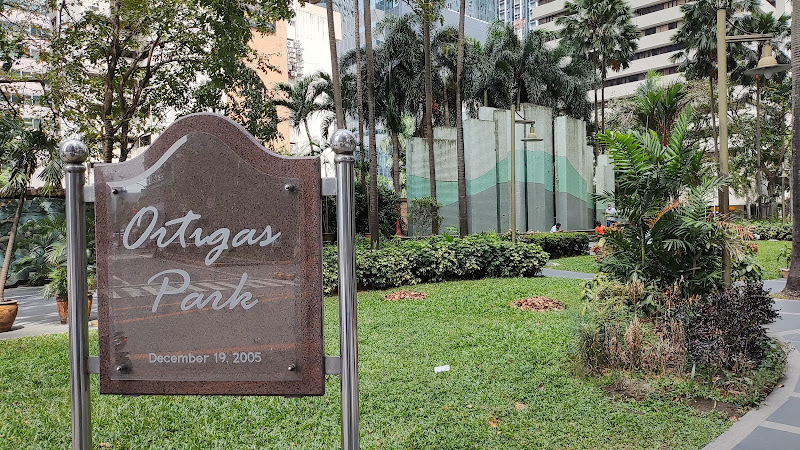
Ortigas Park
Find Accommodations Nearby
Recommended Tours & Activities
Visitor Reviews
There are no reviews yet. Be the first one to write one.
Share Your Experience
Have you visited Diocesan Shrine and Parish of St. Joseph (Bamboo Organ Church)? Help other travelers by leaving a review.