
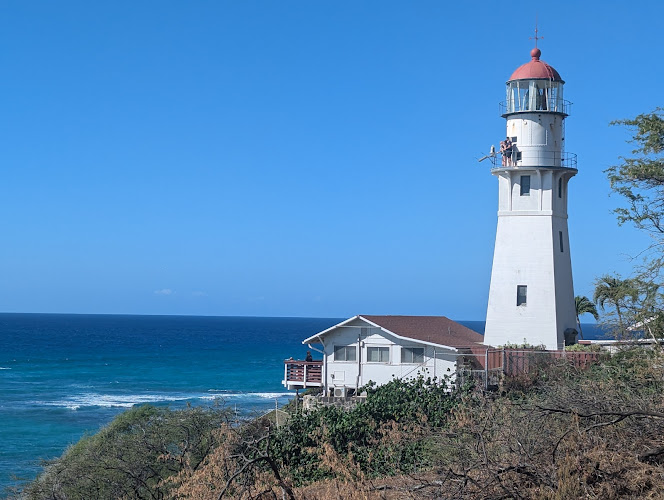
Diamond Head Lighthouse
About Diamond Head Lighthouse
Description
Diamond Head Lighthouse stands proudly on the slopes of Lēʻahi Crater, overlooking the endless Pacific blue. Built in 1899 and later reconstructed in 1917, it’s more than just a beacon—it’s a piece of Hawaiʻi’s maritime history that still guides ships today. The U.S. Coast Guard operates it, and while the lighthouse itself isn’t open to the public, travelers often stop to admire it from the road above or catch glimpses from the beach below. What makes this spot so intriguing is the way it blends its practical role as a navigation aid with its reputation as a postcard-worthy landmark.
Some visitors rave about the breathtaking views and the sense of calm that comes with watching the sun dip into the horizon, while others feel a little underwhelmed since you can’t walk inside the lighthouse. Personally, I think that’s part of its charm—you’re left to imagine the stories of sailors who once depended on its light. And let’s be honest, not every attraction has to be hands-on to feel meaningful. Sometimes standing nearby, breathing in the salty air, and taking in the scene is enough.
It also plays a quirky role as the finish line for the Transpacific Yacht Race from California to Hawaiʻi, which adds a layer of excitement if you happen to be in town during the event. For me, it’s one of those places that feels like a quiet reward after a busy day exploring Honolulu. You might not spend hours here, but the memory of the view tends to stick with you.
Key Features
- Historic lighthouse originally built in 1899 and rebuilt in 1917
- Operated by the U.S. Coast Guard and still active today
- Iconic red-roofed tower perched on the side of Diamond Head crater
- Visible from land and sea, shining its light nearly 18 miles offshore
- Serves as the finish marker for the famous Transpacific Yacht Race
- Popular lookout point for ocean views, sunsets, and whale watching in season
- Frequently photographed from Diamond Head Road and nearby beaches
Best Time to Visit
If you’re hoping for those golden postcard shots, late afternoon is the sweet spot. The sun sets right over the water, washing the lighthouse in warm light that makes it glow against the rugged cliffs. Early mornings are quieter, and you might even catch surfers paddling out while the city is still waking up. Winter months bring the possibility of spotting humpback whales offshore, which is a thrill if you’ve never seen one breach before. Summer afternoons can get hot, and parking along the road fills up quickly, so timing really does matter here.
Personally, I prefer stopping by after a hike up Diamond Head crater. There’s something satisfying about earning that view with a bit of sweat first, then coasting down the road to see the lighthouse from a different angle. It feels like a full-circle experience—you’ve climbed the volcano, and now you’re looking at the beacon that clings to its side.
How to Get There
Reaching the lighthouse is straightforward if you’re already exploring the Waikīkī or Honolulu area. A drive along Diamond Head Road takes you past some of the most scenic stretches of coastline on Oʻahu, with the lighthouse perched dramatically on the cliffside. There isn’t an official visitor parking lot, so most people pull over briefly at roadside lookouts to snap a photo or just take in the view.
If you’re more of a walker or cyclist, the road is popular with joggers and bikers, though it can be a bit narrow at times. Public buses also run nearby, but honestly, it’s easiest with a car or a rented scooter. And if you’re already planning to hike Diamond Head, it’s a natural extension to swing by after your trek. Just keep in mind that you won’t be able to go inside the lighthouse grounds—it’s an active Coast Guard site.
Tips for Visiting
Here are a few things worth knowing before you go:
- Don’t expect entry: The lighthouse isn’t open to the public, so plan to admire it from the outside.
- Bring a camera: The views are stunning, especially at sunset, and you’ll kick yourself if you don’t capture it.
- Pair it with other stops: Combine the visit with a hike up Diamond Head or a beach day nearby for a fuller experience.
- Mind the traffic: Diamond Head Road can get busy, and parking is limited to roadside pull-offs.
- Look for whales: From December through March, keep your eyes on the horizon—you might spot humpbacks.
- Stay safe: The cliffs are steep and tempting for photos, but don’t push your luck near the edges.
One last piece of advice: take your time. Even if it’s just a short stop, let yourself linger for a few minutes. Watch the waves crash, listen to the wind, and imagine the sailors who once relied on that beam of light to guide them safely ashore. That’s the kind of travel memory that sticks with you long after the trip is over.
Key Features
- Historic lighthouse originally built in 1899 and rebuilt in 1917
- Operated by the U.S. Coast Guard and still active today
- Iconic red-roofed tower perched on the side of Diamond Head crater
- Visible from land and sea, shining its light nearly 18 miles offshore
- Serves as the finish marker for the famous Transpacific Yacht Race
- Popular lookout point for ocean views, sunsets, and whale watching in season
- Frequently photographed from Diamond Head Road and nearby beaches
More Details
Updated September 23, 2025
Table of Contents
Description
Diamond Head Lighthouse stands proudly on the slopes of Lēʻahi Crater, overlooking the endless Pacific blue. Built in 1899 and later reconstructed in 1917, it’s more than just a beacon—it’s a piece of Hawaiʻi’s maritime history that still guides ships today. The U.S. Coast Guard operates it, and while the lighthouse itself isn’t open to the public, travelers often stop to admire it from the road above or catch glimpses from the beach below. What makes this spot so intriguing is the way it blends its practical role as a navigation aid with its reputation as a postcard-worthy landmark.
Some visitors rave about the breathtaking views and the sense of calm that comes with watching the sun dip into the horizon, while others feel a little underwhelmed since you can’t walk inside the lighthouse. Personally, I think that’s part of its charm—you’re left to imagine the stories of sailors who once depended on its light. And let’s be honest, not every attraction has to be hands-on to feel meaningful. Sometimes standing nearby, breathing in the salty air, and taking in the scene is enough.
It also plays a quirky role as the finish line for the Transpacific Yacht Race from California to Hawaiʻi, which adds a layer of excitement if you happen to be in town during the event. For me, it’s one of those places that feels like a quiet reward after a busy day exploring Honolulu. You might not spend hours here, but the memory of the view tends to stick with you.
Key Features
- Historic lighthouse originally built in 1899 and rebuilt in 1917
- Operated by the U.S. Coast Guard and still active today
- Iconic red-roofed tower perched on the side of Diamond Head crater
- Visible from land and sea, shining its light nearly 18 miles offshore
- Serves as the finish marker for the famous Transpacific Yacht Race
- Popular lookout point for ocean views, sunsets, and whale watching in season
- Frequently photographed from Diamond Head Road and nearby beaches
Best Time to Visit
If you’re hoping for those golden postcard shots, late afternoon is the sweet spot. The sun sets right over the water, washing the lighthouse in warm light that makes it glow against the rugged cliffs. Early mornings are quieter, and you might even catch surfers paddling out while the city is still waking up. Winter months bring the possibility of spotting humpback whales offshore, which is a thrill if you’ve never seen one breach before. Summer afternoons can get hot, and parking along the road fills up quickly, so timing really does matter here.
Personally, I prefer stopping by after a hike up Diamond Head crater. There’s something satisfying about earning that view with a bit of sweat first, then coasting down the road to see the lighthouse from a different angle. It feels like a full-circle experience—you’ve climbed the volcano, and now you’re looking at the beacon that clings to its side.
How to Get There
Reaching the lighthouse is straightforward if you’re already exploring the Waikīkī or Honolulu area. A drive along Diamond Head Road takes you past some of the most scenic stretches of coastline on Oʻahu, with the lighthouse perched dramatically on the cliffside. There isn’t an official visitor parking lot, so most people pull over briefly at roadside lookouts to snap a photo or just take in the view.
If you’re more of a walker or cyclist, the road is popular with joggers and bikers, though it can be a bit narrow at times. Public buses also run nearby, but honestly, it’s easiest with a car or a rented scooter. And if you’re already planning to hike Diamond Head, it’s a natural extension to swing by after your trek. Just keep in mind that you won’t be able to go inside the lighthouse grounds—it’s an active Coast Guard site.
Tips for Visiting
Here are a few things worth knowing before you go:
- Don’t expect entry: The lighthouse isn’t open to the public, so plan to admire it from the outside.
- Bring a camera: The views are stunning, especially at sunset, and you’ll kick yourself if you don’t capture it.
- Pair it with other stops: Combine the visit with a hike up Diamond Head or a beach day nearby for a fuller experience.
- Mind the traffic: Diamond Head Road can get busy, and parking is limited to roadside pull-offs.
- Look for whales: From December through March, keep your eyes on the horizon—you might spot humpbacks.
- Stay safe: The cliffs are steep and tempting for photos, but don’t push your luck near the edges.
One last piece of advice: take your time. Even if it’s just a short stop, let yourself linger for a few minutes. Watch the waves crash, listen to the wind, and imagine the sailors who once relied on that beam of light to guide them safely ashore. That’s the kind of travel memory that sticks with you long after the trip is over.
Key Highlights
- Historic lighthouse originally built in 1899 and rebuilt in 1917
- Operated by the U.S. Coast Guard and still active today
- Iconic red-roofed tower perched on the side of Diamond Head crater
- Visible from land and sea, shining its light nearly 18 miles offshore
- Serves as the finish marker for the famous Transpacific Yacht Race
- Popular lookout point for ocean views, sunsets, and whale watching in season
- Frequently photographed from Diamond Head Road and nearby beaches
Location
Places to Stay Near Diamond Head Lighthouse
Find and Book a Tour
Explore More Travel Guides
No reviews found! Be the first to review!
Traveler Reviews for Diamond Head Lighthouse
There are no reviews yet. Be the first one to write one.
Have you visited Diamond Head Lighthouse? Help other travelers by sharing your review.
You Might Also Like
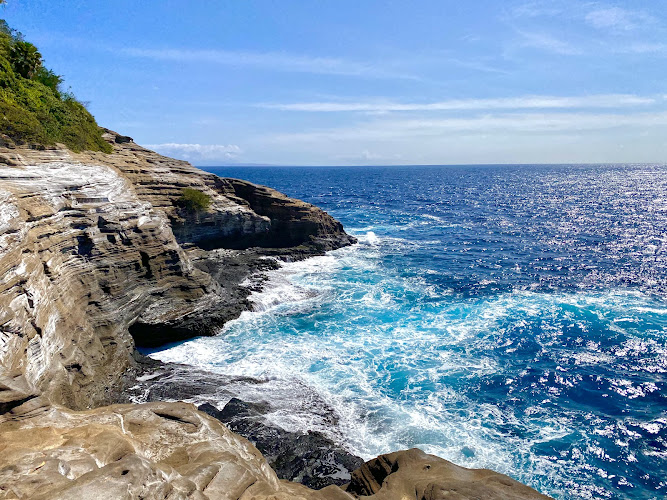
Spitting Cave

Bishop Museum
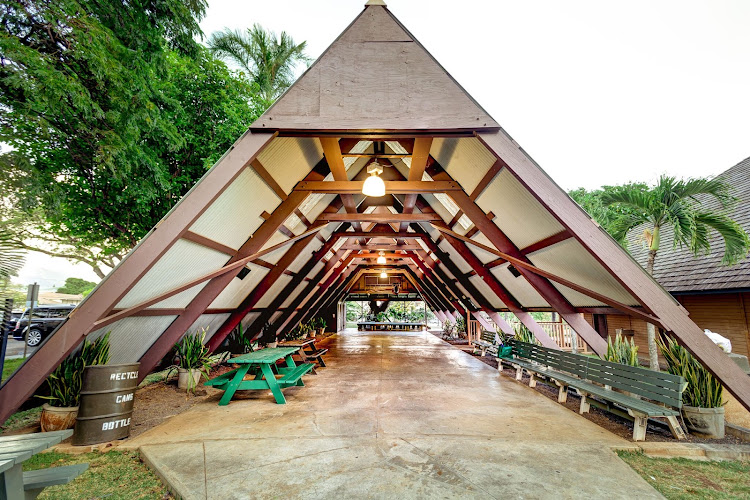
Jabulka Pavilion & Planetarium
Find Accommodations Nearby
Recommended Tours & Activities
Visitor Reviews
There are no reviews yet. Be the first one to write one.
Share Your Experience
Have you visited Diamond Head Lighthouse? Help other travelers by leaving a review.