
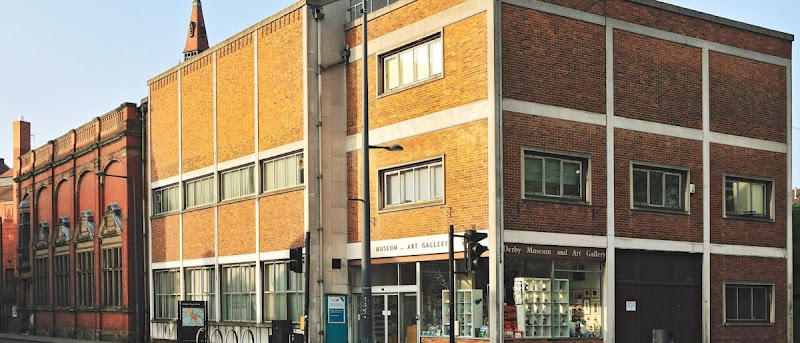
Derby Museum & Art Gallery
About Derby Museum & Art Gallery
Description
Derby Museum & Art Gallery is a free-entry cultural hub in central Derby that balances local story-telling with periods of high drama on canvas. It combines displays of regional natural history and military history with a respected collection of fine art. The museum is perhaps best known for its holdings related to Joseph Wright of Derby, whose 18th-century works draw attention both for their technical bravado and for the way they anchor the city’s artistic reputation. But that is not the whole story. The galleries also host archaeology finds, geological specimens, and a surprisingly strong assortment of Derby porcelain and Royal Crown Derby ceramics that reveal the city’s industrial and decorative past.
The building has been updated over the years into a modern exhibition space that still feels approachable. Light-filled rooms alternate with dimmer, theatrical displays—good for those Wright paintings that depend on subtle chiaroscuro. Exhibitions rotate with reasonable frequency, so repeat visits can yield new surprises: contemporary commissions, touring shows, and focused displays about Derbyshire life. The museum doubles as an events venue, meaning that at times a concert, lecture, or community activity will animate the galleries. That liveliness is part of its charm, though occasionally it means planning around noise or capacity.
Practical features are straightforward and visitor-friendly. Entry is free, which makes it an attractive stop for budget-conscious travelers and families alike. A small café provides hot drinks and snacks; there’s a gift area for picking up Derby porcelain-inspired souvenirs. Accessibility is taken seriously here: there is a wheelchair-accessible entrance and an accessible restroom, plus changing facilities for families. Onsite services are available for those who need them, and paid street parking is the usual option for drivers. Overall, the museum manages to be both a serious repository of art and history and a warm, civic space where local stories meet wider cultural narratives.
One should also underline the museum’s strengths in interpretation. Labels are generally clear and informative, many displays include historical context linking objects to Derby’s industrial past, and a sense of local identity threads through the galleries. But it is not perfect. A few exhibits can feel a bit dense for casual visitors; signage in a handful of areas might benefit from refreshes. Still, most visitors leave impressed by the quality of the art collection and pleased with the value-for-money—free, yes, but offering real substance.
Key Features
- Free entry to permanent galleries—ideal for repeat visits and budget-minded travelers
- Notable fine art collection with works by Joseph Wright of Derby and other significant artists
- Displays on regional natural history, archaeology, and military history that tell Derbyshire’s story
- Collection highlights include Derby porcelain and Royal Crown Derby ceramics
- Modern, well-lit exhibition spaces combined with atmospheric rooms for darker paintings
- Onsite café offering refreshments and a small gift/gift shop area
- Wheelchair-accessible entrance and restroom; family-friendly facilities including changing tables
- Used as an event venue for talks, concerts, and community programmes
- Paid street parking nearby; close to public transport links into the city centre
- Rotating temporary exhibitions that keep the programme fresh
Best Time to Visit
Timing a visit improves the experience. Weekday mornings, shortly after opening, are the calmest: galleries are quiet, staff have time to chat, and the café is less busy. Midweek also reduces the probability of school groups filling the archaeology room. If photographing (where permitted) is important, visiting earlier in the day often gives better light in public areas and fewer people in frames.
Bank holidays and weekends bring local families and tourists, which lifts the atmosphere but can make popular spaces feel crowded—especially near major Joseph Wright works or during special exhibitions. School holiday periods fill the museum with children’s activities and family-oriented interpretation; that’s excellent if one likes a lively vibe, but less appealing for those seeking quiet contemplation.
Seasonally, autumn and winter tend to showcase temporary exhibitions and indoor events, making these months ideal for art-lovers who prefer curated shows. Spring and summer bring a greater flow of visitors to Derby overall; still, the museum is a comfortable indoor stop on rainy English days when outdoor options are limited. In short: for a reflective, low-key visit, aim for weekday mornings; for festivals and community energy, check the events calendar and go at weekends.
How to Get There
The museum sits within Derby’s central cultural area, making it accessible by a number of transport modes. From the main rail station, it is a short walk or a brief bus ride into the city centre; most visitors find the walk pleasant and straightforward, passing shops and civic buildings that offer a sense of place. City buses stop frequently around the central area, and a short stroll from the main stops will put visitors at the museum doors.
Driving is possible, but parking commonly involves paid street parking and nearby public car parks. Street parking rules apply—pay-and-display bays and time-limited spaces—so drivers should plan on some walking between parking and the museum entrance. For those with mobility needs, the museum’s accessible entrance makes drop-off easier; it’s wise to phone ahead on busy days if assistance is required.
Cyclists can use city-centre cycle racks and then walk a few minutes to the museum. Taxis and ride-hailing services drop off close to the central district, again leaving a short walk. In practice, the museum is easier to reach by public transport or on foot from central Derby; visitors who like to wander will find the surrounding streets compact and convenient for a day of exploring.
Tips for Visiting
Practical tips make a visit smoother. First: allow time. A thorough visit to the art and history galleries, plus a coffee break and a browse in the shop, takes roughly two hours; someone with a special interest in Joseph Wright or in local porcelain might linger longer. For a quick look, an hour can cover highlights, but it will feel rushed.
Photography policies vary by exhibition. Many permanent displays permit non-flash photography for personal use, but some temporary shows restrict images. It pays to check signage on arrival or ask a member of staff. And if one wants a deeper dive, guided tours and curator talks occasionally run—these add layers of context that make the collection sing.
Families: the museum is surprisingly child-friendly. Interactive elements and family trails appear with temporary exhibitions, and changing facilities exist for younger children. Still, busy galleries can be cramped with prams; a compact stroller helps. Bringing a small bag of quiet activities for very young children is sensible if planning a long stay.
Accessibility: wheelchair users will find the entrance and restroom accessible, and staff are generally helpful with mobility queries. There are ramps and lifts where required, but some older display cases can be at fixed heights that limit total access to every object. If absolute access to a particular item is essential, contacting the museum in advance is worth it.
Food and drink: the café is handy for snacks and light meals. For a leisurely lunch, alternatives are a short walk away in the city centre. Also, picnic-style eating in the galleries is not permitted; café or designated eating areas only.
Timing and planning: check for temporary exhibitions and events before traveling since headline shows can draw crowds and change opening hours. Certain nights the museum may host late openings or special programming—an opportunity to see the galleries in a different light but also a time when spaces may be busier.
Donations and membership: entry is free but the museum relies on public support for programming. Visitors who enjoy the visit and want to contribute should look into donation options or membership schemes—support helps fund exhibitions, conservation, and educational outreach. That said, no one will ever be turned away for lack of a donation; it’s simply a way to help maintain the collection.
Finally, local context enriches the visit. Pairing the museum visit with a walk round the city’s historic areas or a tour of nearby Derbyshire attractions makes a fuller day. Many travelers who first came for the Wright paintings ended up staying for the social history displays and the ceramics—unexpected delights that reveal much about the region. In short, Derby Museum & Art Gallery rewards a curious visitor who is willing to poke around, read a label or two, and sip coffee between galleries. It’s modest in scale, generous in content, and oddly satisfying. A good stop on any Derby itinerary.
Key Features
- Free entry to permanent galleries—ideal for repeat visits and budget-minded travelers
- Notable fine art collection with works by Joseph Wright of Derby and other significant artists
- Displays on regional natural history, archaeology, and military history that tell Derbyshire’s story
- Collection highlights include Derby porcelain and Royal Crown Derby ceramics
- Modern, well-lit exhibition spaces combined with atmospheric rooms for darker paintings
- Onsite café offering refreshments and a small gift/gift shop area
- Wheelchair-accessible entrance and restroom; family-friendly facilities including changing tables
- Used as an event venue for talks, concerts, and community programmes
More Details
Updated August 29, 2025
Table of Contents
Description
Derby Museum & Art Gallery is a free-entry cultural hub in central Derby that balances local story-telling with periods of high drama on canvas. It combines displays of regional natural history and military history with a respected collection of fine art. The museum is perhaps best known for its holdings related to Joseph Wright of Derby, whose 18th-century works draw attention both for their technical bravado and for the way they anchor the city’s artistic reputation. But that is not the whole story. The galleries also host archaeology finds, geological specimens, and a surprisingly strong assortment of Derby porcelain and Royal Crown Derby ceramics that reveal the city’s industrial and decorative past.
The building has been updated over the years into a modern exhibition space that still feels approachable. Light-filled rooms alternate with dimmer, theatrical displays—good for those Wright paintings that depend on subtle chiaroscuro. Exhibitions rotate with reasonable frequency, so repeat visits can yield new surprises: contemporary commissions, touring shows, and focused displays about Derbyshire life. The museum doubles as an events venue, meaning that at times a concert, lecture, or community activity will animate the galleries. That liveliness is part of its charm, though occasionally it means planning around noise or capacity.
Practical features are straightforward and visitor-friendly. Entry is free, which makes it an attractive stop for budget-conscious travelers and families alike. A small café provides hot drinks and snacks; there’s a gift area for picking up Derby porcelain-inspired souvenirs. Accessibility is taken seriously here: there is a wheelchair-accessible entrance and an accessible restroom, plus changing facilities for families. Onsite services are available for those who need them, and paid street parking is the usual option for drivers. Overall, the museum manages to be both a serious repository of art and history and a warm, civic space where local stories meet wider cultural narratives.
One should also underline the museum’s strengths in interpretation. Labels are generally clear and informative, many displays include historical context linking objects to Derby’s industrial past, and a sense of local identity threads through the galleries. But it is not perfect. A few exhibits can feel a bit dense for casual visitors; signage in a handful of areas might benefit from refreshes. Still, most visitors leave impressed by the quality of the art collection and pleased with the value-for-money—free, yes, but offering real substance.
Key Features
- Free entry to permanent galleries—ideal for repeat visits and budget-minded travelers
- Notable fine art collection with works by Joseph Wright of Derby and other significant artists
- Displays on regional natural history, archaeology, and military history that tell Derbyshire’s story
- Collection highlights include Derby porcelain and Royal Crown Derby ceramics
- Modern, well-lit exhibition spaces combined with atmospheric rooms for darker paintings
- Onsite café offering refreshments and a small gift/gift shop area
- Wheelchair-accessible entrance and restroom; family-friendly facilities including changing tables
- Used as an event venue for talks, concerts, and community programmes
- Paid street parking nearby; close to public transport links into the city centre
- Rotating temporary exhibitions that keep the programme fresh
Best Time to Visit
Timing a visit improves the experience. Weekday mornings, shortly after opening, are the calmest: galleries are quiet, staff have time to chat, and the café is less busy. Midweek also reduces the probability of school groups filling the archaeology room. If photographing (where permitted) is important, visiting earlier in the day often gives better light in public areas and fewer people in frames.
Bank holidays and weekends bring local families and tourists, which lifts the atmosphere but can make popular spaces feel crowded—especially near major Joseph Wright works or during special exhibitions. School holiday periods fill the museum with children’s activities and family-oriented interpretation; that’s excellent if one likes a lively vibe, but less appealing for those seeking quiet contemplation.
Seasonally, autumn and winter tend to showcase temporary exhibitions and indoor events, making these months ideal for art-lovers who prefer curated shows. Spring and summer bring a greater flow of visitors to Derby overall; still, the museum is a comfortable indoor stop on rainy English days when outdoor options are limited. In short: for a reflective, low-key visit, aim for weekday mornings; for festivals and community energy, check the events calendar and go at weekends.
How to Get There
The museum sits within Derby’s central cultural area, making it accessible by a number of transport modes. From the main rail station, it is a short walk or a brief bus ride into the city centre; most visitors find the walk pleasant and straightforward, passing shops and civic buildings that offer a sense of place. City buses stop frequently around the central area, and a short stroll from the main stops will put visitors at the museum doors.
Driving is possible, but parking commonly involves paid street parking and nearby public car parks. Street parking rules apply—pay-and-display bays and time-limited spaces—so drivers should plan on some walking between parking and the museum entrance. For those with mobility needs, the museum’s accessible entrance makes drop-off easier; it’s wise to phone ahead on busy days if assistance is required.
Cyclists can use city-centre cycle racks and then walk a few minutes to the museum. Taxis and ride-hailing services drop off close to the central district, again leaving a short walk. In practice, the museum is easier to reach by public transport or on foot from central Derby; visitors who like to wander will find the surrounding streets compact and convenient for a day of exploring.
Tips for Visiting
Practical tips make a visit smoother. First: allow time. A thorough visit to the art and history galleries, plus a coffee break and a browse in the shop, takes roughly two hours; someone with a special interest in Joseph Wright or in local porcelain might linger longer. For a quick look, an hour can cover highlights, but it will feel rushed.
Photography policies vary by exhibition. Many permanent displays permit non-flash photography for personal use, but some temporary shows restrict images. It pays to check signage on arrival or ask a member of staff. And if one wants a deeper dive, guided tours and curator talks occasionally run—these add layers of context that make the collection sing.
Families: the museum is surprisingly child-friendly. Interactive elements and family trails appear with temporary exhibitions, and changing facilities exist for younger children. Still, busy galleries can be cramped with prams; a compact stroller helps. Bringing a small bag of quiet activities for very young children is sensible if planning a long stay.
Accessibility: wheelchair users will find the entrance and restroom accessible, and staff are generally helpful with mobility queries. There are ramps and lifts where required, but some older display cases can be at fixed heights that limit total access to every object. If absolute access to a particular item is essential, contacting the museum in advance is worth it.
Food and drink: the café is handy for snacks and light meals. For a leisurely lunch, alternatives are a short walk away in the city centre. Also, picnic-style eating in the galleries is not permitted; café or designated eating areas only.
Timing and planning: check for temporary exhibitions and events before traveling since headline shows can draw crowds and change opening hours. Certain nights the museum may host late openings or special programming—an opportunity to see the galleries in a different light but also a time when spaces may be busier.
Donations and membership: entry is free but the museum relies on public support for programming. Visitors who enjoy the visit and want to contribute should look into donation options or membership schemes—support helps fund exhibitions, conservation, and educational outreach. That said, no one will ever be turned away for lack of a donation; it’s simply a way to help maintain the collection.
Finally, local context enriches the visit. Pairing the museum visit with a walk round the city’s historic areas or a tour of nearby Derbyshire attractions makes a fuller day. Many travelers who first came for the Wright paintings ended up staying for the social history displays and the ceramics—unexpected delights that reveal much about the region. In short, Derby Museum & Art Gallery rewards a curious visitor who is willing to poke around, read a label or two, and sip coffee between galleries. It’s modest in scale, generous in content, and oddly satisfying. A good stop on any Derby itinerary.
Key Highlights
- Free entry to permanent galleries—ideal for repeat visits and budget-minded travelers
- Notable fine art collection with works by Joseph Wright of Derby and other significant artists
- Displays on regional natural history, archaeology, and military history that tell Derbyshire’s story
- Collection highlights include Derby porcelain and Royal Crown Derby ceramics
- Modern, well-lit exhibition spaces combined with atmospheric rooms for darker paintings
- Onsite café offering refreshments and a small gift/gift shop area
- Wheelchair-accessible entrance and restroom; family-friendly facilities including changing tables
- Used as an event venue for talks, concerts, and community programmes
Location
Places to Stay Near Derby Museum & Art Gallery
Find and Book a Tour
Explore More Travel Guides
No reviews found! Be the first to review!
Traveler Reviews for Derby Museum & Art Gallery
There are no reviews yet. Be the first one to write one.
Have you visited Derby Museum & Art Gallery? Help other travelers by sharing your review.
You Might Also Like
Osmaston Park Rd
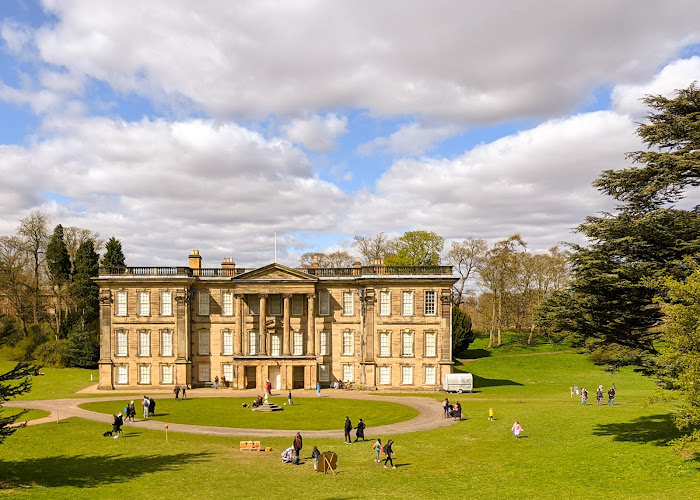
Calke Abbey
Bass’ Recreation Ground
Find Accommodations Nearby
Recommended Tours & Activities
Visitor Reviews
There are no reviews yet. Be the first one to write one.
Share Your Experience
Have you visited Derby Museum & Art Gallery? Help other travelers by leaving a review.