
Degalldoruwa Raja Maha Viharaya
About Degalldoruwa Raja Maha Viharaya
Key Features
More Details
Updated June 11, 2025
Degaldoruwa Cave Temple,Kandy-Architecture,History,Paintings
# Degaldoruwa Raja Maha Viharaya (Degalldoruwa): the Kandy-area rock temple known for Kandyan-era frescoes
If you’re in the Kandy District and want a temple visit that’s more about art history than crowds, Degaldoruwa Raja Maha Viharaya is the kind of place that rewards patience and a slower pace. It’s a Buddhist rock (cave) temple near Kandy, and it’s especially known for its Kandyan-era frescoes—a late-18th-century painting tradition with distinctive composition and color choices.
You gave the address as 55 Sirimalwatta – Amunugama – Madawala Rd, Sirimalwatta, Sri Lanka, which is consistent with multiple travel references for the site.
## Why Degaldoruwa is worth your time
### It’s a purpose-built rock shrine, not “just” a pretty temple
Degaldoruwa is described as a rock-excavated cave temple: the shrine room and entrance chamber are sheltered within a rock formation (often noted as rising to about 12.3 meters). That physical setup matters because it shaped how murals were laid out—walls and ceilings become a continuous canvas in a way you don’t always get in freestanding temples.
### The frescoes are the headline
The temple is widely cited as being famous for Kandyan-era frescoes, including murals that depict Jātaka tales (stories of the Buddha’s previous lives).
A specific, frequently mentioned highlight is a ceiling painting called “Mara Yudde”, describing the Buddha’s internal spiritual struggle against Māra.
### The “receipt” for the temple’s origins still exists
Historical details of construction and royal land grants are said to be recorded on the Degaldoruwa Tamba Sannasa, a copper-plate document often referenced in descriptions of the site’s history.
## A short, careful history (only what’s well-attested online)
Multiple sources describe Degaldoruwa as initiated in the late 18th century during the Kandyan Kingdom period. One widely cited account: construction began in 1771, associated with Prince Rajadhi Rajasinha (later king), during the reign of Kirti Sri Rajasinha, and was completed after Rajadhi Rajasinha ascended the throne.
It’s also listed as an archaeological protected monument in Sri Lanka (often shown with a designation date of 22 May 1964 in summaries).
## What you’ll actually see on-site
### The cave interior: murals as narrative panels
Expect dense narrative painting, with repeated bands of figures and scenes, including Jātaka episodes. One reason Degaldoruwa’s murals get singled out: descriptions emphasize their stylistic consistency (figures and elements rendered at uniform scale, stylized trees, detailed adornments).
### A temple visit that’s more “gallery rules” than “viewpoint selfie”
Because the main attraction is painted surfaces (not just statues or architecture), the best experience usually comes from:
– letting your eyes adjust to lower light,
– moving slowly so you don’t miss ceiling detail,
– avoiding flash photography (good preservation practice in painted interiors, even when not explicitly posted).
(Photography rules can vary by site and by room; if signage differs on the day, follow signage and staff direction.)
## Practical visiting notes for Kandy travelers
### Location + getting there
Degaldoruwa is in the Kandy area (Amunugama/Sirimalwatta is commonly cited), making it realistic as a half-day cultural stop if you’re already basing yourself in Kandy.
Without confidently citing a specific drive time (traffic and starting point matter), the simplest approach is: arrange a tuk-tuk or car from Kandy and give the driver the temple name + the address you provided.
### Opening hours and tickets: verify before you commit
Online sources don’t agree perfectly on hours:
– One source lists 6:00am–6:00pm and free admission.
– Another lists 8:00am–5:00pm and also free admission.
Because of that mismatch, treat hours as potentially outdated and confirm locally (your accommodation host can usually do this quickly). The “free entry” claim appears consistently, but it’s still smart to carry small cash in case of donations or site-specific requests.
### Dress code + respectful behavior (easy to get right)
This is a Buddhist temple site, so plan for:
– shoulders and knees covered,
– shoes off in designated sacred areas,
– keeping voices down in painted chambers,
– not touching murals or leaning on walls.
These are standard norms across many Buddhist temples in Sri Lanka; Degaldoruwa’s painted interiors make the “don’t touch surfaces” part especially important.
## How to fit Degaldoruwa into a smart Kandy itinerary
Degaldoruwa pairs well with Kandy’s better-known religious and cultural stops—especially if you want contrast: one major “national-icon” temple and one art-focused rock shrine.
If you’re building a Sri Lanka temple arc, two useful RealJourneyTravels reads to connect here:
– Rock-temple context: Aluviharaya Rock Cave Temple (another site where rock forms and sacred space are inseparable). Journey Travels
– Bigger cave-temple benchmark: Dambulla Royal Cave Temple and Golden Temple (a different scale entirely, but helpful for understanding Sri Lanka’s mural traditions across cave complexes). Journey Travels
And if Kandy is your base and you’re still deciding neighborhoods/logistics: Where to Stay in Sri Lanka (Kandy section) can help you anchor the rest of your days around transport and pace. Journey Travels
## Quick “what to know before you go” checklist
– Best for: travelers into Sri Lankan heritage, Buddhist art, mural painting, Kandyan-era history, and quieter temple visits.
– Not ideal for: anyone needing modern accessibility features (rock-temple layouts often involve uneven surfaces and steps; check on-site conditions).
– Bring: socks (shoe-off comfort), water, a light layer (temple interiors can feel cool), and a camera that handles low light without flash.
– Time on site: enough to slow down and study paintings—this isn’t a “five-minute look.”
—
If you want, paste 2–3 internal RealJourneyTravels URLs you want to push (Kandy, temples, Sri Lanka itineraries), and I’ll swap the internal links so they match your actual site architecture instead of the closest existing matches I found via search.
Table of Contents
Key Highlights
Degalldoruwa Raja Maha Viharaya
Location
Places to Stay Near Degalldoruwa Raja Maha Viharaya"A historical temple , famous for frescos"
Find and Book a Tour
Explore More Travel Guides
No reviews found! Be the first to review!
Traveler Reviews for Degalldoruwa Raja Maha Viharaya
There are no reviews yet. Be the first one to write one.
Have you visited Degalldoruwa Raja Maha Viharaya? Help other travelers by sharing your review.
You Might Also Like
Kandy Lake
Kandy
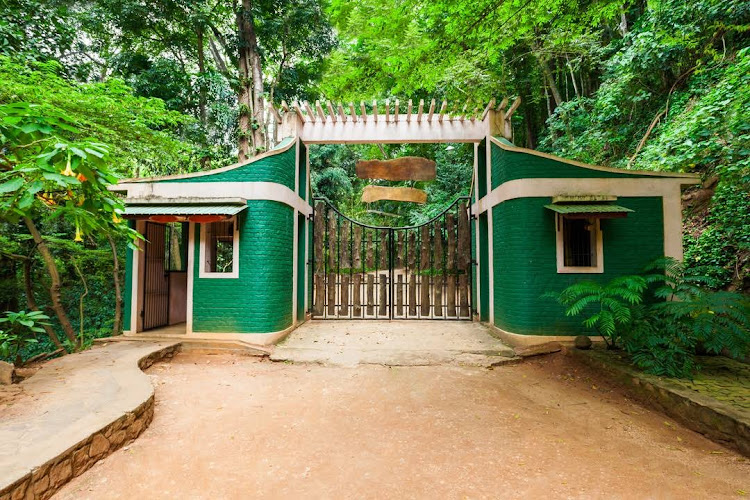
Udawatta Kele Sanctuary
Find Accommodations Nearby
Recommended Tours & Activities
Visitor Reviews
There are no reviews yet. Be the first one to write one.
Share Your Experience
Have you visited Degalldoruwa Raja Maha Viharaya? Help other travelers by leaving a review.