
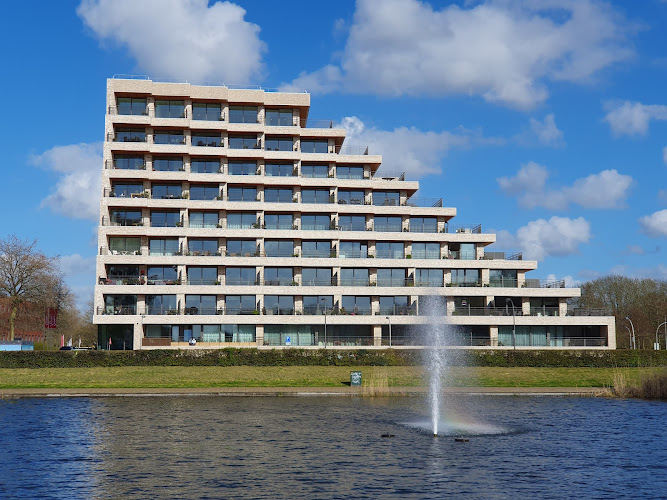
De brug
About De brug
Description
De brug at Ziekenhuisweg is, to put it plainly, not your usual park. If you’re picturing a place with vast lawns, ornate flower beds, or maybe a goose or two, you might be expecting something else entirely. What De brug offers is quieter, more contemplative. There’s a subtle kind of peace here that sneaks up on you—and, honestly, that’s something I personally treasure. The bridge itself (yep, that’s the literal translation from Dutch: "the bridge") stands as a kind of understated landmark, tucked into the green veins that run through Lelystad.
I find that there are parks built for crowds and then there are those that seem tailor-made for small moments of reflection. De brug—unassuming, perhaps even modest—leans toward the latter. There’s a certain charm in its minimalism. When you visit, you’re not bombarded by vendors or overwhelmed by the sound of street buskers. It’s just you, the gentle rustle of leaves, and the occasional cyclist gliding by. If you’re like me and sometimes crave a moment to simply let your thoughts wander, you’ll find that here.
The locals use the site as a sort of shortcut, but travelers like us? Well, we see the magic that comes from pausing atop the bridge, watching the quiet world go by. Honestly, last time I walked here, I caught a pair of ducks arguing (as ducks do) and it was more memorable than most museum tours. Funny how small things can stick in your memory, isn’t it?
Key Features
- Modern Pedestrian Bridge: The focal point, De brug, cuts a clean, modern silhouette across the gentle park waterways, connecting walking and cycling paths seamlessly. It makes strolling from hospital grounds into the adjacent parkland a literal “walk in the park.”
- Easy Accessibility: No need to be an athlete—you don’t even have to break a sweat. Ramps and wide paths mean that it’s suited to strollers, wheelchairs, and those just wanting an amble.
- Serene Greenery: Encircled by carefully tended park space, you’ll find lines of trees, wild grasses, and pockets of flowering plants. It’s the sort of greenery that feels unforced, not manicured within an inch of its life.
- Integrated Cycling Routes: Lelystad is known for its bike-friendly ethos, and De brug links up perfectly with these cycling arteries. Cyclists, rejoice! Grab your wheels and see the city from a fresh perspective.
- Local Wildlife Encounters: Keep your eyes peeled—birds, ducks, and the occasional friendly squirrel are regulars. Nothing earth-shattering, but sometimes a heron swoops by and, for a split second, it feels almost cinematic.
- Ambient Lighting: Subtle lights guide evening visitors, making early dusk strolls feel both secure and atmospheric. It’s equally enjoyable day or night—a fine bonus if you ask me.
- Photographers’ Haven: With clean lines, water reflections, and those Dutch skies (ah, the drama), this spot is secretly beloved by local hobby photographers. Actually, my own phone is full of moody bridge-and-cloud shots. Can’t help myself.
Best Time to Visit
Alright, let’s be real for a second: the best time to visit De brug... is whenever you need a breath of fresh air. But, if you crave specifics (and let’s face it, we all do when planning a trip), late spring and early summer are probably the park’s sweet spot. That’s when the trees are in full leaf, the meadows burst with wildflowers, and the sunsets are long and slow—honestly, those Dutch evenings linger forever.
If you’re a leaf-cruncher (or, you know, simply love an autumn stroll), then visit in late September or October. The rustle of orange leaves underfoot is tactically satisfying, and that slight nip in the air gives the place a cozy mood. I’ve been there on a drizzly day in November, too, and while I won’t call it postcard material, there’s peace in solitude and mist, if that’s your style.
Mornings—particularly if you’re a runner or you want to listen to birds instead of traffic—are quieter but still feel perfectly safe. Evenings, especially in July and August, have a sort of hush that’s surprising for a spot so close to the heart of Lelystad.
How to Get There
Let’s cut to the chase: Lelystad is easy to reach, and De brug is, in typical Dutch fashion, right where you need it to be—not exactly hidden, but not screaming for attention either. Traveling by train? Hop off at Lelystad Centrum, and you’re basically just a short walk or cycle away. Head south and follow the signs for Ziekenhuisweg—trust me, the Dutch signage is excellent, but Maps might save you from a minor detour (spoken from personal detour experience—nothing like an impromptu tour of Dutch side streets!).
Buses run frequently from the station and the city center. If you’re driving, there’s parking available near the hospital and adjacent areas. But if you ask me, rolling up by bike is the most satisfying way to arrive. Lelystad’s flat landscape makes cycling a breeze, and the approach to De brug along quiet paths is half the fun—especially if you like to feel the wind in your hair and the occasional bug in your teeth (it’s part of the experience).
If you’re the type who loves walking, it’s certainly doable from most parts of Lelystad, and you’ll get a little taste of local daily life along the way—families, kids careening by on scooters, someone walking a dog that’s slightly too small for its leash. It’ll add some unscripted color to your day.
Tips for Visiting
Now, for the stuff nobody tells you until you’ve gone and made the rookie mistakes yourself (I’ve done it, so you don’t have to). First, don’t overplan your visit. This place is all about slowing down, lingering, looking at the water, letting your mind meander a bit. Bring a snack or a thermos of coffee—a little bench break by the bridge feels oddly luxurious. And shield yourself from the wind; Lelystad can surprise you with a chilly breeze out of nowhere. A light jacket has saved many a walk for me over the years.
If you’re going for photos, golden hour is choice—the light dances on the water in a way that turns even a phone snap into art. But don’t get so absorbed in documenting everything that you forget to actually enjoy it. Sometimes, I tuck my camera away just to stare at the ripple of water in peace.
Families will find it user-friendly, but remember—there aren’t playgrounds or big facilities. It’s less "entertain the kids for hours" and more “let’s take a lovely detour after school.” Ditto for food: pack your own sustenance, as you won’t find kiosks or food trucks here. There’s a sort of freedom in that, I think—you get to decide how you want to experience the space, without preset distractions.
Cyclists: mind the pedestrians, even if you’re zipping along. The courtesy in Dutch parks is something to aspire to. If you’re not in a rush, maybe chat with a passerby—you’ll find many locals are happy to share stories about the area, or give you a tip about a hidden sculpture or a little-frequented path.
And don’t feel the need to stay glued to your itinerary. Some of my most memorable moments at De brug have come when I let myself get a little lost, wandered further than I’d planned, and found myself standing on that bridge while a flock of birds painted wild arcs against a sky that just wouldn’t quit. You can’t plan magic like that—it finds you, if you give it room.
In summary: De brug isn’t flashy. It might not make the top of the must-see lists. But sometimes, the quiet places are exactly where we need to be. Give yourself permission to linger, take a breath, and let the unhurried rhythm of this park and its bridge work its magic. If you do, you’ll leave with something more than a photo—you’ll take home a little piece of Lelystad calm.
Key Features
- Key Features
- Best Time to Visit
- How to Get There
- Tips for Visiting
More Details
Updated June 26, 2025
Table of Contents
Description
De brug at Ziekenhuisweg is, to put it plainly, not your usual park. If you’re picturing a place with vast lawns, ornate flower beds, or maybe a goose or two, you might be expecting something else entirely. What De brug offers is quieter, more contemplative. There’s a subtle kind of peace here that sneaks up on you—and, honestly, that’s something I personally treasure. The bridge itself (yep, that’s the literal translation from Dutch: “the bridge”) stands as a kind of understated landmark, tucked into the green veins that run through Lelystad.
I find that there are parks built for crowds and then there are those that seem tailor-made for small moments of reflection. De brug—unassuming, perhaps even modest—leans toward the latter. There’s a certain charm in its minimalism. When you visit, you’re not bombarded by vendors or overwhelmed by the sound of street buskers. It’s just you, the gentle rustle of leaves, and the occasional cyclist gliding by. If you’re like me and sometimes crave a moment to simply let your thoughts wander, you’ll find that here.
The locals use the site as a sort of shortcut, but travelers like us? Well, we see the magic that comes from pausing atop the bridge, watching the quiet world go by. Honestly, last time I walked here, I caught a pair of ducks arguing (as ducks do) and it was more memorable than most museum tours. Funny how small things can stick in your memory, isn’t it?
Key Features
- Modern Pedestrian Bridge: The focal point, De brug, cuts a clean, modern silhouette across the gentle park waterways, connecting walking and cycling paths seamlessly. It makes strolling from hospital grounds into the adjacent parkland a literal “walk in the park.”
- Easy Accessibility: No need to be an athlete—you don’t even have to break a sweat. Ramps and wide paths mean that it’s suited to strollers, wheelchairs, and those just wanting an amble.
- Serene Greenery: Encircled by carefully tended park space, you’ll find lines of trees, wild grasses, and pockets of flowering plants. It’s the sort of greenery that feels unforced, not manicured within an inch of its life.
- Integrated Cycling Routes: Lelystad is known for its bike-friendly ethos, and De brug links up perfectly with these cycling arteries. Cyclists, rejoice! Grab your wheels and see the city from a fresh perspective.
- Local Wildlife Encounters: Keep your eyes peeled—birds, ducks, and the occasional friendly squirrel are regulars. Nothing earth-shattering, but sometimes a heron swoops by and, for a split second, it feels almost cinematic.
- Ambient Lighting: Subtle lights guide evening visitors, making early dusk strolls feel both secure and atmospheric. It’s equally enjoyable day or night—a fine bonus if you ask me.
- Photographers’ Haven: With clean lines, water reflections, and those Dutch skies (ah, the drama), this spot is secretly beloved by local hobby photographers. Actually, my own phone is full of moody bridge-and-cloud shots. Can’t help myself.
Best Time to Visit
Alright, let’s be real for a second: the best time to visit De brug… is whenever you need a breath of fresh air. But, if you crave specifics (and let’s face it, we all do when planning a trip), late spring and early summer are probably the park’s sweet spot. That’s when the trees are in full leaf, the meadows burst with wildflowers, and the sunsets are long and slow—honestly, those Dutch evenings linger forever.
If you’re a leaf-cruncher (or, you know, simply love an autumn stroll), then visit in late September or October. The rustle of orange leaves underfoot is tactically satisfying, and that slight nip in the air gives the place a cozy mood. I’ve been there on a drizzly day in November, too, and while I won’t call it postcard material, there’s peace in solitude and mist, if that’s your style.
Mornings—particularly if you’re a runner or you want to listen to birds instead of traffic—are quieter but still feel perfectly safe. Evenings, especially in July and August, have a sort of hush that’s surprising for a spot so close to the heart of Lelystad.
How to Get There
Let’s cut to the chase: Lelystad is easy to reach, and De brug is, in typical Dutch fashion, right where you need it to be—not exactly hidden, but not screaming for attention either. Traveling by train? Hop off at Lelystad Centrum, and you’re basically just a short walk or cycle away. Head south and follow the signs for Ziekenhuisweg—trust me, the Dutch signage is excellent, but Maps might save you from a minor detour (spoken from personal detour experience—nothing like an impromptu tour of Dutch side streets!).
Buses run frequently from the station and the city center. If you’re driving, there’s parking available near the hospital and adjacent areas. But if you ask me, rolling up by bike is the most satisfying way to arrive. Lelystad’s flat landscape makes cycling a breeze, and the approach to De brug along quiet paths is half the fun—especially if you like to feel the wind in your hair and the occasional bug in your teeth (it’s part of the experience).
If you’re the type who loves walking, it’s certainly doable from most parts of Lelystad, and you’ll get a little taste of local daily life along the way—families, kids careening by on scooters, someone walking a dog that’s slightly too small for its leash. It’ll add some unscripted color to your day.
Tips for Visiting
Now, for the stuff nobody tells you until you’ve gone and made the rookie mistakes yourself (I’ve done it, so you don’t have to). First, don’t overplan your visit. This place is all about slowing down, lingering, looking at the water, letting your mind meander a bit. Bring a snack or a thermos of coffee—a little bench break by the bridge feels oddly luxurious. And shield yourself from the wind; Lelystad can surprise you with a chilly breeze out of nowhere. A light jacket has saved many a walk for me over the years.
If you’re going for photos, golden hour is choice—the light dances on the water in a way that turns even a phone snap into art. But don’t get so absorbed in documenting everything that you forget to actually enjoy it. Sometimes, I tuck my camera away just to stare at the ripple of water in peace.
Families will find it user-friendly, but remember—there aren’t playgrounds or big facilities. It’s less “entertain the kids for hours” and more “let’s take a lovely detour after school.” Ditto for food: pack your own sustenance, as you won’t find kiosks or food trucks here. There’s a sort of freedom in that, I think—you get to decide how you want to experience the space, without preset distractions.
Cyclists: mind the pedestrians, even if you’re zipping along. The courtesy in Dutch parks is something to aspire to. If you’re not in a rush, maybe chat with a passerby—you’ll find many locals are happy to share stories about the area, or give you a tip about a hidden sculpture or a little-frequented path.
And don’t feel the need to stay glued to your itinerary. Some of my most memorable moments at De brug have come when I let myself get a little lost, wandered further than I’d planned, and found myself standing on that bridge while a flock of birds painted wild arcs against a sky that just wouldn’t quit. You can’t plan magic like that—it finds you, if you give it room.
In summary: De brug isn’t flashy. It might not make the top of the must-see lists. But sometimes, the quiet places are exactly where we need to be. Give yourself permission to linger, take a breath, and let the unhurried rhythm of this park and its bridge work its magic. If you do, you’ll leave with something more than a photo—you’ll take home a little piece of Lelystad calm.
Key Highlights
- Key Features
- Best Time to Visit
- How to Get There
- Tips for Visiting
Location
Places to Stay Near De brug
Find and Book a Tour
Explore More Travel Guides
No reviews found! Be the first to review!
Traveler Reviews for De brug
There are no reviews yet. Be the first one to write one.
Have you visited De brug? Help other travelers by sharing your review.
You Might Also Like
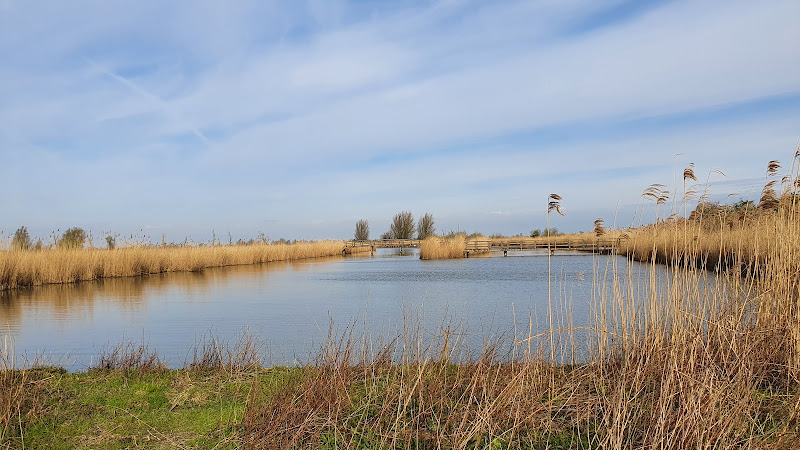
Vogelkijkscherm De Blauwborst
Stichting Vroege Vogels

Batavia - Ship of Dutch East India Company
Find Accommodations Nearby
Recommended Tours & Activities
Visitor Reviews
There are no reviews yet. Be the first one to write one.
Share Your Experience
Have you visited De brug? Help other travelers by leaving a review.