
Davao de Oro
About Davao de Oro
Description
Davao de Oro, once known as Compostela Valley, is one of those places that quietly surprises you. Tucked in the southeastern part of Mindanao, this province is a land of gold—literally and figuratively. It’s no wonder locals fondly call it “The Golden One.” Beyond its rich mineral deposits, it’s a province brimming with raw beauty, resilient communities, and a kind of serenity that’s rare these days. Its capital, Nabunturan, is the heartbeat of the province, while Monkayo, the most populous town, hums with life and trade.
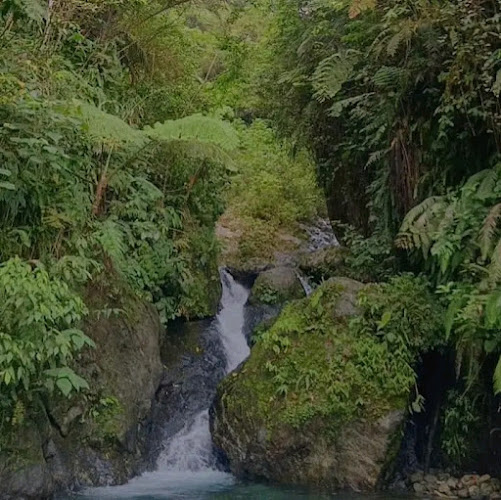
I remember my first time visiting Davao de Oro—it wasn’t planned, really. I was on a road trip from Davao City and decided to take a detour. What I found was a province that felt untouched by the rush of modern tourism. The roads wound through lush hills, the air smelled faintly of earth and rain, and the people—oh, they were some of the warmest I’ve ever met. Everyone seemed proud of their home, eager to share stories about their mountains, waterfalls, and the gold mines that shaped their history.
This province used to be part of Davao del Norte until it became independent in 1998. Since then, it’s carved out its own identity, balancing progress with preservation. Travelers who come here aren’t looking for luxury resorts or crowded beaches—they come for authenticity. For the kind of adventure that leaves a mark not just on your camera roll but on your memory.
Key Features
- Natural Wonders: From the towering mountains of Maragusan to the hot springs of Mainit, nature here is generous and unspoiled.
- Bilawa Mainit Hot Waterfalls: A steaming waterfall tucked in Barangay Mainit, Nabunturan—perfect for those who love offbeat destinations.
- Mt. Candalaga: A favorite among trekkers, offering panoramic views and a challenging climb that rewards every drop of sweat.
- Rich Culture and History: The province’s mining heritage and indigenous communities give it a unique cultural texture.
- Eco-Tourism Adventures: River tubing, spelunking, and waterfall hopping—there’s always something to do for thrill-seekers.
- Local Cuisine: Try their native chicken tinola or freshly caught tilapia from mountain streams—simple, hearty, and delicious.
And if you’re the kind of traveler who loves discovering places before they become “trendy,” Davao de Oro will feel like your personal secret. It’s not overrun by tour buses or selfie sticks. Instead, you’ll find quiet towns, mountain trails, and locals who still greet you with genuine smiles, not sales pitches.
Best Time to Visit
The best time to visit Davao de Oro is between December and May, when the weather is generally dry and the skies are clear. These months are ideal for hiking, exploring waterfalls, and attending local festivals. The province celebrates its Bulan-Bulan Festival in March—a colorful event that showcases the region’s agricultural bounty and cultural pride.
I once visited in late February, and it was perfect. The mornings were cool, the afternoons warm but not scorching, and the nights just right for a bonfire by the river. But if you don’t mind a bit of rain (and honestly, it can be quite romantic), the wet months from June to October bring out the lushest greens you’ll ever see. Just be ready for muddy trails and occasional downpours—pack a poncho and a sense of humor.
How to Get There
Getting to Davao de Oro is easier than most people think. The nearest major city is Davao City, which has an international airport with flights from Manila, Cebu, and other key cities. From Davao City, you can take a bus or van bound for Nabunturan or Monkayo—about a two to three-hour ride, depending on traffic and weather. The roads are mostly paved, but some rural areas can get bumpy, so be ready for a bit of adventure.
If you’re driving, the route via the Pan-Philippine Highway offers scenic views of banana plantations, rolling hills, and small roadside eateries where you can grab a cup of barako coffee or a plate of pancit canton. For those who prefer public transport, the Davao City Overland Transport Terminal has regular trips heading to the province. Once you’re in Davao de Oro, local tricycles, habal-habal (motorbikes for hire), and jeepneys are the main ways to get around. They might not be fancy, but they sure make you feel closer to the community.
And here’s a small tip from experience—don’t rush. The journey itself is part of the magic. Stop by local markets, talk to the vendors, and maybe buy some fresh marang or durian along the way. You’ll learn more about the place from a ten-minute chat than from any brochure.
Tips for Visiting
Traveling around Davao de Oro is all about embracing the unexpected. It’s a province that rewards curiosity and patience. Here are some tips to help you make the most of your trip:
- Bring cash. ATMs can be scarce in smaller towns, and many local establishments don’t accept cards.
- Respect local customs. Some areas are home to indigenous communities—always ask before taking photos or entering sacred sites.
- Pack light but smart. Comfortable shoes, insect repellent, and a waterproof bag are your best friends here.
- Try local transport. Riding a habal-habal through mountain roads is an experience you won’t forget (just hold on tight!).
- Stay with locals if you can. Homestays offer a deeper connection to the culture and a chance to hear stories you won’t find online.
- Be eco-conscious. Leave no trace, take only photos, and support sustainable tourism initiatives.
One thing I’ve learned from my travels in Mindanao is that the best memories often come from places that don’t scream for attention. Davao de Oro is exactly that kind of place. It’s humble, grounded, and quietly beautiful. You don’t go there to check off a list—you go to slow down, to breathe, and maybe to rediscover a part of yourself that got lost somewhere along the way.
So if you’re planning your next trip and craving something real—something that feels like an adventure without the chaos—consider Davao de Oro. It’s gold in more ways than one. And once you’ve been there, you’ll understand why those who visit rarely forget it.
Key Features
- Key Features
- Best Time to Visit
- How to Get There
- Tips for Visiting
More Details
Updated November 9, 2025
Table of Contents
Description
Davao de Oro, once known as Compostela Valley, is one of those places that quietly surprises you. Tucked in the southeastern part of Mindanao, this province is a land of gold—literally and figuratively. It’s no wonder locals fondly call it “The Golden One.” Beyond its rich mineral deposits, it’s a province brimming with raw beauty, resilient communities, and a kind of serenity that’s rare these days. Its capital, Nabunturan, is the heartbeat of the province, while Monkayo, the most populous town, hums with life and trade.
I remember my first time visiting Davao de Oro—it wasn’t planned, really. I was on a road trip from Davao City and decided to take a detour. What I found was a province that felt untouched by the rush of modern tourism. The roads wound through lush hills, the air smelled faintly of earth and rain, and the people—oh, they were some of the warmest I’ve ever met. Everyone seemed proud of their home, eager to share stories about their mountains, waterfalls, and the gold mines that shaped their history.
This province used to be part of Davao del Norte until it became independent in 1998. Since then, it’s carved out its own identity, balancing progress with preservation. Travelers who come here aren’t looking for luxury resorts or crowded beaches—they come for authenticity. For the kind of adventure that leaves a mark not just on your camera roll but on your memory.
Key Features
- Natural Wonders: From the towering mountains of Maragusan to the hot springs of Mainit, nature here is generous and unspoiled.
- Bilawa Mainit Hot Waterfalls: A steaming waterfall tucked in Barangay Mainit, Nabunturan—perfect for those who love offbeat destinations.
- Mt. Candalaga: A favorite among trekkers, offering panoramic views and a challenging climb that rewards every drop of sweat.
- Rich Culture and History: The province’s mining heritage and indigenous communities give it a unique cultural texture.
- Eco-Tourism Adventures: River tubing, spelunking, and waterfall hopping—there’s always something to do for thrill-seekers.
- Local Cuisine: Try their native chicken tinola or freshly caught tilapia from mountain streams—simple, hearty, and delicious.
And if you’re the kind of traveler who loves discovering places before they become “trendy,” Davao de Oro will feel like your personal secret. It’s not overrun by tour buses or selfie sticks. Instead, you’ll find quiet towns, mountain trails, and locals who still greet you with genuine smiles, not sales pitches.
Best Time to Visit
The best time to visit Davao de Oro is between December and May, when the weather is generally dry and the skies are clear. These months are ideal for hiking, exploring waterfalls, and attending local festivals. The province celebrates its Bulan-Bulan Festival in March—a colorful event that showcases the region’s agricultural bounty and cultural pride.
I once visited in late February, and it was perfect. The mornings were cool, the afternoons warm but not scorching, and the nights just right for a bonfire by the river. But if you don’t mind a bit of rain (and honestly, it can be quite romantic), the wet months from June to October bring out the lushest greens you’ll ever see. Just be ready for muddy trails and occasional downpours—pack a poncho and a sense of humor.
How to Get There
Getting to Davao de Oro is easier than most people think. The nearest major city is Davao City, which has an international airport with flights from Manila, Cebu, and other key cities. From Davao City, you can take a bus or van bound for Nabunturan or Monkayo—about a two to three-hour ride, depending on traffic and weather. The roads are mostly paved, but some rural areas can get bumpy, so be ready for a bit of adventure.
If you’re driving, the route via the Pan-Philippine Highway offers scenic views of banana plantations, rolling hills, and small roadside eateries where you can grab a cup of barako coffee or a plate of pancit canton. For those who prefer public transport, the Davao City Overland Transport Terminal has regular trips heading to the province. Once you’re in Davao de Oro, local tricycles, habal-habal (motorbikes for hire), and jeepneys are the main ways to get around. They might not be fancy, but they sure make you feel closer to the community.
And here’s a small tip from experience—don’t rush. The journey itself is part of the magic. Stop by local markets, talk to the vendors, and maybe buy some fresh marang or durian along the way. You’ll learn more about the place from a ten-minute chat than from any brochure.
Tips for Visiting
Traveling around Davao de Oro is all about embracing the unexpected. It’s a province that rewards curiosity and patience. Here are some tips to help you make the most of your trip:
- Bring cash. ATMs can be scarce in smaller towns, and many local establishments don’t accept cards.
- Respect local customs. Some areas are home to indigenous communities—always ask before taking photos or entering sacred sites.
- Pack light but smart. Comfortable shoes, insect repellent, and a waterproof bag are your best friends here.
- Try local transport. Riding a habal-habal through mountain roads is an experience you won’t forget (just hold on tight!).
- Stay with locals if you can. Homestays offer a deeper connection to the culture and a chance to hear stories you won’t find online.
- Be eco-conscious. Leave no trace, take only photos, and support sustainable tourism initiatives.
One thing I’ve learned from my travels in Mindanao is that the best memories often come from places that don’t scream for attention. Davao de Oro is exactly that kind of place. It’s humble, grounded, and quietly beautiful. You don’t go there to check off a list—you go to slow down, to breathe, and maybe to rediscover a part of yourself that got lost somewhere along the way.
So if you’re planning your next trip and craving something real—something that feels like an adventure without the chaos—consider Davao de Oro. It’s gold in more ways than one. And once you’ve been there, you’ll understand why those who visit rarely forget it.
Key Highlights
- Key Features
- Best Time to Visit
- How to Get There
- Tips for Visiting
Location
Places to Stay Near Davao de Oro
Find and Book a Tour
Explore More Travel Guides
No reviews found! Be the first to review!
Traveler Reviews for Davao de Oro
There are no reviews yet. Be the first one to write one.
Have you visited Davao de Oro? Help other travelers by sharing your review.
You Might Also Like

Bamban Bridge

Lingayen Beach

APLAYA CALAMBA BAYWALK
Find Accommodations Nearby
Recommended Tours & Activities
Visitor Reviews
There are no reviews yet. Be the first one to write one.
Share Your Experience
Have you visited Davao de Oro? Help other travelers by leaving a review.