
D’ Bone Collector Museum
About D’ Bone Collector Museum
Description
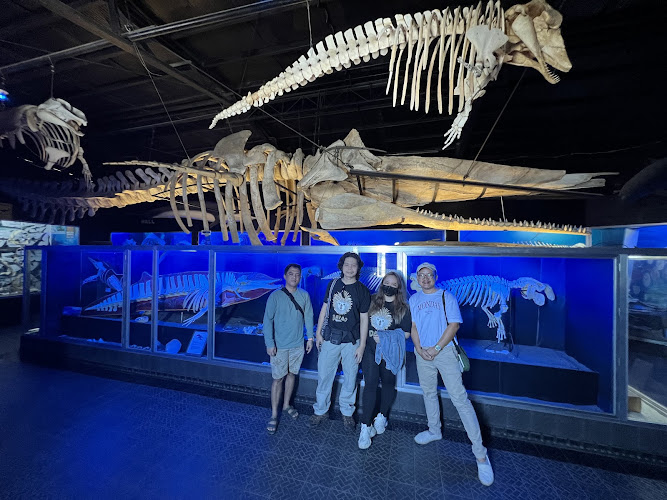
D' Bone Collector Museum in Davao City, Philippines is a straightforward, somewhat quirky natural history museum and education center that focuses on preserved skeletons and osteological displays. The museum’s collection ranges across local fauna and exotic species, presented as articulated skeletons and labeled exhibits that aim to teach about anatomy, evolution, and conservation. Visitors will find a mix of small mammal skeletons, larger vertebrate assemblies, and specialty cases that highlight bones, skulls, and comparative anatomy rather than dioramas or stuffed animals.
The museum often surprises first-timers. It doesn’t pretend to be a sprawling national institution—it's compact, hands-on in tone, and unapologetically focused on bones. The layout encourages a close-up look: walkways thread between glass cabinets and life-size skeletons, so you get an intimate sense of scale and structure. For families and school groups, it functions as a practical learning spot; for curious travelers, it’s an offbeat detour that can be equal parts educational and eerie in a good way.
Accessibility is mixed and worth noting: the museum provides a wheelchair-accessible restroom, but the entrance itself is not fully wheelchair accessible. That’s the kind of detail that matters when planning a visit, especially for those traveling with elderly relatives or people with mobility needs. Restrooms are available on-site but don’t expect a café or restaurant—there isn’t one—so plan snacks or nearby meal stops ahead.
Admission is usually modest relative to larger attractions in Davao City. And while many visitors leave impressed by the rarity and clarity of certain specimens, some feel the space is compact and the exhibits dense. The overall vibe leans towards education and curiosity rather than glossy presentation. School groups frequently visit; the museum’s focus on skeletal anatomy makes it especially good for students of biology, veterinary studies, and anyone with a fascination for the structural side of life.
Key Features
- Natural history and museum of zoology focus: primarily preserved skeletons and osteological exhibits.
- Educational orientation: labels and comparative displays designed to teach anatomy and evolutionary relationships.
- Compact, walkable layout that makes for an intimate viewing experience.
- Family-friendly environment with specific offerings that appeal to kids and students.
- Onsite restroom facilities; no restaurant or café within the museum.
- Wheelchair-accessible restroom available, but entrance is not wheelchair friendly—important for mobility planning.
- Souvenir shop area with bone-themed trinkets and educational keepsakes for travelers.
- Hands-on learning potential for school groups and informal science education.
- Photo opportunities with life-size skeletons and striking skeletal arrangements—bring a wide-angle lens if you like photography.
Best Time to Visit
The best time to visit D' Bone Collector Museum is on weekday mornings or early afternoons, when guided tours and school groups have not yet arrived in force. Weekends are busier—families and out-of-town tourists tend to show up then—so if you prefer quieter, linger-longer visits, aim for a weekday slot. Also, early visits help you avoid the hottest parts of a Davao day; the museum is indoors but it’s located in an urban area where traffic and heat can add time to your trip.
Seasonally, the dry months make travel around Mindanao easier, so more travelers plan trips then. But honestly, the museum is an indoor attraction, so it’s a good rainy-day plan too. During local school terms, expect a small surge in educational visits mid-morning. If you want more personalized attention from staff or the opportunity to ask detailed questions about specific specimens, try late morning on a weekday. Staff seem more relaxed before the lunchtime rush and can sometimes share stories about specimen preparation and provenance—those little behind-the-scenes anecdotes are gold for curious folks.
How to Get There
Reaching D' Bone Collector Museum from central points in Davao City is straightforward. The museum sits within the urban fabric, and most travelers combine it with a day of city exploring. If you are staying in the downtown core or near major hotels, a short taxi or ride-hailing service trip will get you there within 15–30 minutes depending on traffic. Jeepneys and tricycles operate in many neighborhoods around Davao; these can be a budget-friendly option but expect a bit more time and a bumpy ride.
For travelers arriving at the main transport hubs, simply tell your driver D' Bone Collector Museum. Drivers in Davao are generally familiar with major tourist destinations. If navigating public transit, plan some buffer time—trips can take longer than map estimates because of local stops and traffic patterns. Parking near the museum is limited; if you’re driving, arrive early or be prepared to park a short walk away. This writer once opted to walk the last few blocks from a nearby market to enjoy some local streetscape—an unintended but pleasant way to get a sense of the neighborhood.
Tips for Visiting
Plan ahead for food and comfort. Since there’s no restaurant inside, visitors should eat before or after the museum. There are good local eateries and markets in Davao City where you can sample regional dishes; trying durian-flavored snacks is optional, but hey—when in Davao, curiosity about local produce is part of the travel experience.
Respect the displays. Many specimens are delicate. The museum encourages viewers to look closely but not to touch, which is fair—bones can be fragile and oils from hands affect preservation. For families, a quick pre-visit chat with kids about manners inside the museum helps: quiet voices, gentle steps, and asking questions when curious. The museum is family-friendly, but some younger children could be unnerved by certain large skeletons—hearing that first can make a difference.
Bring a camera but be mindful of flash rules. Photos are generally welcome, and the arrangement of bones makes for compelling images. A wide-angle lens or a smartphone with panorama mode will capture the full scale of larger skeletons. Flash can be harsh on specimens and sometimes on neighboring visitors, so keep it off unless explicitly allowed.
Ask about guided options. Staff members often enjoy explaining a specimen’s story, how it was prepared, or its ecological context. If traveling with a particular interest—say, marine biology or mammalogy—mention it. The staff can usually point out relevant exhibits or share quick educational insights that aren’t obvious from labels alone.
Be prepared for mixed reactions. The museum elicits strong responses: fascination, admiration for preparatory craftsmanship, and occasionally, discomfort from the rawness of skeletal remains. That’s part of its charm. The museum aims to educate, not to shock, but if you are sensitive to displays involving bones, keep that in mind before you step in. For many, it’s a unique chance to see how anatomy works in a way that textbooks do not convey.
Mind the wheelchair access nuance. The restroom is wheelchair accessible, which is great; however, the entrance is not fully so. If mobility access is important for your group, call ahead or contact the museum on the day of your visit to discuss entry options. Sometimes staff can suggest alternative entrance points or times that ease the visit for those with mobility concerns.
Pick up a souvenir — if you like small keepsakes, the museum’s gift area sells educational items and bone-themed mementos. They’re fun to give friends who appreciate the odd and the scientific. But also—this writer’s candid aside—don’t bring back anything too weird for hotel housekeeping to find. A little bone-shaped keychain? Fine. A real skull? Not fine. Use common sense and local rules when souvenir shopping.
Combine the visit with nearby attractions for a fuller day. Davao City has parks, markets, and cultural spots within reasonable distance. The museum makes for a concise stop that pairs well with a wider city itinerary—especially if someone in the group loves natural history or wants a less typical travel memory.
Finally, go with curiosity. D' Bone Collector Museum rewards the visitor who takes time to read labels, ask questions, and appreciate the meticulous work that goes into preparing and arranging skeletons. It’s not showy, but it is honest—an educational pit stop with personality. Visitors often leave with a newfound appreciation for bone structure, evolution, and the sometimes-surprising tapestry of life in the Philippines and beyond.
In short: expect an intimate, educational experience focused on skeletons and anatomy, find it at a convenient urban spot in Davao City, check access needs, and plan food and transport around the visit. If the unusual delights you, put this museum on your list—just maybe bring a steady hand for the camera and an open mind for the science of bones.
Key Features
- Natural history and museum of zoology focus: primarily preserved skeletons and osteological exhibits.
- Educational orientation: labels and comparative displays designed to teach anatomy and evolutionary relationships.
- Compact, walkable layout that makes for an intimate viewing experience.
- Family-friendly environment with specific offerings that appeal to kids and students.
- Onsite restroom facilities; no restaurant or café within the museum.
- Wheelchair-accessible restroom available, but entrance is not wheelchair friendly—important for mobility planning.
- Souvenir shop area with bone-themed trinkets and educational keepsakes for travelers.
- Hands-on learning potential for school groups and informal science education.
More Details
Updated August 30, 2025
Table of Contents
Description
D’ Bone Collector Museum in Davao City, Philippines is a straightforward, somewhat quirky natural history museum and education center that focuses on preserved skeletons and osteological displays. The museum’s collection ranges across local fauna and exotic species, presented as articulated skeletons and labeled exhibits that aim to teach about anatomy, evolution, and conservation. Visitors will find a mix of small mammal skeletons, larger vertebrate assemblies, and specialty cases that highlight bones, skulls, and comparative anatomy rather than dioramas or stuffed animals.
The museum often surprises first-timers. It doesn’t pretend to be a sprawling national institution—it’s compact, hands-on in tone, and unapologetically focused on bones. The layout encourages a close-up look: walkways thread between glass cabinets and life-size skeletons, so you get an intimate sense of scale and structure. For families and school groups, it functions as a practical learning spot; for curious travelers, it’s an offbeat detour that can be equal parts educational and eerie in a good way.
Accessibility is mixed and worth noting: the museum provides a wheelchair-accessible restroom, but the entrance itself is not fully wheelchair accessible. That’s the kind of detail that matters when planning a visit, especially for those traveling with elderly relatives or people with mobility needs. Restrooms are available on-site but don’t expect a café or restaurant—there isn’t one—so plan snacks or nearby meal stops ahead.
Admission is usually modest relative to larger attractions in Davao City. And while many visitors leave impressed by the rarity and clarity of certain specimens, some feel the space is compact and the exhibits dense. The overall vibe leans towards education and curiosity rather than glossy presentation. School groups frequently visit; the museum’s focus on skeletal anatomy makes it especially good for students of biology, veterinary studies, and anyone with a fascination for the structural side of life.
Key Features
- Natural history and museum of zoology focus: primarily preserved skeletons and osteological exhibits.
- Educational orientation: labels and comparative displays designed to teach anatomy and evolutionary relationships.
- Compact, walkable layout that makes for an intimate viewing experience.
- Family-friendly environment with specific offerings that appeal to kids and students.
- Onsite restroom facilities; no restaurant or café within the museum.
- Wheelchair-accessible restroom available, but entrance is not wheelchair friendly—important for mobility planning.
- Souvenir shop area with bone-themed trinkets and educational keepsakes for travelers.
- Hands-on learning potential for school groups and informal science education.
- Photo opportunities with life-size skeletons and striking skeletal arrangements—bring a wide-angle lens if you like photography.
Best Time to Visit
The best time to visit D’ Bone Collector Museum is on weekday mornings or early afternoons, when guided tours and school groups have not yet arrived in force. Weekends are busier—families and out-of-town tourists tend to show up then—so if you prefer quieter, linger-longer visits, aim for a weekday slot. Also, early visits help you avoid the hottest parts of a Davao day; the museum is indoors but it’s located in an urban area where traffic and heat can add time to your trip.
Seasonally, the dry months make travel around Mindanao easier, so more travelers plan trips then. But honestly, the museum is an indoor attraction, so it’s a good rainy-day plan too. During local school terms, expect a small surge in educational visits mid-morning. If you want more personalized attention from staff or the opportunity to ask detailed questions about specific specimens, try late morning on a weekday. Staff seem more relaxed before the lunchtime rush and can sometimes share stories about specimen preparation and provenance—those little behind-the-scenes anecdotes are gold for curious folks.
How to Get There
Reaching D’ Bone Collector Museum from central points in Davao City is straightforward. The museum sits within the urban fabric, and most travelers combine it with a day of city exploring. If you are staying in the downtown core or near major hotels, a short taxi or ride-hailing service trip will get you there within 15–30 minutes depending on traffic. Jeepneys and tricycles operate in many neighborhoods around Davao; these can be a budget-friendly option but expect a bit more time and a bumpy ride.
For travelers arriving at the main transport hubs, simply tell your driver D’ Bone Collector Museum. Drivers in Davao are generally familiar with major tourist destinations. If navigating public transit, plan some buffer time—trips can take longer than map estimates because of local stops and traffic patterns. Parking near the museum is limited; if you’re driving, arrive early or be prepared to park a short walk away. This writer once opted to walk the last few blocks from a nearby market to enjoy some local streetscape—an unintended but pleasant way to get a sense of the neighborhood.
Tips for Visiting
Plan ahead for food and comfort. Since there’s no restaurant inside, visitors should eat before or after the museum. There are good local eateries and markets in Davao City where you can sample regional dishes; trying durian-flavored snacks is optional, but hey—when in Davao, curiosity about local produce is part of the travel experience.
Respect the displays. Many specimens are delicate. The museum encourages viewers to look closely but not to touch, which is fair—bones can be fragile and oils from hands affect preservation. For families, a quick pre-visit chat with kids about manners inside the museum helps: quiet voices, gentle steps, and asking questions when curious. The museum is family-friendly, but some younger children could be unnerved by certain large skeletons—hearing that first can make a difference.
Bring a camera but be mindful of flash rules. Photos are generally welcome, and the arrangement of bones makes for compelling images. A wide-angle lens or a smartphone with panorama mode will capture the full scale of larger skeletons. Flash can be harsh on specimens and sometimes on neighboring visitors, so keep it off unless explicitly allowed.
Ask about guided options. Staff members often enjoy explaining a specimen’s story, how it was prepared, or its ecological context. If traveling with a particular interest—say, marine biology or mammalogy—mention it. The staff can usually point out relevant exhibits or share quick educational insights that aren’t obvious from labels alone.
Be prepared for mixed reactions. The museum elicits strong responses: fascination, admiration for preparatory craftsmanship, and occasionally, discomfort from the rawness of skeletal remains. That’s part of its charm. The museum aims to educate, not to shock, but if you are sensitive to displays involving bones, keep that in mind before you step in. For many, it’s a unique chance to see how anatomy works in a way that textbooks do not convey.
Mind the wheelchair access nuance. The restroom is wheelchair accessible, which is great; however, the entrance is not fully so. If mobility access is important for your group, call ahead or contact the museum on the day of your visit to discuss entry options. Sometimes staff can suggest alternative entrance points or times that ease the visit for those with mobility concerns.
Pick up a souvenir — if you like small keepsakes, the museum’s gift area sells educational items and bone-themed mementos. They’re fun to give friends who appreciate the odd and the scientific. But also—this writer’s candid aside—don’t bring back anything too weird for hotel housekeeping to find. A little bone-shaped keychain? Fine. A real skull? Not fine. Use common sense and local rules when souvenir shopping.
Combine the visit with nearby attractions for a fuller day. Davao City has parks, markets, and cultural spots within reasonable distance. The museum makes for a concise stop that pairs well with a wider city itinerary—especially if someone in the group loves natural history or wants a less typical travel memory.
Finally, go with curiosity. D’ Bone Collector Museum rewards the visitor who takes time to read labels, ask questions, and appreciate the meticulous work that goes into preparing and arranging skeletons. It’s not showy, but it is honest—an educational pit stop with personality. Visitors often leave with a newfound appreciation for bone structure, evolution, and the sometimes-surprising tapestry of life in the Philippines and beyond.
In short: expect an intimate, educational experience focused on skeletons and anatomy, find it at a convenient urban spot in Davao City, check access needs, and plan food and transport around the visit. If the unusual delights you, put this museum on your list—just maybe bring a steady hand for the camera and an open mind for the science of bones.
Key Highlights
- Natural history and museum of zoology focus: primarily preserved skeletons and osteological exhibits.
- Educational orientation: labels and comparative displays designed to teach anatomy and evolutionary relationships.
- Compact, walkable layout that makes for an intimate viewing experience.
- Family-friendly environment with specific offerings that appeal to kids and students.
- Onsite restroom facilities; no restaurant or café within the museum.
- Wheelchair-accessible restroom available, but entrance is not wheelchair friendly—important for mobility planning.
- Souvenir shop area with bone-themed trinkets and educational keepsakes for travelers.
- Hands-on learning potential for school groups and informal science education.
Location
Places to Stay Near D' Bone Collector Museum
Find and Book a Tour
Explore More Travel Guides
No reviews found! Be the first to review!
Traveler Reviews for D’ Bone Collector Museum
There are no reviews yet. Be the first one to write one.
Have you visited D’ Bone Collector Museum? Help other travelers by sharing your review.
You Might Also Like
Tamayong Prayer Mountain
Davao Bamboo Sanctuary and Ecological Park
People’s Park
Find Accommodations Nearby
Recommended Tours & Activities
Visitor Reviews
There are no reviews yet. Be the first one to write one.
Share Your Experience
Have you visited D’ Bone Collector Museum? Help other travelers by leaving a review.