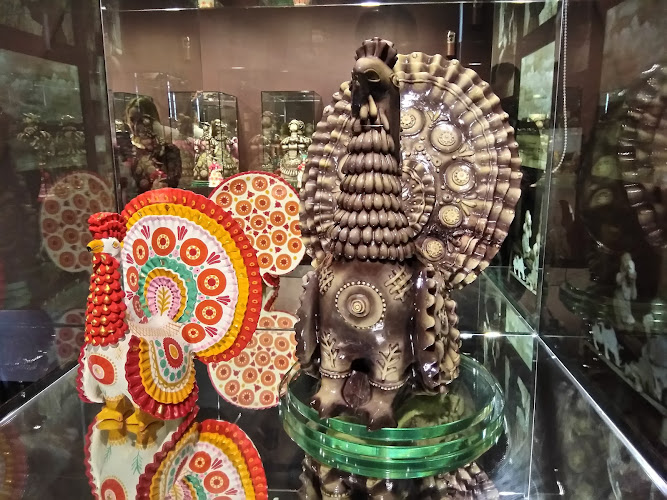
Tucked into a historic street of Kirov, Criollo is a small, sensory museum dedicated to the story of chocolate — from cocoa bean to bonbon. Opened in the 21st century by local chocolatiers and cultural entrepreneurs, the museum blends local craft narrative with global cacao history: exhibits trace trade routes, production techniques, and the social history behind chocolate’s rise as a luxury and everyday treat. What makes Criollo special is its hands-on focus and intimate scale — displays are paired with live demonstrations, tasting stations and a recreated artisan workshop where visitors can watch molding and tempering. Rooms are sensorially rich, filled with the aroma of cacao and decorated with period packaging, vintage tools and regional links to Russian confectionery traditions. A visit feels both educational and indulgent: it’s an ideal stop for families, food lovers and anyone curious about culinary heritage. Beyond the exhibits, the museum’s small shop offers locally made bars and souvenirs, making it easy to take a taste of Kirov home.
Highlights & Key Features
Interactive demonstrations of chocolate making (tempering, molding)
Guided tasting stations featuring regional and single-origin chocolates
Historical displays linking cacao trade to Russian confectionery
Recreated artisan workshop with vintage tools and packaging
On-site shop selling Criollo-branded chocolates and souvenirs
Visitor Guide & Information
Description
The Criollo museum stands as a delicious testament to one of humanity’s most beloved indulgences – chocolate. This isn’t your typical walk-through-and-read-plaques kind of museum. Instead, visitors find themselves immersed in the rich, aromatic world of cacao’s journey from ancient Mesoamerican civilizations to modern-day confectionery masterpieces. The museum takes its name from the Criollo cacao bean, considered the finest and rarest variety used in premium chocolate production, which tells you something about the level of dedication to authenticity here.
What makes this place particularly special is how it engages all your senses. You’re not just looking at exhibits behind glass cases – though there are plenty of fascinating artifacts and displays documenting chocolate’s history. The real magic happens when you get to taste different varieties, understand the complex fermentation processes, and maybe even get your hands dirty in one of their chocolate-making classes. I’ve visited my fair share of specialty museums over the years, and there’s something uniquely satisfying about a museum where you can actually consume the subject matter.
The museum does an excellent job tracing chocolate’s origins back to the ancient Maya and Aztec cultures, where cacao beans were so valuable they were used as currency. And honestly, once you understand the labor-intensive process of turning bitter cacao pods into the smooth chocolate we know today, that ancient valuation starts making perfect sense. The exhibits walk visitors through centuries of chocolate evolution, from the ceremonial cacao drinks of pre-Columbian societies to the invention of solid chocolate bars in the 19th century.
For travelers seeking an educational experience that doesn’t feel like homework, the Criollo museum strikes that perfect balance. It’s informative enough to justify the visit from a cultural perspective, but fun enough that kids won’t be tugging at your sleeve asking when you can leave. The chocolate tastings alone make it worth the admission price, but you’ll walk away with genuine knowledge about agricultural practices, colonial trade routes, and the science behind tempering chocolate.
Key Features
Comprehensive historical exhibits spanning chocolate’s journey from ancient Mesoamerica through modern production methods
Interactive chocolate tastings featuring different cacao percentages and origins from around the world
Hands-on chocolate-making classes where visitors learn professional techniques for creating their own confections
Educational displays about cacao cultivation, harvesting, and the fermentation process that’s crucial to developing chocolate’s complex flavors
Artifacts and historical objects related to chocolate’s role in various cultures throughout history
Information about the economic impact of cacao trade and its significance in colonial expansion
Demonstrations showing the transformation from raw cacao beans to finished chocolate products
Family-friendly presentations that make the science and history accessible to younger visitors
Opportunities to understand sustainable and ethical chocolate production practices
Restroom facilities available on-site for visitor convenience
Best Time to Visit
Timing your visit to the Criollo museum requires a bit of strategic thinking if you want to avoid crowds and maximize your experience. The museum tends to get busiest during school holiday periods and weekends, which makes sense given how popular it is with families. If you’re traveling without kids and have flexibility in your schedule, weekday mornings are your golden ticket. You’ll have more space to explore exhibits at your own pace and won’t feel rushed during the tasting portions.
That said, there’s something to be said for visiting during busier times if you’re bringing children along. The energy level picks up when there are more participants in the chocolate-making classes, and kids often feed off each other’s excitement. Just be prepared for a more crowded experience and possibly longer wait times.
Weather-wise, the museum is an indoor attraction, so you don’t need to worry too much about seasons affecting your visit. But here’s a tip from personal experience – if you’re visiting during summer months, the air conditioning inside provides welcome relief from heat, and there’s something particularly satisfying about learning about chocolate when it’s warm outside. Conversely, visiting during cooler months means you can enjoy hot chocolate samples without feeling overheated.
Getting tickets in advance is strongly recommended, and I can’t stress this enough. The museum has capacity limitations, and showing up without a reservation might mean disappointment, especially during peak tourist seasons. Plus, advance booking often gives you better choices for class times if you’re planning to participate in the chocolate-making workshops. Some visitors have learned this lesson the hard way, so don’t be one of them.
If you’re particularly interested in the hands-on classes, check the museum’s schedule carefully when booking. These sessions run at specific times throughout the day and can fill up weeks in advance during popular travel periods. Morning classes tend to be calmer and more focused, while afternoon sessions might have more participants.
How to Get There
Getting to the Criollo museum requires some planning, particularly if you have mobility considerations. The museum unfortunately doesn’t offer wheelchair accessible entrances or parking, which is something to keep in mind when organizing your visit. This limitation reflects the historical building’s structure rather than lack of concern, but it’s definitely something travelers with accessibility needs should know upfront.
For most visitors, public transportation or taxi services are the most straightforward options. The museum’s location typically makes it accessible via local bus routes or ride-sharing services. If you’re staying at a hotel in the main tourist area, your concierge can usually provide specific directions and might even help arrange transportation.
Driving yourself is certainly possible, though parking can be challenging depending on when you visit. There isn’t dedicated accessible parking at the facility, and street parking in the vicinity can be competitive. If you do drive, arrive early to secure a spot and give yourself extra time to walk from wherever you end up parking. Some visitors find it less stressful to simply use a taxi or ride-share service rather than dealing with parking logistics.
Walking to the museum can be a pleasant option if your accommodation is nearby. It gives you a chance to explore the surrounding neighborhood and maybe discover some local cafes or shops you wouldn’t have noticed otherwise. Just wear comfortable shoes – the last thing you want is sore feet before you even get to the museum.
Public transit users should download relevant apps or grab a transit map before setting out. While many locals speak English, having your destination clearly identified on your phone can make asking for directions much easier. Don’t be shy about asking fellow passengers or drivers for help – most people are happy to assist travelers trying to navigate their city.
Tips for Visiting
The single best piece of advice I can give you is this: don’t eat a huge meal right before your visit. The chocolate tastings are generous, and you’ll want to fully appreciate the different flavors without feeling stuffed. A light breakfast or lunch beforehand sets you up perfectly for sampling various cacao percentages and chocolate styles. Trust me on this one – I made the mistake of visiting right after a big lunch once, and I couldn’t properly enjoy the tastings because I was already too full.
Bringing kids? The museum is genuinely good for children, but setting expectations beforehand helps. This isn’t a place where they can run around wildly, but it’s also not so stuffy that they’ll be bored. The interactive elements keep younger visitors engaged, and the prospect of making their own chocolate usually provides excellent motivation for good behavior. Pack some wet wipes or hand sanitizer since chocolate-making classes can get messy – kids will be touching ingredients and molds throughout the process.
Dress casually and comfortably. There’s no need for fancy attire here, and you might get chocolate on yourself during the hands-on portions. Layers are smart because temperature can vary between different areas of the museum. And ladies, maybe skip the pristine white blouse – chocolate has a way of finding its way onto clothing no matter how careful you think you’re being.
Photography policies should be checked when you arrive, but generally speaking, personal photos are fine while commercial photography might require permission. The exhibits make for great Instagram content, and you’ll definitely want documentation of your chocolate-making attempts. Some of the historical artifacts are particularly photogenic, and the finished chocolate products are practically begging to be shared on social media.
Budget extra time beyond what you think you’ll need. While you could rush through in an hour or so, that would be missing the point entirely. The chocolate-making classes typically run 60-90 minutes, and that’s before you explore the exhibits themselves. Allocating at least two to three hours gives you space to properly absorb the information, enjoy the tastings without rushing, and ask questions when something piques your interest.
Speaking of questions – the staff are generally knowledgeable and passionate about chocolate. Don’t hesitate to engage them in conversation about the exhibits or the chocolate-making process. Some of the most interesting tidbits I learned during my visit came from casual conversations with museum guides rather than from the formal displays.
Consider visiting the restroom before starting any classes or guided portions of your visit. While facilities are available, stepping out mid-session can be disruptive and you might miss important information. This is especially true for the chocolate-making workshops where timing matters for certain steps.
Finally, come with an open mind about chocolate itself. If you think you know everything about chocolate because you’ve eaten it your whole life, prepare to be humbled. The depth of knowledge about cacao cultivation, regional flavor differences, and production techniques will likely surprise you. And you might discover that what you thought was “good chocolate” barely scratches the surface of what’s possible with quality cacao beans and proper technique.
The Criollo museum offers something genuinely educational wrapped in an enjoyable, sensory-rich experience that appeals to curious travelers of all ages. It’s the kind of attraction that sounds perhaps a bit niche when you first hear about it, but ends up being a highlight that people remember long after their trip ends.
The Criollo museum stands as a delicious testament to one of humanity’s most beloved indulgences – chocolate. This isn’t your typical walk-through-and-read-plaques kind of museum. Instead, visitors find themselves immersed in the rich, aromatic world of cacao’s journey from ancient Mesoamerican civilizations to modern-day confectionery masterpieces. The museum takes its name from the Criollo cacao bean, considered the finest and rarest variety used in premium chocolate production, which tells you something about the level of dedication to authenticity here.
What makes this place particularly special is how it engages all your senses. You’re not just looking at exhibits behind glass cases – though there are plenty of fascinating artifacts and displays documenting chocolate’s history. The real magic happens when you get to taste different varieties, understand the complex fermentation processes, and maybe even get your hands dirty in one of their chocolate-making classes. I’ve visited my fair share of specialty museums over the years, and there’s something uniquely satisfying about a museum where you can actually consume the subject matter.
The museum does an excellent job tracing chocolate’s origins back to the ancient Maya and Aztec cultures, where cacao beans were so valuable they were used as currency. And honestly, once you understand the labor-intensive process of turning bitter cacao pods into the smooth chocolate we know today, that ancient valuation starts making perfect sense. The exhibits walk visitors through centuries of chocolate evolution, from the ceremonial cacao drinks of pre-Columbian societies to the invention of solid chocolate bars in the 19th century.
For travelers seeking an educational experience that doesn’t feel like homework, the Criollo museum strikes that perfect balance. It’s informative enough to justify the visit from a cultural perspective, but fun enough that kids won’t be tugging at your sleeve asking when you can leave. The chocolate tastings alone make it worth the admission price, but you’ll walk away with genuine knowledge about agricultural practices, colonial trade routes, and the science behind tempering chocolate.
Key Features
Comprehensive historical exhibits spanning chocolate’s journey from ancient Mesoamerica through modern production methods
Interactive chocolate tastings featuring different cacao percentages and origins from around the world
Hands-on chocolate-making classes where visitors learn professional techniques for creating their own confections
Educational displays about cacao cultivation, harvesting, and the fermentation process that’s crucial to developing chocolate’s complex flavors
Artifacts and historical objects related to chocolate’s role in various cultures throughout history
Information about the economic impact of cacao trade and its significance in colonial expansion
Demonstrations showing the transformation from raw cacao beans to finished chocolate products
Family-friendly presentations that make the science and history accessible to younger visitors
Opportunities to understand sustainable and ethical chocolate production practices
Restroom facilities available on-site for visitor convenience
Best Time to Visit
Timing your visit to the Criollo museum requires a bit of strategic thinking if you want to avoid crowds and maximize your experience. The museum tends to get busiest during school holiday periods and weekends, which makes sense given how popular it is with families. If you’re traveling without kids and have flexibility in your schedule, weekday mornings are your golden ticket. You’ll have more space to explore exhibits at your own pace and won’t feel rushed during the tasting portions.
That said, there’s something to be said for visiting during busier times if you’re bringing children along. The energy level picks up when there are more participants in the chocolate-making classes, and kids often feed off each other’s excitement. Just be prepared for a more crowded experience and possibly longer wait times.
Weather-wise, the museum is an indoor attraction, so you don’t need to worry too much about seasons affecting your visit. But here’s a tip from personal experience – if you’re visiting during summer months, the air conditioning inside provides welcome relief from heat, and there’s something particularly satisfying about learning about chocolate when it’s warm outside. Conversely, visiting during cooler months means you can enjoy hot chocolate samples without feeling overheated.
Getting tickets in advance is strongly recommended, and I can’t stress this enough. The museum has capacity limitations, and showing up without a reservation might mean disappointment, especially during peak tourist seasons. Plus, advance booking often gives you better choices for class times if you’re planning to participate in the chocolate-making workshops. Some visitors have learned this lesson the hard way, so don’t be one of them.
If you’re particularly interested in the hands-on classes, check the museum’s schedule carefully when booking. These sessions run at specific times throughout the day and can fill up weeks in advance during popular travel periods. Morning classes tend to be calmer and more focused, while afternoon sessions might have more participants.
How to Get There
Getting to the Criollo museum requires some planning, particularly if you have mobility considerations. The museum unfortunately doesn’t offer wheelchair accessible entrances or parking, which is something to keep in mind when organizing your visit. This limitation reflects the historical building’s structure rather than lack of concern, but it’s definitely something travelers with accessibility needs should know upfront.
For most visitors, public transportation or taxi services are the most straightforward options. The museum’s location typically makes it accessible via local bus routes or ride-sharing services. If you’re staying at a hotel in the main tourist area, your concierge can usually provide specific directions and might even help arrange transportation.
Driving yourself is certainly possible, though parking can be challenging depending on when you visit. There isn’t dedicated accessible parking at the facility, and street parking in the vicinity can be competitive. If you do drive, arrive early to secure a spot and give yourself extra time to walk from wherever you end up parking. Some visitors find it less stressful to simply use a taxi or ride-share service rather than dealing with parking logistics.
Walking to the museum can be a pleasant option if your accommodation is nearby. It gives you a chance to explore the surrounding neighborhood and maybe discover some local cafes or shops you wouldn’t have noticed otherwise. Just wear comfortable shoes – the last thing you want is sore feet before you even get to the museum.
Public transit users should download relevant apps or grab a transit map before setting out. While many locals speak English, having your destination clearly identified on your phone can make asking for directions much easier. Don’t be shy about asking fellow passengers or drivers for help – most people are happy to assist travelers trying to navigate their city.
Tips for Visiting
The single best piece of advice I can give you is this: don’t eat a huge meal right before your visit. The chocolate tastings are generous, and you’ll want to fully appreciate the different flavors without feeling stuffed. A light breakfast or lunch beforehand sets you up perfectly for sampling various cacao percentages and chocolate styles. Trust me on this one – I made the mistake of visiting right after a big lunch once, and I couldn’t properly enjoy the tastings because I was already too full.
Bringing kids? The museum is genuinely good for children, but setting expectations beforehand helps. This isn’t a place where they can run around wildly, but it’s also not so stuffy that they’ll be bored. The interactive elements keep younger visitors engaged, and the prospect of making their own chocolate usually provides excellent motivation for good behavior. Pack some wet wipes or hand sanitizer since chocolate-making classes can get messy – kids will be touching ingredients and molds throughout the process.
Dress casually and comfortably. There’s no need for fancy attire here, and you might get chocolate on yourself during the hands-on portions. Layers are smart because temperature can vary between different areas of the museum. And ladies, maybe skip the pristine white blouse – chocolate has a way of finding its way onto clothing no matter how careful you think you’re being.
Photography policies should be checked when you arrive, but generally speaking, personal photos are fine while commercial photography might require permission. The exhibits make for great Instagram content, and you’ll definitely want documentation of your chocolate-making attempts. Some of the historical artifacts are particularly photogenic, and the finished chocolate products are practically begging to be shared on social media.
Budget extra time beyond what you think you’ll need. While you could rush through in an hour or so, that would be missing the point entirely. The chocolate-making classes typically run 60-90 minutes, and that’s before you explore the exhibits themselves. Allocating at least two to three hours gives you space to properly absorb the information, enjoy the tastings without rushing, and ask questions when something piques your interest.
Speaking of questions – the staff are generally knowledgeable and passionate about chocolate. Don’t hesitate to engage them in conversation about the exhibits or the chocolate-making process. Some of the most interesting tidbits I learned during my visit came from casual conversations with museum guides rather than from the formal displays.
Consider visiting the restroom before starting any classes or guided portions of your visit. While facilities are available, stepping out mid-session can be disruptive and you might miss important information. This is especially true for the chocolate-making workshops where timing matters for certain steps.
Finally, come with an open mind about chocolate itself. If you think you know everything about chocolate because you’ve eaten it your whole life, prepare to be humbled. The depth of knowledge about cacao cultivation, regional flavor differences, and production techniques will likely surprise you. And you might discover that what you thought was “good chocolate” barely scratches the surface of what’s possible with quality cacao beans and proper technique.
The Criollo museum offers something genuinely educational wrapped in an enjoyable, sensory-rich experience that appeals to curious travelers of all ages. It’s the kind of attraction that sounds perhaps a bit niche when you first hear about it, but ends up being a highlight that people remember long after their trip ends.
Key Highlights
Interactive demonstrations of chocolate making (tempering, molding)
Guided tasting stations featuring regional and single-origin chocolates
Historical displays linking cacao trade to Russian confectionery
Recreated artisan workshop with vintage tools and packaging
On-site shop selling Criollo-branded chocolates and souvenirs
Location
Places to Stay Near Criollo, a museum of history of chocolate
Explore verified points of interest within walking or short transit distance.
No neighboring places mapped within 5 km yet.
Find Places to Stay Nearby
Stay22 provides this accommodation search. We may earn a commission if you book through it; verify current prices and terms with the provider.
🗺️
Interactive accommodation map requires marketing cookies to display live rates.
Recommended Experiences & Activities
GetYourGuide provides this tour inventory. We may earn a commission if you book through it; verify current availability, prices, and terms with the provider.
Top Viator Experiences & Guided Tours in Kirov
We may earn a commission if you book through links on this page at no extra cost to you. All tours feature verified customer reviews and flexible cancellation options.