
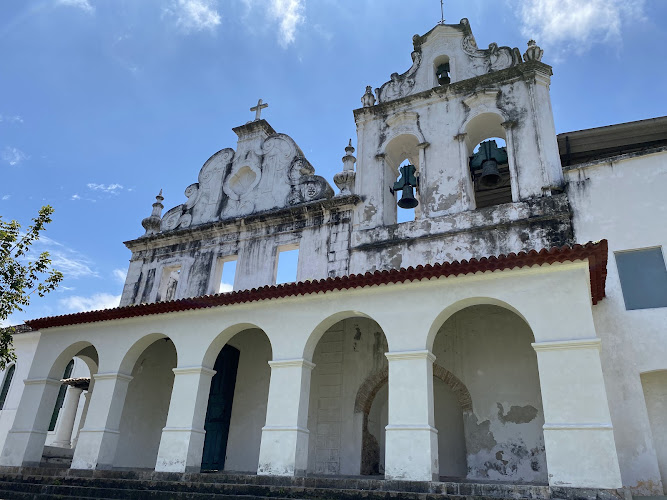
Convento de São Francisco
About Convento de São Francisco
Description
The Convento de São Francisco stands as one of those places that quietly earns your attention. It doesn’t shout for it. Instead, it waits. Built centuries ago and shaped by layers of religious life, political shifts, and plain old weathering, the convent carries a weight that’s felt the moment visitors step inside its grounds. Travelers often expect a pristine monument. What they find is something more honest: stone worn smooth by time, corridors that echo just enough, and a mood that swings between solemn and strangely comforting.
Historically, the convent served as a Franciscan religious house, rooted in ideals of simplicity and contemplation. And yes, you can still feel that philosophy in the architecture. The layout favors function over flourish, but look closer and subtle artistry appears in carvings, azulejo fragments, and decorative details added during later renovations. The building has lived multiple lives. At various points, it functioned beyond religious purposes, which explains the architectural contradictions some visitors notice and then quietly appreciate.
Travelers tend to fall into two camps here. Some come purely for the history, wanting dates, dynasties, and architectural styles neatly lined up. Others wander in with no plan and end up lingering, drawn by the atmosphere rather than the facts. The Convento de São Francisco somehow satisfies both. And honestly, that’s rare.
The space isn’t flawless. Certain areas show signs of age, and restoration has been selective rather than exhaustive. But that’s part of the charm. It feels lived-in, not over-curated. A place where silence still means something. If the walls could talk, they’d probably ramble a bit, jump timelines, maybe even contradict themselves. Which, come to think of it, makes them very human.
Key Features
- Historic cloister with original stonework that invites slow wandering
- Church interior reflecting Franciscan simplicity with later decorative layers
- Architectural mix of medieval foundations and post-medieval adaptations
- Peaceful courtyards that offer a break from busy sightseeing days
- Subtle art details, including faded frescoes and carved elements
- Atmosphere that feels contemplative rather than staged
- Occasional exhibitions or cultural uses depending on season
Best Time to Visit
The convent rewards patience, and timing matters. Mornings are usually the sweet spot, especially mid-week. There’s a calm then that feels earned, like the building itself hasn’t fully woken up yet. Late afternoons can be lovely too, when light slants across the stone and shadows do half the storytelling for you.
Seasonally, spring and early autumn tend to be ideal. The weather’s cooperative, and there’s less of that rushed energy you sometimes feel in peak summer. Summer visits aren’t a deal-breaker, but expect more foot traffic and warmer interiors. Winters, on the other hand, offer a quieter experience. Cooler, yes, and occasionally damp, but deeply atmospheric. Some of the most memorable visits happen when the air smells faintly of rain and the stone darkens just a shade.
And here’s a small personal aside: once, during a late autumn visit, the place was so quiet that every footstep sounded like a decision. It made slowing down unavoidable. Not everyone loves that. But if you do, you’ll remember it.
How to Get There
Reaching the Convento de São Francisco is generally straightforward, especially for travelers already exploring the surrounding city or town. Public transportation usually gets you close enough, with a short walk that helps ease you into the visit. That final approach matters. It gives context. You see how the convent fits into everyday life, not isolated behind gates but part of the urban rhythm.
For those driving, parking is typically available nearby, though it may require a bit of patience during busier periods. Walking is often the most rewarding option if you’re staying centrally. The gradual reveal of the building beats any sudden arrival by car or taxi. And if you’re the kind of traveler who enjoys getting slightly lost, this is a good place to do it. The convent has a way of feeling discovered rather than visited.
Tips for Visiting
First, give yourself time. This isn’t a box-ticking attraction. Rushing through misses the point. Even an hour can feel too short if you’re actually paying attention. Comfortable shoes are essential. The floors are uneven in places, and that’s not a complaint. It’s a reminder of age.
Dress modestly, not out of obligation, but respect. The convent still carries religious significance, and it shows in how the space is maintained and used. Photography policies can vary depending on current exhibitions or services, so it’s worth checking signage before pulling out your camera.
Bring curiosity, not expectations. Some travelers walk in expecting grandeur and walk out underwhelmed. Others expect very little and leave unexpectedly moved. The difference usually comes down to mindset. If you’re open to subtlety, you’ll notice things others walk past.
And one more thing, something learned the hard way: sit down somewhere inside if seating is allowed. Just sit. Five minutes, ten if you can. Let the place settle around you. That’s when the Convento de São Francisco stops being just another attraction and starts feeling like an experience you didn’t know you needed.
In the end, this convent doesn’t beg for admiration. It offers it quietly. Travelers who meet it on its own terms tend to carry a piece of it with them, long after the visit ends. And that, frankly, is the best kind of souvenir.
Key Features
- Historic cloister with original stonework that invites slow wandering
- Church interior reflecting Franciscan simplicity with later decorative layers
- Architectural mix of medieval foundations and post-medieval adaptations
- Peaceful courtyards that offer a break from busy sightseeing days
- Subtle art details, including faded frescoes and carved elements
- Atmosphere that feels contemplative rather than staged
- Occasional exhibitions or cultural uses depending on season
More Details
Updated December 30, 2025
Table of Contents
Description
The Convento de São Francisco stands as one of those places that quietly earns your attention. It doesn’t shout for it. Instead, it waits. Built centuries ago and shaped by layers of religious life, political shifts, and plain old weathering, the convent carries a weight that’s felt the moment visitors step inside its grounds. Travelers often expect a pristine monument. What they find is something more honest: stone worn smooth by time, corridors that echo just enough, and a mood that swings between solemn and strangely comforting.
Historically, the convent served as a Franciscan religious house, rooted in ideals of simplicity and contemplation. And yes, you can still feel that philosophy in the architecture. The layout favors function over flourish, but look closer and subtle artistry appears in carvings, azulejo fragments, and decorative details added during later renovations. The building has lived multiple lives. At various points, it functioned beyond religious purposes, which explains the architectural contradictions some visitors notice and then quietly appreciate.
Travelers tend to fall into two camps here. Some come purely for the history, wanting dates, dynasties, and architectural styles neatly lined up. Others wander in with no plan and end up lingering, drawn by the atmosphere rather than the facts. The Convento de São Francisco somehow satisfies both. And honestly, that’s rare.
The space isn’t flawless. Certain areas show signs of age, and restoration has been selective rather than exhaustive. But that’s part of the charm. It feels lived-in, not over-curated. A place where silence still means something. If the walls could talk, they’d probably ramble a bit, jump timelines, maybe even contradict themselves. Which, come to think of it, makes them very human.
Key Features
- Historic cloister with original stonework that invites slow wandering
- Church interior reflecting Franciscan simplicity with later decorative layers
- Architectural mix of medieval foundations and post-medieval adaptations
- Peaceful courtyards that offer a break from busy sightseeing days
- Subtle art details, including faded frescoes and carved elements
- Atmosphere that feels contemplative rather than staged
- Occasional exhibitions or cultural uses depending on season
Best Time to Visit
The convent rewards patience, and timing matters. Mornings are usually the sweet spot, especially mid-week. There’s a calm then that feels earned, like the building itself hasn’t fully woken up yet. Late afternoons can be lovely too, when light slants across the stone and shadows do half the storytelling for you.
Seasonally, spring and early autumn tend to be ideal. The weather’s cooperative, and there’s less of that rushed energy you sometimes feel in peak summer. Summer visits aren’t a deal-breaker, but expect more foot traffic and warmer interiors. Winters, on the other hand, offer a quieter experience. Cooler, yes, and occasionally damp, but deeply atmospheric. Some of the most memorable visits happen when the air smells faintly of rain and the stone darkens just a shade.
And here’s a small personal aside: once, during a late autumn visit, the place was so quiet that every footstep sounded like a decision. It made slowing down unavoidable. Not everyone loves that. But if you do, you’ll remember it.
How to Get There
Reaching the Convento de São Francisco is generally straightforward, especially for travelers already exploring the surrounding city or town. Public transportation usually gets you close enough, with a short walk that helps ease you into the visit. That final approach matters. It gives context. You see how the convent fits into everyday life, not isolated behind gates but part of the urban rhythm.
For those driving, parking is typically available nearby, though it may require a bit of patience during busier periods. Walking is often the most rewarding option if you’re staying centrally. The gradual reveal of the building beats any sudden arrival by car or taxi. And if you’re the kind of traveler who enjoys getting slightly lost, this is a good place to do it. The convent has a way of feeling discovered rather than visited.
Tips for Visiting
First, give yourself time. This isn’t a box-ticking attraction. Rushing through misses the point. Even an hour can feel too short if you’re actually paying attention. Comfortable shoes are essential. The floors are uneven in places, and that’s not a complaint. It’s a reminder of age.
Dress modestly, not out of obligation, but respect. The convent still carries religious significance, and it shows in how the space is maintained and used. Photography policies can vary depending on current exhibitions or services, so it’s worth checking signage before pulling out your camera.
Bring curiosity, not expectations. Some travelers walk in expecting grandeur and walk out underwhelmed. Others expect very little and leave unexpectedly moved. The difference usually comes down to mindset. If you’re open to subtlety, you’ll notice things others walk past.
And one more thing, something learned the hard way: sit down somewhere inside if seating is allowed. Just sit. Five minutes, ten if you can. Let the place settle around you. That’s when the Convento de São Francisco stops being just another attraction and starts feeling like an experience you didn’t know you needed.
In the end, this convent doesn’t beg for admiration. It offers it quietly. Travelers who meet it on its own terms tend to carry a piece of it with them, long after the visit ends. And that, frankly, is the best kind of souvenir.
Key Highlights
- Historic cloister with original stonework that invites slow wandering
- Church interior reflecting Franciscan simplicity with later decorative layers
- Architectural mix of medieval foundations and post-medieval adaptations
- Peaceful courtyards that offer a break from busy sightseeing days
- Subtle art details, including faded frescoes and carved elements
- Atmosphere that feels contemplative rather than staged
- Occasional exhibitions or cultural uses depending on season
Location
Places to Stay Near Convento de São Francisco
Find and Book a Tour
Explore More Travel Guides
No reviews found! Be the first to review!
Traveler Reviews for Convento de São Francisco
There are no reviews yet. Be the first one to write one.
Have you visited Convento de São Francisco? Help other travelers by sharing your review.
You Might Also Like

TAMAR Project

Monumento Vitória 360°

Av. Saturnino de Brito, 406 - Santa Helena
Find Accommodations Nearby
Recommended Tours & Activities
Visitor Reviews
There are no reviews yet. Be the first one to write one.
Share Your Experience
Have you visited Convento de São Francisco? Help other travelers by leaving a review.