
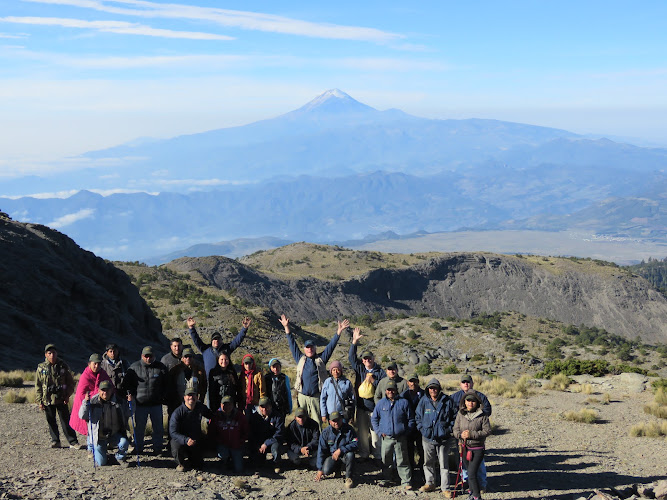
Cofre de Perote National Park
About Cofre de Perote National Park
Description
Let’s get real: if you love mountains, forests that smell of pine needles, cold breeze biting at your nose while the sun’s out, and a healthy sense of adventure, you’ll want to scribble Cofre de Perote National Park onto your bucket list. This is one of Mexico’s high-altitude gems, a vast swath of protected wilderness that feels wild, raw, and strikingly beautiful – not polished or manufactured for mass tourism. It’s all rugged trails, dramatic volcanic cliffs, and single-file pathways through endless greenery that’ll make you forget your phone probably doesn’t have service up there. And if you’re like me, that’s a major plus.
Cofre de Perote is technically a dormant volcano (well, “Cofre” means “chest” because the summit looks like—you guessed it—a giant stone chest plunked down by nature herself). The park protects over 11,500 hectares of pine-oak forest, highland scrub, and rare alpine grasslands. Basically, it’s a nature-lover’s playground, whether you’re a hiker, a bird-watcher, a geology geek, or just someone who appreciates a good, tree-lined escape.
On my first trek there (I went woefully underprepared with a wonky old backpack but loads of enthusiasm), the altitude hit me fast, but the stunning vistas and chilly wind kept me energized. Families, solo travelers, even a few dog-walkers passed me on the trails, offering great stories and trail snacks. There’s a hard-to-define feeling of quiet camaraderie among people you meet up on the slopes—everyone’s here for the same reason: to breathe in something a little purer, and maybe test their limits.
Key Features
- Striking Summit: The park’s crown jewel is Pico de Perote, soaring up to 4,282 meters. Epic 360-degree views on a clear day, if you make the climb (and trust me, it is worth burning your legs for).
- Hiking Galore: Miles of scenic trails snake through pine forests and rocky outcrops. Some are rambly and mellow—great if you’re bringing younger kids or want to take things easy; others are pure leg-burners, best for experienced hikers.
- Biodiversity Hotspot: Keep your eyes peeled for rare birds, pine martens, and, if you’re lucky, glimpses of white-tailed deer. A botanist or birdwatcher could get happily lost out here.
- Tranquility: It’s not overrun with tourist buses. Mornings can feel downright meditative, with swirling fog and just you (and probably a squirrel or two) for company.
- Eco-Conscious Rules: The park is strict about low-impact tourism. You’re expected to pack out your trash, stick to marked trails, and leave the 4x4s at home. Honestly, I love that about Cofre de Perote—it keeps the wilderness wild.
- Family & Pet Friendly: Dogs (on leash) are welcome, and plenty of trails are manageable for kids. Some short hikes even have picnic spots for mid-adventure snacks.
- Climate Contrast: Depending on altitude, you’ll encounter both temperate and alpine weather. It might be all T-shirt weather at the base and jacket-shivering cold up at the top. Layer up!
If you’ve ever felt a bit lost in the shuffle at a big-name park or got annoyed by the drone of tour buses, you’ll be thankful for Cofre’s unpretentious embrace. It’s extraordinary in its own quietly dignified way.
Best Time to Visit
Okay, so here’s the deal: the park is technically open year-round, but the climate can flip-flop on you faster than a two-faced coin. I’d say aim for late October through early April for the clearest skies and the least mud on the trails. Autumn brings amber and gold to the trees—absolutely photogenic if that’s your thing—while winter mornings can deliver fairy-tale frost on the shrubs (and sometimes a dusting of snow higher up, which is a rare treat for this part of Mexico).
Avoid summer if you hate hiking in a rain poncho or contending with slippery trails. July and August are usually the wettest months, which means everything turns lush and green but the fog can spoil those mountaintop selfies. Spring can be windy but stunningly clear; whenever I’ve gone in March, I always bring a windbreaker and, more importantly, a sense of humor for the unpredictable weather swings.
How to Get There
You don’t need a Ph.D. in logistics, but a bit of planning helps. If you’re driving, buckle up: the road winds and heaves, with switchbacks that’ll remind you why you kept your car’s brakes in tip-top shape. The main routes are paved (more or less), but the last few kilometers up to the park entrance are gravelly and sometimes pockmarked—watch your tires.
If public transport is your style, you can catch a bus from major nearby cities—the closest biggie is Xalapa, about 60 kilometers away. From Perote town, there are taxis and colectivos (shared minivans) that’ll run you up toward the park. I did one trip entirely on public transit—a test of patience, sure, but also totally doable.
Final stretch up to the higher trailheads might require a short hike or catching a local ride, depending on the weather. Parking is available but don’t expect a massive asphalt lot; the park keeps things beautifully unspoiled and humble.
Tips for Visiting
- Pack Smart: This is high-altitude trekking territory. Layers are your friend. Bring more water than you think you need, and don’t forget a hat and some serious sunscreen—a sunburn up here sneaks up quickly.
- Keep It Clean: Seriously, you’ll want to say thank you to everyone who follows the “carry in, carry out” rule. The park stays gorgeous because people respect it—be one of the good ones.
- Leave the Wheels: No off-road vehicles allowed (big applause for that). All the best sights are reached on foot anyway, so lace up your hiking boots and leave your four-wheelers at home.
- Watch for Altitude Sickness: Don’t be a hero—acclimate slowly, take breaks, and keep a snack handy. First time I made the summit? My head was spinning but all I could think was: worth it.
- Bring the Kids—and the Dog: Families love it here, and dogs are welcome as long as they’re leashed. There’s a certain satisfaction to sharing the adventure with your favorite four-legger (though be mindful of wildlife and always clean up after your pet).
- Photo Ops: Mornings are gorgeous—fog catching the sunlight, the trees wearing dew like jewelry. Bring your camera or phone, but also know when to put it away and just breathe it all in.
- Wildlife Etiquette: Spotting a rare bird or a wary deer isn’t uncommon. Keep respectful distance—no chasing, no feeding, no shouting (or, you know, yodeling… save that for home).
- Navigation: Cell service is spotty, which I actually find refreshing. Download offline maps or grab a basic trail map from the entrance.
- Support Local: Grab snacks or a meal in the town of Perote. Local food is hearty, the coffee’s strong, and it’s a great way to round out your wild adventure. Once I tried the gorditas there, and now I measure all other gorditas against that memory—perfection.
- Plan for the Unexpected: Weather shifts, trails might close, or you’ll get sidetracked by a view you can’t resist. Build in extra time—trust me, you’ll want it.
In all honesty, Cofre de Perote National Park isn’t trying to be flashy or trendy. Instead, it delivers something much rarer: a genuine wilderness experience just a few hours’ trek from bustling city life. You’ll leave dusty, wind-chapped, maybe a little tired, but—mark my words—you’ll feel lighter. There’s something about those huge open spaces and ancient stone vistas that sticks with you, long after you shake out your hiking boots back at home.
Key Features
- Key Features
- Best Time to Visit
- How to Get There
- Tips for Visiting
More Details
Updated July 1, 2025
Table of Contents
Description
Let’s get real: if you love mountains, forests that smell of pine needles, cold breeze biting at your nose while the sun’s out, and a healthy sense of adventure, you’ll want to scribble Cofre de Perote National Park onto your bucket list. This is one of Mexico’s high-altitude gems, a vast swath of protected wilderness that feels wild, raw, and strikingly beautiful – not polished or manufactured for mass tourism. It’s all rugged trails, dramatic volcanic cliffs, and single-file pathways through endless greenery that’ll make you forget your phone probably doesn’t have service up there. And if you’re like me, that’s a major plus.
Cofre de Perote is technically a dormant volcano (well, “Cofre” means “chest” because the summit looks like—you guessed it—a giant stone chest plunked down by nature herself). The park protects over 11,500 hectares of pine-oak forest, highland scrub, and rare alpine grasslands. Basically, it’s a nature-lover’s playground, whether you’re a hiker, a bird-watcher, a geology geek, or just someone who appreciates a good, tree-lined escape.
On my first trek there (I went woefully underprepared with a wonky old backpack but loads of enthusiasm), the altitude hit me fast, but the stunning vistas and chilly wind kept me energized. Families, solo travelers, even a few dog-walkers passed me on the trails, offering great stories and trail snacks. There’s a hard-to-define feeling of quiet camaraderie among people you meet up on the slopes—everyone’s here for the same reason: to breathe in something a little purer, and maybe test their limits.
Key Features
- Striking Summit: The park’s crown jewel is Pico de Perote, soaring up to 4,282 meters. Epic 360-degree views on a clear day, if you make the climb (and trust me, it is worth burning your legs for).
- Hiking Galore: Miles of scenic trails snake through pine forests and rocky outcrops. Some are rambly and mellow—great if you’re bringing younger kids or want to take things easy; others are pure leg-burners, best for experienced hikers.
- Biodiversity Hotspot: Keep your eyes peeled for rare birds, pine martens, and, if you’re lucky, glimpses of white-tailed deer. A botanist or birdwatcher could get happily lost out here.
- Tranquility: It’s not overrun with tourist buses. Mornings can feel downright meditative, with swirling fog and just you (and probably a squirrel or two) for company.
- Eco-Conscious Rules: The park is strict about low-impact tourism. You’re expected to pack out your trash, stick to marked trails, and leave the 4x4s at home. Honestly, I love that about Cofre de Perote—it keeps the wilderness wild.
- Family & Pet Friendly: Dogs (on leash) are welcome, and plenty of trails are manageable for kids. Some short hikes even have picnic spots for mid-adventure snacks.
- Climate Contrast: Depending on altitude, you’ll encounter both temperate and alpine weather. It might be all T-shirt weather at the base and jacket-shivering cold up at the top. Layer up!
If you’ve ever felt a bit lost in the shuffle at a big-name park or got annoyed by the drone of tour buses, you’ll be thankful for Cofre’s unpretentious embrace. It’s extraordinary in its own quietly dignified way.
Best Time to Visit
Okay, so here’s the deal: the park is technically open year-round, but the climate can flip-flop on you faster than a two-faced coin. I’d say aim for late October through early April for the clearest skies and the least mud on the trails. Autumn brings amber and gold to the trees—absolutely photogenic if that’s your thing—while winter mornings can deliver fairy-tale frost on the shrubs (and sometimes a dusting of snow higher up, which is a rare treat for this part of Mexico).
Avoid summer if you hate hiking in a rain poncho or contending with slippery trails. July and August are usually the wettest months, which means everything turns lush and green but the fog can spoil those mountaintop selfies. Spring can be windy but stunningly clear; whenever I’ve gone in March, I always bring a windbreaker and, more importantly, a sense of humor for the unpredictable weather swings.
How to Get There
You don’t need a Ph.D. in logistics, but a bit of planning helps. If you’re driving, buckle up: the road winds and heaves, with switchbacks that’ll remind you why you kept your car’s brakes in tip-top shape. The main routes are paved (more or less), but the last few kilometers up to the park entrance are gravelly and sometimes pockmarked—watch your tires.
If public transport is your style, you can catch a bus from major nearby cities—the closest biggie is Xalapa, about 60 kilometers away. From Perote town, there are taxis and colectivos (shared minivans) that’ll run you up toward the park. I did one trip entirely on public transit—a test of patience, sure, but also totally doable.
Final stretch up to the higher trailheads might require a short hike or catching a local ride, depending on the weather. Parking is available but don’t expect a massive asphalt lot; the park keeps things beautifully unspoiled and humble.
Tips for Visiting
- Pack Smart: This is high-altitude trekking territory. Layers are your friend. Bring more water than you think you need, and don’t forget a hat and some serious sunscreen—a sunburn up here sneaks up quickly.
- Keep It Clean: Seriously, you’ll want to say thank you to everyone who follows the “carry in, carry out” rule. The park stays gorgeous because people respect it—be one of the good ones.
- Leave the Wheels: No off-road vehicles allowed (big applause for that). All the best sights are reached on foot anyway, so lace up your hiking boots and leave your four-wheelers at home.
- Watch for Altitude Sickness: Don’t be a hero—acclimate slowly, take breaks, and keep a snack handy. First time I made the summit? My head was spinning but all I could think was: worth it.
- Bring the Kids—and the Dog: Families love it here, and dogs are welcome as long as they’re leashed. There’s a certain satisfaction to sharing the adventure with your favorite four-legger (though be mindful of wildlife and always clean up after your pet).
- Photo Ops: Mornings are gorgeous—fog catching the sunlight, the trees wearing dew like jewelry. Bring your camera or phone, but also know when to put it away and just breathe it all in.
- Wildlife Etiquette: Spotting a rare bird or a wary deer isn’t uncommon. Keep respectful distance—no chasing, no feeding, no shouting (or, you know, yodeling… save that for home).
- Navigation: Cell service is spotty, which I actually find refreshing. Download offline maps or grab a basic trail map from the entrance.
- Support Local: Grab snacks or a meal in the town of Perote. Local food is hearty, the coffee’s strong, and it’s a great way to round out your wild adventure. Once I tried the gorditas there, and now I measure all other gorditas against that memory—perfection.
- Plan for the Unexpected: Weather shifts, trails might close, or you’ll get sidetracked by a view you can’t resist. Build in extra time—trust me, you’ll want it.
In all honesty, Cofre de Perote National Park isn’t trying to be flashy or trendy. Instead, it delivers something much rarer: a genuine wilderness experience just a few hours’ trek from bustling city life. You’ll leave dusty, wind-chapped, maybe a little tired, but—mark my words—you’ll feel lighter. There’s something about those huge open spaces and ancient stone vistas that sticks with you, long after you shake out your hiking boots back at home.
Key Highlights
- Key Features
- Best Time to Visit
- How to Get There
- Tips for Visiting
Location
Places to Stay Near Cofre de Perote National Park
Find and Book a Tour
Explore More Travel Guides
No reviews found! Be the first to review!
Traveler Reviews for Cofre de Perote National Park
There are no reviews yet. Be the first one to write one.
Have you visited Cofre de Perote National Park? Help other travelers by sharing your review.
You Might Also Like

Feria Perote
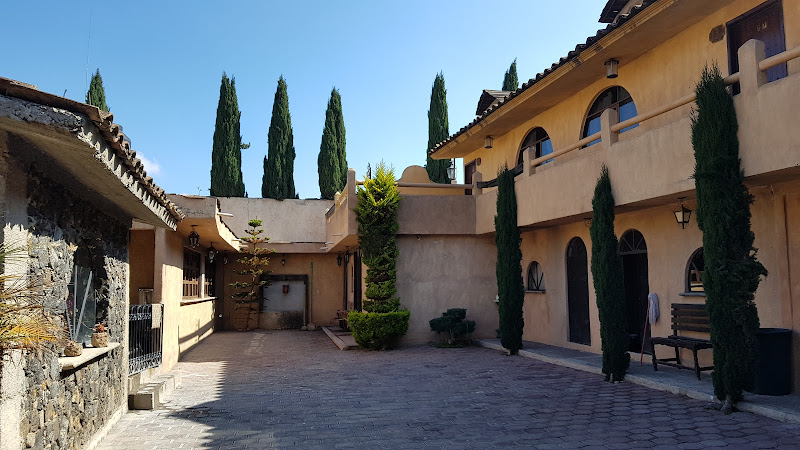
Restaurante y Hotel. Hosteria Covadonga
Pinahuizapan
Find Accommodations Nearby
Recommended Tours & Activities
Visitor Reviews
There are no reviews yet. Be the first one to write one.
Share Your Experience
Have you visited Cofre de Perote National Park? Help other travelers by leaving a review.