
Coatepeque
About Coatepeque
Description
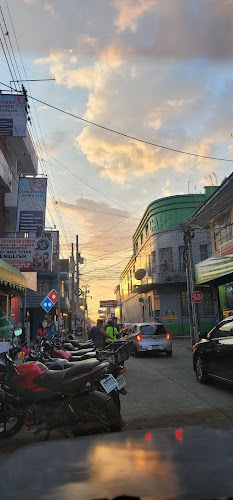
Coatepeque, often affectionately called the “Village of Gardenias,” is a charming town tucked in the Quetzaltenango department of Guatemala. It’s not the kind of place that screams for attention, but the kind that quietly wins you over. The town, home to around 37,000 people, has that small-town rhythm where life moves at a comfortable pace. It’s the kind of destination where you can actually hear yourself think, yet still feel the heartbeat of Guatemala’s Pacific region pulsing all around you.
What makes Coatepeque stand out isn’t just its location near the Suchiate River or its role as a key transportation hub along the Pacific Coast Highway. It’s the way the town balances the hum of commerce with the warmth of community. Walk through its streets and you’ll catch the scent of freshly baked pan dulce drifting from local bakeries. The sound of marimbas might echo faintly from a plaza corner, and it’s not unusual to see children playing football barefoot while their parents chat nearby. There’s something deeply grounding about it all.
I remember my first visit to Coatepeque—it wasn’t planned. I had been traveling from Quetzaltenango to the coast, and the bus stopped here for a break. I wandered off, curious, and ended up staying two days longer than I meant to. There was this feeling of being both far from everything and right at the center of something real. The locals were friendly, curious, and proud of their town. One old man told me, “Coatepeque isn’t fancy, but it’s honest.” I couldn’t agree more.
The town’s nickname, “Village of Gardenias,” isn’t just poetic fluff. You’ll actually find gardenias blooming in courtyards and along fences, their fragrance mingling with the humid air. And while Coatepeque isn’t a major tourist hotspot like Antigua or Lake Atitlán, that’s part of its charm. It’s authentic Guatemala—earthy, welcoming, and full of quiet beauty.
Key Features
- Strategic Location: Positioned near the Suchiate River and along the Pacific Coast Highway, Coatepeque serves as a vital connection between Guatemala’s highlands and coastal regions.
- Local Markets: The town’s markets are lively and full of color, offering everything from tropical fruits and handmade textiles to street food that’ll make you rethink what you know about Guatemalan cuisine.
- Warm Community: Coatepeque’s residents are known for their friendliness and hospitality. Travelers often find themselves invited to share a meal or a laugh within minutes of arriving.
- Natural Surroundings: The nearby countryside features rolling farmland, lush vegetation, and views that stretch toward the volcanic ridges of western Guatemala.
- Cultural Simplicity: There’s a refreshing lack of pretension here. Life revolves around family, food, and community—values that shape every corner of the town.
- Accessibility: Thanks to its location on a major highway, Coatepeque is easy to reach, making it a great stopover for travelers exploring southern Guatemala or heading toward El Salvador.
And here’s something worth noting—Coatepeque isn’t just a pass-through town. It’s a place that rewards curiosity. Those who take the time to explore beyond the main road often stumble upon hidden gems: small cafés serving local coffee, murals painted by local artists, and quiet paths leading to viewpoints over the surrounding landscape. It’s one of those towns that reveals itself slowly, layer by layer.
Best Time to Visit
Coatepeque enjoys a warm, tropical climate year-round, but the best time to visit is during the dry season, roughly from November to April. The weather during these months is pleasantly warm with less humidity, making it ideal for walking around town or exploring nearby areas. If you’re planning to photograph the landscapes or enjoy outdoor activities, mornings are particularly beautiful—soft light, cool air, and the faint smell of wet earth from the night’s dew.
That said, visiting during the rainy season (May to October) has its perks too. The countryside turns lush and green, and the air feels cleaner. Sure, you might get caught in an afternoon downpour, but honestly, there’s something magical about watching the rain fall over the rooftops while sipping a hot cup of Guatemalan coffee. And because the town isn’t swarmed by tourists, you’ll find accommodations and local eateries even more welcoming during this time.
How to Get There
Getting to Coatepeque is fairly straightforward. The town sits along the Pacific Coast Highway (CA-2), one of Guatemala’s main transportation routes. Most visitors arrive by bus or car from Quetzaltenango, which is about 120 kilometers away, or from the coastal city of Retalhuleu. The road is well-maintained, and the drive offers a glimpse of rural life—fields of sugarcane, roadside fruit stands, and the occasional herd of cattle crossing the road.
If you’re coming from Guatemala City, expect a journey of around five to six hours by road. Buses run regularly, and while they’re not luxurious, they’re reliable and inexpensive. For those who prefer a bit more comfort, private shuttles can be arranged through travel agencies in Quetzaltenango or Antigua. And if you’re crossing over from El Salvador, Coatepeque makes a convenient first stop once you’re back on Guatemalan soil.
One tip from experience: if you’re driving yourself, keep an eye out for local signage. GPS can sometimes be unreliable in rural Guatemala, and asking a local for directions is often faster—and more fun. People here are used to travelers passing through, and they’ll usually go out of their way to help you find your way.
Tips for Visiting
Visiting Coatepeque isn’t about ticking off a list of attractions; it’s about slowing down and soaking in the atmosphere. Still, a few practical tips can make your trip smoother and more rewarding.
- Bring Cash: While some larger establishments accept cards, most local shops and eateries deal in cash. ATMs are available, but it’s best to carry enough quetzales for your daily expenses.
- Try the Local Food: Don’t miss out on pupusas, tamales, and atol de elote from street vendors. The flavors are rich, homemade, and unforgettable.
- Stay Hydrated: The weather can get hot, especially around midday. Carry a refillable water bottle and take breaks in shaded spots.
- Learn a Few Spanish Phrases: English isn’t widely spoken here, but even a few words in Spanish go a long way in connecting with locals.
- Respect Local Customs: Coatepeque is a traditional town. Dress modestly, greet people politely, and always ask before taking photos of individuals or homes.
- Explore Beyond Town: If you have time, venture out to nearby natural attractions and smaller villages. The rural scenery around Coatepeque is stunning and largely untouched by mass tourism.
And here’s a personal bit of advice: don’t rush. Let the town unfold at its own pace. Sit in the plaza for a while, chat with a vendor, or watch the sunset paint the sky in shades of orange and pink. Those are the moments that’ll stay with you long after you’ve left. Coatepeque may not be the flashiest destination in Guatemala, but it has a quiet magic that lingers. It’s the kind of place that reminds you why you travel in the first place—to feel connected, to slow down, and to find beauty in simplicity.
In the end, Coatepeque is more than just a stop on the map. It’s a living, breathing community with stories to tell and smiles to share. Whether you’re passing through or staying a while, you’ll find that its gardenias aren’t the only things that leave a lasting impression.
Key Features
- Key Features
- Best Time to Visit
- How to Get There
- Tips for Visiting
More Details
Updated November 9, 2025
Table of Contents
Description
Coatepeque, often affectionately called the “Village of Gardenias,” is a charming town tucked in the Quetzaltenango department of Guatemala. It’s not the kind of place that screams for attention, but the kind that quietly wins you over. The town, home to around 37,000 people, has that small-town rhythm where life moves at a comfortable pace. It’s the kind of destination where you can actually hear yourself think, yet still feel the heartbeat of Guatemala’s Pacific region pulsing all around you.
What makes Coatepeque stand out isn’t just its location near the Suchiate River or its role as a key transportation hub along the Pacific Coast Highway. It’s the way the town balances the hum of commerce with the warmth of community. Walk through its streets and you’ll catch the scent of freshly baked pan dulce drifting from local bakeries. The sound of marimbas might echo faintly from a plaza corner, and it’s not unusual to see children playing football barefoot while their parents chat nearby. There’s something deeply grounding about it all.
I remember my first visit to Coatepeque—it wasn’t planned. I had been traveling from Quetzaltenango to the coast, and the bus stopped here for a break. I wandered off, curious, and ended up staying two days longer than I meant to. There was this feeling of being both far from everything and right at the center of something real. The locals were friendly, curious, and proud of their town. One old man told me, “Coatepeque isn’t fancy, but it’s honest.” I couldn’t agree more.
The town’s nickname, “Village of Gardenias,” isn’t just poetic fluff. You’ll actually find gardenias blooming in courtyards and along fences, their fragrance mingling with the humid air. And while Coatepeque isn’t a major tourist hotspot like Antigua or Lake Atitlán, that’s part of its charm. It’s authentic Guatemala—earthy, welcoming, and full of quiet beauty.
Key Features
- Strategic Location: Positioned near the Suchiate River and along the Pacific Coast Highway, Coatepeque serves as a vital connection between Guatemala’s highlands and coastal regions.
- Local Markets: The town’s markets are lively and full of color, offering everything from tropical fruits and handmade textiles to street food that’ll make you rethink what you know about Guatemalan cuisine.
- Warm Community: Coatepeque’s residents are known for their friendliness and hospitality. Travelers often find themselves invited to share a meal or a laugh within minutes of arriving.
- Natural Surroundings: The nearby countryside features rolling farmland, lush vegetation, and views that stretch toward the volcanic ridges of western Guatemala.
- Cultural Simplicity: There’s a refreshing lack of pretension here. Life revolves around family, food, and community—values that shape every corner of the town.
- Accessibility: Thanks to its location on a major highway, Coatepeque is easy to reach, making it a great stopover for travelers exploring southern Guatemala or heading toward El Salvador.
And here’s something worth noting—Coatepeque isn’t just a pass-through town. It’s a place that rewards curiosity. Those who take the time to explore beyond the main road often stumble upon hidden gems: small cafés serving local coffee, murals painted by local artists, and quiet paths leading to viewpoints over the surrounding landscape. It’s one of those towns that reveals itself slowly, layer by layer.
Best Time to Visit
Coatepeque enjoys a warm, tropical climate year-round, but the best time to visit is during the dry season, roughly from November to April. The weather during these months is pleasantly warm with less humidity, making it ideal for walking around town or exploring nearby areas. If you’re planning to photograph the landscapes or enjoy outdoor activities, mornings are particularly beautiful—soft light, cool air, and the faint smell of wet earth from the night’s dew.
That said, visiting during the rainy season (May to October) has its perks too. The countryside turns lush and green, and the air feels cleaner. Sure, you might get caught in an afternoon downpour, but honestly, there’s something magical about watching the rain fall over the rooftops while sipping a hot cup of Guatemalan coffee. And because the town isn’t swarmed by tourists, you’ll find accommodations and local eateries even more welcoming during this time.
How to Get There
Getting to Coatepeque is fairly straightforward. The town sits along the Pacific Coast Highway (CA-2), one of Guatemala’s main transportation routes. Most visitors arrive by bus or car from Quetzaltenango, which is about 120 kilometers away, or from the coastal city of Retalhuleu. The road is well-maintained, and the drive offers a glimpse of rural life—fields of sugarcane, roadside fruit stands, and the occasional herd of cattle crossing the road.
If you’re coming from Guatemala City, expect a journey of around five to six hours by road. Buses run regularly, and while they’re not luxurious, they’re reliable and inexpensive. For those who prefer a bit more comfort, private shuttles can be arranged through travel agencies in Quetzaltenango or Antigua. And if you’re crossing over from El Salvador, Coatepeque makes a convenient first stop once you’re back on Guatemalan soil.
One tip from experience: if you’re driving yourself, keep an eye out for local signage. GPS can sometimes be unreliable in rural Guatemala, and asking a local for directions is often faster—and more fun. People here are used to travelers passing through, and they’ll usually go out of their way to help you find your way.
Tips for Visiting
Visiting Coatepeque isn’t about ticking off a list of attractions; it’s about slowing down and soaking in the atmosphere. Still, a few practical tips can make your trip smoother and more rewarding.
- Bring Cash: While some larger establishments accept cards, most local shops and eateries deal in cash. ATMs are available, but it’s best to carry enough quetzales for your daily expenses.
- Try the Local Food: Don’t miss out on pupusas, tamales, and atol de elote from street vendors. The flavors are rich, homemade, and unforgettable.
- Stay Hydrated: The weather can get hot, especially around midday. Carry a refillable water bottle and take breaks in shaded spots.
- Learn a Few Spanish Phrases: English isn’t widely spoken here, but even a few words in Spanish go a long way in connecting with locals.
- Respect Local Customs: Coatepeque is a traditional town. Dress modestly, greet people politely, and always ask before taking photos of individuals or homes.
- Explore Beyond Town: If you have time, venture out to nearby natural attractions and smaller villages. The rural scenery around Coatepeque is stunning and largely untouched by mass tourism.
And here’s a personal bit of advice: don’t rush. Let the town unfold at its own pace. Sit in the plaza for a while, chat with a vendor, or watch the sunset paint the sky in shades of orange and pink. Those are the moments that’ll stay with you long after you’ve left. Coatepeque may not be the flashiest destination in Guatemala, but it has a quiet magic that lingers. It’s the kind of place that reminds you why you travel in the first place—to feel connected, to slow down, and to find beauty in simplicity.
In the end, Coatepeque is more than just a stop on the map. It’s a living, breathing community with stories to tell and smiles to share. Whether you’re passing through or staying a while, you’ll find that its gardenias aren’t the only things that leave a lasting impression.
Key Highlights
- Key Features
- Best Time to Visit
- How to Get There
- Tips for Visiting
Location
Places to Stay Near Coatepeque
Find and Book a Tour
Explore More Travel Guides
No reviews found! Be the first to review!
Traveler Reviews for Coatepeque
There are no reviews yet. Be the first one to write one.
Have you visited Coatepeque? Help other travelers by sharing your review.
You Might Also Like
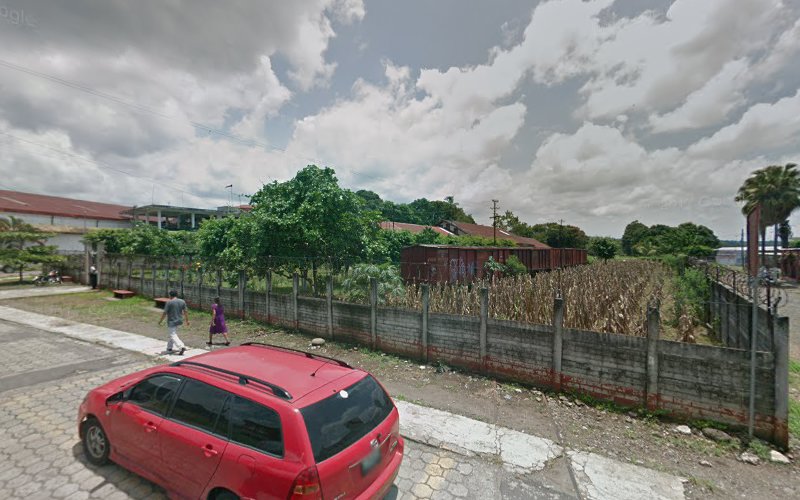
Museo Del Ferrocarril De Coatepeque
Centro recreativo coatepeque
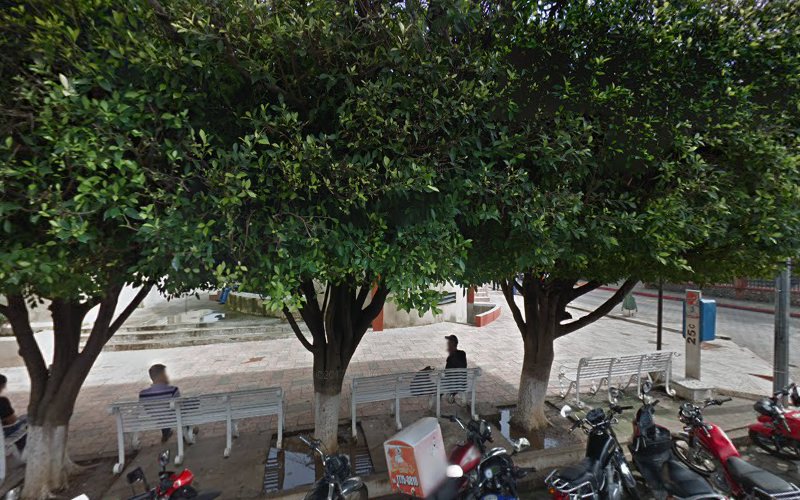
Concha Acustica De Coatepeque
Find Accommodations Nearby
Recommended Tours & Activities
Visitor Reviews
There are no reviews yet. Be the first one to write one.
Share Your Experience
Have you visited Coatepeque? Help other travelers by leaving a review.