

Coatepec
About Coatepec
Description
Coatepec stands as one of Mexico's most enchanting coffee destinations, though honestly, most travelers haven't even heard of this gem tucked away in Veracruz's mountainous heart. And that's exactly what makes it so special. This isn't your typical tourist trap - it's a working coffee town where the aroma of freshly roasted beans drifts through cobblestone streets and local families have been perfecting their craft for generations.
The town sits at 1,200 meters above sea level, creating that perfect microclimate that coffee plants absolutely love. You'll notice the difference in the air immediately - it's cooler, crisper, and carries hints of the surrounding coffee plantations that stretch across the rolling hills. The geography here is something else entirely, with the municipality covering just over 200 square kilometers of some of the most fertile coffee-growing land in all of Mexico.
What strikes visitors first isn't just the coffee culture, but how authentically Mexican everything feels. There's no pretense here, no manufactured charm for tourists. The locals go about their daily lives with a warmth that's genuine, probably because they're not overwhelmed by crowds of visitors yet. I've found that places like this - where tourism exists but doesn't dominate - often provide the most memorable travel experiences.
The architecture tells its own story, with colonial influences mixing seamlessly with practical mountain town sensibilities. Buildings are constructed to handle the elevation and occasional mountain weather, creating a unique aesthetic that photographers find irresistible. But beyond the visual appeal, there's an energy here that coffee enthusiasts describe as almost spiritual - the connection between land, plant, and people creating something magical in your cup.
Key Features
Coatepec offers travelers a distinctive blend of agricultural tourism and authentic Mexican culture that you simply won't find in more commercialized destinations:
- World-class coffee plantation tours - These aren't just quick walks through fields. You'll participate in harvesting, processing, and roasting alongside families who've been doing this for decades. The hands-on experience gives you a real appreciation for what goes into that morning cup.
- Museo del Café - This coffee museum goes deeper than you'd expect, tracing the beverage's journey from Africa to the Americas and specifically to this region. The interactive exhibits actually make the history engaging rather than dry.
- Traditional hacienda stays - Several working coffee haciendas offer overnight accommodations where you wake up surrounded by coffee plants and can participate in the daily operations if you're interested.
- Artisanal coffee shops and roasteries - Each has its own personality and roasting philosophy. You'll taste differences in beans grown just kilometers apart, which is fascinating for anyone interested in terroir.
- Mountain hiking trails - The elevation and terrain create excellent hiking opportunities with views that extend across the coffee-growing region and toward the Gulf of Mexico on clear days.
- Local food scene - The cuisine here incorporates coffee in unexpected ways, from mole preparations to unique desserts. Plus, the traditional Veracruz dishes benefit from incredibly fresh mountain ingredients.
- Weekend markets - Local farmers bring their produce, crafts, and of course, coffee to weekly markets that feel completely authentic rather than tourist-oriented.
- Colonial architecture walking tours - The town center showcases beautiful examples of Mexican colonial design adapted for mountain living.
Best Time to Visit
Timing your visit to Coatepec can make or break your experience, and it really depends on what you're hoping to get out of the trip. The coffee harvest season runs from December through March, and this is when the town comes alive with activity. You'll see families working the plantations, processing facilities running at full capacity, and the freshest coffee you've ever tasted.
But here's the thing - harvest season also means higher prices and more crowded accommodations. If you don't mind that trade-off for the authentic harvest experience, then January and February are your sweet spots. The weather during these months is absolutely perfect too - cool mornings that warm up nicely by afternoon, with minimal rainfall.
April through June offers what I consider the best overall experience for most travelers. The weather remains pleasant, the crowds thin out considerably, and you can still tour the facilities and taste excellent coffee even though harvest is over. The countryside stays green and beautiful, and accommodation prices drop back to normal levels.
July through September brings the rainy season, which isn't necessarily bad if you don't mind afternoon showers. The landscape becomes incredibly lush during this period, and photographers love the dramatic cloud formations over the mountains. Just pack a good rain jacket and flexible itinerary.
October and November represent the shoulder season - decent weather, moderate prices, and the anticipation building toward the upcoming harvest. Some plantations offer pre-harvest tours during this time, showing you the coffee cherries as they ripen.
Avoid major Mexican holidays unless you've booked well in advance, as domestic tourism spikes during these periods and the small town can feel overwhelmed.
How to Get There
Getting to Coatepec requires a bit of planning, but the journey is part of the experience. Most international travelers fly into Mexico City and then have several options for reaching this mountain town.
The most straightforward approach involves flying into Veracruz's General Heriberto Jara International Airport, then driving or taking ground transportation for about 45 minutes to Coatepec. Several car rental agencies operate at the airport, and having your own vehicle gives you the flexibility to explore the surrounding coffee region at your own pace.
From Mexico City, you can drive the approximately 4.5-hour route through some spectacular mountain scenery. The highway is well-maintained, though it does climb significantly as you approach the coffee region. Many travelers prefer this option because you can stop at other interesting towns along the way.
Bus service from major Mexican cities is reliable and comfortable. ADO, Mexico's premier bus line, runs regular service to Xalapa (the state capital), from where you can catch local transportation to Coatepec. The buses are modern, air-conditioned, and much more comfortable than you might expect if you haven't traveled by bus in Mexico before.
Once you're in Coatepec, the town is very walkable, though you'll want transportation to visit the various coffee plantations scattered around the municipality. Many hotels can arrange tours that include transportation, or you can rent a car locally.
Some visitors combine their trip with stops in other Veracruz destinations like the port city of Veracruz itself, or the archaeological sites at El Tajín. The state has excellent infrastructure connecting these various attractions.
Tips for Visiting
Pack layers - the elevation means mornings and evenings can be surprisingly cool even when afternoons are warm. I learned this the hard way during my first visit when I packed only for warm weather and found myself shivering during an early morning plantation tour.
Learn some basic Spanish coffee terminology before you go. Words like "tostado" (roasted), "molido" (ground), and "grano" (bean) will enhance your interactions with local coffee producers. They appreciate the effort, and you'll get much more out of conversations about their craft.
Book plantation tours in advance, especially during harvest season. The best family-run operations have limited capacity and fill up quickly. Many don't even advertise online - your hotel can usually make arrangements.
Bring cash - while larger establishments accept cards, many of the most authentic experiences happen at small family operations that are cash-only. ATMs are available in town, but having pesos before you arrive makes everything smoother.
Consider staying at a coffee hacienda rather than in town if you really want to immerse yourself in the culture. Waking up surrounded by coffee plants and participating in daily operations provides insights that day tours simply can't match.
Try the local variations on traditional Mexican dishes. The mountain cuisine here has its own character, and many restaurants incorporate coffee into savory dishes in ways that might surprise you.
Don't rush through your coffee tastings - this isn't Starbucks. Take time to appreciate the subtle differences between beans grown on different parts of the same mountain. The locals can teach you tasting techniques that will change how you experience coffee forever.
Photography enthusiasts should bring equipment suitable for low-light conditions. The plantation tours often start early when the light is beautiful but dim, and the processing facilities can be quite dark.
Respect the working nature of the plantations. These aren't theme parks - they're people's livelihoods. Follow your guide's instructions and be mindful that you're observing real work being done by real people.
Key Features
- Historic cobblestone centro and main plaza
- High‑quality, estate-grown coffee and museum (Museo del Café)
- Nearby coffee fincas offering tours and tastings
- Orchid and cloud-forest flora in surrounding hills
- Close proximity to Xalapa and Veracruz cuisine
More Details
Updated September 19, 2025
Table of Contents
Description
Coatepec stands as one of Mexico’s most enchanting coffee destinations, though honestly, most travelers haven’t even heard of this gem tucked away in Veracruz’s mountainous heart. And that’s exactly what makes it so special. This isn’t your typical tourist trap – it’s a working coffee town where the aroma of freshly roasted beans drifts through cobblestone streets and local families have been perfecting their craft for generations.
The town sits at 1,200 meters above sea level, creating that perfect microclimate that coffee plants absolutely love. You’ll notice the difference in the air immediately – it’s cooler, crisper, and carries hints of the surrounding coffee plantations that stretch across the rolling hills. The geography here is something else entirely, with the municipality covering just over 200 square kilometers of some of the most fertile coffee-growing land in all of Mexico.
What strikes visitors first isn’t just the coffee culture, but how authentically Mexican everything feels. There’s no pretense here, no manufactured charm for tourists. The locals go about their daily lives with a warmth that’s genuine, probably because they’re not overwhelmed by crowds of visitors yet. I’ve found that places like this – where tourism exists but doesn’t dominate – often provide the most memorable travel experiences.
The architecture tells its own story, with colonial influences mixing seamlessly with practical mountain town sensibilities. Buildings are constructed to handle the elevation and occasional mountain weather, creating a unique aesthetic that photographers find irresistible. But beyond the visual appeal, there’s an energy here that coffee enthusiasts describe as almost spiritual – the connection between land, plant, and people creating something magical in your cup.
Key Features
Coatepec offers travelers a distinctive blend of agricultural tourism and authentic Mexican culture that you simply won’t find in more commercialized destinations:
- World-class coffee plantation tours – These aren’t just quick walks through fields. You’ll participate in harvesting, processing, and roasting alongside families who’ve been doing this for decades. The hands-on experience gives you a real appreciation for what goes into that morning cup.
- Museo del Café – This coffee museum goes deeper than you’d expect, tracing the beverage’s journey from Africa to the Americas and specifically to this region. The interactive exhibits actually make the history engaging rather than dry.
- Traditional hacienda stays – Several working coffee haciendas offer overnight accommodations where you wake up surrounded by coffee plants and can participate in the daily operations if you’re interested.
- Artisanal coffee shops and roasteries – Each has its own personality and roasting philosophy. You’ll taste differences in beans grown just kilometers apart, which is fascinating for anyone interested in terroir.
- Mountain hiking trails – The elevation and terrain create excellent hiking opportunities with views that extend across the coffee-growing region and toward the Gulf of Mexico on clear days.
- Local food scene – The cuisine here incorporates coffee in unexpected ways, from mole preparations to unique desserts. Plus, the traditional Veracruz dishes benefit from incredibly fresh mountain ingredients.
- Weekend markets – Local farmers bring their produce, crafts, and of course, coffee to weekly markets that feel completely authentic rather than tourist-oriented.
- Colonial architecture walking tours – The town center showcases beautiful examples of Mexican colonial design adapted for mountain living.
Best Time to Visit
Timing your visit to Coatepec can make or break your experience, and it really depends on what you’re hoping to get out of the trip. The coffee harvest season runs from December through March, and this is when the town comes alive with activity. You’ll see families working the plantations, processing facilities running at full capacity, and the freshest coffee you’ve ever tasted.
But here’s the thing – harvest season also means higher prices and more crowded accommodations. If you don’t mind that trade-off for the authentic harvest experience, then January and February are your sweet spots. The weather during these months is absolutely perfect too – cool mornings that warm up nicely by afternoon, with minimal rainfall.
April through June offers what I consider the best overall experience for most travelers. The weather remains pleasant, the crowds thin out considerably, and you can still tour the facilities and taste excellent coffee even though harvest is over. The countryside stays green and beautiful, and accommodation prices drop back to normal levels.
July through September brings the rainy season, which isn’t necessarily bad if you don’t mind afternoon showers. The landscape becomes incredibly lush during this period, and photographers love the dramatic cloud formations over the mountains. Just pack a good rain jacket and flexible itinerary.
October and November represent the shoulder season – decent weather, moderate prices, and the anticipation building toward the upcoming harvest. Some plantations offer pre-harvest tours during this time, showing you the coffee cherries as they ripen.
Avoid major Mexican holidays unless you’ve booked well in advance, as domestic tourism spikes during these periods and the small town can feel overwhelmed.
How to Get There
Getting to Coatepec requires a bit of planning, but the journey is part of the experience. Most international travelers fly into Mexico City and then have several options for reaching this mountain town.
The most straightforward approach involves flying into Veracruz’s General Heriberto Jara International Airport, then driving or taking ground transportation for about 45 minutes to Coatepec. Several car rental agencies operate at the airport, and having your own vehicle gives you the flexibility to explore the surrounding coffee region at your own pace.
From Mexico City, you can drive the approximately 4.5-hour route through some spectacular mountain scenery. The highway is well-maintained, though it does climb significantly as you approach the coffee region. Many travelers prefer this option because you can stop at other interesting towns along the way.
Bus service from major Mexican cities is reliable and comfortable. ADO, Mexico’s premier bus line, runs regular service to Xalapa (the state capital), from where you can catch local transportation to Coatepec. The buses are modern, air-conditioned, and much more comfortable than you might expect if you haven’t traveled by bus in Mexico before.
Once you’re in Coatepec, the town is very walkable, though you’ll want transportation to visit the various coffee plantations scattered around the municipality. Many hotels can arrange tours that include transportation, or you can rent a car locally.
Some visitors combine their trip with stops in other Veracruz destinations like the port city of Veracruz itself, or the archaeological sites at El Tajín. The state has excellent infrastructure connecting these various attractions.
Tips for Visiting
Pack layers – the elevation means mornings and evenings can be surprisingly cool even when afternoons are warm. I learned this the hard way during my first visit when I packed only for warm weather and found myself shivering during an early morning plantation tour.
Learn some basic Spanish coffee terminology before you go. Words like “tostado” (roasted), “molido” (ground), and “grano” (bean) will enhance your interactions with local coffee producers. They appreciate the effort, and you’ll get much more out of conversations about their craft.
Book plantation tours in advance, especially during harvest season. The best family-run operations have limited capacity and fill up quickly. Many don’t even advertise online – your hotel can usually make arrangements.
Bring cash – while larger establishments accept cards, many of the most authentic experiences happen at small family operations that are cash-only. ATMs are available in town, but having pesos before you arrive makes everything smoother.
Consider staying at a coffee hacienda rather than in town if you really want to immerse yourself in the culture. Waking up surrounded by coffee plants and participating in daily operations provides insights that day tours simply can’t match.
Try the local variations on traditional Mexican dishes. The mountain cuisine here has its own character, and many restaurants incorporate coffee into savory dishes in ways that might surprise you.
Don’t rush through your coffee tastings – this isn’t Starbucks. Take time to appreciate the subtle differences between beans grown on different parts of the same mountain. The locals can teach you tasting techniques that will change how you experience coffee forever.
Photography enthusiasts should bring equipment suitable for low-light conditions. The plantation tours often start early when the light is beautiful but dim, and the processing facilities can be quite dark.
Respect the working nature of the plantations. These aren’t theme parks – they’re people’s livelihoods. Follow your guide’s instructions and be mindful that you’re observing real work being done by real people.
Key Highlights
- Historic cobblestone centro and main plaza
- High‑quality, estate-grown coffee and museum (Museo del Café)
- Nearby coffee fincas offering tours and tastings
- Orchid and cloud-forest flora in surrounding hills
- Close proximity to Xalapa and Veracruz cuisine
Location
Places to Stay Near Coatepec
Find and Book a Tour
Explore More Travel Guides
No reviews found! Be the first to review!
Traveler Reviews for Coatepec
There are no reviews yet. Be the first one to write one.
Have you visited Coatepec? Help other travelers by sharing your review.
Nearby Attractions
You Might Also Like
El Cascajal
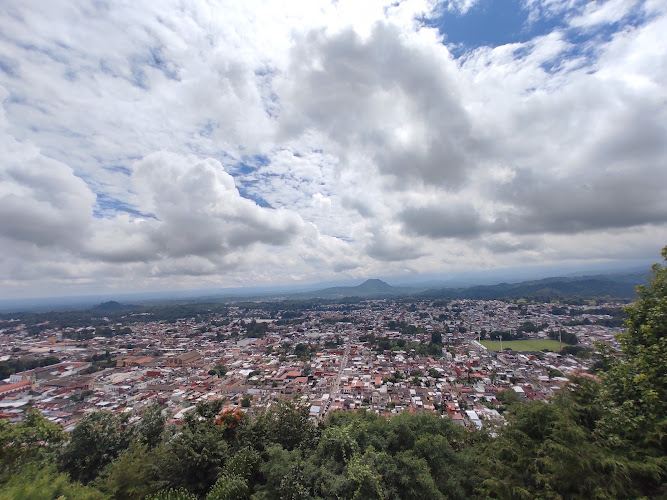
Estatal Cerro de Las Culebras Park

Tranvía El Piojito
Find Accommodations Nearby
Recommended Tours & Activities
Visitor Reviews
There are no reviews yet. Be the first one to write one.
Share Your Experience
Have you visited Coatepec? Help other travelers by leaving a review.