
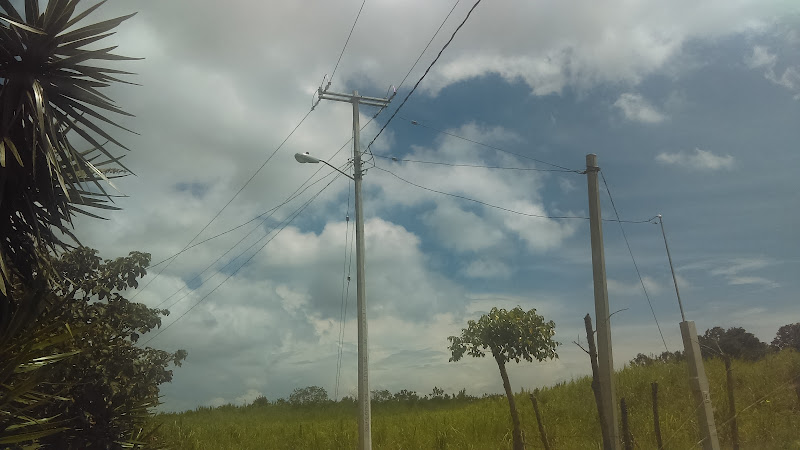
El Cascajal
About El Cascajal
Description
El Cascajal represents far more than just another hiking destination in southeastern Veracruz, Mexico. This remarkable area holds profound archaeological significance as the discovery site of the famous Cascajal Block—arguably the earliest known example of writing in the New World. When you walk these trails, you're literally stepping through history that dates back over 3,000 years to the ancient Olmec civilization. The hiking area encompasses rolling terrain dotted with four ancient mounds that once served as part of a significant Olmec settlement. What makes this place truly extraordinary is how it seamlessly blends outdoor adventure with archaeological wonder. You can actually see the major Olmec center of San Lorenzo from various vantage points along the trails, creating an almost surreal connection between past and present. I've always found it fascinating how some of the world's most important discoveries happen by accident. The Cascajal Block itself was unearthed during routine road construction when workers were quarrying materials from what they thought was just another hill. But that "ordinary" quarry turned out to be sitting on top of one of Mexico's most significant archaeological sites. And honestly, that's part of what makes hiking here so thrilling—you never know what ancient secrets might be hiding beneath your feet. The serpentine landscape offers moderate hiking challenges with well-defined paths that wind through areas where Olmec people once lived, worked, and developed what appears to be the Americas' first writing system. The terrain itself tells a story, with the distinctive geological features that attracted ancient settlers still visible today.Key Features
El Cascajal offers visitors a unique combination of natural beauty and archaeological significance that you simply won't find elsewhere: • Four pre-Columbian mounds that served as the foundation for ancient Olmec structures, providing tangible connections to civilizations that flourished over three millennia ago • Panoramic views of the San Lorenzo Olmec center, allowing hikers to appreciate the broader scope of ancient Mesoamerican settlement patterns across the landscape • Dog-friendly trails that welcome four-legged companions, making it an ideal destination for families who refuse to leave their pets behind during adventures • Moderate hiking difficulty suitable for most fitness levels, with well-maintained paths that don't require specialized equipment or extreme physical conditioning • Geological diversity featuring serpentine rock formations that not only created the famous Cascajal Block but continue to shape the area's distinctive topography • Educational opportunities to learn about Olmec culture and the development of early writing systems in the Americas, essentially turning your hike into an outdoor classroom • Relatively uncrowded trails that offer peaceful exploration without the masses of tourists found at more famous archaeological sites • Photography opportunities that combine natural landscapes with ancient architectural remnants, perfect for travelers seeking unique shots for their collections • Close proximity to other significant Olmec sites, making El Cascajal an excellent base for exploring the region's rich pre-Columbian heritageBest Time to Visit
Timing your visit to El Cascajal requires balancing weather conditions with your personal preferences for crowd levels and hiking comfort. The dry season, running from November through April, typically provides the most pleasant hiking conditions with lower humidity and minimal rainfall that could make trails muddy or slippery. December through February offers the coolest temperatures, which is particularly important since you'll be hiking in a tropical climate where heat and humidity can quickly become overwhelming. I'd personally recommend early morning starts during any season—there's something magical about watching sunrise illuminate ancient mounds while the air still holds that crisp, cool quality that disappears by mid-morning. But here's where it gets interesting: the rainy season from May through October shouldn't be completely dismissed. Yes, you'll encounter more precipitation and higher humidity, but the landscape transforms into a lush, green paradise that probably more closely resembles what the ancient Olmecs would have experienced. Plus, fewer tourists mean you'll have the trails largely to yourself. If you're flexible with timing, consider visiting during the shoulder months of November or April. Weather conditions remain favorable, but you'll avoid both peak dry season crowds and the most intense heat of late spring. The afternoon thunderstorms common in April can actually provide dramatic photographic opportunities if you time things right. Weekend visits tend to attract more local families, which can add a lovely cultural dimension to your experience but might mean busier trails. Weekday hiking offers more solitude for contemplating the area's historical significance without distractions.How to Get There
Reaching El Cascajal requires some planning since it's not exactly on the typical tourist circuit, but that's part of what keeps it special. The site is located in the ejido of Lomas de Tacamichapa in southeastern Veracruz, within sight of the San Lorenzo archaeological zone. Your journey typically begins in the city of Veracruz, which has the region's main airport and transportation hub. From there, you'll need to travel inland toward the town of Texistepec, which serves as the closest significant settlement to the hiking area. This drive takes approximately 2-3 hours depending on road conditions and traffic. Renting a car provides the most flexibility for exploring the region, especially since you'll probably want to visit multiple Olmec sites while you're in the area. The roads are generally passable for standard vehicles, though having higher clearance doesn't hurt during rainy season when some sections can become muddy. Public transportation exists but requires patience and possibly multiple transfers. Buses run regularly between major towns, but you'll likely need to arrange local transportation for the final leg to the actual hiking area. Many visitors find that hiring a local guide not only solves transportation challenges but also enriches the experience with cultural and historical context you might otherwise miss. And let me tell you, having someone who knows the area makes a huge difference. These aren't marked tourist trails with convenient parking lots and visitor centers. You're exploring an active archaeological zone where local knowledge proves invaluable for both navigation and safety. Consider coordinating your visit with other nearby attractions to maximize your travel investment. The region contains several significant Olmec sites within reasonable driving distance, allowing you to create a comprehensive archaeological adventure.Tips for Visiting
Successful exploration of El Cascajal depends on preparation and realistic expectations about what you're getting into. This isn't Disneyland—it's an active archaeological site with minimal tourist infrastructure, which is honestly part of its charm. Bring plenty of water, and I mean more than you think you'll need. The combination of physical exertion, heat, and humidity can lead to dehydration faster than most people realize. A good rule of thumb is one liter per person for every two hours of hiking, plus extra for emergencies. Sturdy hiking boots are non-negotiable. The terrain includes uneven surfaces, loose rocks, and potentially muddy sections depending on recent weather. Your Instagram-worthy sneakers might look good in photos, but they won't provide adequate support or traction when you need it most. Sun protection becomes absolutely critical in this climate. Wide-brimmed hats, long-sleeved shirts, and high-SPF sunscreen aren't suggestions—they're requirements. I've seen too many travelers underestimate tropical sun intensity and spend their vacation nursing painful burns instead of exploring. If you're bringing your dog, remember that their paws are susceptible to hot surfaces and sharp rocks. Consider protective booties and bring extra water for your four-legged companion. Dogs also need more frequent rest breaks in hot weather than many owners realize. Photography enthusiasts should plan for challenging lighting conditions. Early morning and late afternoon provide the best natural lighting, while midday sun creates harsh shadows and overexposed highlights. Bring a polarizing filter to manage reflections and enhance sky contrast. Respect the archaeological significance of what you're exploring. These mounds and artifacts represent irreplaceable cultural heritage. Take only photographs and leave only footprints—removing anything from the site is both culturally insensitive and potentially illegal. Consider hiring local guides who can provide historical context and ensure you don't miss important features. Their knowledge transforms a simple hike into an educational journey that deepens appreciation for Olmec achievements. Pack insect repellent because mosquitoes and other biting insects can make outdoor exploration miserable, especially during dawn and dusk hours when hiking conditions are otherwise ideal. Long pants and sleeves provide additional protection while also guarding against sunburn and scratches from vegetation.Key Features
- Key Features
- Best Time to Visit
- How to Get There
- Tips for Visiting
More Details
Updated September 19, 2025
Table of Contents
Description
El Cascajal represents far more than just another hiking destination in southeastern Veracruz, Mexico. This remarkable area holds profound archaeological significance as the discovery site of the famous Cascajal Block—arguably the earliest known example of writing in the New World. When you walk these trails, you’re literally stepping through history that dates back over 3,000 years to the ancient Olmec civilization.
The hiking area encompasses rolling terrain dotted with four ancient mounds that once served as part of a significant Olmec settlement. What makes this place truly extraordinary is how it seamlessly blends outdoor adventure with archaeological wonder. You can actually see the major Olmec center of San Lorenzo from various vantage points along the trails, creating an almost surreal connection between past and present.
I’ve always found it fascinating how some of the world’s most important discoveries happen by accident. The Cascajal Block itself was unearthed during routine road construction when workers were quarrying materials from what they thought was just another hill. But that “ordinary” quarry turned out to be sitting on top of one of Mexico’s most significant archaeological sites. And honestly, that’s part of what makes hiking here so thrilling—you never know what ancient secrets might be hiding beneath your feet.
The serpentine landscape offers moderate hiking challenges with well-defined paths that wind through areas where Olmec people once lived, worked, and developed what appears to be the Americas’ first writing system. The terrain itself tells a story, with the distinctive geological features that attracted ancient settlers still visible today.
Key Features
El Cascajal offers visitors a unique combination of natural beauty and archaeological significance that you simply won’t find elsewhere:
• Four pre-Columbian mounds that served as the foundation for ancient Olmec structures, providing tangible connections to civilizations that flourished over three millennia ago
• Panoramic views of the San Lorenzo Olmec center, allowing hikers to appreciate the broader scope of ancient Mesoamerican settlement patterns across the landscape
• Dog-friendly trails that welcome four-legged companions, making it an ideal destination for families who refuse to leave their pets behind during adventures
• Moderate hiking difficulty suitable for most fitness levels, with well-maintained paths that don’t require specialized equipment or extreme physical conditioning
• Geological diversity featuring serpentine rock formations that not only created the famous Cascajal Block but continue to shape the area’s distinctive topography
• Educational opportunities to learn about Olmec culture and the development of early writing systems in the Americas, essentially turning your hike into an outdoor classroom
• Relatively uncrowded trails that offer peaceful exploration without the masses of tourists found at more famous archaeological sites
• Photography opportunities that combine natural landscapes with ancient architectural remnants, perfect for travelers seeking unique shots for their collections
• Close proximity to other significant Olmec sites, making El Cascajal an excellent base for exploring the region’s rich pre-Columbian heritage
Best Time to Visit
Timing your visit to El Cascajal requires balancing weather conditions with your personal preferences for crowd levels and hiking comfort. The dry season, running from November through April, typically provides the most pleasant hiking conditions with lower humidity and minimal rainfall that could make trails muddy or slippery.
December through February offers the coolest temperatures, which is particularly important since you’ll be hiking in a tropical climate where heat and humidity can quickly become overwhelming. I’d personally recommend early morning starts during any season—there’s something magical about watching sunrise illuminate ancient mounds while the air still holds that crisp, cool quality that disappears by mid-morning.
But here’s where it gets interesting: the rainy season from May through October shouldn’t be completely dismissed. Yes, you’ll encounter more precipitation and higher humidity, but the landscape transforms into a lush, green paradise that probably more closely resembles what the ancient Olmecs would have experienced. Plus, fewer tourists mean you’ll have the trails largely to yourself.
If you’re flexible with timing, consider visiting during the shoulder months of November or April. Weather conditions remain favorable, but you’ll avoid both peak dry season crowds and the most intense heat of late spring. The afternoon thunderstorms common in April can actually provide dramatic photographic opportunities if you time things right.
Weekend visits tend to attract more local families, which can add a lovely cultural dimension to your experience but might mean busier trails. Weekday hiking offers more solitude for contemplating the area’s historical significance without distractions.
How to Get There
Reaching El Cascajal requires some planning since it’s not exactly on the typical tourist circuit, but that’s part of what keeps it special. The site is located in the ejido of Lomas de Tacamichapa in southeastern Veracruz, within sight of the San Lorenzo archaeological zone.
Your journey typically begins in the city of Veracruz, which has the region’s main airport and transportation hub. From there, you’ll need to travel inland toward the town of Texistepec, which serves as the closest significant settlement to the hiking area. This drive takes approximately 2-3 hours depending on road conditions and traffic.
Renting a car provides the most flexibility for exploring the region, especially since you’ll probably want to visit multiple Olmec sites while you’re in the area. The roads are generally passable for standard vehicles, though having higher clearance doesn’t hurt during rainy season when some sections can become muddy.
Public transportation exists but requires patience and possibly multiple transfers. Buses run regularly between major towns, but you’ll likely need to arrange local transportation for the final leg to the actual hiking area. Many visitors find that hiring a local guide not only solves transportation challenges but also enriches the experience with cultural and historical context you might otherwise miss.
And let me tell you, having someone who knows the area makes a huge difference. These aren’t marked tourist trails with convenient parking lots and visitor centers. You’re exploring an active archaeological zone where local knowledge proves invaluable for both navigation and safety.
Consider coordinating your visit with other nearby attractions to maximize your travel investment. The region contains several significant Olmec sites within reasonable driving distance, allowing you to create a comprehensive archaeological adventure.
Tips for Visiting
Successful exploration of El Cascajal depends on preparation and realistic expectations about what you’re getting into. This isn’t Disneyland—it’s an active archaeological site with minimal tourist infrastructure, which is honestly part of its charm.
Bring plenty of water, and I mean more than you think you’ll need. The combination of physical exertion, heat, and humidity can lead to dehydration faster than most people realize. A good rule of thumb is one liter per person for every two hours of hiking, plus extra for emergencies.
Sturdy hiking boots are non-negotiable. The terrain includes uneven surfaces, loose rocks, and potentially muddy sections depending on recent weather. Your Instagram-worthy sneakers might look good in photos, but they won’t provide adequate support or traction when you need it most.
Sun protection becomes absolutely critical in this climate. Wide-brimmed hats, long-sleeved shirts, and high-SPF sunscreen aren’t suggestions—they’re requirements. I’ve seen too many travelers underestimate tropical sun intensity and spend their vacation nursing painful burns instead of exploring.
If you’re bringing your dog, remember that their paws are susceptible to hot surfaces and sharp rocks. Consider protective booties and bring extra water for your four-legged companion. Dogs also need more frequent rest breaks in hot weather than many owners realize.
Photography enthusiasts should plan for challenging lighting conditions. Early morning and late afternoon provide the best natural lighting, while midday sun creates harsh shadows and overexposed highlights. Bring a polarizing filter to manage reflections and enhance sky contrast.
Respect the archaeological significance of what you’re exploring. These mounds and artifacts represent irreplaceable cultural heritage. Take only photographs and leave only footprints—removing anything from the site is both culturally insensitive and potentially illegal.
Consider hiring local guides who can provide historical context and ensure you don’t miss important features. Their knowledge transforms a simple hike into an educational journey that deepens appreciation for Olmec achievements.
Pack insect repellent because mosquitoes and other biting insects can make outdoor exploration miserable, especially during dawn and dusk hours when hiking conditions are otherwise ideal. Long pants and sleeves provide additional protection while also guarding against sunburn and scratches from vegetation.
Key Highlights
- Key Features
- Best Time to Visit
- How to Get There
- Tips for Visiting
Location
Places to Stay Near El Cascajal
Find and Book a Tour
Explore More Travel Guides
No reviews found! Be the first to review!
Traveler Reviews for El Cascajal
There are no reviews yet. Be the first one to write one.
Have you visited El Cascajal? Help other travelers by sharing your review.
You Might Also Like
Senderito de Bosque de Niebla Theme Park
Milagros Galeria

Cascada Bola de Oro
Find Accommodations Nearby
Recommended Tours & Activities
Visitor Reviews
There are no reviews yet. Be the first one to write one.
Share Your Experience
Have you visited El Cascajal? Help other travelers by leaving a review.