
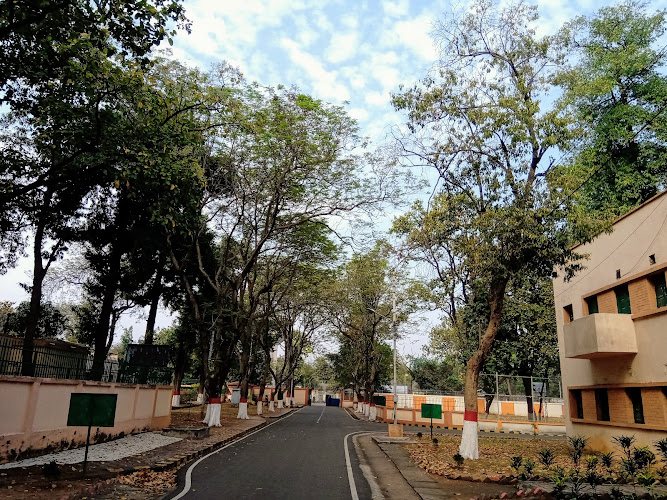
CMERI Colony
About CMERI Colony
Description
CMERI Colony represents one of those peculiar travel destinations that doesn't typically appear in glossy tourism brochures, yet it offers travelers an authentic glimpse into India's scientific and residential infrastructure. Located in Durgapur, West Bengal, this colony serves as the residential quarters for scientists, researchers, and staff working at the Central Mechanical Engineering Research Institute, one of India's premier research establishments under the Council of Scientific and Industrial Research. What strikes most visitors first is how different this place feels from your typical tourist destination. And honestly, that's exactly what makes it worth considering if you're the type of traveler who seeks genuine experiences over manufactured attractions. The colony showcases a planned community that emerged during India's post-independence industrialization era, when Durgapur itself was being developed as one of the country's steel cities. Walking through CMERI Colony, you'll notice the methodical layout that characterizes many institutional townships in India. The architecture reflects the functional aesthetic of the 1960s and 70s, with residential blocks designed to accommodate families of varying sizes. It's not going to win any contemporary design awards, but there's something oddly comforting about the straightforward approach to urban planning here. I remember visiting a friend who worked there, and what struck me most was the sense of community that permeates the entire colony. Scientists from different parts of India live here, creating this interesting melting pot of cultures, languages, and cuisines. During evening walks, you might hear Bengali conversations flowing into Tamil discussions, with Hindi serving as the common thread binding everyone together. The colony itself isn't a standalone attraction but rather provides context for understanding how India's scientific community operates beyond laboratory walls. For travelers interested in educational tourism or those looking to understand the human side of India's technological advancement, CMERI Colony offers perspectives you won't find in conventional tourist spots.Key Features
The colony presents several noteworthy characteristics that make it an interesting stop for curious travelers:- Planned residential layout showcasing mid-century Indian urban planning principles with distinct sectors for different residential categories
- Community facilities including schools, markets, and recreational spaces that serve the scientific community and their families
- Green spaces interspersed throughout the colony providing residents and visitors with peaceful areas for morning walks and evening recreation
- Proximity to CMERI's main research facilities, offering occasional opportunities for educational tours and interactions with ongoing scientific projects
- Multi-cultural environment where families from across India create a unique social fabric different from traditional Indian neighborhoods
- Local markets and shops that cater to diverse regional preferences, making it possible to find ingredients and products from various parts of India
- Well-maintained infrastructure including roads, street lighting, and basic amenities that reflect institutional standards
- Community halls and clubs where cultural programs and social gatherings regularly take place, especially during festivals
- Sports facilities including playgrounds and courts that become gathering points for residents during cooler parts of the day
Best Time to Visit
Timing your visit to CMERI Colony requires consideration of West Bengal's seasonal patterns and the rhythms of institutional life. The winter months from November through February offer the most comfortable weather conditions, with temperatures ranging between 12 to 25 degrees Celsius. During this period, the colony feels particularly pleasant for walking around and observing daily life without the oppressive heat that characterizes other seasons. But here's something most travel guides won't tell you – visiting during major Indian festivals like Durga Puja in October or Diwali provides a completely different experience. The colony transforms as scientists and their families celebrate with decorations, community gatherings, and cultural programs. You'll witness how a professional scientific community maintains cultural traditions while living away from their home states. The monsoon season from June to September brings substantial rainfall to Durgapur, making outdoor exploration challenging. However, if you don't mind occasional downpours, the landscape becomes refreshingly green, and the colony takes on a quieter, more contemplative atmosphere. Summer months from March to May can be brutal, with temperatures climbing above 40 degrees Celsius. Unless you have specific work-related reasons to visit during this period, I'd strongly recommend avoiding these months. The heat makes even short walks uncomfortable, and many residents retreat indoors during the afternoon hours. Weekdays generally offer better opportunities to observe the colony's working rhythm, as residents go about their daily routines. Weekends showcase the more relaxed, family-oriented side of life here, with children playing in parks and families shopping at local markets.How to Get There
Reaching CMERI Colony involves navigating to Durgapur first, which is reasonably well-connected to major cities in eastern India. The journey itself becomes part of the travel experience, especially if you're coming from outside West Bengal. By rail, Durgapur has its own railway station with connections to Kolkata, Asansol, and other important cities. From Kolkata, trains take approximately three to four hours depending on which service you choose. Once you arrive at Durgapur station, the colony is roughly 8-10 kilometers away, easily accessible by auto-rickshaw, taxi, or app-based cab services that operate in the city. If you're flying, the nearest airport is Kazi Nazrul Islam Airport in Andal, located about 25 kilometers from Durgapur. The airport has limited connectivity, primarily serving flights from Kolkata and a few other cities. From the airport, hiring a taxi directly to CMERI Colony takes around 40-45 minutes. Road connectivity to Durgapur is quite good, with National Highway 19 (formerly NH2) passing through the region. If you're driving from Kolkata, the journey covers approximately 170 kilometers and takes around three and a half hours under normal traffic conditions. The road quality is generally decent, making self-drive a viable option for those who prefer flexibility. Local transportation within Durgapur includes auto-rickshaws, cycle-rickshaws, and city buses. Most drivers know CMERI Colony well, so you won't struggle with directions. However, having the exact location on your phone's map application helps avoid confusion.Tips for Visiting
Visiting an institutional colony requires a slightly different approach than exploring conventional tourist destinations. First and foremost, remember that CMERI Colony is primarily a residential area where people live and work. Respectful behavior isn't just recommended – it's essential. Photography can be a sensitive issue here. While clicking pictures of general areas is usually fine, avoid photographing individual homes or people without permission. The research institute itself has restrictions on photography for security reasons, so always ask before taking out your camera near any official buildings. Accommodation options within the colony itself are limited to guest houses managed by CMERI, which typically require prior booking and may be reserved for official visitors. However, Durgapur city offers numerous hotels across different budget ranges, from basic lodges to comfortable mid-range properties. Staying in the main city and visiting the colony during the day works well for most travelers. Dress modestly and appropriately, especially if you're hoping to interact with residents or visit any institutional facilities. India's scientific communities maintain fairly conservative social norms, and dressing respectfully helps in gaining acceptance and facilitating conversations. The best way to truly experience CMERI Colony is through connections. If you know someone working at CMERI or living in the colony, that personal connection opens doors to authentic experiences – home-cooked meals, conversations about research work, and insights into community life that you'd never access as a casual visitor. Language can present minor challenges. While many residents speak English, especially the scientists and educated professionals, conversing in Hindi or Bengali helps immensely when interacting with shopkeepers, support staff, and others. Learning a few basic phrases in these languages goes a long way. Food options within the colony include small eateries and canteens serving mostly Indian cuisine. For more varied dining choices, heading to Durgapur's commercial areas provides better options. Don't miss trying Bengali specialties at local restaurants in the city. Carry adequate cash, as smaller shops and vendors within the colony may not accept digital payments. Though urban areas of Durgapur have embraced digital transactions, it's better to be prepared. Finally, approach your visit with genuine curiosity rather than treating it as just another checkbox on your itinerary. CMERI Colony represents a slice of India that most tourists never encounter – the everyday lives of people contributing to scientific advancement while balancing family responsibilities and cultural identities far from their ancestral homes. That human story, more than any physical landmark, makes this destination memorable.Key Features
- Planned residential layout showcasing mid-century Indian urban planning principles with distinct sectors for different residential categories
- Community facilities including schools, markets, and recreational spaces that serve the scientific community and their families
- Green spaces interspersed throughout the colony providing residents and visitors with peaceful areas for morning walks and evening recreation
- Proximity to CMERI's main research facilities, offering occasional opportunities for educational tours and interactions with ongoing scientific projects
- Multi-cultural environment where families from across India create a unique social fabric different from traditional Indian neighborhoods
- Local markets and shops that cater to diverse regional preferences, making it possible to find ingredients and products from various parts of India
- Well-maintained infrastructure including roads, street lighting, and basic amenities that reflect institutional standards
- Community halls and clubs where cultural programs and social gatherings regularly take place, especially during festivals
More Details
Updated March 30, 2026
Table of Contents
Description
CMERI Colony represents one of those peculiar travel destinations that doesn’t typically appear in glossy tourism brochures, yet it offers travelers an authentic glimpse into India’s scientific and residential infrastructure. Located in Durgapur, West Bengal, this colony serves as the residential quarters for scientists, researchers, and staff working at the Central Mechanical Engineering Research Institute, one of India’s premier research establishments under the Council of Scientific and Industrial Research.
What strikes most visitors first is how different this place feels from your typical tourist destination. And honestly, that’s exactly what makes it worth considering if you’re the type of traveler who seeks genuine experiences over manufactured attractions. The colony showcases a planned community that emerged during India’s post-independence industrialization era, when Durgapur itself was being developed as one of the country’s steel cities.
Walking through CMERI Colony, you’ll notice the methodical layout that characterizes many institutional townships in India. The architecture reflects the functional aesthetic of the 1960s and 70s, with residential blocks designed to accommodate families of varying sizes. It’s not going to win any contemporary design awards, but there’s something oddly comforting about the straightforward approach to urban planning here.
I remember visiting a friend who worked there, and what struck me most was the sense of community that permeates the entire colony. Scientists from different parts of India live here, creating this interesting melting pot of cultures, languages, and cuisines. During evening walks, you might hear Bengali conversations flowing into Tamil discussions, with Hindi serving as the common thread binding everyone together.
The colony itself isn’t a standalone attraction but rather provides context for understanding how India’s scientific community operates beyond laboratory walls. For travelers interested in educational tourism or those looking to understand the human side of India’s technological advancement, CMERI Colony offers perspectives you won’t find in conventional tourist spots.
Key Features
The colony presents several noteworthy characteristics that make it an interesting stop for curious travelers:
- Planned residential layout showcasing mid-century Indian urban planning principles with distinct sectors for different residential categories
- Community facilities including schools, markets, and recreational spaces that serve the scientific community and their families
- Green spaces interspersed throughout the colony providing residents and visitors with peaceful areas for morning walks and evening recreation
- Proximity to CMERI’s main research facilities, offering occasional opportunities for educational tours and interactions with ongoing scientific projects
- Multi-cultural environment where families from across India create a unique social fabric different from traditional Indian neighborhoods
- Local markets and shops that cater to diverse regional preferences, making it possible to find ingredients and products from various parts of India
- Well-maintained infrastructure including roads, street lighting, and basic amenities that reflect institutional standards
- Community halls and clubs where cultural programs and social gatherings regularly take place, especially during festivals
- Sports facilities including playgrounds and courts that become gathering points for residents during cooler parts of the day
Best Time to Visit
Timing your visit to CMERI Colony requires consideration of West Bengal’s seasonal patterns and the rhythms of institutional life. The winter months from November through February offer the most comfortable weather conditions, with temperatures ranging between 12 to 25 degrees Celsius. During this period, the colony feels particularly pleasant for walking around and observing daily life without the oppressive heat that characterizes other seasons.
But here’s something most travel guides won’t tell you – visiting during major Indian festivals like Durga Puja in October or Diwali provides a completely different experience. The colony transforms as scientists and their families celebrate with decorations, community gatherings, and cultural programs. You’ll witness how a professional scientific community maintains cultural traditions while living away from their home states.
The monsoon season from June to September brings substantial rainfall to Durgapur, making outdoor exploration challenging. However, if you don’t mind occasional downpours, the landscape becomes refreshingly green, and the colony takes on a quieter, more contemplative atmosphere.
Summer months from March to May can be brutal, with temperatures climbing above 40 degrees Celsius. Unless you have specific work-related reasons to visit during this period, I’d strongly recommend avoiding these months. The heat makes even short walks uncomfortable, and many residents retreat indoors during the afternoon hours.
Weekdays generally offer better opportunities to observe the colony’s working rhythm, as residents go about their daily routines. Weekends showcase the more relaxed, family-oriented side of life here, with children playing in parks and families shopping at local markets.
How to Get There
Reaching CMERI Colony involves navigating to Durgapur first, which is reasonably well-connected to major cities in eastern India. The journey itself becomes part of the travel experience, especially if you’re coming from outside West Bengal.
By rail, Durgapur has its own railway station with connections to Kolkata, Asansol, and other important cities. From Kolkata, trains take approximately three to four hours depending on which service you choose. Once you arrive at Durgapur station, the colony is roughly 8-10 kilometers away, easily accessible by auto-rickshaw, taxi, or app-based cab services that operate in the city.
If you’re flying, the nearest airport is Kazi Nazrul Islam Airport in Andal, located about 25 kilometers from Durgapur. The airport has limited connectivity, primarily serving flights from Kolkata and a few other cities. From the airport, hiring a taxi directly to CMERI Colony takes around 40-45 minutes.
Road connectivity to Durgapur is quite good, with National Highway 19 (formerly NH2) passing through the region. If you’re driving from Kolkata, the journey covers approximately 170 kilometers and takes around three and a half hours under normal traffic conditions. The road quality is generally decent, making self-drive a viable option for those who prefer flexibility.
Local transportation within Durgapur includes auto-rickshaws, cycle-rickshaws, and city buses. Most drivers know CMERI Colony well, so you won’t struggle with directions. However, having the exact location on your phone’s map application helps avoid confusion.
Tips for Visiting
Visiting an institutional colony requires a slightly different approach than exploring conventional tourist destinations. First and foremost, remember that CMERI Colony is primarily a residential area where people live and work. Respectful behavior isn’t just recommended – it’s essential.
Photography can be a sensitive issue here. While clicking pictures of general areas is usually fine, avoid photographing individual homes or people without permission. The research institute itself has restrictions on photography for security reasons, so always ask before taking out your camera near any official buildings.
Accommodation options within the colony itself are limited to guest houses managed by CMERI, which typically require prior booking and may be reserved for official visitors. However, Durgapur city offers numerous hotels across different budget ranges, from basic lodges to comfortable mid-range properties. Staying in the main city and visiting the colony during the day works well for most travelers.
Dress modestly and appropriately, especially if you’re hoping to interact with residents or visit any institutional facilities. India’s scientific communities maintain fairly conservative social norms, and dressing respectfully helps in gaining acceptance and facilitating conversations.
The best way to truly experience CMERI Colony is through connections. If you know someone working at CMERI or living in the colony, that personal connection opens doors to authentic experiences – home-cooked meals, conversations about research work, and insights into community life that you’d never access as a casual visitor.
Language can present minor challenges. While many residents speak English, especially the scientists and educated professionals, conversing in Hindi or Bengali helps immensely when interacting with shopkeepers, support staff, and others. Learning a few basic phrases in these languages goes a long way.
Food options within the colony include small eateries and canteens serving mostly Indian cuisine. For more varied dining choices, heading to Durgapur’s commercial areas provides better options. Don’t miss trying Bengali specialties at local restaurants in the city.
Carry adequate cash, as smaller shops and vendors within the colony may not accept digital payments. Though urban areas of Durgapur have embraced digital transactions, it’s better to be prepared.
Finally, approach your visit with genuine curiosity rather than treating it as just another checkbox on your itinerary. CMERI Colony represents a slice of India that most tourists never encounter – the everyday lives of people contributing to scientific advancement while balancing family responsibilities and cultural identities far from their ancestral homes. That human story, more than any physical landmark, makes this destination memorable.
Key Highlights
- Planned residential layout showcasing mid-century Indian urban planning principles with distinct sectors for different residential categories
- Community facilities including schools, markets, and recreational spaces that serve the scientific community and their families
- Green spaces interspersed throughout the colony providing residents and visitors with peaceful areas for morning walks and evening recreation
- Proximity to CMERI's main research facilities, offering occasional opportunities for educational tours and interactions with ongoing scientific projects
- Multi-cultural environment where families from across India create a unique social fabric different from traditional Indian neighborhoods
- Local markets and shops that cater to diverse regional preferences, making it possible to find ingredients and products from various parts of India
- Well-maintained infrastructure including roads, street lighting, and basic amenities that reflect institutional standards
- Community halls and clubs where cultural programs and social gatherings regularly take place, especially during festivals
Location
Places to Stay Near CMERI Colony
Find and Book a Tour
Explore More Travel Guides
No reviews found! Be the first to review!
CMERI Colony is a prominent Outdoors & Nature located in Durgapur.
Visit us at: H824+X47, Sardar Patel Rd, CMERI Colony, City Center, Durgapur, West Bengal 713216, India.
Traveler Reviews for CMERI Colony
There are no reviews yet. Be the first one to write one.
Have you visited CMERI Colony? Help other travelers by sharing your review.
You Might Also Like

Visvesvaraya Auditorium IEI Durgapur west bengal
Bhavani Pathak's Tila

Junction Mall
Find Accommodations Nearby
Recommended Tours & Activities
Visitor Reviews
There are no reviews yet. Be the first one to write one.
Share Your Experience
Have you visited CMERI Colony? Help other travelers by leaving a review.