

Clifton Steamboat Museum
About Clifton Steamboat Museum
Description
The Clifton Steamboat Museum is a fascinating stop for anyone curious about Texas history, military heritage, and the golden age of river travel. Spread across 24,000 square feet and two levels, the museum feels more like a personal collection that grew into something much bigger. It was founded by David W. Hearn, Jr., who wanted to honor both military and civilian heroes, and you can sense that passion in every corner of the place. The exhibits range from detailed steamboat models and a replica pilot house to military memorabilia and even antique cars and motorcycles. It’s not the kind of museum where you just glance at things and move on—you’ll find yourself pausing, reading, and really thinking about the stories behind the artifacts.
What makes this museum stand out is the mix of themes. One minute you’re looking at the mechanics of a steamboat engine room, and the next you’re standing in front of a display about the Texas oil industry or the sacrifices of local veterans. It’s a lot to take in, but in a good way. The art collection upstairs adds another layer, with works that reflect both regional culture and broader American history. It’s clear that the museum was built with love and a sense of duty to preserve stories that might otherwise be forgotten.
Visitors often say the museum feels welcoming, and that’s partly because it’s so accessible. The building is fully wheelchair-friendly, with ramps, restrooms, and parking designed for ease of use. Families with kids tend to enjoy it too, since the exhibits are varied enough to keep younger visitors engaged without overwhelming them. Like any place, not everyone leaves thrilled—some folks feel it could use more interactive features—but the majority walk away impressed by the sheer scope and heart behind it.
Key Features
- Replica steamboat engine room and pilot house that give a hands-on sense of river travel
- Extensive military history exhibits honoring local heroes from different wars
- Collection of antique cars, motorcycles, and oil industry artifacts
- Fine art gallery featuring regional and national artists
- Gift shop with history-themed items and local souvenirs
- Banquet and event facilities for reunions, meetings, and celebrations
- Wheelchair accessible building, restrooms, and parking
- Guided tours available for those who want deeper insight
Best Time to Visit
Texas weather can be unpredictable, but since the museum is indoors, you don’t have to worry much about the seasons. That said, spring and fall tend to be the most comfortable times to travel in Southeast Texas, especially if you’re planning to combine the museum with other outdoor activities. Weekdays are usually quieter, which makes it easier to take your time with the exhibits. If you enjoy a bit more buzz, weekends sometimes bring special events or group visits, adding extra energy to the place. Personally, I like going mid-morning—it’s quiet, the staff are fresh and chatty, and you can linger without feeling rushed.
How to Get There
The museum is located just outside the main bustle of Beaumont, Texas, making it convenient yet not in the middle of heavy city traffic. Most travelers arrive by car, and parking on-site is straightforward with plenty of accessible spots. If you’re flying in, the nearest airport is Beaumont’s Jack Brooks Regional Airport, about a short drive away. From Houston, you’re looking at a couple of hours by car, mostly along major highways. The drive itself isn’t bad, especially if you like wide Texas skies and the occasional roadside diner. Public transit isn’t really an option here, so plan on driving or arranging a ride.
Tips for Visiting
First thing: give yourself enough time. The museum is bigger than it looks from the outside, and if you’re like me, you’ll end up reading every little placard and losing track of time. Two hours is a safe bet, but history buffs might want three. Wear comfortable shoes since you’ll be walking and standing quite a bit. And if you’re traveling with kids, set expectations—they’ll probably love the vehicles and the steamboat displays, but some of the military history sections are heavier in tone.
Don’t skip the art gallery upstairs. A lot of visitors head straight for the steamboat and military exhibits and forget about the paintings and sculptures, but they’re worth the detour. And yes, the gift shop is small, but it has some quirky finds—perfect if you collect magnets or books about local history. If you’re planning a group visit, call ahead and ask about guided tours. The staff are knowledgeable and add context you might miss on your own. Plus, they’re friendly in that genuine Texas way, which makes the whole experience feel more personal.
Lastly, keep in mind that this isn’t a flashy, high-tech museum with digital screens everywhere. It’s more old-school, with real artifacts and carefully curated displays. That’s part of its charm. If you go in expecting a thoughtful, heartfelt collection that honors heroes and tells real stories, you’ll come away with a deeper appreciation for the history of Texas and the people who shaped it.
Key Features
- Replica steamboat engine room and pilot house that give a hands-on sense of river travel
- Extensive military history exhibits honoring local heroes from different wars
- Collection of antique cars, motorcycles, and oil industry artifacts
- Fine art gallery featuring regional and national artists
- Gift shop with history-themed items and local souvenirs
- Banquet and event facilities for reunions, meetings, and celebrations
- Wheelchair accessible building, restrooms, and parking
- Guided tours available for those who want deeper insight
More Details
Updated September 9, 2025
Table of Contents
Description
The Clifton Steamboat Museum is a fascinating stop for anyone curious about Texas history, military heritage, and the golden age of river travel. Spread across 24,000 square feet and two levels, the museum feels more like a personal collection that grew into something much bigger. It was founded by David W. Hearn, Jr., who wanted to honor both military and civilian heroes, and you can sense that passion in every corner of the place. The exhibits range from detailed steamboat models and a replica pilot house to military memorabilia and even antique cars and motorcycles. It’s not the kind of museum where you just glance at things and move on—you’ll find yourself pausing, reading, and really thinking about the stories behind the artifacts.
What makes this museum stand out is the mix of themes. One minute you’re looking at the mechanics of a steamboat engine room, and the next you’re standing in front of a display about the Texas oil industry or the sacrifices of local veterans. It’s a lot to take in, but in a good way. The art collection upstairs adds another layer, with works that reflect both regional culture and broader American history. It’s clear that the museum was built with love and a sense of duty to preserve stories that might otherwise be forgotten.
Visitors often say the museum feels welcoming, and that’s partly because it’s so accessible. The building is fully wheelchair-friendly, with ramps, restrooms, and parking designed for ease of use. Families with kids tend to enjoy it too, since the exhibits are varied enough to keep younger visitors engaged without overwhelming them. Like any place, not everyone leaves thrilled—some folks feel it could use more interactive features—but the majority walk away impressed by the sheer scope and heart behind it.
Key Features
- Replica steamboat engine room and pilot house that give a hands-on sense of river travel
- Extensive military history exhibits honoring local heroes from different wars
- Collection of antique cars, motorcycles, and oil industry artifacts
- Fine art gallery featuring regional and national artists
- Gift shop with history-themed items and local souvenirs
- Banquet and event facilities for reunions, meetings, and celebrations
- Wheelchair accessible building, restrooms, and parking
- Guided tours available for those who want deeper insight
Best Time to Visit
Texas weather can be unpredictable, but since the museum is indoors, you don’t have to worry much about the seasons. That said, spring and fall tend to be the most comfortable times to travel in Southeast Texas, especially if you’re planning to combine the museum with other outdoor activities. Weekdays are usually quieter, which makes it easier to take your time with the exhibits. If you enjoy a bit more buzz, weekends sometimes bring special events or group visits, adding extra energy to the place. Personally, I like going mid-morning—it’s quiet, the staff are fresh and chatty, and you can linger without feeling rushed.
How to Get There
The museum is located just outside the main bustle of Beaumont, Texas, making it convenient yet not in the middle of heavy city traffic. Most travelers arrive by car, and parking on-site is straightforward with plenty of accessible spots. If you’re flying in, the nearest airport is Beaumont’s Jack Brooks Regional Airport, about a short drive away. From Houston, you’re looking at a couple of hours by car, mostly along major highways. The drive itself isn’t bad, especially if you like wide Texas skies and the occasional roadside diner. Public transit isn’t really an option here, so plan on driving or arranging a ride.
Tips for Visiting
First thing: give yourself enough time. The museum is bigger than it looks from the outside, and if you’re like me, you’ll end up reading every little placard and losing track of time. Two hours is a safe bet, but history buffs might want three. Wear comfortable shoes since you’ll be walking and standing quite a bit. And if you’re traveling with kids, set expectations—they’ll probably love the vehicles and the steamboat displays, but some of the military history sections are heavier in tone.
Don’t skip the art gallery upstairs. A lot of visitors head straight for the steamboat and military exhibits and forget about the paintings and sculptures, but they’re worth the detour. And yes, the gift shop is small, but it has some quirky finds—perfect if you collect magnets or books about local history. If you’re planning a group visit, call ahead and ask about guided tours. The staff are knowledgeable and add context you might miss on your own. Plus, they’re friendly in that genuine Texas way, which makes the whole experience feel more personal.
Lastly, keep in mind that this isn’t a flashy, high-tech museum with digital screens everywhere. It’s more old-school, with real artifacts and carefully curated displays. That’s part of its charm. If you go in expecting a thoughtful, heartfelt collection that honors heroes and tells real stories, you’ll come away with a deeper appreciation for the history of Texas and the people who shaped it.
Key Highlights
- Replica steamboat engine room and pilot house that give a hands-on sense of river travel
- Extensive military history exhibits honoring local heroes from different wars
- Collection of antique cars, motorcycles, and oil industry artifacts
- Fine art gallery featuring regional and national artists
- Gift shop with history-themed items and local souvenirs
- Banquet and event facilities for reunions, meetings, and celebrations
- Wheelchair accessible building, restrooms, and parking
- Guided tours available for those who want deeper insight
Location
Places to Stay Near Clifton Steamboat Museum
Find and Book a Tour
Explore More Travel Guides
No reviews found! Be the first to review!
Traveler Reviews for Clifton Steamboat Museum
There are no reviews yet. Be the first one to write one.
Have you visited Clifton Steamboat Museum? Help other travelers by sharing your review.
You Might Also Like

Edison Museum

Babe Zaharias Museum & Visitor Center
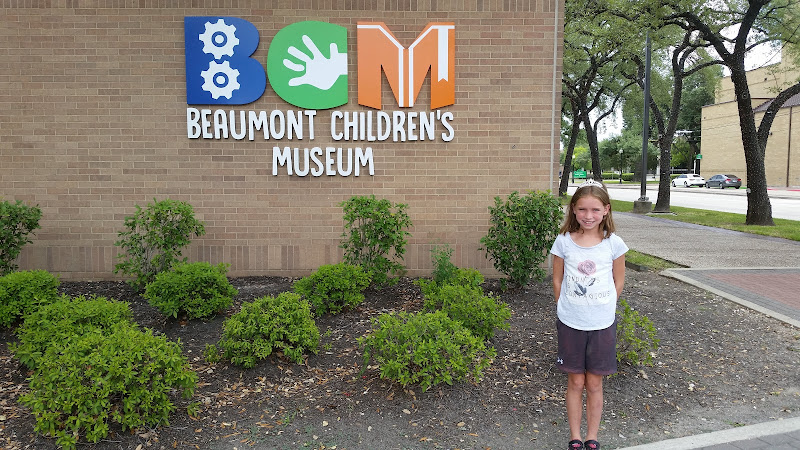
Beaumont Children's Museum
Find Accommodations Nearby
Recommended Tours & Activities
Visitor Reviews
There are no reviews yet. Be the first one to write one.
Share Your Experience
Have you visited Clifton Steamboat Museum? Help other travelers by leaving a review.