

Clark County Museum
About Clark County Museum
Description
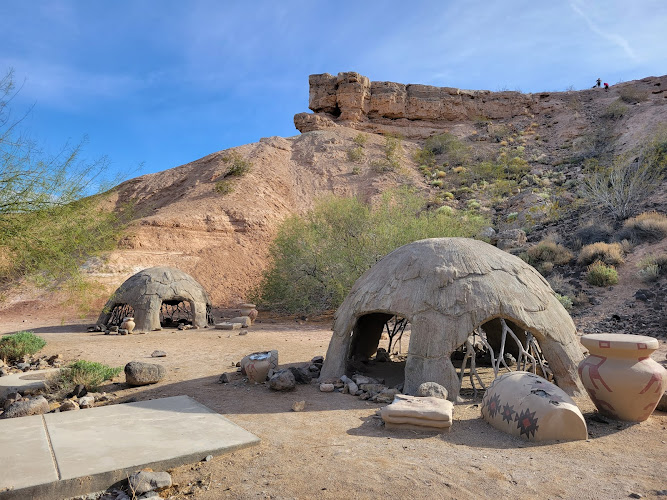
The Clark County Museum sits on a spacious 30-acre plot in Henderson and serves as a living chronicle of southern Nevada history. Rather than a single building filled with glass cases, the museum is a stitched-together walk through time: an exhibit hall for rotating displays and a charming outdoor campus where restored historic buildings, mining artifacts and heritage structures stand in a loose neighborhood formation. It feels a little like wandering through a film set for early 20th-century life in the desert — minus the actors, thankfully.
Travelers who come for Las Vegas often miss this quieter, slower take on the region, but the museum delivers something different: tangible context. Here, the development of the valley, the mining era, railroad and small-town community life are not just described — they are shown. Heritage Street, a highlight, collects relocated and preserved buildings that once anchored towns and company communities across the county. There are relics that speak to mining and transportation, indoor exhibits that dive into local stories, and outdoor displays that reward a curious pair of shoes and a sun hat.
In practice, the museum is practical for families and history buffs alike. It offers onsite services like guided tours and a modest gift shop for souvenirs. Restrooms and accessible parking are available, and the main paths and certain buildings are wheelchair accessible. There is an admission fee, which funds preservation and rotating exhibits, and parking is free and on site — a convenience many visitors appreciate after long stretches in busier tourist zones.
It should be said — and this reflects a fair take on visitor experience — that the museum is best enjoyed at a relaxed pace. Some people zip through in an hour, while others spread visits across a lazy afternoon. Because much of the site is outdoors, the museum pairs best with temperate weather unless a visitor is eager to brave the summer heat. Staff-run tours add context and color; casual self-guided visits let people linger where they want. Either way, the Clark County Museum rewards curiosity with small discoveries: a weathered miner’s helmet, a schoolroom frozen in the 1940s, a depot that once heard steam whistles instead of traffic noise.
Key Features
- 30-acre outdoor museum campus featuring restored historic buildings and Heritage Street showcases
- Exhibit hall with rotating and permanent displays focusing on regional history, mining, and transportation
- Mining artifacts and displays that illustrate the area’s mining past and its role in local development
- Preserved railroad depot and other transportation-related exhibits highlighting the Las Vegas valley’s growth
- Guided tours available for groups and individuals, plus interpretive signage for self-guided exploration
- Wheelchair accessible entrance, parking, and restroom facilities to aid visitors with mobility needs
- Free on-site parking; admission fee required (helps support conservation and programming)
- Gift shop with locally themed souvenirs and educational materials
- Family-friendly layout and kid-focused displays that make history approachable for children
Best Time to Visit
Climate matters here. The museum’s outdoor nature makes late fall through early spring the most comfortable stretch for most travelers. Mild temperatures and clearer skies invite relaxed walking and better photo lighting. Spring offers wildflower flashes in some years, which is a lovely bonus, while winter daylight is soft and fewer people are around — always a plus if someone wants quieter, contemplative time among the old buildings.
Weekdays are often calmer than weekends. Crowds spike on local holiday weekends and during special events or living history demonstrations, when guided tours and volunteer reenactors appear. Those events are fun — and lively — but if a visitor prefers to move at their own pace, a midweek morning can feel like having the whole place to oneself.
For photographers seeking golden-hour shots of heritage structures, plan the visit around morning or late afternoon light. But fair warning: the desert sun can be fierce around midday, even in cooler months. Bring shade and water — common sense, but easy to forget when the exhibits are beckoning.
How to Get There
The Clark County Museum is readily reachable by car from downtown Henderson and the greater Las Vegas area. Travelers coming from the Strip or downtown Las Vegas typically head southeast along main highways and then follow signs toward Henderson and the museum area. The museum sits along a well-traveled corridor, so GPS navigation will guide drivers to the correct access point without fuss.
Parking is free and located on site, which simplifies planning: no hunting for meters or paying by app. For visitors relying on rideshares or taxis, drop-offs near the entrance work fine and walking routes across the property are clear. Public transit options exist in the broader area, but transfers may be required and travel time can stretch out; those who prefer mass transit should check regional schedules ahead of time to sync connections.
Those who enjoy cycling or micro-adventures should note that the museum’s grounds are best explored on foot once arrived; bike racks are often available, but some surfaces are uneven. If a group is traveling by RV or with a trailer, the lot has room for typical passenger vehicles; very large rigs may want to check ahead or plan to park in nearby public lots.
Tips for Visiting
Plan for a couple of hours. Most visitors find that two to three hours allows time for both the exhibit hall and a decent stroll through Heritage Street and outdoor displays. But if someone loves small details (old signage, construction methods, ephemera from mining towns), more time will be a treat.
- Check the schedule for guided tours and special exhibits. Tours add context and anecdotes that make static displays come alive.
- Bring water and sun protection. The Nevada sun is not shy, and while there are shaded spots, visitors will spend time outdoors.
- Wear comfortable walking shoes. Paths can be a mix of pavement and packed earth; sensible footwear helps.
- Photography for personal use is generally welcome. Slow down and look for details—small objects reveal big stories.
- There is no full-service restaurant on site; snacks are OK, and the gift shop has light items. Plan dining elsewhere if a longer outing is planned.
- Admission fees support preservation. If a visitor values quiet, well-curated local history, the fee is a straightforward contribution to keep these buildings standing.
- Accessibility is taken seriously: wheelchair accessible parking, entrances, and restrooms are available. If specific accommodations are needed, it’s wise to call ahead on busier days to confirm arrangements.
- Families should scope out kid-friendly displays and consider a scavenger-hunt approach to keep younger ones engaged. The site works nicely for curious children who like hands-on little mysteries.
- Combine the museum visit with nearby outdoor activities in Henderson if time permits. It pairs well with a relaxed day away from the Strip’s frenetic pace.
A quick aside from common visitor experience: some people describe the museum as a peaceful surprise — the sort of place that makes them slow their pace and notice things like the texture of old paint or the way a schoolroom desk tilts. Others come with specific interests — mining history, railroad lore, or local architecture — and leave satisfied. There are occasional grumbles (signage could be clearer in spots; some displays rotate, so favorites might be out when someone visits), but overall the venue stands as a thoughtfully preserved slice of regional past.
In short, the Clark County Museum is a destination for travelers who like to understand a place beyond its headline attractions. It rewards patience, curiosity and an eye for detail. If someone has ever felt a twinge of curiosity about how the Las Vegas valley grew from dusty settlements to the metropolitan area it is today, a few hours here will fill in the blanks with artifacts, restored buildings, and stories that stick with you longer than a flashy billboard ever could.
Key Features
- 30-acre outdoor museum campus featuring restored historic buildings and Heritage Street showcases
- Exhibit hall with rotating and permanent displays focusing on regional history, mining, and transportation
- Mining artifacts and displays that illustrate the area’s mining past and its role in local development
- Preserved railroad depot and other transportation-related exhibits highlighting the Las Vegas valley’s growth
- Guided tours available for groups and individuals, plus interpretive signage for self-guided exploration
- Wheelchair accessible entrance, parking, and restroom facilities to aid visitors with mobility needs
- Free on-site parking; admission fee required (helps support conservation and programming)
- Gift shop with locally themed souvenirs and educational materials
More Details
Updated August 29, 2025
Table of Contents
Description
The Clark County Museum sits on a spacious 30-acre plot in Henderson and serves as a living chronicle of southern Nevada history. Rather than a single building filled with glass cases, the museum is a stitched-together walk through time: an exhibit hall for rotating displays and a charming outdoor campus where restored historic buildings, mining artifacts and heritage structures stand in a loose neighborhood formation. It feels a little like wandering through a film set for early 20th-century life in the desert — minus the actors, thankfully.
Travelers who come for Las Vegas often miss this quieter, slower take on the region, but the museum delivers something different: tangible context. Here, the development of the valley, the mining era, railroad and small-town community life are not just described — they are shown. Heritage Street, a highlight, collects relocated and preserved buildings that once anchored towns and company communities across the county. There are relics that speak to mining and transportation, indoor exhibits that dive into local stories, and outdoor displays that reward a curious pair of shoes and a sun hat.
In practice, the museum is practical for families and history buffs alike. It offers onsite services like guided tours and a modest gift shop for souvenirs. Restrooms and accessible parking are available, and the main paths and certain buildings are wheelchair accessible. There is an admission fee, which funds preservation and rotating exhibits, and parking is free and on site — a convenience many visitors appreciate after long stretches in busier tourist zones.
It should be said — and this reflects a fair take on visitor experience — that the museum is best enjoyed at a relaxed pace. Some people zip through in an hour, while others spread visits across a lazy afternoon. Because much of the site is outdoors, the museum pairs best with temperate weather unless a visitor is eager to brave the summer heat. Staff-run tours add context and color; casual self-guided visits let people linger where they want. Either way, the Clark County Museum rewards curiosity with small discoveries: a weathered miner’s helmet, a schoolroom frozen in the 1940s, a depot that once heard steam whistles instead of traffic noise.
Key Features
- 30-acre outdoor museum campus featuring restored historic buildings and Heritage Street showcases
- Exhibit hall with rotating and permanent displays focusing on regional history, mining, and transportation
- Mining artifacts and displays that illustrate the area’s mining past and its role in local development
- Preserved railroad depot and other transportation-related exhibits highlighting the Las Vegas valley’s growth
- Guided tours available for groups and individuals, plus interpretive signage for self-guided exploration
- Wheelchair accessible entrance, parking, and restroom facilities to aid visitors with mobility needs
- Free on-site parking; admission fee required (helps support conservation and programming)
- Gift shop with locally themed souvenirs and educational materials
- Family-friendly layout and kid-focused displays that make history approachable for children
Best Time to Visit
Climate matters here. The museum’s outdoor nature makes late fall through early spring the most comfortable stretch for most travelers. Mild temperatures and clearer skies invite relaxed walking and better photo lighting. Spring offers wildflower flashes in some years, which is a lovely bonus, while winter daylight is soft and fewer people are around — always a plus if someone wants quieter, contemplative time among the old buildings.
Weekdays are often calmer than weekends. Crowds spike on local holiday weekends and during special events or living history demonstrations, when guided tours and volunteer reenactors appear. Those events are fun — and lively — but if a visitor prefers to move at their own pace, a midweek morning can feel like having the whole place to oneself.
For photographers seeking golden-hour shots of heritage structures, plan the visit around morning or late afternoon light. But fair warning: the desert sun can be fierce around midday, even in cooler months. Bring shade and water — common sense, but easy to forget when the exhibits are beckoning.
How to Get There
The Clark County Museum is readily reachable by car from downtown Henderson and the greater Las Vegas area. Travelers coming from the Strip or downtown Las Vegas typically head southeast along main highways and then follow signs toward Henderson and the museum area. The museum sits along a well-traveled corridor, so GPS navigation will guide drivers to the correct access point without fuss.
Parking is free and located on site, which simplifies planning: no hunting for meters or paying by app. For visitors relying on rideshares or taxis, drop-offs near the entrance work fine and walking routes across the property are clear. Public transit options exist in the broader area, but transfers may be required and travel time can stretch out; those who prefer mass transit should check regional schedules ahead of time to sync connections.
Those who enjoy cycling or micro-adventures should note that the museum’s grounds are best explored on foot once arrived; bike racks are often available, but some surfaces are uneven. If a group is traveling by RV or with a trailer, the lot has room for typical passenger vehicles; very large rigs may want to check ahead or plan to park in nearby public lots.
Tips for Visiting
Plan for a couple of hours. Most visitors find that two to three hours allows time for both the exhibit hall and a decent stroll through Heritage Street and outdoor displays. But if someone loves small details (old signage, construction methods, ephemera from mining towns), more time will be a treat.
- Check the schedule for guided tours and special exhibits. Tours add context and anecdotes that make static displays come alive.
- Bring water and sun protection. The Nevada sun is not shy, and while there are shaded spots, visitors will spend time outdoors.
- Wear comfortable walking shoes. Paths can be a mix of pavement and packed earth; sensible footwear helps.
- Photography for personal use is generally welcome. Slow down and look for details—small objects reveal big stories.
- There is no full-service restaurant on site; snacks are OK, and the gift shop has light items. Plan dining elsewhere if a longer outing is planned.
- Admission fees support preservation. If a visitor values quiet, well-curated local history, the fee is a straightforward contribution to keep these buildings standing.
- Accessibility is taken seriously: wheelchair accessible parking, entrances, and restrooms are available. If specific accommodations are needed, it’s wise to call ahead on busier days to confirm arrangements.
- Families should scope out kid-friendly displays and consider a scavenger-hunt approach to keep younger ones engaged. The site works nicely for curious children who like hands-on little mysteries.
- Combine the museum visit with nearby outdoor activities in Henderson if time permits. It pairs well with a relaxed day away from the Strip’s frenetic pace.
A quick aside from common visitor experience: some people describe the museum as a peaceful surprise — the sort of place that makes them slow their pace and notice things like the texture of old paint or the way a schoolroom desk tilts. Others come with specific interests — mining history, railroad lore, or local architecture — and leave satisfied. There are occasional grumbles (signage could be clearer in spots; some displays rotate, so favorites might be out when someone visits), but overall the venue stands as a thoughtfully preserved slice of regional past.
In short, the Clark County Museum is a destination for travelers who like to understand a place beyond its headline attractions. It rewards patience, curiosity and an eye for detail. If someone has ever felt a twinge of curiosity about how the Las Vegas valley grew from dusty settlements to the metropolitan area it is today, a few hours here will fill in the blanks with artifacts, restored buildings, and stories that stick with you longer than a flashy billboard ever could.
Key Highlights
- 30-acre outdoor museum campus featuring restored historic buildings and Heritage Street showcases
- Exhibit hall with rotating and permanent displays focusing on regional history, mining, and transportation
- Mining artifacts and displays that illustrate the area’s mining past and its role in local development
- Preserved railroad depot and other transportation-related exhibits highlighting the Las Vegas valley’s growth
- Guided tours available for groups and individuals, plus interpretive signage for self-guided exploration
- Wheelchair accessible entrance, parking, and restroom facilities to aid visitors with mobility needs
- Free on-site parking; admission fee required (helps support conservation and programming)
- Gift shop with locally themed souvenirs and educational materials
Location
Places to Stay Near Clark County Museum
Find and Book a Tour
Explore More Travel Guides
No reviews found! Be the first to review!
Traveler Reviews for Clark County Museum
There are no reviews yet. Be the first one to write one.
Have you visited Clark County Museum? Help other travelers by sharing your review.
You Might Also Like
Whitney Mesa Park Recreation Area

Amador Vista Park

Lion Habitat Ranch inc
Find Accommodations Nearby
Recommended Tours & Activities
Visitor Reviews
There are no reviews yet. Be the first one to write one.
Share Your Experience
Have you visited Clark County Museum? Help other travelers by leaving a review.