About Church of the Transfiguration in Lviv

Description

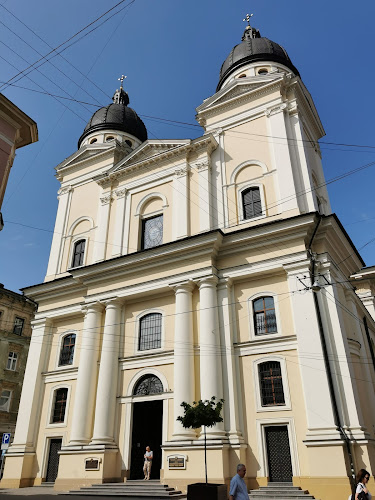
There’s something quietly moving about the Church of the Transfiguration in Lviv. Maybe it’s the way the morning sun hits that copper dome, or the faint scent of incense that lingers long after a service ends. This Greek Catholic church, originally founded back in 1731 and later reconstructed after the fire of 1848, stands as a beautiful reminder of Lviv’s layered history — a city that’s always reinvented itself without losing its soul. The church, built on the remains of a former Roman Catholic Trinity Church, now carries both the weight of history and the lightness of faith. And honestly, that combination is what makes it so special.

Step inside and you’ll find an interior that feels both ornate and intimate. The frescoes, gilded details, and soft candlelight create an atmosphere that’s less about grandeur and more about grace. You can almost feel the centuries of prayers whispered within those walls. It’s not the largest or the most famous church in Lviv, but it’s one of those places that quietly stays with you long after you leave. I’ve visited a lot of churches across Europe, but this one — with its slightly worn pews and gentle acoustics — feels deeply human. It’s the kind of place where you can sit down, take a breath, and just… be.

Architecturally, the church is a fascinating blend of Baroque and Neoclassical influences, with a few Eastern touches that reflect its Greek Catholic heritage. The copper dome, which gleams beautifully after rain, is one of the most recognizable features of Lviv’s skyline. Inside, the iconostasis is a masterpiece — intricate, gold-toned, and full of symbolic detail that rewards anyone who takes the time to look closely. You might even catch a choir rehearsal if you’re lucky, and let me tell you, the way those voices fill the space is nothing short of breathtaking.

It’s not a perfect place — accessibility is limited, and it can get a bit crowded during major religious holidays. But that’s part of its charm too. It’s a living, breathing church, not a museum piece. You’ll see locals lighting candles for loved ones, tourists craning their necks to admire the ceiling, and the occasional street musician playing softly outside. In a city full of stunning architecture, the Church of the Transfiguration stands out not because it’s the most elaborate, but because it feels alive — a true reflection of Lviv itself.

Key Features

  • Historic origins: Founded in 1731 and rebuilt after the 1848 fire, the church carries layers of history within its walls.
  • Architectural blend: A mix of Baroque and Neoclassical styles with Greek Catholic influences gives it a distinctive character.
  • Copper dome: The shining dome is one of Lviv’s most recognizable skyline features, especially striking at sunset.
  • Iconostasis: A beautifully detailed icon screen that showcases exquisite craftsmanship and religious symbolism.
  • Peaceful atmosphere: Despite being centrally located, the church offers a quiet escape from the city’s bustle.
  • Active worship site: Regular services and liturgies keep the spiritual life of the church vibrant and authentic.
  • Artistic interior: Frescoes, carvings, and gilded details that reflect both faith and artistry.

Best Time to Visit

If you ask me, the best time to visit the Church of the Transfiguration is early in the morning, before the crowds roll in. The soft light streaming through the windows gives the whole place a golden hue, and the quiet is almost sacred. Late afternoon is also lovely — around that time, the dome catches the last rays of the sun, and the bells ring out across the Old Town. It’s one of those moments that makes you pause, even if you weren’t planning to.

Spring and autumn are particularly pleasant in Lviv. The weather is mild, the streets are alive with café chatter, and the church feels especially welcoming. Winter has its own charm too — the snow muffles the sounds outside, and you can warm up inside the church while listening to the faint echo of hymns. Summer, while beautiful, can get busy, especially during festival season. But even then, stepping into the church offers a cool, calm break from the heat and the crowds.

How to Get There

The Church of the Transfiguration sits right in Lviv’s Old Town, so getting there is easy from almost anywhere in the city center. If you’re staying nearby, you can simply walk — and honestly, that’s the best way to experience Lviv anyway. The narrow cobbled streets, the smell of coffee drifting from cafés, the sound of street musicians — it all builds up to the moment you see that copper dome peeking above the rooftops.

If you’re coming from the train station, you can hop on a tram heading toward the city center and get off near Rynok Square. From there, it’s just a few minutes on foot. Taxis and ride-hailing apps are also available, but walking lets you soak in the atmosphere. Just keep in mind that the streets can be uneven, so wear comfortable shoes. And if you’re driving, parking in the Old Town is tricky — better to leave the car elsewhere and enjoy the stroll.

Tips for Visiting

Here’s the thing about visiting the Church of the Transfiguration — it’s not just about seeing it, it’s about feeling it. So take your time. Don’t rush in, snap a few photos, and rush out. Sit down for a few minutes, listen to the quiet, and let the space speak to you. It’s a place where stillness has its own kind of beauty.

Dress respectfully since it’s an active place of worship. Shoulders covered, hats off — the usual, but it’s worth mentioning. Photography is allowed, but be discreet, especially if a service is in progress. I once made the mistake of taking a photo during a liturgy, and the gentle but firm look I got from an elderly parishioner was enough to remind me that reverence matters here.

Accessibility is limited — there’s no wheelchair-accessible entrance or parking, which can be challenging for some visitors. Hopefully, that will change in the future, but for now, it’s something to be aware of. Also, the interior lighting can be dim, so if you’re into photography, adjust your settings accordingly or embrace the natural moodiness of the place — it actually adds to the charm.

If you’re lucky enough to visit during a choir performance or a major religious feast, stay for it. The sound of the choir reverberating through the dome is something you won’t forget. And if you’re interested in history, take a moment to notice the mix of old and new elements — parts of the original 18th-century structure were incorporated into the reconstruction, giving the building a layered, almost time-worn character.

Before you leave, light a candle. Even if you’re not religious, it’s a small, meaningful gesture — a way of connecting with the generations who’ve done the same before you. And when you step back out into the cobbled streets of Lviv, you’ll probably feel that quiet sense of peace that comes from having touched a piece of living history. It’s not something you can capture in a photo — it’s something you carry with you.

In the end, the Church of the Transfiguration isn’t just another stop on a sightseeing list. It’s a place that invites reflection — about faith, art, time, and the resilience of a city that’s seen it all. Whether you’re a history buff, a traveler chasing beauty, or just someone looking for a moment of calm, this church offers exactly that — quietly, gracefully, and without asking for much in return.

Key Features

  • Key Features
  • Best Time to Visit
  • How to Get There
  • Tips for Visiting

More Details

Updated November 7, 2025

Description

There’s something quietly moving about the Church of the Transfiguration in Lviv. Maybe it’s the way the morning sun hits that copper dome, or the faint scent of incense that lingers long after a service ends. This Greek Catholic church, originally founded back in 1731 and later reconstructed after the fire of 1848, stands as a beautiful reminder of Lviv’s layered history — a city that’s always reinvented itself without losing its soul. The church, built on the remains of a former Roman Catholic Trinity Church, now carries both the weight of history and the lightness of faith. And honestly, that combination is what makes it so special.

Step inside and you’ll find an interior that feels both ornate and intimate. The frescoes, gilded details, and soft candlelight create an atmosphere that’s less about grandeur and more about grace. You can almost feel the centuries of prayers whispered within those walls. It’s not the largest or the most famous church in Lviv, but it’s one of those places that quietly stays with you long after you leave. I’ve visited a lot of churches across Europe, but this one — with its slightly worn pews and gentle acoustics — feels deeply human. It’s the kind of place where you can sit down, take a breath, and just… be.

Architecturally, the church is a fascinating blend of Baroque and Neoclassical influences, with a few Eastern touches that reflect its Greek Catholic heritage. The copper dome, which gleams beautifully after rain, is one of the most recognizable features of Lviv’s skyline. Inside, the iconostasis is a masterpiece — intricate, gold-toned, and full of symbolic detail that rewards anyone who takes the time to look closely. You might even catch a choir rehearsal if you’re lucky, and let me tell you, the way those voices fill the space is nothing short of breathtaking.

It’s not a perfect place — accessibility is limited, and it can get a bit crowded during major religious holidays. But that’s part of its charm too. It’s a living, breathing church, not a museum piece. You’ll see locals lighting candles for loved ones, tourists craning their necks to admire the ceiling, and the occasional street musician playing softly outside. In a city full of stunning architecture, the Church of the Transfiguration stands out not because it’s the most elaborate, but because it feels alive — a true reflection of Lviv itself.

Key Features

  • Historic origins: Founded in 1731 and rebuilt after the 1848 fire, the church carries layers of history within its walls.
  • Architectural blend: A mix of Baroque and Neoclassical styles with Greek Catholic influences gives it a distinctive character.
  • Copper dome: The shining dome is one of Lviv’s most recognizable skyline features, especially striking at sunset.
  • Iconostasis: A beautifully detailed icon screen that showcases exquisite craftsmanship and religious symbolism.
  • Peaceful atmosphere: Despite being centrally located, the church offers a quiet escape from the city’s bustle.
  • Active worship site: Regular services and liturgies keep the spiritual life of the church vibrant and authentic.
  • Artistic interior: Frescoes, carvings, and gilded details that reflect both faith and artistry.

Best Time to Visit

If you ask me, the best time to visit the Church of the Transfiguration is early in the morning, before the crowds roll in. The soft light streaming through the windows gives the whole place a golden hue, and the quiet is almost sacred. Late afternoon is also lovely — around that time, the dome catches the last rays of the sun, and the bells ring out across the Old Town. It’s one of those moments that makes you pause, even if you weren’t planning to.

Spring and autumn are particularly pleasant in Lviv. The weather is mild, the streets are alive with café chatter, and the church feels especially welcoming. Winter has its own charm too — the snow muffles the sounds outside, and you can warm up inside the church while listening to the faint echo of hymns. Summer, while beautiful, can get busy, especially during festival season. But even then, stepping into the church offers a cool, calm break from the heat and the crowds.

How to Get There

The Church of the Transfiguration sits right in Lviv’s Old Town, so getting there is easy from almost anywhere in the city center. If you’re staying nearby, you can simply walk — and honestly, that’s the best way to experience Lviv anyway. The narrow cobbled streets, the smell of coffee drifting from cafés, the sound of street musicians — it all builds up to the moment you see that copper dome peeking above the rooftops.

If you’re coming from the train station, you can hop on a tram heading toward the city center and get off near Rynok Square. From there, it’s just a few minutes on foot. Taxis and ride-hailing apps are also available, but walking lets you soak in the atmosphere. Just keep in mind that the streets can be uneven, so wear comfortable shoes. And if you’re driving, parking in the Old Town is tricky — better to leave the car elsewhere and enjoy the stroll.

Tips for Visiting

Here’s the thing about visiting the Church of the Transfiguration — it’s not just about seeing it, it’s about feeling it. So take your time. Don’t rush in, snap a few photos, and rush out. Sit down for a few minutes, listen to the quiet, and let the space speak to you. It’s a place where stillness has its own kind of beauty.

Dress respectfully since it’s an active place of worship. Shoulders covered, hats off — the usual, but it’s worth mentioning. Photography is allowed, but be discreet, especially if a service is in progress. I once made the mistake of taking a photo during a liturgy, and the gentle but firm look I got from an elderly parishioner was enough to remind me that reverence matters here.

Accessibility is limited — there’s no wheelchair-accessible entrance or parking, which can be challenging for some visitors. Hopefully, that will change in the future, but for now, it’s something to be aware of. Also, the interior lighting can be dim, so if you’re into photography, adjust your settings accordingly or embrace the natural moodiness of the place — it actually adds to the charm.

If you’re lucky enough to visit during a choir performance or a major religious feast, stay for it. The sound of the choir reverberating through the dome is something you won’t forget. And if you’re interested in history, take a moment to notice the mix of old and new elements — parts of the original 18th-century structure were incorporated into the reconstruction, giving the building a layered, almost time-worn character.

Before you leave, light a candle. Even if you’re not religious, it’s a small, meaningful gesture — a way of connecting with the generations who’ve done the same before you. And when you step back out into the cobbled streets of Lviv, you’ll probably feel that quiet sense of peace that comes from having touched a piece of living history. It’s not something you can capture in a photo — it’s something you carry with you.

In the end, the Church of the Transfiguration isn’t just another stop on a sightseeing list. It’s a place that invites reflection — about faith, art, time, and the resilience of a city that’s seen it all. Whether you’re a history buff, a traveler chasing beauty, or just someone looking for a moment of calm, this church offers exactly that — quietly, gracefully, and without asking for much in return.

Key Highlights

  • Key Features
  • Best Time to Visit
  • How to Get There
  • Tips for Visiting

Location

Places to Stay Near Church of the Transfiguration in Lviv

Find and Book a Tour

Explore More Travel Guides

No reviews found! Be the first to review!

Traveler Reviews for Church of the Transfiguration in Lviv

There are no reviews yet. Be the first one to write one.

Share Your Experience

Have you visited Church of the Transfiguration in Lviv? Help other travelers by sharing your review.

Find Accommodations Nearby

Recommended Tours & Activities

Visitor Reviews

There are no reviews yet. Be the first one to write one.

Share Your Experience

Have you visited Church of the Transfiguration in Lviv? Help other travelers by leaving a review.