
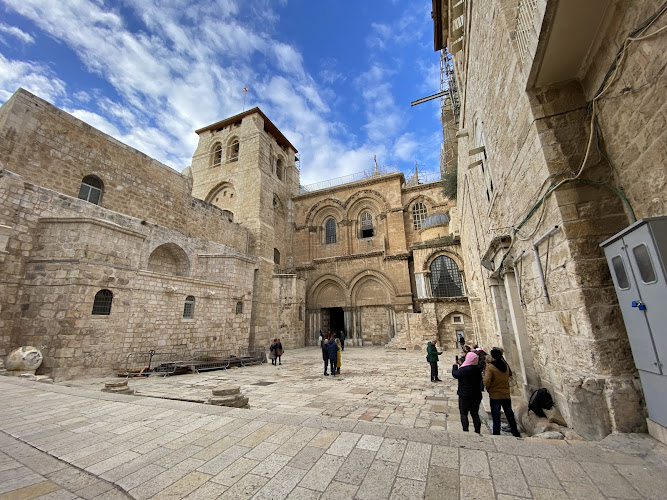
Church of the Holy Sepulchre
About Church of the Holy Sepulchre
Description
The Church of the Holy Sepulchre in Jerusalem is one of those places that can overwhelm you before you even step inside. It’s not just another church or historical landmark—it’s a space layered with centuries of devotion, conflict, rebuilding, and awe. Many Christians believe this is the very site of Jesus’s crucifixion, burial, and resurrection, which makes it one of the most sacred destinations in the world. Even if you’re not religious, the sheer weight of history here is enough to leave you speechless. You’ll see pilgrims from every corner of the globe carrying crosses, whispering prayers, or simply staring in silence at the stone walls that have seen more than 1,600 years of human history.
That said, the church isn’t perfect. It can be crowded, noisy, and at times even chaotic. Some visitors are moved to tears, while others feel overwhelmed by the bustle and the competing religious traditions that share the space. Personally, I found myself torn between the spiritual atmosphere and the touristy side of it—like when you’re trying to reflect but someone’s snapping selfies right next to you. Still, even with its flaws, the Church of the Holy Sepulchre is unlike anywhere else on earth. It’s a place that forces you to slow down, to think about the layers of faith and history, and maybe even to reflect on what sacredness means to you personally.
Key Features
- The Stone of Anointing: Said to be the spot where Jesus’s body was prepared for burial. Pilgrims often kneel, touch, or even press cloths against it.
- The Rotunda and the Edicule: The small structure inside the church believed to house the tomb of Jesus. Expect long lines, but the experience of stepping inside is unforgettable.
- Calvary (Golgotha): An ornate altar marks the traditional site of the crucifixion. The atmosphere here is intense, with people kneeling and praying in hushed voices.
- Ancient Architecture: A patchwork of Byzantine, Crusader, and later additions, giving the church an almost maze-like quality.
- Shared Custodianship: The church is managed by several Christian denominations, each with its own chapels and traditions. This unique arrangement sometimes leads to tension but also highlights the church’s global importance.
- Accessibility: Wheelchair-accessible entrance and basic facilities like restrooms are available, though navigating the interior can be tricky due to uneven stone floors.
Best Time to Visit
If you want a quieter experience, mornings are your best bet—arrive as early as possible, ideally right after the church opens. By mid-morning, the crowds swell, and by afternoon it can feel like you’re in a packed festival rather than a holy site. Easter and Christmas are deeply moving times to visit, but they’re also the busiest, with thousands of pilgrims filling every corner. I once went on a weekday in November, and while it wasn’t empty, it felt manageable, and I could actually pause to soak in the atmosphere without being rushed along. Summers are hot and the narrow streets leading to the church can feel suffocating, so spring and autumn are generally more comfortable seasons for exploring.
How to Get There
The church sits in the Christian Quarter of Jerusalem’s Old City, and getting there is part of the adventure. You’ll wind through narrow cobblestone alleys, passing spice stalls, souvenir shops, and street vendors calling out in a dozen languages. There’s no direct vehicle access, so be prepared to walk the last stretch no matter what. If you’re staying outside the Old City, you can enter through the Jaffa Gate and follow signs or maps—it’s about a 10- to 15-minute walk from there. The path is uneven and can be crowded, so wear comfortable shoes. And honestly, half the fun is getting a little lost in the labyrinth of streets before stumbling into the courtyard of the church.
Tips for Visiting
Visiting the Church of the Holy Sepulchre can be overwhelming, so a few practical tips go a long way:
- Dress modestly: Shoulders and knees covered is a safe bet. Even if you’re not religious, it shows respect.
- Be patient: Lines to see the tomb can stretch for an hour or more. Bring water and prepare to wait.
- Take your time: Don’t just rush to the main sites. Wander into the smaller chapels and side corridors—you’ll find quiet corners where the atmosphere feels more intimate.
- Photography: Allowed in most areas, but be discreet. Flash photography is frowned upon, and honestly, it ruins the ambiance for others.
- Expect crowds: This isn’t the place for solitude. Instead, embrace the shared experience of being among people from all over the world.
- Join a guided tour: If history fascinates you, a guide can help you understand the layers of meaning behind what you’re seeing. Otherwise, it’s easy to miss important details.
- Pause and reflect: Even if you’re not religious, give yourself a few minutes to just stand still and feel the weight of where you are. It’s not every day you get to be in a place that’s been a destination for pilgrims for over 1,600 years.
At the end of the day, the Church of the Holy Sepulchre is messy, beautiful, and unforgettable. It’s not polished like a museum or serene like a quiet chapel—it’s alive, noisy, and layered with centuries of human devotion. And maybe that’s exactly why it leaves such a lasting impression on those who walk through its doors.
Key Features
- Key Features
- Best Time to Visit
- How to Get There
- Tips for Visiting
More Details
Updated October 2, 2025
Table of Contents
Description
The Church of the Holy Sepulchre in Jerusalem is one of those places that can overwhelm you before you even step inside. It’s not just another church or historical landmark—it’s a space layered with centuries of devotion, conflict, rebuilding, and awe. Many Christians believe this is the very site of Jesus’s crucifixion, burial, and resurrection, which makes it one of the most sacred destinations in the world. Even if you’re not religious, the sheer weight of history here is enough to leave you speechless. You’ll see pilgrims from every corner of the globe carrying crosses, whispering prayers, or simply staring in silence at the stone walls that have seen more than 1,600 years of human history.
That said, the church isn’t perfect. It can be crowded, noisy, and at times even chaotic. Some visitors are moved to tears, while others feel overwhelmed by the bustle and the competing religious traditions that share the space. Personally, I found myself torn between the spiritual atmosphere and the touristy side of it—like when you’re trying to reflect but someone’s snapping selfies right next to you. Still, even with its flaws, the Church of the Holy Sepulchre is unlike anywhere else on earth. It’s a place that forces you to slow down, to think about the layers of faith and history, and maybe even to reflect on what sacredness means to you personally.
Key Features
- The Stone of Anointing: Said to be the spot where Jesus’s body was prepared for burial. Pilgrims often kneel, touch, or even press cloths against it.
- The Rotunda and the Edicule: The small structure inside the church believed to house the tomb of Jesus. Expect long lines, but the experience of stepping inside is unforgettable.
- Calvary (Golgotha): An ornate altar marks the traditional site of the crucifixion. The atmosphere here is intense, with people kneeling and praying in hushed voices.
- Ancient Architecture: A patchwork of Byzantine, Crusader, and later additions, giving the church an almost maze-like quality.
- Shared Custodianship: The church is managed by several Christian denominations, each with its own chapels and traditions. This unique arrangement sometimes leads to tension but also highlights the church’s global importance.
- Accessibility: Wheelchair-accessible entrance and basic facilities like restrooms are available, though navigating the interior can be tricky due to uneven stone floors.
Best Time to Visit
If you want a quieter experience, mornings are your best bet—arrive as early as possible, ideally right after the church opens. By mid-morning, the crowds swell, and by afternoon it can feel like you’re in a packed festival rather than a holy site. Easter and Christmas are deeply moving times to visit, but they’re also the busiest, with thousands of pilgrims filling every corner. I once went on a weekday in November, and while it wasn’t empty, it felt manageable, and I could actually pause to soak in the atmosphere without being rushed along. Summers are hot and the narrow streets leading to the church can feel suffocating, so spring and autumn are generally more comfortable seasons for exploring.
How to Get There
The church sits in the Christian Quarter of Jerusalem’s Old City, and getting there is part of the adventure. You’ll wind through narrow cobblestone alleys, passing spice stalls, souvenir shops, and street vendors calling out in a dozen languages. There’s no direct vehicle access, so be prepared to walk the last stretch no matter what. If you’re staying outside the Old City, you can enter through the Jaffa Gate and follow signs or maps—it’s about a 10- to 15-minute walk from there. The path is uneven and can be crowded, so wear comfortable shoes. And honestly, half the fun is getting a little lost in the labyrinth of streets before stumbling into the courtyard of the church.
Tips for Visiting
Visiting the Church of the Holy Sepulchre can be overwhelming, so a few practical tips go a long way:
- Dress modestly: Shoulders and knees covered is a safe bet. Even if you’re not religious, it shows respect.
- Be patient: Lines to see the tomb can stretch for an hour or more. Bring water and prepare to wait.
- Take your time: Don’t just rush to the main sites. Wander into the smaller chapels and side corridors—you’ll find quiet corners where the atmosphere feels more intimate.
- Photography: Allowed in most areas, but be discreet. Flash photography is frowned upon, and honestly, it ruins the ambiance for others.
- Expect crowds: This isn’t the place for solitude. Instead, embrace the shared experience of being among people from all over the world.
- Join a guided tour: If history fascinates you, a guide can help you understand the layers of meaning behind what you’re seeing. Otherwise, it’s easy to miss important details.
- Pause and reflect: Even if you’re not religious, give yourself a few minutes to just stand still and feel the weight of where you are. It’s not every day you get to be in a place that’s been a destination for pilgrims for over 1,600 years.
At the end of the day, the Church of the Holy Sepulchre is messy, beautiful, and unforgettable. It’s not polished like a museum or serene like a quiet chapel—it’s alive, noisy, and layered with centuries of human devotion. And maybe that’s exactly why it leaves such a lasting impression on those who walk through its doors.
Key Highlights
- Key Features
- Best Time to Visit
- How to Get There
- Tips for Visiting
Location
Places to Stay Near Church of the Holy Sepulchre
Find and Book a Tour
Explore More Travel Guides
No reviews found! Be the first to review!
Traveler Reviews for Church of the Holy Sepulchre
There are no reviews yet. Be the first one to write one.
Have you visited Church of the Holy Sepulchre? Help other travelers by sharing your review.
You Might Also Like

Sovev Homot Yerushalayim
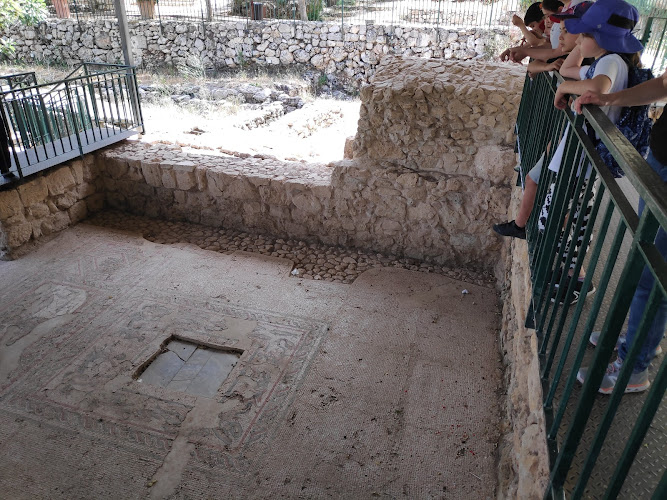
Ein Yael outdoor museum
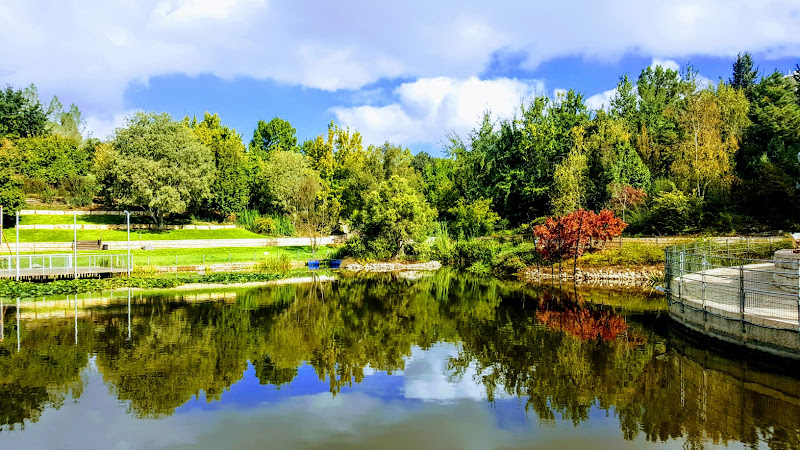
Jerusalem Botanical Gardens
Find Accommodations Nearby
Recommended Tours & Activities
Visitor Reviews
There are no reviews yet. Be the first one to write one.
Share Your Experience
Have you visited Church of the Holy Sepulchre? Help other travelers by leaving a review.