
Chorzów
About Chorzów
Key Features
- Silesian Park (Park Śląski) — one of Europe’s largest urban parks
- Silesian Planetarium and the Silesian Zoological Garden
- Family-friendly amusement park and walking/cycling paths
- Industrial heritage architecture and museum displays
- Close proximity to Katowice and Upper Silesian attractions
More Details
Updated April 16, 2024
Aerial View Of Silesia Park In Chorzow Culture Katowice High Photo …
## Chorzów, Poland: Green Heart of Upper Silesia
Chorzów is one of those places that quietly under-delivers in guidebooks and over-delivers in real life. Sitting in the dense Upper Silesian urban belt next to Katowice, this compact city combines huge green spaces, heavy-industry heritage, and easy access to the wider Silesian region.
For RealJourneyTravels-style travelers, Chorzów works both as a base and as a day-trip: you get fast connections, a massive urban park full of attractions, and a window into the story of modern industrial Poland.
—
## Orientation: Where Is Chorzów and Why Go?
Chorzów lies in southern Poland, in the Silesian Voivodeship, just west of Katowice. It’s one of the central cities of the Metropolis GZM conurbation, a metropolitan area of roughly two million people that merges Katowice, Chorzów, Bytom, Gliwice and other towns into one continuous urban strip.
Key facts (with dates where data matters):
– Region: Upper Silesia, southern Poland
– Population: ~105,600 residents within city limits (as of December 2021)
– Terrain: Silesian Highlands, on the Rawa River, with large parkland and post-industrial zones side by side
– Primary airport: Katowice Airport, serving the wider metropolitan area
You don’t come here for “old-town charm” in the classic Central European sense. You come for:
– Silesian Park – one of Europe’s largest urban parks with a zoo, amusement park, ethnographic museum, and stadium.
– Industrial heritage – headframes, steelworks, and the story of how coal and iron reshaped this part of Europe.
– Easy access to Katowice and the wider region – including worker districts like Nikiszowiec, UNESCO-listed mines, and other Silesian cities.
—
## A Short History: From Village to Industrial Powerhouse
Chorzów’s story is very much the story of Upper Silesia.
– The settlement is first documented in the 13th century; over time, the name appears in various forms such as Chareu and Charzow.
– In the late 18th century, rich coal deposits were discovered. This triggered rapid industrial development: the Royal Coal Mine and Royal Iron Works (Królewska Huta / Königshütte) became some of the earliest large-scale industrial sites on the European continent.
– In the 19th century, the area was under Prussian, then German rule, and grew into a key hub of mining, steel, and chemical production.
– After World War I, the Upper Silesia plebiscite saw a majority of local voters choose to stay in Germany, but after three Silesian uprisings, part of the region – including Chorzów/Königshütte – was awarded to Poland in 1922.
– Between 1934 and 1939, several adjoining towns were merged and the historic name Chorzów was applied to the new city.
The heavy-industry era peaked in the 20th century. Since the 1990s, many older plants have been closed or restructured, with the city shifting toward services while still carrying the skyline of chimneys and headframes.
—
## Silesian Park (Park Śląski): Chorzów’s Giant Back Garden
If you remember only one place from Chorzów, make it Silesian Park.
This massive green space covers roughly 620 hectares on the border of Chorzów, Katowice and Siemianowice Śląskie and is counted among the largest urban parks in Europe.
Within the park you’ll find a cluster of major attractions:
### Silesian Zoo (Śląski Ogród Zoologiczny)
Created in the 1950s by merging smaller zoos from nearby cities into one 50-hectare complex, the Silesian Zoo is one of the park’s headline attractions.
– Focus on exotic species from different continents
– Historic entrance gate reused from the Donnersmarck family palace complex, which adds a layer of local history to the visit
If you’re sensitive to animal welfare, check recent reviews for up-to-date impressions; conditions can change over time, and most detailed information comes from traveler reports rather than official statistics.
### Legendia – Silesian Amusement Park
Formerly known as Silesian Merry Town, Legendia is the oldest amusement park in Poland, built from 1956 onwards on an area of about 39 hectares.
Expect:
– Classic fairground rides alongside modern coasters
– Family-friendly attractions spaced around a central lake
– Strong nostalgia value for Polish visitors who grew up visiting the park
Because ride line-ups and safety policies evolve, check Legendia’s official site or recent traveler feedback before planning your day – especially for height restrictions and seasonal closures.
### Stadion Śląski (Silesian Stadium)
The Silesian Stadium is one of Poland’s largest and historically most important stadiums. It has hosted major football matches, concerts, and national events, and remains a key landmark in Chorzów’s skyline.
Even if you’re not catching a game, it’s worth walking around the exterior when exploring the park’s paths.
### Planetarium, Ethnographic Park & More
Other notable Silesian Park stops:
– Planetarium and Astronomical Observatory – classic domed planetarium with educational shows (programming may vary; schedules and languages change over time).
– Upper Silesian Ethnographic Park – an open-air museum with historic rural architecture from the region (farmsteads, wooden churches, and other buildings).
– Rose Garden – roughly 7 hectares with hundreds of rose varieties; best in late spring to mid-summer.
If you’re skimming this article, jump down to the Practical Travel Tips section for logistics on how to structure a full day around the park.
—
## Beyond the Park: City, Culture and Industrial Heritage
### City Centre & Churches
Chorzów’s center is compact, with late-19th and early-20th-century architecture reflecting its boom years. You’ll find:
– Tenement streets with a slightly gritty, lived-in feel rather than polished postcard facades
– Historic churches such as St Hedwig’s and St Mary Magdalene’s, which anchor older neighborhoods and reflect the city’s religious heritage
It’s a good area to wander for an hour or two, especially if you enjoy photographing contrasts between restored buildings and industrial remnants.
### Industrial Landmarks
The city’s economy was built on coal, steel, power generation and chemicals, with plants like Huta Batory, Huta Kościuszko, and the Chorzów Power Station playing central roles in the Upper Silesian industrial area.
Many sites are still active industrial facilities rather than formal tourist attractions, so:
– Expect limited access – usually outside-only views
– Follow local safety rules and avoid entering private or hazardous areas
– Focus on photographing headframes, chimneys and old brick buildings from public streets or signed viewing points
For a deeper narrative on Silesian industry, you can pair your Chorzów visit with a side trip to one of the region’s curated industrial museums (often located in nearby cities rather than Chorzów itself).
—
## Nature Reserves and Local Green Spaces
Besides Silesian Park, Chorzów has several protected nature areas:
– Żabie Doły – a nature-landscape protected area of ponds and wetlands at the border with Bytom and Piekary Śląskie, significant for birdlife and post-industrial land rehabilitation.
– Uroczysko Buczyna – beech woodland on the border with Katowice and Ruda Śląska.
– Amelung – a water-filled former mining site now used as an aquatic recreation area.
These spots are especially interesting if you’re curious about how post-industrial landscapes are being rewilded in Central Europe.
—
## Eating & Drinking: What to Look For
Chorzów shares much of its food culture with the wider Silesian region. While individual restaurant line-ups change too frequently to list specific venues accurately, you can look for:
– Silesian classics such as rolled beef with dumplings and red cabbage, or hearty soups
– Contemporary spots around the city center and near Silesian Park, which often blend Polish dishes with international comfort food
– Casual bars and bakeries catering to locals, especially along main tram routes
Vegetarian and vegan options have been growing across urban Poland in recent years, but availability varies by venue. If plant-based food is important to you, check recent online reviews or menus before committing to a sit-down meal.
—
## Getting To and Around Chorzów
### Arriving in the Region
– By air: The closest major airport is Katowice Airport, which serves both low-cost and full-service carriers for domestic and international flights.
– By rail/bus: Katowice is a major transport hub with direct trains and buses from cities like Warsaw, Kraków, Wrocław, and beyond. From there, Chorzów is effectively a short hop.
### Katowice–Chorzów Connections
Distances within the GZM metropolis are small. From central Katowice to Chorzów:
– Bus: Rome2Rio data indicates that a local bus such as the 918 can make the trip in roughly 10 minutes under typical conditions, with a modest local fare.
– Train: Regional trains run between Katowice and Chorzów Batory in around 14 minutes, generally at lower fares than long-distance trains.
Fares and route numbers can change; always cross-check with the current local transit planner or Metropolis GZM/ZTM site before travel.
### Local Transport: Trams, Buses and Bikes
Chorzów is integrated into the Silesian Interurban tram system, one of the largest streetcar networks in the world by length, continuously operating since the late 19th century. Lines run through multiple neighboring cities, making it easy to move around the wider urban area without a car.
Public transport highlights:
– Trams + buses: Dense network across Chorzów, Katowice and adjacent cities
– MetroBike: A metropolitan bike-sharing system with hundreds of stations and thousands of bikes across the area, using time-based pricing (short rides are comparatively cheap; longer rentals escalate in cost).
Table of Contents
Key Highlights
- Silesian Park (Park Śląski) — one of Europe’s largest urban parks
- Silesian Planetarium and the Silesian Zoological Garden
- Family-friendly amusement park and walking/cycling paths
- Industrial heritage architecture and museum displays
- Close proximity to Katowice and Upper Silesian attractions
Location
Places to Stay Near Chorzów
Find and Book a Tour
Explore More Travel Guides
No reviews found! Be the first to review!
Traveler Reviews for Chorzów
There are no reviews yet. Be the first one to write one.
Have you visited Chorzów? Help other travelers by sharing your review.
Nearby Attractions
You Might Also Like
Culture and Leisure Park
Kosciuszko Park
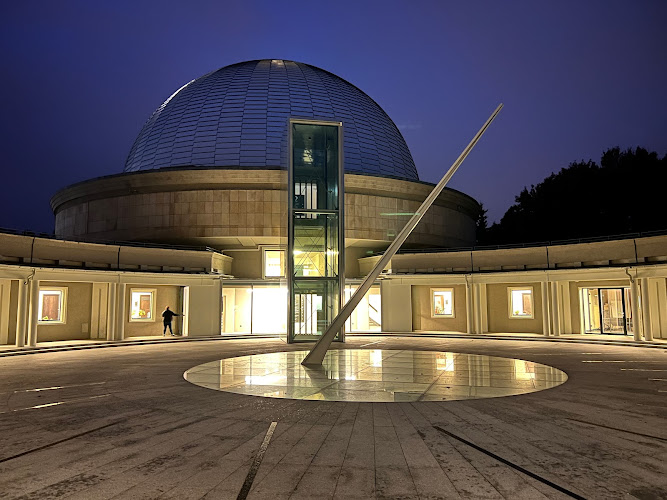
Planetarium Śląskie
Find Accommodations Nearby
Recommended Tours & Activities
Visitor Reviews
There are no reviews yet. Be the first one to write one.
Share Your Experience
Have you visited Chorzów? Help other travelers by leaving a review.