

Chobhar Gate Buddha Stupa Kirtipur
About Chobhar Gate Buddha Stupa Kirtipur
Description
Set on a scenic ridge southwest of Kathmandu, the Chobhar Gate Buddha Stupa in Kirtipur quietly draws travelers, day-trippers, and the odd spiritual seeker away from the usual tourist grind. It's a Buddhist temple, yes, but also a kind of peaceful anchor in a region renowned for ancient legends and storied hill towns. Now, if you’ve ever felt that Kathmandu’s big-name stupas are, well, a bit too crowded or commercial for your taste, this serene spot might just be your new favorite corner in Nepal.
From the first steps past the gate, there’s a sense you’re entering hallowed ground—without the overwhelming scale of larger stupas. The air feels a tad fresher here; I swear, sometimes you can just stand and let the wind and chimes ferry your thoughts far away from the city’s noise. That’s precisely the charm: Chobhar Gate Buddha Stupa offers a timeless tranquility that many seasoned travelers crave but rarely find in popular hotspots.
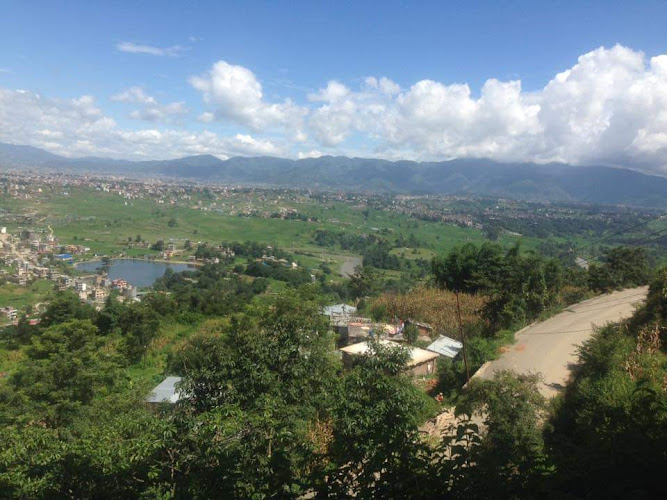
The stupa itself radiates a calm, genuine energy—years of devotion seem layered into its every stone. You’ll typically spot local devotees circumambulating, prayer wheels turning in a hypnotic rhythm, and the distant echo of a temple bell. Not to get poetic, but this is the kind of place that nudges you to slow down, maybe plop on a stone ledge, and just be. The temple’s location also means the views are first-rate: Kirtipur’s rolling green and Kathmandu Valley’s skyline almost compete for attention in the background. Even if you’re not the spiritual sort, the ambiance is grounding, somehow reminding you what slow travel is all about.
For anyone curious, there’s a restroom on-site (I know, occasionally a crucial detail for travel planners!). Yet, in all honesty, the true amenities lie in the total experience—moments of stillness, a walk among fluttering prayer flags, and that lovely feeling of stepping a little outside time. Locals tend to be welcoming but mostly let visitors have their own space. It’s relaxed, with just enough activity to feel alive, but not too busy. That balance, in my opinion, is rare and special.
Key Features
- Distinctive Buddhist stupa structure—smaller and more intimate than most Kathmandu Valley stupas.
- Scenic panoramic views across Kirtipur and the hills beyond (great spot for travelers who soak up landscapes).
- Tranquil environment—ideal for meditation, photography, or quiet contemplation.
- Authentic local experience with fewer tourists and more interactions with local worshippers.
- Colorful lines of prayer flags fluttering in the breeze, creating epic photo ops, especially during early morning or late afternoon light.
- Prayer wheels and traditional Buddhist iconography scattered throughout the site for those who love a visual feast.
- On-site restroom, a simple but significant boon if you’re making a day trip.
- Proximity to Chobhar Gorge and Kirtipur’s historic old town—a bonus for travelers with a soft spot for fascinating side trips.
Best Time to Visit
Let me be totally upfront: there’s never truly a bad time to swing by the Chobhar Gate Buddha Stupa, but some months do roll out the red carpet more than others. If you ask me, March to May has some of the finest weather Nepal has to offer. The springtime blooms set off the temple’s setting, and the valley’s haze is minimal—ideal for that crisp, Instagram-worthy pano shot. Not a selfie-taker? You still get clear views and sweet-smelling air, often with just a handful of other visitors around.
On the flip side, post-monsoon (late September through November) serves similar perks. Freshly washed hills, sky so blue you’ll want to bottle it, and festive season energy seeping through the valley—this is classic Kirtipur ambiance. Take it from someone who’s made the soggy mistake of visiting Nepali sacred sites smack in the middle of monsoon rains: while everything does get gorgeously green, you’ll want to bring a raincoat and some patience (and probably an extra pair of socks).
Here’s a quick cheat sheet: Early morning or late afternoon visits = golden sunlight + soft shadows = magical atmosphere. Also, holy festival days like Buddha Jayanti (usually in April/May) are vibrant—but can get a little busier than usual. I’m partial to quiet weekday mornings; it’s when the true calm of the place really sings.
How to Get There
Right, getting to Chobhar Gate Buddha Stupa isn’t rocket science, but it’s got its quirks. If you’re starting from central Kathmandu, taxi rides are the easiest option; the journey typically clocks in under 30 minutes (depending on the city’s notorious traffic, of course). Ask your driver to take you toward Kirtipur and Chobhar—folks here know the stupa well, and road signs appear as you near the ridge.
For more budget-minded travelers or those wanting a local experience, hop on one of the microbuses or city buses heading south from Kathmandu. They’ll drop you at Kirtipur, but be ready for some walking. I did this route last time just for the fun of mingling (and the thrill of wondering if I’d missed my stop, classic Nepali public transport experience). From Kirtipur’s main junction, it’s a scenic 20-30 minute walk—uphill in stretches, but totally doable if you’re reasonably fit and fond of a good trek. You’ll ramble past little tea shops and cluster houses, which add layers to the journey.
For the genuinely adventurous: rent a mountain bike in Kathmandu and make it a morning ride through the back roads. The terrain keeps you honest, but the views are so worth the effort. As always in Nepal, check with locals if you’re unsure which fork to take—they’ve never steered me wrong, not once.
Tips for Visiting
- Bring local currency: There’s almost nowhere to swipe a card (or flash your phone for Google Pay)—so carry cash for offerings or those impromptu snacks at corner stalls.
- Dress with respect: Modesty isn’t just appreciated, it’s expected—covering knees and shoulders will make you feel more comfortable and welcomed by locals.
- Stay hydrated: The walk up can be surprisingly exerting. Carry a reusable water bottle; the air is drier here than you’d expect, even outside winter.
- Mind the prayer rituals: Pay attention to where devotees are circling and spinning prayer wheels—walk clockwise around the stupa to show respect.
- Photography etiquette: Snapping photos is generally a non-issue, but don’t interrupt prayers. Sometimes, a smile and a nod will get you that perfect candid shot without fuss.
- Seek out the local cafes: Take a detour to a tea shop after your visit. I once lingered over milky Nepali tea, listening to old timers tell folktales about the Gorge nearby. Moments you just can’t bake into a strict itinerary.
- If traveling during monsoon: Don’t underestimate slippery paths. Bring a rain jacket, sturdy walking shoes, and a sense of adventure. Mud doesn’t stand a chance against good humor.
- Go slow, stay curious: Often, the best stories and surprises happen when you pause and strike up a gentle chat with locals—it’s how I discovered Chobhar’s lesser-known legends.
- Restroom rave: There’s a clean restroom on-site—a small but mighty advantage, trust me, after a hillside stroll or a lengthy microbus ride.
- Combine your visit: If you’re in no rush, loop in Chobhar Gorge or wander to Kirtipur’s sleepy backstreets. The stupa is part of a web of discoveries, and sometimes the journey itself becomes the memory that sticks.
In a nutshell? Chobhar Gate Buddha Stupa isn’t about big crowds or showy grandeur—it’s a pocket of quiet, local rhythm, and lived heritage in a region few travelers deeply explore. If you crave those truly memorable, off-the-trail experiences, pin this spot to your Kirtipur plans. Who knows, maybe you’ll linger longer than you meant to. Happened to me, and I’m not mad about it.
Key Features
- Distinctive Buddhist stupa structure—smaller and more intimate than most Kathmandu Valley stupas.
- Scenic panoramic views across Kirtipur and the hills beyond (great spot for travelers who soak up landscapes).
- Tranquil environment—ideal for meditation, photography, or quiet contemplation.
- Authentic local experience with fewer tourists and more interactions with local worshippers.
- Colorful lines of prayer flags fluttering in the breeze, creating epic photo ops, especially during early morning or late afternoon light.
- Prayer wheels and traditional Buddhist iconography scattered throughout the site for those who love a visual feast.
- On-site restroom, a simple but significant boon if you’re making a day trip.
- Proximity to Chobhar Gorge and Kirtipur’s historic old town—a bonus for travelers with a soft spot for fascinating side trips.
More Details
Updated July 5, 2025
Table of Contents
- Description
- Key Features
- Best Time to Visit
- How to Get There
- Tips for Visiting
- Key Highlights
- Location
- Places to Stay Near Chobhar Gate Buddha Stupa Kirtipur
- Find and Book a Tour
- Explore More Travel Guides
- Nearby Places You Might Like
- Traveler Reviews for Chobhar Gate Buddha Stupa Kirtipur
- Share Your Experience
Description
Set on a scenic ridge southwest of Kathmandu, the Chobhar Gate Buddha Stupa in Kirtipur quietly draws travelers, day-trippers, and the odd spiritual seeker away from the usual tourist grind. It’s a Buddhist temple, yes, but also a kind of peaceful anchor in a region renowned for ancient legends and storied hill towns. Now, if you’ve ever felt that Kathmandu’s big-name stupas are, well, a bit too crowded or commercial for your taste, this serene spot might just be your new favorite corner in Nepal.
From the first steps past the gate, there’s a sense you’re entering hallowed ground—without the overwhelming scale of larger stupas. The air feels a tad fresher here; I swear, sometimes you can just stand and let the wind and chimes ferry your thoughts far away from the city’s noise. That’s precisely the charm: Chobhar Gate Buddha Stupa offers a timeless tranquility that many seasoned travelers crave but rarely find in popular hotspots.
The stupa itself radiates a calm, genuine energy—years of devotion seem layered into its every stone. You’ll typically spot local devotees circumambulating, prayer wheels turning in a hypnotic rhythm, and the distant echo of a temple bell. Not to get poetic, but this is the kind of place that nudges you to slow down, maybe plop on a stone ledge, and just be. The temple’s location also means the views are first-rate: Kirtipur’s rolling green and Kathmandu Valley’s skyline almost compete for attention in the background. Even if you’re not the spiritual sort, the ambiance is grounding, somehow reminding you what slow travel is all about.
For anyone curious, there’s a restroom on-site (I know, occasionally a crucial detail for travel planners!). Yet, in all honesty, the true amenities lie in the total experience—moments of stillness, a walk among fluttering prayer flags, and that lovely feeling of stepping a little outside time. Locals tend to be welcoming but mostly let visitors have their own space. It’s relaxed, with just enough activity to feel alive, but not too busy. That balance, in my opinion, is rare and special.
Key Features
- Distinctive Buddhist stupa structure—smaller and more intimate than most Kathmandu Valley stupas.
- Scenic panoramic views across Kirtipur and the hills beyond (great spot for travelers who soak up landscapes).
- Tranquil environment—ideal for meditation, photography, or quiet contemplation.
- Authentic local experience with fewer tourists and more interactions with local worshippers.
- Colorful lines of prayer flags fluttering in the breeze, creating epic photo ops, especially during early morning or late afternoon light.
- Prayer wheels and traditional Buddhist iconography scattered throughout the site for those who love a visual feast.
- On-site restroom, a simple but significant boon if you’re making a day trip.
- Proximity to Chobhar Gorge and Kirtipur’s historic old town—a bonus for travelers with a soft spot for fascinating side trips.
Best Time to Visit
Let me be totally upfront: there’s never truly a bad time to swing by the Chobhar Gate Buddha Stupa, but some months do roll out the red carpet more than others. If you ask me, March to May has some of the finest weather Nepal has to offer. The springtime blooms set off the temple’s setting, and the valley’s haze is minimal—ideal for that crisp, Instagram-worthy pano shot. Not a selfie-taker? You still get clear views and sweet-smelling air, often with just a handful of other visitors around.
On the flip side, post-monsoon (late September through November) serves similar perks. Freshly washed hills, sky so blue you’ll want to bottle it, and festive season energy seeping through the valley—this is classic Kirtipur ambiance. Take it from someone who’s made the soggy mistake of visiting Nepali sacred sites smack in the middle of monsoon rains: while everything does get gorgeously green, you’ll want to bring a raincoat and some patience (and probably an extra pair of socks).
Here’s a quick cheat sheet: Early morning or late afternoon visits = golden sunlight + soft shadows = magical atmosphere. Also, holy festival days like Buddha Jayanti (usually in April/May) are vibrant—but can get a little busier than usual. I’m partial to quiet weekday mornings; it’s when the true calm of the place really sings.
How to Get There
Right, getting to Chobhar Gate Buddha Stupa isn’t rocket science, but it’s got its quirks. If you’re starting from central Kathmandu, taxi rides are the easiest option; the journey typically clocks in under 30 minutes (depending on the city’s notorious traffic, of course). Ask your driver to take you toward Kirtipur and Chobhar—folks here know the stupa well, and road signs appear as you near the ridge.
For more budget-minded travelers or those wanting a local experience, hop on one of the microbuses or city buses heading south from Kathmandu. They’ll drop you at Kirtipur, but be ready for some walking. I did this route last time just for the fun of mingling (and the thrill of wondering if I’d missed my stop, classic Nepali public transport experience). From Kirtipur’s main junction, it’s a scenic 20-30 minute walk—uphill in stretches, but totally doable if you’re reasonably fit and fond of a good trek. You’ll ramble past little tea shops and cluster houses, which add layers to the journey.
For the genuinely adventurous: rent a mountain bike in Kathmandu and make it a morning ride through the back roads. The terrain keeps you honest, but the views are so worth the effort. As always in Nepal, check with locals if you’re unsure which fork to take—they’ve never steered me wrong, not once.
Tips for Visiting
- Bring local currency: There’s almost nowhere to swipe a card (or flash your phone for Google Pay)—so carry cash for offerings or those impromptu snacks at corner stalls.
- Dress with respect: Modesty isn’t just appreciated, it’s expected—covering knees and shoulders will make you feel more comfortable and welcomed by locals.
- Stay hydrated: The walk up can be surprisingly exerting. Carry a reusable water bottle; the air is drier here than you’d expect, even outside winter.
- Mind the prayer rituals: Pay attention to where devotees are circling and spinning prayer wheels—walk clockwise around the stupa to show respect.
- Photography etiquette: Snapping photos is generally a non-issue, but don’t interrupt prayers. Sometimes, a smile and a nod will get you that perfect candid shot without fuss.
- Seek out the local cafes: Take a detour to a tea shop after your visit. I once lingered over milky Nepali tea, listening to old timers tell folktales about the Gorge nearby. Moments you just can’t bake into a strict itinerary.
- If traveling during monsoon: Don’t underestimate slippery paths. Bring a rain jacket, sturdy walking shoes, and a sense of adventure. Mud doesn’t stand a chance against good humor.
- Go slow, stay curious: Often, the best stories and surprises happen when you pause and strike up a gentle chat with locals—it’s how I discovered Chobhar’s lesser-known legends.
- Restroom rave: There’s a clean restroom on-site—a small but mighty advantage, trust me, after a hillside stroll or a lengthy microbus ride.
- Combine your visit: If you’re in no rush, loop in Chobhar Gorge or wander to Kirtipur’s sleepy backstreets. The stupa is part of a web of discoveries, and sometimes the journey itself becomes the memory that sticks.
In a nutshell? Chobhar Gate Buddha Stupa isn’t about big crowds or showy grandeur—it’s a pocket of quiet, local rhythm, and lived heritage in a region few travelers deeply explore. If you crave those truly memorable, off-the-trail experiences, pin this spot to your Kirtipur plans. Who knows, maybe you’ll linger longer than you meant to. Happened to me, and I’m not mad about it.
Key Highlights
- Distinctive Buddhist stupa structure—smaller and more intimate than most Kathmandu Valley stupas.
- Scenic panoramic views across Kirtipur and the hills beyond (great spot for travelers who soak up landscapes).
- Tranquil environment—ideal for meditation, photography, or quiet contemplation.
- Authentic local experience with fewer tourists and more interactions with local worshippers.
- Colorful lines of prayer flags fluttering in the breeze, creating epic photo ops, especially during early morning or late afternoon light.
- Prayer wheels and traditional Buddhist iconography scattered throughout the site for those who love a visual feast.
- On-site restroom, a simple but significant boon if you’re making a day trip.
- Proximity to Chobhar Gorge and Kirtipur’s historic old town—a bonus for travelers with a soft spot for fascinating side trips.
Location
Places to Stay Near Chobhar Gate Buddha Stupa Kirtipur
Find and Book a Tour
Explore More Travel Guides
No reviews found! Be the first to review!
Traveler Reviews for Chobhar Gate Buddha Stupa Kirtipur
There are no reviews yet. Be the first one to write one.
Have you visited Chobhar Gate Buddha Stupa Kirtipur? Help other travelers by sharing your review.
You Might Also Like

Jal Binayak Temple ( Kwoyena Ganedyo)

मञ्जुश्री पार्क Manjushree Park
Chovar sunset view point
Find Accommodations Nearby
Recommended Tours & Activities
Visitor Reviews
There are no reviews yet. Be the first one to write one.
Share Your Experience
Have you visited Chobhar Gate Buddha Stupa Kirtipur? Help other travelers by leaving a review.