
Chinatown Kuala Lumpur
About Chinatown Kuala Lumpur
Key Features
- Petaling Street night market with food stalls and bargain shopping
- Close proximity to Central Market (Pasar Seni) and Pasar Seni LRT
- Historic shophouses and clan associations reflecting Chinese-Malaysian heritage
- Sri Mahamariamman Temple and other cultural landmarks
- Street art, boutique cafes and a growing creative scene
More Details
Updated April 15, 2024
Chinatown Kuala Lumpur sits in the heart of the city around Jalan Petaling, a short walk from Central Market and Pasar Seni LRT. It’s often reduced to “just a market” or, as one reviewer put it, “not much thing to do.” In reality, what you get out of Petaling Street depends entirely on when you go, what you’re looking for, and how prepared you are.
This guide walks through what’s actually there today, how to dodge the worst of the crowds and fakes, and how to turn a quick stop into a worthwhile half-day in Kuala Lumpur’s historic Chinese quarter.
> Location at a glance
> • Area: Jalan Petaling, City Centre, Kuala Lumpur
> • Coordinates: 3.1451885, 101.6974796
> • Near: Central Market, Pasar Seni LRT & MRT, Masjid Jamek area
—
## What Chinatown Kuala Lumpur Really Is (and Isn’t)
Chinatown KL is built around Jalan Petaling, a covered pedestrian street lined with stalls selling souvenirs, imitation branded goods, clothing, electronics, and an increasing number of cafés and small hostels. The wider neighborhood includes several important Chinese temples, traditional medicine shops, and long-running kopitiams (coffee shops).
If you arrive expecting a quiet heritage district, it can feel disappointing. If you treat it as:
– a night market + street-food corridor,
– a base for budget accommodation, and
– a gateway to KL’s early Chinese history,
it becomes much more interesting.
—
## When to Visit: Timing Makes or Breaks It
### Day vs Night
– Daytime (10:00–16:00)
Stalls are open but the atmosphere is subdued. Good for photography, slower browsing, and visiting temples without crowds.
– Late afternoon to evening (17:00–22:00+)
This is the classic Petaling Street night market feel: stalls spill out, red lanterns glow, and food vendors get busy. It’s more chaotic but also more fun if you enjoy markets and haggling.
### Best days of the week
There’s trade every day, but weekend evenings are the liveliest. If you dislike shoulder-to-shoulder crowds, target Monday–Thursday early evenings instead.
> Tip: KL heat is intense and humidity high. Aim for late afternoon or after sunset and factor in indoor breaks at Central Market or nearby air-conditioned cafés.
—
## Getting to Chinatown Kuala Lumpur
Chinatown is straightforward to reach on public transport:
– LRT / MRT Pasar Seni Station
Just a few minutes’ walk along Jalan Sultan to Petaling Street. This is the most convenient option for most visitors.
– Masjid Jamek LRT Station
Around 10–15 minutes on foot through the old city core.
– From KL Sentral
One stop on the LRT to Pasar Seni, then walk.
Taxis and ride-hailing apps (Grab, AirAsia Ride) also know “Petaling Street” or “Chinatown” immediately. Just double-check the drop-off point to avoid being left on a busy main road.
—
## Highlights of Chinatown Kuala Lumpur
### 1. Petaling Street Market
Petaling Street is the spine of Chinatown. Expect:
– Stalls stacked with goods – handbags, wallets, sportswear, watches, phone accessories, souvenirs, and toys. Many branded items are imitations; if the price is suspiciously low, assume it’s not genuine.
– Food corners – noodle stalls, roasted chestnuts, fruit juices, herbal drinks, and Chinese-style desserts tucked between the stalls.
– Covered walkway – the distinctive green-roofed arch marks the entrance, with a long canopy shielding you from sun and rain.
How to make it worthwhile:
– Treat it as a sensory walk, not a serious shopping mission.
– Decide your “yes list” in advance: e.g., inexpensive T-shirts, chopsticks, fridge magnets, or lanterns.
– If you dislike bargaining or counterfeit goods, focus instead on food and side streets.
—
### 2. Temples and Traditions Around the Market
The most rewarding part of KL’s Chinatown is just off the main drag, where you can still see traces of the area’s 19th-century Chinese community.
Without naming every shrine, here’s how to experience them respectfully:
– Look for Chinese temple roofs and incense smoke along parallel streets like Jalan Tun H.S. Lee and Jalan Sultan. Several long-established temples here serve different Chinese Buddhist and Taoist communities.
– Step in quietly, dress modestly (shoulders and knees covered is a good baseline), and avoid flash photography near people praying.
– Small donations help support temple upkeep; many have contribution boxes near the entrance.
These stops give context to Petaling Street: this was once a working community built around tin-mining wealth and clan associations, not just a tourist market.
—
### 3. Food: From Hawker Stalls to Hip Cafés
Chinatown is one of the most accessible food areas in Kuala Lumpur, especially if you’re staying nearby without easy access to malls or hawker centres further out.
You’ll typically find:
– Chinese-Malay classics – wantan mee, char kuey teow, Hokkien mee, chee cheong fun.
– Dim sum and roast meats – from simple rice-and-roast-duck shops to brighter modern eateries.
– Local snacks – kaya toast, egg tarts, sesame balls, peanut pancakes.
– Coffee culture – old-school kopitiams pouring thick local coffee alongside newer speciality cafés and Instagram-oriented spots.
If you have dietary restrictions:
– Halal options exist but are limited on some streets, as many stalls use pork or lard. Look for clearly marked halal restaurants or opt for vegetarian Indian eateries a short walk away in nearby areas of the city centre.
– Vegetarian / vegan dishes can be found at a few Chinese vegetarian places or by building meals around tofu, vegetables, and rice, but choice is narrower than in some other KL neighborhoods.
When in doubt, ask vendors about ingredients – most are used to visitors and can tell you if dishes contain pork, shellfish, or nuts.
—
### 4. Street Photography and Night Atmosphere
Chinatown is one of KL’s more photogenic areas at night:
– Lanterns and signboards throw warm light over the stalls.
– Neon and LED signs from shops and budget hotels create layered city scenes.
– Side alleys offer glimpses of older shophouses, some restored, others visibly worn.
If you enjoy photography:
– Use a cross-body bag and keep valuables in front.
– Avoid blocking stall entrances while composing shots.
– Ask if you want to photograph a specific person or their stall setup; many will say yes if you buy something or show interest.
—
## Common Complaints (and How to Avoid Them)
The “Not much thing to do” sentiment usually comes from a specific pattern: arriving in midday heat, walking one lap through Petaling Street, being hassled to buy imitation goods, and leaving.
Here’s how to sidestep that:
### 1. “It’s all fakes and pushy sellers”
– Stick to clearly unbranded items or souvenirs that don’t rely on logos.
– If you’re not interested, a simple “No, thank you” and continuing to walk works better than engaging in long conversations.
– Don’t feel pressured to buy after asking a price; bargaining is expected, but walking away is normal.
### 2. “Too crowded and chaotic”
– Visit earlier in the day or on weeknights if you’re crowd-averse.
– Use the parallel streets as pressure valves – you can loop off Petaling Street, catch your breath at a café, then re-enter further down.
### 3. “Nothing cultural here”
The heritage and religious life of Chinatown now live mostly in:
– the temples and clan houses,
– the older food businesses, and
– the architecture of the shophouses.
If you only stay under the Petaling Street canopy, you miss most of this. Build at least an hour into your visit just for wandering the side streets.
—
## Safety, Scams, and Practical Tips
Kuala Lumpur is generally safe to explore, but busy market areas come with the usual caveats:
– Pickpocketing:
Keep phones and wallets zipped or in front pockets. Avoid carrying passports or all your cash here.
– Pricing and bargaining:
Initial prices can be high. If you want something, start at about 40–50% of the first quote and work up. If you’re uncomfortable bargaining, you’ll find fixed-price shops in nearby Central Market instead.
– Counterfeit goods:
Branded bags, shoes, and electronics on Petaling Street are usually not genuine. Buying and importing counterfeit goods can cause issues at customs in some countries; it’s safest to treat them as short-term souvenirs, if at all.
– Heat, rain, and air quality:
Even with the covered street, KL’s humidity can be draining. Carry water, wear light clothing, and factor in indoor breaks. During periods of regional haze, sensitive travellers might prefer shorter visits or a mask.
Inclusivity note: KL’s central areas, including Chinatown, see visitors of many backgrounds. Solo travellers, women, and LGBTQ+ visitors generally report feeling safe in public spaces when following standard big-city precautions, though public displays of affection may draw attention in some contexts.
—
## How Long to Spend in Chinatown KL?
– Quick taste: 1–2 hours
– Walk through Petaling Street
– Grab a snack or simple meal
– Pop into one nearby temple
– Deeper dive: Half day
– Morning or late afternoon temple visits
– Coffee and people-watching in a kopitiam or café
– Evening market and dinner
– Combined with Central Market and the riverside area near Masjid Jamek
If you’re short on time in Kuala Lumpur, Chinatown works well paired with a structured city highlights itinerary starting or ending here. (On RealJourneyTravels, this would naturally connect with a broader Kuala Lumpur one-day itinerary or KL food guide for readers planning their route.)
—
## Where Chinatown Fits in a Kuala Lumpur Trip
Think of Chinatown as:
– a central, budget-friendly base – many hostels and guesthouses are here or nearby;
– a starter zone for KL’s food culture, especially if you’re new to Malaysian Chinese dishes;
– a night-market experience if you can’t get to some of the larger suburban pasar malam.
Table of Contents
Key Highlights
- Petaling Street night market with food stalls and bargain shopping
- Close proximity to Central Market (Pasar Seni) and Pasar Seni LRT
- Historic shophouses and clan associations reflecting Chinese-Malaysian heritage
- Sri Mahamariamman Temple and other cultural landmarks
- Street art, boutique cafes and a growing creative scene
Location
Places to Stay Near Chinatown Kuala Lumpur"Not much thing to do."
Find and Book a Tour
Explore More Travel Guides
No reviews found! Be the first to review!
Traveler Reviews for Chinatown Kuala Lumpur
There are no reviews yet. Be the first one to write one.
Have you visited Chinatown Kuala Lumpur? Help other travelers by sharing your review.
Nearby Attractions
You Might Also Like
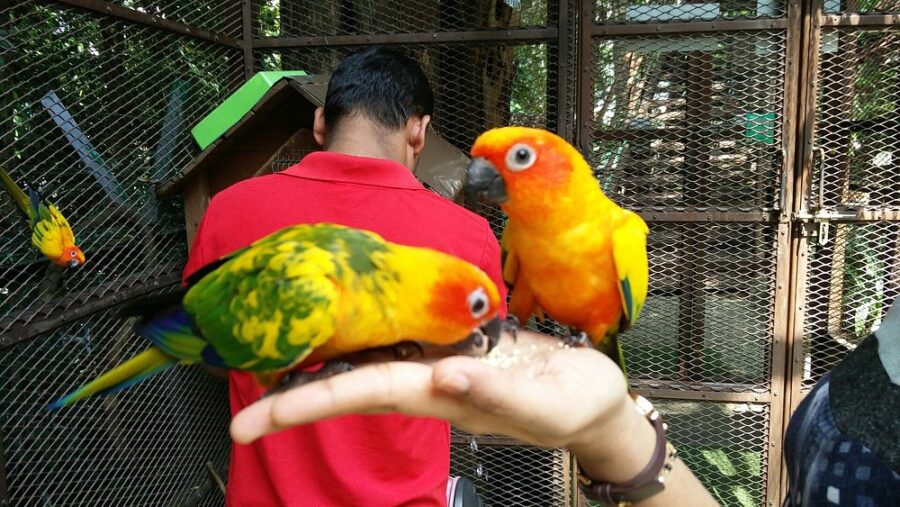
KL Tower Mini Zoo
Aquaria KLCC
Menara Kuala Lumpur
Find Accommodations Nearby
Recommended Tours & Activities
Visitor Reviews
There are no reviews yet. Be the first one to write one.
Share Your Experience
Have you visited Chinatown Kuala Lumpur? Help other travelers by leaving a review.