

China Camp Museum
About China Camp Museum
Description
The China Camp Museum is a small but deeply meaningful stop for anyone curious about California’s layered history. Tucked inside China Camp State Park, this museum tells the story of the Chinese-American fishing village that once thrived on these shores. It’s not the kind of museum where you walk through endless halls of artifacts behind glass; instead, it feels personal, almost like stepping into someone’s memory. The displays are simple but heartfelt, with old photographs, fishing tools, and carefully preserved relics that give you a glimpse into the daily lives of the Chinese immigrants who built a community here against the odds.
What makes the place stand out is how raw and real it feels. You don’t get the sense that things have been overly polished or commercialized. Instead, it’s honest and humble, which in my opinion makes it all the more powerful. It’s the kind of place where you can slow down, read a few stories, and actually feel the weight of history rather than just skimming through it. Some folks might say it’s small or doesn’t have enough to see, but I’d argue that’s part of its charm. It’s not overwhelming, and you can actually absorb what’s in front of you without rushing. And if you’re traveling with kids, it’s approachable enough that they won’t get bored, but still educational in the best way.
Accessibility is another plus. The entrance, parking, and restrooms are all wheelchair-friendly, which isn’t always the case in historic sites like this. There aren’t restaurants on-site, so you’ll want to plan ahead for food, but restrooms are available, which is always a relief when you’re out exploring. All in all, the China Camp Museum isn’t about flashy exhibits—it’s about stories, resilience, and remembering a community that left a lasting mark on California’s cultural landscape.
Key Features
- Historic exhibits showcasing the life of Chinese-American fishing families
- Authentic artifacts, tools, and photographs from the late 19th and early 20th centuries
- Scenic location within China Camp State Park, offering both cultural and natural experiences
- Wheelchair accessible entrance, parking, and restrooms
- Kid-friendly environment that makes history approachable for younger visitors
- Peaceful, uncrowded atmosphere compared to larger tourist-heavy museums
- Opportunities to learn about the shrimp fishing industry and its role in California history
Best Time to Visit
If you ask me, the best time to visit the China Camp Museum is during spring or fall. The weather around the Bay Area can be unpredictable, but these seasons usually offer comfortable temperatures for wandering both inside the museum and around the park. Summer is nice too, but it can get a little hot and dry, and weekends tend to bring in more visitors. Winter has its own charm—cooler air, fewer people—but you’ll want to bundle up if you plan to explore the park trails after your museum stop.
Personally, I recommend going in the morning. There’s something about the light over the bay at that time that makes the whole experience feel more immersive. Plus, you’ll likely beat the small crowds that do come through later in the day. And if you’re the type who enjoys photography, the softer light makes for better shots of both the museum and the surrounding landscape.
How to Get There
Reaching the China Camp Museum is fairly straightforward if you’re already in the San Francisco Bay Area. The drive takes you through winding roads with views of the water and rolling hills—honestly, the journey itself is half the fun. If you’re coming by car, there’s parking available near the museum, and it’s accessible for those with mobility needs. Public transportation is trickier, so I’d say driving is the easiest and most reliable option.
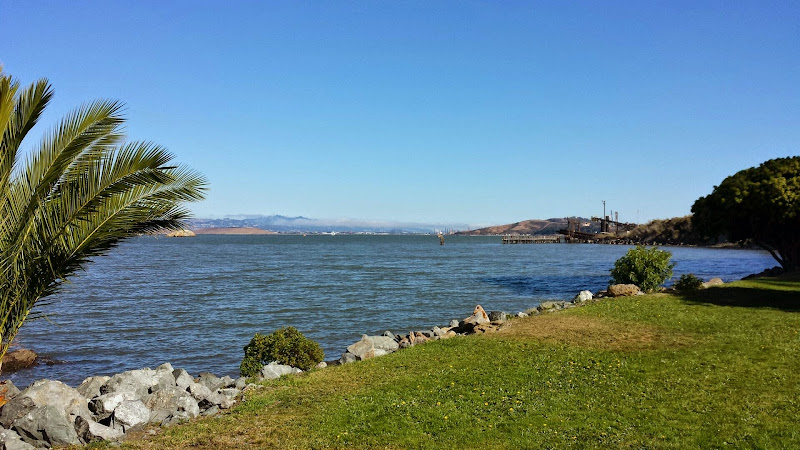
For those who enjoy cycling, the park’s trails are popular with bikers, and you could make the museum a stop along your ride. Just keep in mind that the terrain can be a bit hilly, so it’s not exactly a casual cruise. Either way, once you arrive, you’ll find that the museum is tucked right along the shoreline, making it easy to pair your visit with a walk along the water or a picnic nearby.
Tips for Visiting
Here’s the thing about the China Camp Museum—it’s small, so don’t expect to spend hours inside. But that’s actually an advantage because it leaves you with plenty of time to explore the rest of China Camp State Park. Bring water and snacks since there aren’t food options on-site, and if you’re traveling with kids, maybe pack a picnic to enjoy after your visit. The park has some beautiful spots to spread out a blanket and relax.
If you’re into history, take your time reading the stories and captions inside the museum. They’re short but powerful, and they give you a real sense of the struggles and resilience of the Chinese community that lived here. I’d also suggest chatting with any staff or volunteers if they’re around—they often have extra tidbits and personal insights that aren’t written on the displays. I’ve had some of the best travel experiences just by striking up conversations in places like this.
Wear comfortable shoes, especially if you plan to explore the trails after your visit. And don’t forget sunscreen—there’s plenty of sun exposure near the shoreline. If you’re a photographer, bring your camera because the combination of history and natural beauty makes for some really unique shots. Lastly, go in with an open mind. It’s not a big flashy museum, but it’s one of those places that stays with you long after you leave. You’ll walk away not just with knowledge, but with a deeper appreciation for the resilience of immigrant communities that shaped California’s story.
Key Features
- Historic exhibits showcasing the life of Chinese-American fishing families
- Authentic artifacts, tools, and photographs from the late 19th and early 20th centuries
- Scenic location within China Camp State Park, offering both cultural and natural experiences
- Wheelchair accessible entrance, parking, and restrooms
- Kid-friendly environment that makes history approachable for younger visitors
- Peaceful, uncrowded atmosphere compared to larger tourist-heavy museums
- Opportunities to learn about the shrimp fishing industry and its role in California history
More Details
Updated September 10, 2025
Table of Contents
Description
The China Camp Museum is a small but deeply meaningful stop for anyone curious about California’s layered history. Tucked inside China Camp State Park, this museum tells the story of the Chinese-American fishing village that once thrived on these shores. It’s not the kind of museum where you walk through endless halls of artifacts behind glass; instead, it feels personal, almost like stepping into someone’s memory. The displays are simple but heartfelt, with old photographs, fishing tools, and carefully preserved relics that give you a glimpse into the daily lives of the Chinese immigrants who built a community here against the odds.
What makes the place stand out is how raw and real it feels. You don’t get the sense that things have been overly polished or commercialized. Instead, it’s honest and humble, which in my opinion makes it all the more powerful. It’s the kind of place where you can slow down, read a few stories, and actually feel the weight of history rather than just skimming through it. Some folks might say it’s small or doesn’t have enough to see, but I’d argue that’s part of its charm. It’s not overwhelming, and you can actually absorb what’s in front of you without rushing. And if you’re traveling with kids, it’s approachable enough that they won’t get bored, but still educational in the best way.
Accessibility is another plus. The entrance, parking, and restrooms are all wheelchair-friendly, which isn’t always the case in historic sites like this. There aren’t restaurants on-site, so you’ll want to plan ahead for food, but restrooms are available, which is always a relief when you’re out exploring. All in all, the China Camp Museum isn’t about flashy exhibits—it’s about stories, resilience, and remembering a community that left a lasting mark on California’s cultural landscape.
Key Features
- Historic exhibits showcasing the life of Chinese-American fishing families
- Authentic artifacts, tools, and photographs from the late 19th and early 20th centuries
- Scenic location within China Camp State Park, offering both cultural and natural experiences
- Wheelchair accessible entrance, parking, and restrooms
- Kid-friendly environment that makes history approachable for younger visitors
- Peaceful, uncrowded atmosphere compared to larger tourist-heavy museums
- Opportunities to learn about the shrimp fishing industry and its role in California history
Best Time to Visit
If you ask me, the best time to visit the China Camp Museum is during spring or fall. The weather around the Bay Area can be unpredictable, but these seasons usually offer comfortable temperatures for wandering both inside the museum and around the park. Summer is nice too, but it can get a little hot and dry, and weekends tend to bring in more visitors. Winter has its own charm—cooler air, fewer people—but you’ll want to bundle up if you plan to explore the park trails after your museum stop.
Personally, I recommend going in the morning. There’s something about the light over the bay at that time that makes the whole experience feel more immersive. Plus, you’ll likely beat the small crowds that do come through later in the day. And if you’re the type who enjoys photography, the softer light makes for better shots of both the museum and the surrounding landscape.
How to Get There
Reaching the China Camp Museum is fairly straightforward if you’re already in the San Francisco Bay Area. The drive takes you through winding roads with views of the water and rolling hills—honestly, the journey itself is half the fun. If you’re coming by car, there’s parking available near the museum, and it’s accessible for those with mobility needs. Public transportation is trickier, so I’d say driving is the easiest and most reliable option.
For those who enjoy cycling, the park’s trails are popular with bikers, and you could make the museum a stop along your ride. Just keep in mind that the terrain can be a bit hilly, so it’s not exactly a casual cruise. Either way, once you arrive, you’ll find that the museum is tucked right along the shoreline, making it easy to pair your visit with a walk along the water or a picnic nearby.
Tips for Visiting
Here’s the thing about the China Camp Museum—it’s small, so don’t expect to spend hours inside. But that’s actually an advantage because it leaves you with plenty of time to explore the rest of China Camp State Park. Bring water and snacks since there aren’t food options on-site, and if you’re traveling with kids, maybe pack a picnic to enjoy after your visit. The park has some beautiful spots to spread out a blanket and relax.
If you’re into history, take your time reading the stories and captions inside the museum. They’re short but powerful, and they give you a real sense of the struggles and resilience of the Chinese community that lived here. I’d also suggest chatting with any staff or volunteers if they’re around—they often have extra tidbits and personal insights that aren’t written on the displays. I’ve had some of the best travel experiences just by striking up conversations in places like this.
Wear comfortable shoes, especially if you plan to explore the trails after your visit. And don’t forget sunscreen—there’s plenty of sun exposure near the shoreline. If you’re a photographer, bring your camera because the combination of history and natural beauty makes for some really unique shots. Lastly, go in with an open mind. It’s not a big flashy museum, but it’s one of those places that stays with you long after you leave. You’ll walk away not just with knowledge, but with a deeper appreciation for the resilience of immigrant communities that shaped California’s story.
Key Highlights
- Historic exhibits showcasing the life of Chinese-American fishing families
- Authentic artifacts, tools, and photographs from the late 19th and early 20th centuries
- Scenic location within China Camp State Park, offering both cultural and natural experiences
- Wheelchair accessible entrance, parking, and restrooms
- Kid-friendly environment that makes history approachable for younger visitors
- Peaceful, uncrowded atmosphere compared to larger tourist-heavy museums
- Opportunities to learn about the shrimp fishing industry and its role in California history
Location
Places to Stay Near China Camp Museum
Find and Book a Tour
Explore More Travel Guides
No reviews found! Be the first to review!
Traveler Reviews for China Camp Museum
There are no reviews yet. Be the first one to write one.
Have you visited China Camp Museum? Help other travelers by sharing your review.
You Might Also Like
China Camp Visitors Center
Bordenave
San Rafael
Find Accommodations Nearby
Recommended Tours & Activities
Visitor Reviews
There are no reviews yet. Be the first one to write one.
Share Your Experience
Have you visited China Camp Museum? Help other travelers by leaving a review.