

Chilancho
About Chilancho
Description
Chilancho is one of those hidden gems that sort of sneaks up on you. Some folks walk past it without fully realizing the depth of history humming within its walls, but you—lucky traveler—are about to uncover layers most miss. This ancient Buddhist temple sits quietly, yet proudly, in Kirtipur, having watched centuries flow by. I remember my first visit during a sweaty Kathmandu summer; the shade beneath the old trees around the stupa was a welcome surprise, even before I really started to take in all the little details.
You’re not coming here for dazzling neon or hyper-polished attractions—Chilancho is something far more genuine. It's a snapshot of Newari craftsmanship and Buddhist devotion, wrapped together with the kind of lived-in authenticity that’s getting harder to find in popular places. The stupas, the prayer flags fluttering despite the lazy air, and the centuries-old statues give the place a kind of honest dignity. There’s some wear and tear, sure, but who wants a site like this to be overly scrubbed and sterile?
This is a spiritual spot, but what I love most is how it just spills over with everyday life. You'll probably bump into a local grandma tossing rice to pigeons, a shy kid spinning the tiny prayer wheels, or monks shuffling along in their ochre robes—no grand ceremonies, just the daily rhythm, and, yeah, sometimes a dog napping in the sun right in the temple yard. The feeling is friendly, unhurried, and, above all else, peaceful. If you close your eyes here, you’ll pick up distant city sounds, but mostly it’s just the wind teasing prayer flags and the low murmur of conversations in Nepali and Newari.
Is it perfect? Not quite. Accessibility is kind of limited—don’t expect ramps or any kind of wheelchair access—which I honestly think is a missed opportunity. Also, some areas could use a bit more maintenance. Still, for those with a love for raw history and living faith, Chilancho offers a welcome breath of tranquility and unexpected connection. If you've got a curious spirit and a soft spot for places off the major tourist drag, you’re in for a real treat.
Key Features
- Historic Stupa Complex: The central stupa is ancient, decorated with faded yet beautiful carvings and statues—each with its own little story, if you have the time (and curiosity) to ask a local or read the plaques.
- Intricate Newari Architecture: You’ll notice the unique Newari craftsmanship—a style that makes the Kathmandu Valley so architecturally renowned.
- Sacred Buddhist Shrines: Several smaller shrines and statues surround the main stupa, loaded with symbolism that makes even non-Buddhists pause and ponder.
- Active Place of Worship: What I genuinely appreciate is this: it isn’t just a museum. You’ll actually witness people praying, making offerings, and going about their spiritual routines.
- Restroom Available Onsite: Simple, clean, and typically open—trust me, you’ll appreciate this after a long uphill walk through Kirtipur’s winding streets.
- Rich Local Life: Expect to bump into local Newars, students, monks, and sometimes a dog or two—no two visits are ever quite the same.
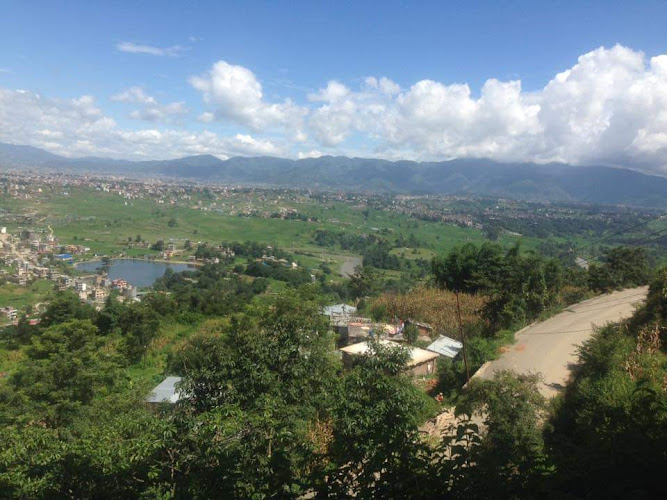
- Panoramic Views: Venture just a little beyond the temple and you’ll find sweet views across the Kathmandu valley, especially photogenic in the late afternoon.
- Peaceful Ambience: Despite city noises off in the distance, Chilancho has its own tranquil bubble—ideal for a meditative break or just people-watching.
Best Time to Visit
Hands down, the best time is during autumn—from October to December—when the air is crisp, the skies are clearer than you’d think possible, and all those prayer flags look extra radiant under that soft, golden sunlight. It’s festival season in the valley, which breathes fresh vibrancy and some beautifully decked-out shrines into the experience. Not a fan of crowds? Swing by early in the morning or later in the afternoon. There’s something magical about watching the site come to life with the city or quietly wind down as dusk approaches.
Monsoon? Only if you’re the type who doesn’t mind soggy flip-flops, because the stones can get slippery and you’ll probably be sharing the umbrella shade with every pigeon in the neighborhood. Winters here are chilly, but definitely doable—just bring an extra layer, especially since those breezes cut through. If you time your visit around a Buddhist festival, you’ll catch vibrant rituals and maybe witness a lively procession.
How to Get There
Getting to Chilancho is half the adventure, honestly. Coming from central Kathmandu, you can hop in a taxi or take a bus headed toward Kirtipur—the ride’s a bumpy 25-40 minutes depending on traffic and your luck with the infamous city gridlock. Personally, I think the walk up old Kirtipur’s stone-paved lanes is the best way to arrive—it’s uphill, sure, but you’ll get little peeks into daily life in this historic suburb, with vendors selling roasted corn and students darting into rundown teashops.
Not the biggest fan of public transport? A hired scooter or bicycle will get you there, but the hills can be a real workout. The temple does not offer designated parking, so plan on leaving your vehicle somewhere along the lanes and walking the last bit. There aren’t huge signs pointing the way, so a good digital map or a quick chat with a friendly local will steer you right—most people in Kirtipur are happy to point out the way (with the occasional joke or two).
Just remember, Kirtipur is a living, breathing neighborhood: expect narrow alleys, kids playing cricket, and maybe a curious goat or two as you wind your way up. Getting lost is half the fun, honestly.
Tips for Visiting
- Wear Comfortable Shoes: Those stone steps and uneven pathways aren’t a joke. Trust me, sandals with no grip are not your friends here.
- Dress Modestly: It’s not just about respect for the faith—locals truly appreciate when you show up covered and considerate.
- Bring Small Change: While entrance is usually free, donations are appreciated, especially if you snap a quirky photo or two.
- Respect Rituals: It’s tempting to get that perfect photo, but try not to interrupt anyone praying or making offerings. Observing from a respectful distance goes a long way.
- No Accessibility for Wheelchairs: I hate to say it, but this is not a fully accessible site. Seniors or those with limited mobility may need some extra help navigating the steps and uneven paths.
- Take Time to Wander: Some of my favorite memories here aren’t even in the main temple yard, but in the little corners behind stupas or under flowering trees.
- Visit Early or Late: Fewer crowds, gentler light, and a stronger sense of peace. If you can only spare midday, bring a hat—the sun finds every corner.
- Ask Locals for the Backstory: You’ll be amazed at what you learn from a chat with an elder or a caretaker hanging around the shrine—much better than any guidebook info.
- Stay Hydrated: There are a couple of stalls selling snacks and drinks nearby, though don’t expect artisanal coffee or imported tea. Local’s where it’s at!
- Look Up! Don’t miss those prayer flags above you, or—if you’re lucky—a holy man passing by, blessing the ground he walks on. Those moments can become the highlight of your trip.
All in all, Chilancho really rewards the slow traveler, the wanderer, and anybody who enjoys dipping out of the main current for a breath of something quieter, older, and, frankly, more genuine. It’s not the flashiest stop on your Kathmandu itinerary, but it might just lodge itself in your memory—kind of like the smell of incense on a cold morning or the sound of prayer wheels spinning long after you’ve left.
Key Features
- Key Features
- Best Time to Visit
- How to Get There
- Tips for Visiting
More Details
Updated July 6, 2025
Table of Contents
Chilancho is one of those hidden gems that sort of sneaks up on you. Some folks walk past it without fully realizing the depth of history humming within its walls, but you—lucky traveler—are about to uncover layers most miss. This ancient Buddhist temple sits quietly, yet proudly, in Kirtipur, having watched centuries flow by. I remember my first visit during a sweaty Kathmandu summer; the shade beneath the old trees around the stupa was a welcome surprise, even before I really started to take in all the little details.
You’re not coming here for dazzling neon or hyper-polished attractions—Chilancho is something far more genuine. It’s a snapshot of Newari craftsmanship and Buddhist devotion, wrapped together with the kind of lived-in authenticity that’s getting harder to find in popular places. The stupas, the prayer flags fluttering despite the lazy air, and the centuries-old statues give the place a kind of honest dignity. There’s some wear and tear, sure, but who wants a site like this to be overly scrubbed and sterile?
This is a spiritual spot, but what I love most is how it just spills over with everyday life. You’ll probably bump into a local grandma tossing rice to pigeons, a shy kid spinning the tiny prayer wheels, or monks shuffling along in their ochre robes—no grand ceremonies, just the daily rhythm, and, yeah, sometimes a dog napping in the sun right in the temple yard. The feeling is friendly, unhurried, and, above all else, peaceful. If you close your eyes here, you’ll pick up distant city sounds, but mostly it’s just the wind teasing prayer flags and the low murmur of conversations in Nepali and Newari.
Is it perfect? Not quite. Accessibility is kind of limited—don’t expect ramps or any kind of wheelchair access—which I honestly think is a missed opportunity. Also, some areas could use a bit more maintenance. Still, for those with a love for raw history and living faith, Chilancho offers a welcome breath of tranquility and unexpected connection. If you’ve got a curious spirit and a soft spot for places off the major tourist drag, you’re in for a real treat.
Hands down, the best time is during autumn—from October to December—when the air is crisp, the skies are clearer than you’d think possible, and all those prayer flags look extra radiant under that soft, golden sunlight. It’s festival season in the valley, which breathes fresh vibrancy and some beautifully decked-out shrines into the experience. Not a fan of crowds? Swing by early in the morning or later in the afternoon. There’s something magical about watching the site come to life with the city or quietly wind down as dusk approaches.
Monsoon? Only if you’re the type who doesn’t mind soggy flip-flops, because the stones can get slippery and you’ll probably be sharing the umbrella shade with every pigeon in the neighborhood. Winters here are chilly, but definitely doable—just bring an extra layer, especially since those breezes cut through. If you time your visit around a Buddhist festival, you’ll catch vibrant rituals and maybe witness a lively procession.
Getting to Chilancho is half the adventure, honestly. Coming from central Kathmandu, you can hop in a taxi or take a bus headed toward Kirtipur—the ride’s a bumpy 25-40 minutes depending on traffic and your luck with the infamous city gridlock. Personally, I think the walk up old Kirtipur’s stone-paved lanes is the best way to arrive—it’s uphill, sure, but you’ll get little peeks into daily life in this historic suburb, with vendors selling roasted corn and students darting into rundown teashops.
Not the biggest fan of public transport? A hired scooter or bicycle will get you there, but the hills can be a real workout. The temple does not offer designated parking, so plan on leaving your vehicle somewhere along the lanes and walking the last bit. There aren’t huge signs pointing the way, so a good digital map or a quick chat with a friendly local will steer you right—most people in Kirtipur are happy to point out the way (with the occasional joke or two).
Just remember, Kirtipur is a living, breathing neighborhood: expect narrow alleys, kids playing cricket, and maybe a curious goat or two as you wind your way up. Getting lost is half the fun, honestly.
All in all, Chilancho really rewards the slow traveler, the wanderer, and anybody who enjoys dipping out of the main current for a breath of something quieter, older, and, frankly, more genuine. It’s not the flashiest stop on your Kathmandu itinerary, but it might just lodge itself in your memory—kind of like the smell of incense on a cold morning or the sound of prayer wheels spinning long after you’ve left.
Description
Key Features
Best Time to Visit
How to Get There
Tips for Visiting
Key Highlights
- Key Features
- Best Time to Visit
- How to Get There
- Tips for Visiting
Location
Places to Stay Near Chilancho
Find and Book a Tour
Explore More Travel Guides
No reviews found! Be the first to review!
Traveler Reviews for Chilancho
There are no reviews yet. Be the first one to write one.
Have you visited Chilancho? Help other travelers by sharing your review.
You Might Also Like
Chovar sunset view point

Jal Binayak Temple ( Kwoyena Ganedyo)

Pushpa Lal Park
Find Accommodations Nearby
Recommended Tours & Activities
Visitor Reviews
There are no reviews yet. Be the first one to write one.
Share Your Experience
Have you visited Chilancho? Help other travelers by leaving a review.