Description
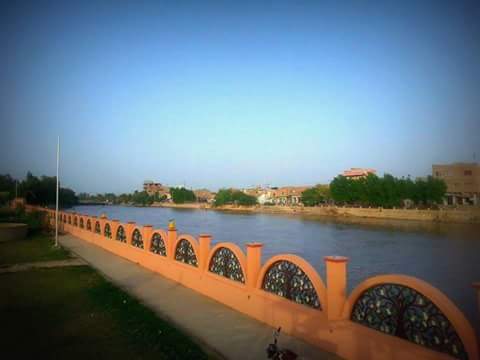
The Chandka Bridge in Larkana stands as a vital transportation link and an unexpected attraction that bridges more than just physical distance. I’ve always found it fascinating how certain structures become more than their intended purpose, and this bridge exemplifies that perfectly. Crossing over the waters that have sustained this region for generations, the structure serves as a daily lifeline for thousands of commuters, merchants, and travelers moving through Sindh province.
What strikes most visitors about this bridge isn’t necessarily its architectural grandeur but rather its authentic representation of Pakistan’s working infrastructure. It’s not trying to be anything other than what it is—a functional crossing that has become woven into the fabric of daily life in Larkana. The bridge witnesses an endless stream of vehicles, from motorcycles loaded with entire families to brightly decorated trucks that are works of art in themselves.
The surrounding landscape offers glimpses of rural Sindh that many travelers miss when they stick to main highways. Agricultural fields stretch toward the horizon, and you’ll often see farmers tending their crops or fishermen casting nets in the waters below. It’s this authentic slice of Pakistani life that makes the Chandka Bridge worth experiencing, even if it wasn’t on your original itinerary.
Traffic congestion can be significant during peak hours, and honestly, that’s part of the experience. You get to observe the organized chaos that somehow works—drivers negotiating space with a combination of horn honks, hand signals, and what seems like telepathy. The bridge has clearly earned mixed feelings from locals and visitors alike, with some appreciating its utility while others express frustration with maintenance issues and traffic management. But that’s real travel, isn’t it? Not everything needs to be polished and perfect to be memorable.
Key Features
The Chandka Bridge offers several notable characteristics that travelers should know about:
- Wheelchair accessible entrance makes it inclusive for visitors with mobility challenges, which unfortunately isn’t common in many Pakistani infrastructure projects
- Designated wheelchair accessible parking lot provides convenience for those requiring special accommodations
- Strategic location connecting key areas of Larkana makes it an unavoidable and practical crossing point
- Excellent vantage point for photography enthusiasts wanting to capture authentic Pakistani daily life and rural landscapes
- Heavy traffic flow during daytime hours offers cultural immersion into local transportation patterns and commerce movement
- Views of surrounding waterways and agricultural lands provide scenic backdrops, particularly during golden hour
- Proximity to local markets and residential areas means you’re getting a genuine community experience rather than a sanitized tourist attraction
- Observable examples of decorated Pakistani trucks and diverse vehicles that showcase the country’s unique road culture
- No restroom facilities available, so plan accordingly before arriving
Best Time to Visit
Timing your visit to Chandka Bridge requires some strategic thinking, and I’ll be straight with you—there’s no perfect time that ticks every box. But certain periods definitely offer advantages over others.
Early morning hours between 6:00 and 8:00 AM present probably your best opportunity to experience the bridge without battling overwhelming traffic. You’ll see it during its working hours but before congestion reaches peak levels. The morning light across the water and fields creates beautiful conditions for photography, and the temperature remains bearable, especially important given that Pakistan’s heat can be absolutely brutal.
If you’re more interested in witnessing the full intensity of local life, mid-morning through afternoon shows the bridge at its busiest. This is when commerce is flowing, when the bridge truly earns its keep. You’ll see everything from livestock being transported to vendors heading to market with their goods. Just prepare yourself mentally for the noise, exhaust fumes, and slower movement.
Seasonally speaking, winter months from November through February offer the most comfortable weather conditions. Larkana summers are no joke—temperatures regularly exceed 40°C (104°F), and standing on a concrete bridge with minimal shade becomes genuinely unpleasant. Winter temperatures range from pleasant to mild, making exploration much more enjoyable.
The monsoon season from July through September brings its own considerations. Heavy rains can affect bridge conditions and visibility, though they also transform the surrounding landscape into something greener and more lush. If you’ve only seen desert-like conditions in Sindh, the monsoon period might surprise you.
Avoid visiting during major Pakistani holidays and festivals when traffic reaches absolutely maddening levels. Eid celebrations, in particular, see massive movements of people, and what might normally be a 10-minute crossing could stretch considerably longer.
Sunset visits have their charm, I’ll admit. The fading light creates atmospheric conditions, and traffic typically begins thinning out. Just be aware that you’ll want to clear the area before it gets fully dark, as lighting conditions aren’t ideal and navigation becomes trickier.
How to Get There
Reaching Chandka Bridge is straightforward since it’s a major crossing point in Larkana district. The bridge sits along a well-traveled route, so you won’t need advanced navigation skills or a specialized guide.
From Larkana city center, the bridge is easily accessible by rickshaw, which remains one of the most economical and authentic ways to travel short distances in Pakistani cities. Negotiate your fare before departing—you should expect to pay between 100-200 Pakistani Rupees depending on your exact starting point. And yes, negotiation is expected, so don’t feel awkward about it.
If you’ve hired a private car or taxi for exploring the region, simply provide your driver with the bridge’s name. Local drivers know it well, and you won’t encounter communication difficulties even if there’s a language barrier. The ride from central Larkana typically takes 15-30 minutes depending on traffic conditions.
For the more adventurous travelers who’ve rented motorcycles or are comfortable with local buses, the bridge sits along routes that connect Larkana with surrounding communities. Bus conductors can alert you when you’re approaching if you’re unsure, though honestly, the structure is obvious enough that you won’t miss it.
Those traveling from outside Larkana should first reach the city itself. Larkana is well-connected by road and rail to major Pakistani cities. From Karachi, it’s approximately a 7-8 hour drive covering roughly 470 kilometers. Buses and vans run regularly from Karachi’s various terminals. The Larkana Junction railway station serves multiple trains daily from Karachi, Lahore, and other major cities.
If you’re flying, Moenjodaro Airport located about 5 kilometers from Larkana handles limited domestic flights. From the airport, you can arrange a taxi directly to the bridge area, though most visitors explore Larkana city first before venturing to the bridge.
I’d recommend using the bridge as part of a broader Larkana exploration rather than making it a standalone destination. Combine it with visits to the Jinnah Bagh, the historic Lakarna Fort ruins, or even a day trip to the ancient Moenjodaro archaeological site.
Tips for Visiting
Let me share some practical advice that’ll make your Chandka Bridge visit smoother and more enjoyable, drawn from both personal experience and common traveler feedback.
First and foremost, remember there are no restroom facilities at the bridge. This might seem like a minor detail, but when you’re dealing with Pakistani heat and potentially spending time stuck in traffic, it becomes significant. Use facilities before you leave your hotel or stop at a restaurant or fuel station beforehand.
Bring water, especially if visiting during warmer months. Dehydration sneaks up on you faster than you’d expect, and while you might find vendors nearby, it’s better to be prepared. A small backpack with water, some snacks, and sun protection makes sense.
Photography enthusiasts should exercise cultural sensitivity. While the bridge and landscape are fair game, many locals prefer not being photographed directly. Always ask permission before capturing images that include people prominently. A smile and gesturing toward your camera usually communicates your intention clearly enough even without shared language.
The bridge’s accessible features for wheelchair users are genuinely appreciated, but don’t expect Western-level infrastructure throughout. The accessible parking and entrance are there, but navigating the broader area might still present challenges. If you’re traveling with mobility considerations, assess conditions personally or have a companion scout ahead.
Dress modestly and respectfully. This is Sindh province, where conservative values predominate. For women, covering shoulders and knees is advisable; men should avoid shorts. Respecting local customs makes interactions warmer and prevents unwanted attention.
Traffic moves constantly, so if you’re walking on or near the bridge, stay alert. Drivers here are skilled but operate in close quarters, and pedestrians need to remain aware. Don’t assume vehicles will stop or slow down—you need to navigate around the traffic flow.
Best lighting for photography occurs during the golden hours around sunrise and sunset, as I mentioned earlier. But even midday shots can capture the authentic hustle and energy if you’re aiming for documentary-style images rather than postcard-perfect landscapes.
Consider hiring a local guide if you want deeper context about the bridge’s role in regional commerce and daily life. They can point out details you’d otherwise miss and facilitate interactions with locals. Your hotel can typically arrange this, and the cost is minimal compared to the enriched experience.
Keep your belongings secure. While Larkana isn’t particularly dangerous for tourists, any crowded public space anywhere in the world attracts opportunistic theft. Keep cameras strapped on, bags zipped and in front of you, and don’t flash expensive items unnecessarily.
If you’re prone to motion sickness or discomfort with heights, be aware that you’ll be crossing over water with traffic moving around you. Most people handle it fine, but it’s worth considering if you have particular sensitivities.
Finally, manage your expectations appropriately. Chandka Bridge isn’t going to compete with famous bridges you’ve seen elsewhere—it’s not the Golden Gate or Tower Bridge. Its value lies in authenticity and its role as a window into everyday Pakistani life. Approach it with curiosity rather than expecting Instagram-perfect conditions, and you’ll likely leave with a richer appreciation for this functional structure and the community it serves.