
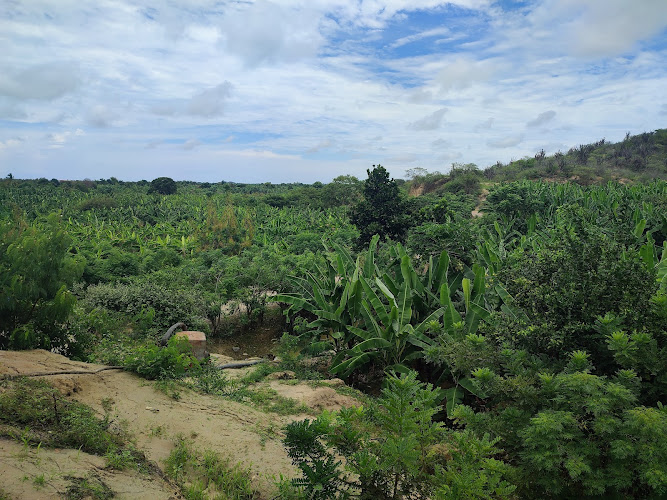
cerro más grande de Tumbes
About cerro más grande de Tumbes
Description
The Cerro Más Grande de Tumbes stands as a quietly impressive historical landmark in the northern reaches of Peru’s Tumbes region. It’s not the kind of place that hits you over the head with grandeur or flashy tourist traps. Instead, it offers a more subtle, almost contemplative experience that invites you to slow down and soak in the layers of history and nature wrapped into one. This hill, the largest in the area, holds a special place in the local landscape and culture, with its slopes whispering stories from the past that only the patient traveler can truly appreciate.
Unlike the bustling beaches or mangrove forests nearby, the Cerro Más Grande de Tumbes is a spot where you can feel a bit off the beaten path. It’s not overloaded with visitors, which means you get a more personal connection with the environment and the history embedded in the terrain. The views from the top are worth every bit of effort it takes to get there — a patchwork of tropical greenery, distant ocean glimpses, and the small towns that dot the horizon. You might find yourself lingering longer than planned, just watching the light change over the landscape.
Though it doesn’t boast flashy amenities or guided tours, this hill offers something that’s becoming rare in travel — a genuine, unpolished encounter with Peru’s natural and historical heritage. If you’re the kind of traveler who likes to dig a little deeper, to connect with places beyond their postcard images, Cerro Más Grande de Tumbes is a quiet gem waiting to be discovered.
Key Features
- Largest hill in the Tumbes region, offering panoramic views of the surrounding landscape
- Rich historical significance as a local landmark with ties to indigenous cultures and regional history
- Relatively untouched by mass tourism, providing a peaceful and authentic experience
- Opportunity to spot native flora and fauna unique to the tropical environment of northern Peru
- Ideal for hiking enthusiasts looking for a moderate challenge with rewarding vistas
- Close proximity to other natural attractions like mangrove forests and coastal beaches
- Perfect spot for photography, especially during sunrise and sunset when the light plays beautifully over the hills
Best Time to Visit
If you ask me, timing your visit to Cerro Más Grande de Tumbes really makes a difference. The dry season, which runs roughly from May to October, is your best bet. During these months, the trails are less muddy and the weather is generally sunny — perfect for hiking and taking in those killer views without getting drenched or slipping all over the place. Plus, the dry season means clearer skies, so your photos will come out crisp and vibrant.
The rainy season, from November through April, can be a bit tricky. The trails get slippery, and the hill can be shrouded in mist, which, while atmospheric, might obscure some of the vistas you’re hoping to see. Still, if you don’t mind a bit of adventure and fewer people around, visiting during the wet months has its own moody charm. Just pack good rain gear and sturdy shoes — trust me on this one.
How to Get There
Getting to Cerro Más Grande de Tumbes isn’t exactly a straightforward hop, skip, and jump, but that’s part of the fun, right? Most travelers start from the city of Tumbes itself, which is the regional hub. From there, you can catch a local taxi or arrange a private ride heading towards the outskirts where the hill begins its rise. The roads can be a bit rough in spots, so buckle up and enjoy the ride — the scenery on the way is a nice warm-up for what’s ahead.
If you’re feeling adventurous and want to stretch your legs, some folks opt to hike part of the way from nearby villages, soaking up local life and landscapes. Just make sure you’ve got a map or a local guide, as the paths aren’t always well-marked. And honestly, having a local with you can turn a good hike into a great one, especially when they share stories or point out hidden spots you’d never notice on your own.
Tips for Visiting
Alright, here’s the real talk: Cerro Más Grande de Tumbes isn’t your typical tourist hotspot with snack bars and souvenir shops at every turn. You need to come prepared and with a bit of an explorer’s mindset. First off, bring plenty of water and some snacks — there’s nowhere to grab a quick bite once you’re on the hill. Also, wear sturdy shoes; the terrain can be uneven, and you’ll thank me later when you’re not slipping on loose rocks.
Don’t forget sunscreen and a hat, especially if you’re visiting during the dry season. The sun can be surprisingly intense up there, and shade is limited. Early mornings or late afternoons are the best times to visit to avoid the midday heat and catch those stunning light moments.
One thing I’ve learned from my own travels here is to take your time. Don’t rush through the hike just to tick it off your list. Sit down at the top, breathe it all in, watch the colors shift, and maybe even chat with locals if you bump into any. Those moments often stick with you longer than the views themselves.
Lastly, respect the environment. It’s a special place with delicate ecosystems and cultural significance. Leave no trace, and if you see trash, pick it up — small acts keep places like this beautiful for everyone who comes after you.
Key Features
- Largest hill in the Tumbes region, offering panoramic views of the surrounding landscape
- Rich historical significance as a local landmark with ties to indigenous cultures and regional history
- Relatively untouched by mass tourism, providing a peaceful and authentic experience
- Opportunity to spot native flora and fauna unique to the tropical environment of northern Peru
- Ideal for hiking enthusiasts looking for a moderate challenge with rewarding vistas
- Close proximity to other natural attractions like mangrove forests and coastal beaches
- Perfect spot for photography, especially during sunrise and sunset when the light plays beautifully over the hills
More Details
Updated July 17, 2025
Table of Contents
Description
The Cerro Más Grande de Tumbes stands as a quietly impressive historical landmark in the northern reaches of Peru’s Tumbes region. It’s not the kind of place that hits you over the head with grandeur or flashy tourist traps. Instead, it offers a more subtle, almost contemplative experience that invites you to slow down and soak in the layers of history and nature wrapped into one. This hill, the largest in the area, holds a special place in the local landscape and culture, with its slopes whispering stories from the past that only the patient traveler can truly appreciate.
Unlike the bustling beaches or mangrove forests nearby, the Cerro Más Grande de Tumbes is a spot where you can feel a bit off the beaten path. It’s not overloaded with visitors, which means you get a more personal connection with the environment and the history embedded in the terrain. The views from the top are worth every bit of effort it takes to get there — a patchwork of tropical greenery, distant ocean glimpses, and the small towns that dot the horizon. You might find yourself lingering longer than planned, just watching the light change over the landscape.
Though it doesn’t boast flashy amenities or guided tours, this hill offers something that’s becoming rare in travel — a genuine, unpolished encounter with Peru’s natural and historical heritage. If you’re the kind of traveler who likes to dig a little deeper, to connect with places beyond their postcard images, Cerro Más Grande de Tumbes is a quiet gem waiting to be discovered.
Key Features
- Largest hill in the Tumbes region, offering panoramic views of the surrounding landscape
- Rich historical significance as a local landmark with ties to indigenous cultures and regional history
- Relatively untouched by mass tourism, providing a peaceful and authentic experience
- Opportunity to spot native flora and fauna unique to the tropical environment of northern Peru
- Ideal for hiking enthusiasts looking for a moderate challenge with rewarding vistas
- Close proximity to other natural attractions like mangrove forests and coastal beaches
- Perfect spot for photography, especially during sunrise and sunset when the light plays beautifully over the hills
Best Time to Visit
If you ask me, timing your visit to Cerro Más Grande de Tumbes really makes a difference. The dry season, which runs roughly from May to October, is your best bet. During these months, the trails are less muddy and the weather is generally sunny — perfect for hiking and taking in those killer views without getting drenched or slipping all over the place. Plus, the dry season means clearer skies, so your photos will come out crisp and vibrant.
The rainy season, from November through April, can be a bit tricky. The trails get slippery, and the hill can be shrouded in mist, which, while atmospheric, might obscure some of the vistas you’re hoping to see. Still, if you don’t mind a bit of adventure and fewer people around, visiting during the wet months has its own moody charm. Just pack good rain gear and sturdy shoes — trust me on this one.
How to Get There
Getting to Cerro Más Grande de Tumbes isn’t exactly a straightforward hop, skip, and jump, but that’s part of the fun, right? Most travelers start from the city of Tumbes itself, which is the regional hub. From there, you can catch a local taxi or arrange a private ride heading towards the outskirts where the hill begins its rise. The roads can be a bit rough in spots, so buckle up and enjoy the ride — the scenery on the way is a nice warm-up for what’s ahead.
If you’re feeling adventurous and want to stretch your legs, some folks opt to hike part of the way from nearby villages, soaking up local life and landscapes. Just make sure you’ve got a map or a local guide, as the paths aren’t always well-marked. And honestly, having a local with you can turn a good hike into a great one, especially when they share stories or point out hidden spots you’d never notice on your own.
Tips for Visiting
Alright, here’s the real talk: Cerro Más Grande de Tumbes isn’t your typical tourist hotspot with snack bars and souvenir shops at every turn. You need to come prepared and with a bit of an explorer’s mindset. First off, bring plenty of water and some snacks — there’s nowhere to grab a quick bite once you’re on the hill. Also, wear sturdy shoes; the terrain can be uneven, and you’ll thank me later when you’re not slipping on loose rocks.
Don’t forget sunscreen and a hat, especially if you’re visiting during the dry season. The sun can be surprisingly intense up there, and shade is limited. Early mornings or late afternoons are the best times to visit to avoid the midday heat and catch those stunning light moments.
One thing I’ve learned from my own travels here is to take your time. Don’t rush through the hike just to tick it off your list. Sit down at the top, breathe it all in, watch the colors shift, and maybe even chat with locals if you bump into any. Those moments often stick with you longer than the views themselves.
Lastly, respect the environment. It’s a special place with delicate ecosystems and cultural significance. Leave no trace, and if you see trash, pick it up — small acts keep places like this beautiful for everyone who comes after you.
Key Highlights
- Largest hill in the Tumbes region, offering panoramic views of the surrounding landscape
- Rich historical significance as a local landmark with ties to indigenous cultures and regional history
- Relatively untouched by mass tourism, providing a peaceful and authentic experience
- Opportunity to spot native flora and fauna unique to the tropical environment of northern Peru
- Ideal for hiking enthusiasts looking for a moderate challenge with rewarding vistas
- Close proximity to other natural attractions like mangrove forests and coastal beaches
- Perfect spot for photography, especially during sunrise and sunset when the light plays beautifully over the hills
Location
Places to Stay Near cerro más grande de Tumbes
Find and Book a Tour
Explore More Travel Guides
No reviews found! Be the first to review!
Traveler Reviews for cerro más grande de Tumbes
There are no reviews yet. Be the first one to write one.
Have you visited cerro más grande de Tumbes? Help other travelers by sharing your review.
You Might Also Like
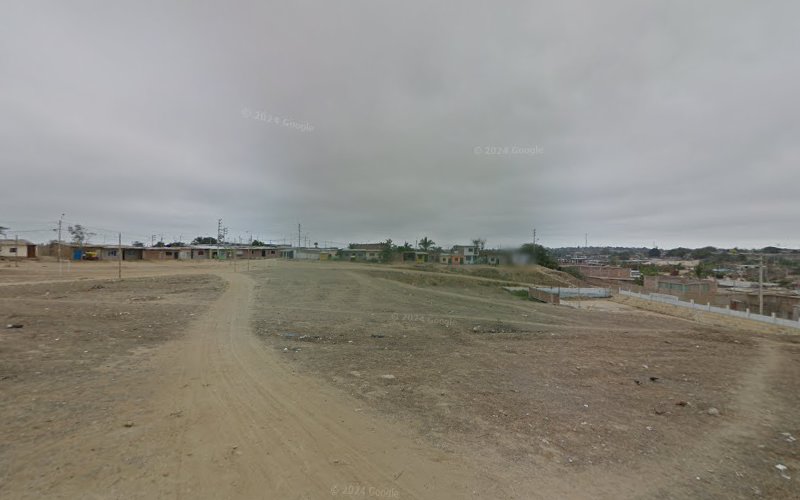
Cultural Bicentenario de Tumbes Park
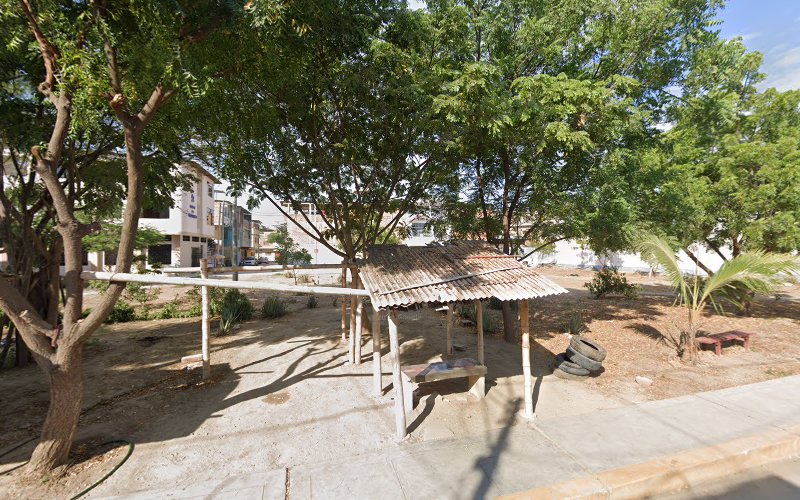
LOS RUBIES Park
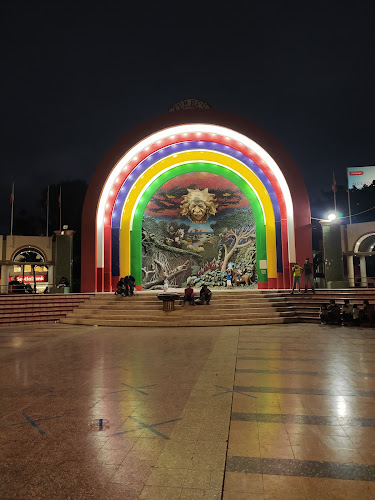
Plaza De Armas De Tumbes
Find Accommodations Nearby
Recommended Tours & Activities
Visitor Reviews
There are no reviews yet. Be the first one to write one.
Share Your Experience
Have you visited cerro más grande de Tumbes? Help other travelers by leaving a review.