
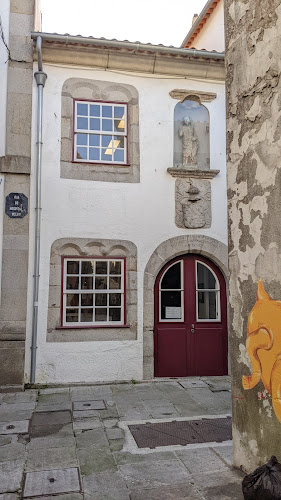
Centro Interpretativo do Caminho Português da Costa (Hospital Velho)
About Centro Interpretativo do Caminho Português da Costa (Hospital Velho)
Description
Stepping into the Centro Interpretativo do Caminho Português da Costa, also known as Hospital Velho, feels like slipping into a living storybook of pilgrimage and history. This museum isn’t just another dusty building with artifacts behind glass—it’s a genuine slice of medieval life, carefully restored and thoughtfully presented. Originally built in the 15th century to offer shelter and aid to weary pilgrims making their way to Santiago de Compostela, the site carries a deep sense of purpose and hospitality that still echoes through its walls.
What really gets me about this place is how it blends the past and present so seamlessly. You’re not just looking at relics; you’re walking through a space that once buzzed with travelers from all over Europe, all sharing the same goal. The museum does a fantastic job of capturing that spirit, with exhibits that tell stories of the pilgrims’ hardships, hopes, and the community that supported them. It’s a quiet, reflective spot that invites you to slow down and think about the centuries of footsteps that have passed through here.
Accessibility is clearly a priority here, which I appreciate because sometimes historical places can be a pain to navigate if you have mobility challenges. The entrance and restrooms are wheelchair accessible, making it easier for everyone to experience the history without hassle. Though there’s no restaurant on site, there are restrooms available, so you can plan your visit without worrying about basic comforts.
Key Features
- Located in a beautifully restored 15th-century building originally serving as a pilgrims’ hospital and guesthouse
- Comprehensive exhibits detailing the history and significance of the Portuguese Coastal Way pilgrimage route
- Space designed with accessibility in mind, including wheelchair-friendly entrances and restrooms
- Safe bicycle parking area, perfect if you’re cycling the route or exploring the coastline on two wheels
- Staffed by knowledgeable technicians who offer personalized assistance and detailed information about the Camino Portuguese Coastal Way
- Emergency plan and insurance in place, ensuring a secure visit for all guests
- Regularly hosts exhibitions that delve into local culture, history, and the broader pilgrimage experience
Best Time to Visit
Honestly, anytime you decide to visit the Centro Interpretativo do Caminho Português da Costa, you’ll find something meaningful. But if you’re a bit of a planner like me, aiming for the summer months—say, July through September—is a smart move. That’s when the museum tends to host special exhibitions, like the recent one highlighting the "footprints" of the Santiago pilgrimage in the Barbanza region. Plus, the weather in Viana do Castelo is generally pleasant, so you can combine your museum trip with some coastal strolls or café hopping.
That said, don’t shy away from the shoulder seasons either. Spring and early autumn offer milder crowds and a peaceful atmosphere, which can make your visit feel more intimate. Winter is quieter, but the museum is still open, and you might get the place almost to yourself—a rare treat if you’re into soaking in history with minimal distractions.
How to Get There
Getting to the Centro Interpretativo do Caminho Português da Costa is pretty straightforward, especially if you’re already exploring northern Portugal. It’s right in Viana do Castelo, a charming coastal town that’s well connected by road and rail. If you’re coming from Porto, for example, you can hop on a train or take a scenic drive up the coast—it’s about an hour and a half, give or take. The train ride itself is worth it, with stunning views of the Atlantic popping up along the way.
If you’re the adventurous type traveling the Camino Portuguese Coastal Way, the museum sits literally on the route, so you can’t miss it. It’s a perfect spot to pause, rest, and deepen your understanding of the pilgrimage tradition before continuing your journey. For those driving, there’s parking nearby, and if you’re cycling, the museum’s bike parking is a nice touch that shows they really get the needs of modern pilgrims.
Tips for Visiting
Here’s the thing: this museum isn’t a quick pit stop. Give yourself at least an hour or two to really soak it in. The exhibits are rich with detail, and the stories they tell deserve your full attention. If you can, chat with the staff—they’re friendly and genuinely passionate about the Camino, and they’ll happily share little nuggets of local lore that you won’t find in any guidebook.
Also, wear comfortable shoes. The building is historic, so while it’s accessible, there are some cobblestone areas and uneven floors that might trip you up if you’re not careful. And bring your curiosity! The museum isn’t just about facts; it’s about connecting with the human experience of pilgrimage—something that’s surprisingly relevant even today.
One last thing: don’t expect a café or restaurant here. Plan your snacks and meals accordingly. But hey, Viana do Castelo has plenty of great spots nearby where you can grab a bite and reflect on what you’ve learned. I found a little pastry shop just around the corner that served the best pastel de nata I’ve had in ages—perfect for a post-museum treat.
All in all, the Centro Interpretativo do Caminho Português da Costa is a gem for anyone curious about pilgrimage history, Portuguese culture, or just looking for a meaningful stop on their travels. It’s a place that invites you to slow down, listen, and maybe even feel a bit of that pilgrim spirit yourself.
Key Features
- Located in a beautifully restored 15th-century building originally serving as a pilgrims’ hospital and guesthouse
- Comprehensive exhibits detailing the history and significance of the Portuguese Coastal Way pilgrimage route
- Space designed with accessibility in mind, including wheelchair-friendly entrances and restrooms
- Safe bicycle parking area, perfect if you’re cycling the route or exploring the coastline on two wheels
- Staffed by knowledgeable technicians who offer personalized assistance and detailed information about the Camino Portuguese Coastal Way
- Emergency plan and insurance in place, ensuring a secure visit for all guests
- Regularly hosts exhibitions that delve into local culture, history, and the broader pilgrimage experience
More Details
Updated July 14, 2025
Table of Contents
- Description
- Key Features
- Best Time to Visit
- How to Get There
- Tips for Visiting
- Key Highlights
- Location
- Places to Stay Near Centro Interpretativo do Caminho Português da Costa (Hospital Velho)
- Find and Book a Tour
- Explore More Travel Guides
- Nearby Places You Might Like
- Traveler Reviews for Centro Interpretativo do Caminho Português da Costa (Hospital Velho)
- Share Your Experience
Description
Stepping into the Centro Interpretativo do Caminho Português da Costa, also known as Hospital Velho, feels like slipping into a living storybook of pilgrimage and history. This museum isn’t just another dusty building with artifacts behind glass—it’s a genuine slice of medieval life, carefully restored and thoughtfully presented. Originally built in the 15th century to offer shelter and aid to weary pilgrims making their way to Santiago de Compostela, the site carries a deep sense of purpose and hospitality that still echoes through its walls.
What really gets me about this place is how it blends the past and present so seamlessly. You’re not just looking at relics; you’re walking through a space that once buzzed with travelers from all over Europe, all sharing the same goal. The museum does a fantastic job of capturing that spirit, with exhibits that tell stories of the pilgrims’ hardships, hopes, and the community that supported them. It’s a quiet, reflective spot that invites you to slow down and think about the centuries of footsteps that have passed through here.
Accessibility is clearly a priority here, which I appreciate because sometimes historical places can be a pain to navigate if you have mobility challenges. The entrance and restrooms are wheelchair accessible, making it easier for everyone to experience the history without hassle. Though there’s no restaurant on site, there are restrooms available, so you can plan your visit without worrying about basic comforts.
Key Features
- Located in a beautifully restored 15th-century building originally serving as a pilgrims’ hospital and guesthouse
- Comprehensive exhibits detailing the history and significance of the Portuguese Coastal Way pilgrimage route
- Space designed with accessibility in mind, including wheelchair-friendly entrances and restrooms
- Safe bicycle parking area, perfect if you’re cycling the route or exploring the coastline on two wheels
- Staffed by knowledgeable technicians who offer personalized assistance and detailed information about the Camino Portuguese Coastal Way
- Emergency plan and insurance in place, ensuring a secure visit for all guests
- Regularly hosts exhibitions that delve into local culture, history, and the broader pilgrimage experience
Best Time to Visit
Honestly, anytime you decide to visit the Centro Interpretativo do Caminho Português da Costa, you’ll find something meaningful. But if you’re a bit of a planner like me, aiming for the summer months—say, July through September—is a smart move. That’s when the museum tends to host special exhibitions, like the recent one highlighting the “footprints” of the Santiago pilgrimage in the Barbanza region. Plus, the weather in Viana do Castelo is generally pleasant, so you can combine your museum trip with some coastal strolls or café hopping.
That said, don’t shy away from the shoulder seasons either. Spring and early autumn offer milder crowds and a peaceful atmosphere, which can make your visit feel more intimate. Winter is quieter, but the museum is still open, and you might get the place almost to yourself—a rare treat if you’re into soaking in history with minimal distractions.
How to Get There
Getting to the Centro Interpretativo do Caminho Português da Costa is pretty straightforward, especially if you’re already exploring northern Portugal. It’s right in Viana do Castelo, a charming coastal town that’s well connected by road and rail. If you’re coming from Porto, for example, you can hop on a train or take a scenic drive up the coast—it’s about an hour and a half, give or take. The train ride itself is worth it, with stunning views of the Atlantic popping up along the way.
If you’re the adventurous type traveling the Camino Portuguese Coastal Way, the museum sits literally on the route, so you can’t miss it. It’s a perfect spot to pause, rest, and deepen your understanding of the pilgrimage tradition before continuing your journey. For those driving, there’s parking nearby, and if you’re cycling, the museum’s bike parking is a nice touch that shows they really get the needs of modern pilgrims.
Tips for Visiting
Here’s the thing: this museum isn’t a quick pit stop. Give yourself at least an hour or two to really soak it in. The exhibits are rich with detail, and the stories they tell deserve your full attention. If you can, chat with the staff—they’re friendly and genuinely passionate about the Camino, and they’ll happily share little nuggets of local lore that you won’t find in any guidebook.
Also, wear comfortable shoes. The building is historic, so while it’s accessible, there are some cobblestone areas and uneven floors that might trip you up if you’re not careful. And bring your curiosity! The museum isn’t just about facts; it’s about connecting with the human experience of pilgrimage—something that’s surprisingly relevant even today.
One last thing: don’t expect a café or restaurant here. Plan your snacks and meals accordingly. But hey, Viana do Castelo has plenty of great spots nearby where you can grab a bite and reflect on what you’ve learned. I found a little pastry shop just around the corner that served the best pastel de nata I’ve had in ages—perfect for a post-museum treat.
All in all, the Centro Interpretativo do Caminho Português da Costa is a gem for anyone curious about pilgrimage history, Portuguese culture, or just looking for a meaningful stop on their travels. It’s a place that invites you to slow down, listen, and maybe even feel a bit of that pilgrim spirit yourself.
Key Highlights
- Located in a beautifully restored 15th-century building originally serving as a pilgrims’ hospital and guesthouse
- Comprehensive exhibits detailing the history and significance of the Portuguese Coastal Way pilgrimage route
- Space designed with accessibility in mind, including wheelchair-friendly entrances and restrooms
- Safe bicycle parking area, perfect if you’re cycling the route or exploring the coastline on two wheels
- Staffed by knowledgeable technicians who offer personalized assistance and detailed information about the Camino Portuguese Coastal Way
- Emergency plan and insurance in place, ensuring a secure visit for all guests
- Regularly hosts exhibitions that delve into local culture, history, and the broader pilgrimage experience
Location
Places to Stay Near Centro Interpretativo do Caminho Português da Costa (Hospital Velho)
Find and Book a Tour
Explore More Travel Guides
No reviews found! Be the first to review!
Traveler Reviews for Centro Interpretativo do Caminho Português da Costa (Hospital Velho)
There are no reviews yet. Be the first one to write one.
Have you visited Centro Interpretativo do Caminho Português da Costa (Hospital Velho)? Help other travelers by sharing your review.
You Might Also Like
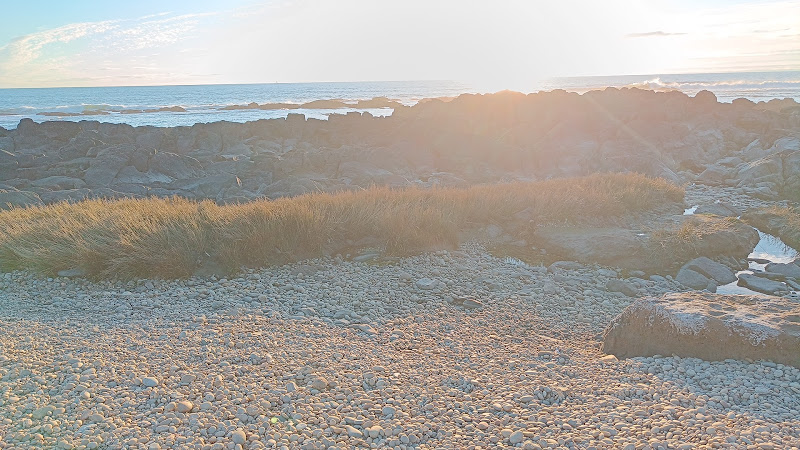
Lagoa ancestral
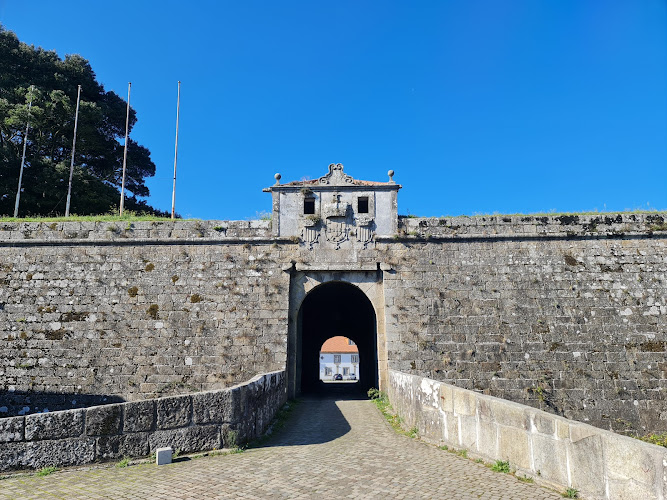
Forte de Santiago da Barra
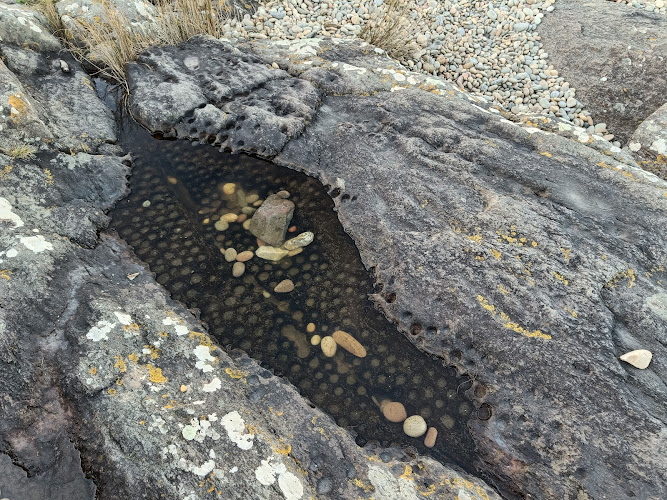
Praia ancestral
Find Accommodations Nearby
Recommended Tours & Activities
Visitor Reviews
There are no reviews yet. Be the first one to write one.
Share Your Experience
Have you visited Centro Interpretativo do Caminho Português da Costa (Hospital Velho)? Help other travelers by leaving a review.