

Castro Adobe State Historic Park
About Castro Adobe State Historic Park
Description
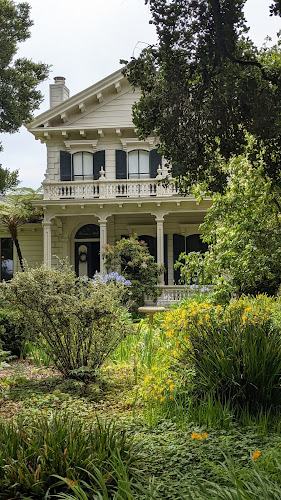
Castro Adobe State Historic Park stands as one of the last remaining two-story adobe haciendas from Mexican California, a true testament to the enduring spirit and rich history of the Pajaro Valley, near Watsonville. This site really does tug at the heartstrings if you’re a fan of California history and old buildings with stories seeping out of the walls. The park is not your average state park—while a lot of parks highlight natural wonders, this place paves the way for a unique blend of culture, land, and architecture.
Built in the 1840s by José Joaquín Castro—now there’s a name you see a hundred times over when you start reading the local history books—this adobe tells the story of the Castro family and the bustling era of the Rancho San Andrés. Walking inside, you don’t just see rooms; you step into a real storybook. And by the way, it’s not every day you come across a two-story adobe that has seen everything from fandangos (think: lively dance parties) to the Loma Prieta earthquake shaking its bones.
The building itself is just the start. The wider park property includes old oaks and views that remind you this was, and is, agricultural land. It feels like the old rancho spirit is just barely out of reach, still hanging in the Monterey Bay air. What surprises most visitors is how interactive the site is, especially during open house events. Hiking boots are optional—but a healthy curiosity is totally required. And families, rejoice! Kids love the hands-on exhibits that actually make learning about the past fun (no easy feat, right?). Accessibility is thoughtfully woven into the experience, from parking to the entrance, so folks of all mobility levels feel welcome.
Maybe what sticks with people the most is the restoration effort, largely thanks to Friends of Santa Cruz State Parks and a pretty determined local community. I’ve chatted with a few locals who volunteered during the post-earthquake restoration—one even joked he’d hauled more adobe bricks than a mule in his prime. The house is a survivor, and walking the property, you really feel that resilience.
In short, Castro Adobe State Historic Park isn’t just another stop between the beaches and redwoods—it’s a window into California’s complex, layered, and sometimes rowdy past, experienced right on the rolling hills of the Pajaro Valley. Somehow, it manages to be both grand and welcoming, historical and alive.
Key Features
- Two-Story Adobe Hacienda: One of the few surviving examples of Monterey-colonial, two-story adobe architecture found in the state. The structure makes you rethink what you know about California’s building traditions—this is as authentic as it gets.
- Story of Rancho San Andrés: The park preserves the epic saga of the Castro family, early Mexican ranchos, and the diverse peoples who lived and worked this land—ranchers, vaqueros, indigenous laborers, and later, new settlers.
- Restoration and Preservation: Visitors see restoration in action, witnessing how experts and volunteers have brought the old adobe and its rooms—including the enormous cocina (kitchen)—back to life.
- Educational Exhibits & Hands-On Activities: Not just stuffy placards: there are new and interactive exhibits about California history, adobe building techniques, and the daily life of the people who kept the rancho running. Kids can get hands-on with artifacts (replicas… don’t worry!).
- Open House Events: These events invite guests beyond the velvet ropes, with docents guiding visitors through rooms usually closed to the public. Sometimes, there’s even fresh tortillas hot off the comal—trust me, you’ll want to show up hungry.
- Fandango Room: A legendary room that once echoed with music and dance, emblematic of the celebrations that shaped the region’s culture. Not many historic parks restore social spaces like this.
- Beautiful Location: Set in the scenic Larkin Valley, the property includes peaceful gardens, ancient oak groves, and panoramic views over some of the best farmland in Santa Cruz County.
- Community-Driven Stewardship: The park thrives on a unique partnership between California State Parks and the Friends of Santa Cruz State Parks, with direct input and hands-on help from the local Watsonville community.
- Accessibility: From accessible parking to barrier-free entrances and modern restrooms, thought has been put into making the park welcoming to all visitors.
- Public Restrooms: Immaculately maintained (and I don’t say that lightly—so rare at historic sites).
Best Time to Visit
Here’s something I wish someone told me sooner—it’s not open every day like most parks. The best time to visit Castro Adobe State Historic Park is during one of its special open house events, which typically pop up once every month or two, usually on a Saturday. These dates are worth planning around because that’s when you can access both floors of the adobe and get the good stuff—guided tours, traditional cooking, the latest in restoration news, plus a true sense of community.
If you’re a weather person (aren’t we all, these days?), aim for spring or early fall. The gardens out front are blooming, the surrounding hills have just enough green to make you reconsider city living, and it’s not blazing hot or bone-chillingly cold. Summer has its charm, no doubt, but open house events can be busier in July and August—especially with families swooping in from all over Monterey Bay. Mornings are usually cooler and less crowded, which means you’ll hear the birds, not just the tour groups.
And a word for the wise—if you plan your visit to coincide with Watsonville’s local festivals or other Santa Cruz County historical happenings, you’ll get an even richer slice of the region’s character.
How to Get There
Getting to Castro Adobe State Historic Park is half the experience. The ranch is tucked away in the rolling hills of Larkin Valley, just south of Watsonville and a quick drive from Highway 1. Now, don’t rely just on your car’s GPS; these country roads (especially Old Adobe Rd and Larkin Valley Rd) can get a bit twisty, and you might pass more artichoke fields and tractors than you bargained for. But that’s honestly part of the charm. Throw the windows down and breathe that Pajaro Valley air—it’s loaded with history and the smell of the valley’s crops.
If you’re coming from Santa Cruz, take Highway 1 south and exit on San Andreas Road, following signs toward the park property. From Watsonville proper, Larkin Valley Road is your gateway—just keep your eye out for the humble sign marking the entrance. There’s ample wheelchair-accessible parking close to the entrance (especially appreciated during those open house events).
I’ve had friends brave public transportation, but it’s admittedly a trek: the closest bus stop is still a few miles off, so rideshare, cycling, or carpooling with fellow history buffs is your best bet if you don’t have wheels. Don’t forget to check if there’s an event happening before driving out—otherwise, the main gate may be closed.
Tips for Visiting
- Check the Calendar: Since public access is mostly tied to monthly open house events and special programs, double-check dates online before visiting. Arriving on a non-event day can be a bummer.
- Arrive Early: Events can get pretty popular, especially during the spring and summer months. Early birds enjoy quieter tours and easier parking.
- Wear Comfy Shoes: The property is a mix of paved and packed earth, so leave the fancy sandals at home and wear something better for walking.
- Bring a Camera: The adobe walls photograph beautifully, especially with the garden in bloom and the Monterey Bay fog rolling in. Don’t be shy—ask a docent to snap your picture in the Fandango Room!
- Ask for Stories: The docents (many local to Watsonville and Santa Cruz County) have more anecdotes and family lore than most guidebooks can hold. Ask about Juan Castro, fandangos, or the 1989 earthquake. You’ll get stories you just can’t Google.
- Packed Snacks (or Lunch): There aren’t vending machines or a café, but picnicking is encouraged. Some open house events serve up homemade tortillas, but it’s not guaranteed.
- Kid-Friendly: If you have young ones, look out for special children’s activities. This is one of the few historic parks that actually seems to get how to make the past come alive for the next generation.
- Accessibility: Wheelchair users will find accessible parking and restrooms. If you need assistance on-site, the docents are happy to help—just ask.
- Treat It as Living History: Take a moment to just stand in the cocina or the second-floor gallery and imagine ranch life, before freeways, before even statehood. That connection is what Castro Adobe does best.
- Support Restoration: If you want to leave more than footprints, contribute to the ongoing preservation efforts. Even a few bucks make a difference—and you’ll help ensure these stories stick around.
If you’re after an authentic, content-rich California experience—history, architecture, gorgeous valley views, and a community spirit you’ll feel deep down—Castro Adobe State Historic Park deserves a spot on your Watsonville itinerary. And don’t be surprised if you leave plotting your next visit, or with a new appreciation for locally made adobes (and perhaps a craving for fresh tortillas).
Key Features
- Key Features
- Best Time to Visit
- How to Get There
- Tips for Visiting
More Details
Updated July 12, 2025
Table of Contents
Description
Castro Adobe State Historic Park stands as one of the last remaining two-story adobe haciendas from Mexican California, a true testament to the enduring spirit and rich history of the Pajaro Valley, near Watsonville. This site really does tug at the heartstrings if you’re a fan of California history and old buildings with stories seeping out of the walls. The park is not your average state park—while a lot of parks highlight natural wonders, this place paves the way for a unique blend of culture, land, and architecture.
Built in the 1840s by José Joaquín Castro—now there’s a name you see a hundred times over when you start reading the local history books—this adobe tells the story of the Castro family and the bustling era of the Rancho San Andrés. Walking inside, you don’t just see rooms; you step into a real storybook. And by the way, it’s not every day you come across a two-story adobe that has seen everything from fandangos (think: lively dance parties) to the Loma Prieta earthquake shaking its bones.
The building itself is just the start. The wider park property includes old oaks and views that remind you this was, and is, agricultural land. It feels like the old rancho spirit is just barely out of reach, still hanging in the Monterey Bay air. What surprises most visitors is how interactive the site is, especially during open house events. Hiking boots are optional—but a healthy curiosity is totally required. And families, rejoice! Kids love the hands-on exhibits that actually make learning about the past fun (no easy feat, right?). Accessibility is thoughtfully woven into the experience, from parking to the entrance, so folks of all mobility levels feel welcome.
Maybe what sticks with people the most is the restoration effort, largely thanks to Friends of Santa Cruz State Parks and a pretty determined local community. I’ve chatted with a few locals who volunteered during the post-earthquake restoration—one even joked he’d hauled more adobe bricks than a mule in his prime. The house is a survivor, and walking the property, you really feel that resilience.
In short, Castro Adobe State Historic Park isn’t just another stop between the beaches and redwoods—it’s a window into California’s complex, layered, and sometimes rowdy past, experienced right on the rolling hills of the Pajaro Valley. Somehow, it manages to be both grand and welcoming, historical and alive.
Key Features
- Two-Story Adobe Hacienda: One of the few surviving examples of Monterey-colonial, two-story adobe architecture found in the state. The structure makes you rethink what you know about California’s building traditions—this is as authentic as it gets.
- Story of Rancho San Andrés: The park preserves the epic saga of the Castro family, early Mexican ranchos, and the diverse peoples who lived and worked this land—ranchers, vaqueros, indigenous laborers, and later, new settlers.
- Restoration and Preservation: Visitors see restoration in action, witnessing how experts and volunteers have brought the old adobe and its rooms—including the enormous cocina (kitchen)—back to life.
- Educational Exhibits & Hands-On Activities: Not just stuffy placards: there are new and interactive exhibits about California history, adobe building techniques, and the daily life of the people who kept the rancho running. Kids can get hands-on with artifacts (replicas… don’t worry!).
- Open House Events: These events invite guests beyond the velvet ropes, with docents guiding visitors through rooms usually closed to the public. Sometimes, there’s even fresh tortillas hot off the comal—trust me, you’ll want to show up hungry.
- Fandango Room: A legendary room that once echoed with music and dance, emblematic of the celebrations that shaped the region’s culture. Not many historic parks restore social spaces like this.
- Beautiful Location: Set in the scenic Larkin Valley, the property includes peaceful gardens, ancient oak groves, and panoramic views over some of the best farmland in Santa Cruz County.
- Community-Driven Stewardship: The park thrives on a unique partnership between California State Parks and the Friends of Santa Cruz State Parks, with direct input and hands-on help from the local Watsonville community.
- Accessibility: From accessible parking to barrier-free entrances and modern restrooms, thought has been put into making the park welcoming to all visitors.
- Public Restrooms: Immaculately maintained (and I don’t say that lightly—so rare at historic sites).
Best Time to Visit
Here’s something I wish someone told me sooner—it’s not open every day like most parks. The best time to visit Castro Adobe State Historic Park is during one of its special open house events, which typically pop up once every month or two, usually on a Saturday. These dates are worth planning around because that’s when you can access both floors of the adobe and get the good stuff—guided tours, traditional cooking, the latest in restoration news, plus a true sense of community.
If you’re a weather person (aren’t we all, these days?), aim for spring or early fall. The gardens out front are blooming, the surrounding hills have just enough green to make you reconsider city living, and it’s not blazing hot or bone-chillingly cold. Summer has its charm, no doubt, but open house events can be busier in July and August—especially with families swooping in from all over Monterey Bay. Mornings are usually cooler and less crowded, which means you’ll hear the birds, not just the tour groups.
And a word for the wise—if you plan your visit to coincide with Watsonville’s local festivals or other Santa Cruz County historical happenings, you’ll get an even richer slice of the region’s character.
How to Get There
Getting to Castro Adobe State Historic Park is half the experience. The ranch is tucked away in the rolling hills of Larkin Valley, just south of Watsonville and a quick drive from Highway 1. Now, don’t rely just on your car’s GPS; these country roads (especially Old Adobe Rd and Larkin Valley Rd) can get a bit twisty, and you might pass more artichoke fields and tractors than you bargained for. But that’s honestly part of the charm. Throw the windows down and breathe that Pajaro Valley air—it’s loaded with history and the smell of the valley’s crops.
If you’re coming from Santa Cruz, take Highway 1 south and exit on San Andreas Road, following signs toward the park property. From Watsonville proper, Larkin Valley Road is your gateway—just keep your eye out for the humble sign marking the entrance. There’s ample wheelchair-accessible parking close to the entrance (especially appreciated during those open house events).
I’ve had friends brave public transportation, but it’s admittedly a trek: the closest bus stop is still a few miles off, so rideshare, cycling, or carpooling with fellow history buffs is your best bet if you don’t have wheels. Don’t forget to check if there’s an event happening before driving out—otherwise, the main gate may be closed.
Tips for Visiting
- Check the Calendar: Since public access is mostly tied to monthly open house events and special programs, double-check dates online before visiting. Arriving on a non-event day can be a bummer.
- Arrive Early: Events can get pretty popular, especially during the spring and summer months. Early birds enjoy quieter tours and easier parking.
- Wear Comfy Shoes: The property is a mix of paved and packed earth, so leave the fancy sandals at home and wear something better for walking.
- Bring a Camera: The adobe walls photograph beautifully, especially with the garden in bloom and the Monterey Bay fog rolling in. Don’t be shy—ask a docent to snap your picture in the Fandango Room!
- Ask for Stories: The docents (many local to Watsonville and Santa Cruz County) have more anecdotes and family lore than most guidebooks can hold. Ask about Juan Castro, fandangos, or the 1989 earthquake. You’ll get stories you just can’t Google.
- Packed Snacks (or Lunch): There aren’t vending machines or a café, but picnicking is encouraged. Some open house events serve up homemade tortillas, but it’s not guaranteed.
- Kid-Friendly: If you have young ones, look out for special children’s activities. This is one of the few historic parks that actually seems to get how to make the past come alive for the next generation.
- Accessibility: Wheelchair users will find accessible parking and restrooms. If you need assistance on-site, the docents are happy to help—just ask.
- Treat It as Living History: Take a moment to just stand in the cocina or the second-floor gallery and imagine ranch life, before freeways, before even statehood. That connection is what Castro Adobe does best.
- Support Restoration: If you want to leave more than footprints, contribute to the ongoing preservation efforts. Even a few bucks make a difference—and you’ll help ensure these stories stick around.
If you’re after an authentic, content-rich California experience—history, architecture, gorgeous valley views, and a community spirit you’ll feel deep down—Castro Adobe State Historic Park deserves a spot on your Watsonville itinerary. And don’t be surprised if you leave plotting your next visit, or with a new appreciation for locally made adobes (and perhaps a craving for fresh tortillas).
Key Highlights
- Key Features
- Best Time to Visit
- How to Get There
- Tips for Visiting
Location
Places to Stay Near Castro Adobe State Historic Park
Find and Book a Tour
Explore More Travel Guides
No reviews found! Be the first to review!
Traveler Reviews for Castro Adobe State Historic Park
There are no reviews yet. Be the first one to write one.
Have you visited Castro Adobe State Historic Park? Help other travelers by sharing your review.
You Might Also Like
Pajaro Valley Historical Association

Pinto Lake County Park

River Park
Find Accommodations Nearby
Recommended Tours & Activities
Visitor Reviews
There are no reviews yet. Be the first one to write one.
Share Your Experience
Have you visited Castro Adobe State Historic Park? Help other travelers by leaving a review.